Permanent Jewelry Party Near Me: Post-Weld Care & Cleaning Guide
Booked a permanent jewelry party near me? Learn expert post-weld care, DIY cleaning solutions, and repair tips for 14k gold and silver chains.

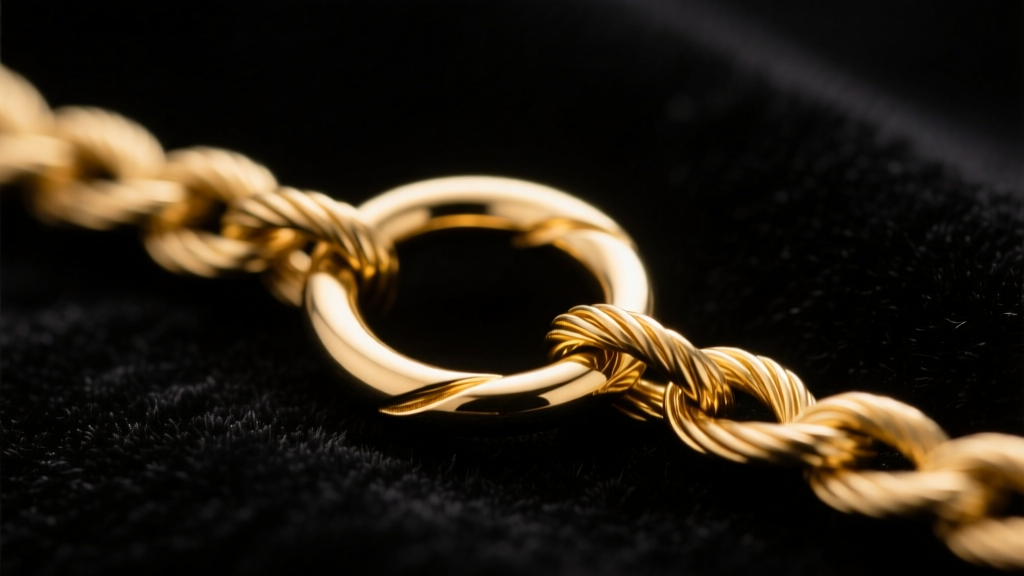
You finally searched for a permanent jewelry party near me, gathered your closest friends, and left with beautifully welded 14k gold and sterling silver chains adorning your wrists and ankles. The experience of watching a pulse arc welder fuse metal with a brilliant flash of plasma is unforgettable. However, the term 'permanent' refers to the lack of a clasp, not the invincibility of the metal. As we navigate jewelry trends in 2026, understanding the metallurgy of your welded pieces and knowing how to properly clean, maintain, and even perform DIY repairs is essential for keeping your chains looking pristine.
Whether you are a wearer looking to maintain your new anklet or a DIY jewelry maker who recently hosted a welding gathering, this comprehensive guide covers everything from material-specific cleaning protocols to fixing a snapped weld at home.
The Anatomy of a Permanent Weld and Why Care Matters
Unlike traditional jewelry that relies on solder—a filler metal with a lower melting point—permanent jewelry is fused using a pulse arc welder (such as an Orion mPulse or Sunstone). This machine delivers a highly concentrated electrical arc that melts the two ends of a jump ring together, creating a seamless, solid link. Because no filler metal is used, the structural integrity of the weld depends entirely on the base metal's purity and the welder's energy settings.
Over time, environmental factors like hard water, chlorine, lotions, and natural skin oils can create a microscopic film over the chain links. This not only dulls the sparkle of 14k and 18k gold but can also accelerate tarnishing in sterling silver. Furthermore, mechanical stress from snagging can cause the welded link—or the adjacent chain links—to stretch or break. Proper care mitigates these risks and extends the lifespan of your jewelry.
Material-Specific Cleaning Protocols
Not all chains react to cleaning agents in the same way. The alloy composition of your jewelry dictates the chemicals you can safely use. Below is a decision matrix for maintaining the most common permanent jewelry materials.
| Material Grade | Daily Maintenance | Deep Cleaning Method | Chemicals to Avoid |
|---|---|---|---|
| 14k & 18k Solid Gold | Wipe with a microfiber cloth | Warm water, mild dish soap, soft baby toothbrush | Chlorine, harsh abrasives |
| .925 Sterling Silver | Polish with a treated silver cloth | Aluminum foil, baking soda, and boiling water bath | Rubber bands, sulfur-rich environments |
| Gold-Filled (14/20) | Rinse with distilled water after sweating | Mild soap soak; avoid ultrasonic cleaners | Ammonia, bleach, polishing pastes |
| Surgical Stainless Steel | Wipe down with a damp cloth | Ultrasonic cleaner with mild detergent | Hydrochloric acid, chloride salts |
For solid gold pieces, the Gemological Institute of America (GIA) recommends a simple soak in a bowl of warm water with a few drops of phosphate-free dish soap. Gently agitate the water, then use a soft-bristled baby toothbrush to dislodge debris trapped between the cable or rolo links. Rinse thoroughly with distilled water to prevent hard water spots, and pat dry with a lint-free cloth.
The DIY Repair Protocol: What to Do When a Weld Snaps
Even the most perfectly executed pulse arc weld can fail if the chain is subjected to extreme tensile stress, such as catching a bracelet on a heavy door handle. If your permanent jewelry breaks, you don't necessarily need to hunt down another pop-up event. As a DIY jewelry maker, you can easily repair the piece at home using high-quality findings.
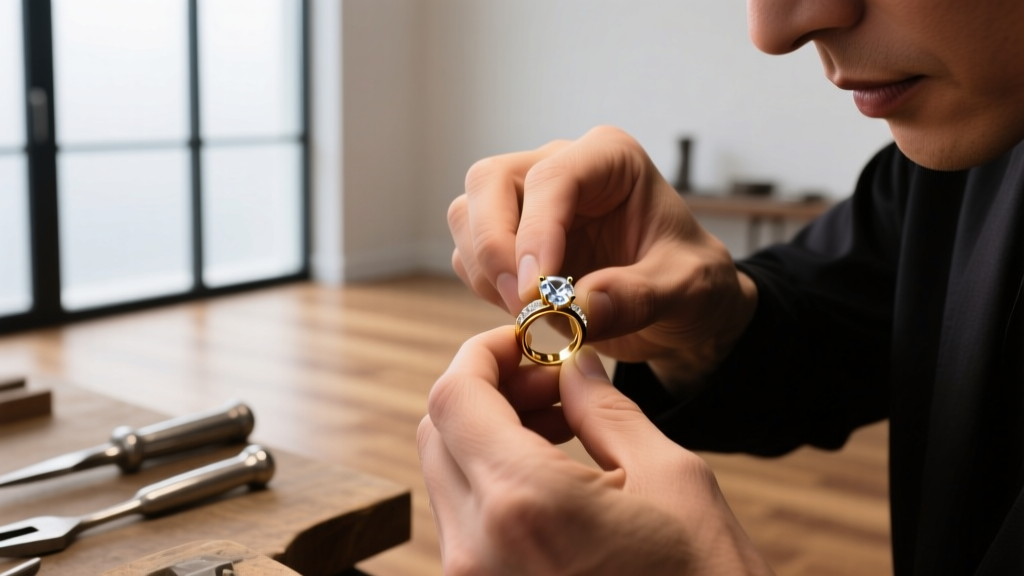
The golden rule of permanent jewelry repair is to never use split rings (the keychain-style rings). They catch on clothing, pull hair, and ruin the aesthetic of a delicate chain. Instead, you must use seamless jump rings or soldered jump rings. Suppliers like Rio Grande and Stuller offer machine-made seamless rings that mimic the look of a welded link.
Step-by-Step DIY Repair Guide
- Assess the Break: Determine if the welded link itself failed (indicating porosity or under-welding) or if an adjacent chain link stretched and snapped.
- Select the Right Gauge: Match the jump ring to your chain. For delicate 18-gauge to 20-gauge cable chains, use a 2.5mm or 3.0mm outer diameter (OD) jump ring in 22-gauge or 20-gauge wire.
- Open Correctly: Use two pairs of flat-nose pliers. Grip the ring on either side of the cut and twist one hand toward you and the other away. Never pull the ends apart laterally, as this distorts the circle.
- Thread and Close: Thread the two broken ends of your permanent bracelet onto the jump ring. Twist the ring closed until you feel a slight 'snap' or friction bump, indicating the ends are perfectly flush.
- Work-Harden (Optional): If using dead-soft wire, gently squeeze the closed jump ring with nylon-jaw pliers to work-harden the metal and prevent it from pulling open again.
Deep Cleaning: DIY Ultrasonic Solutions
If you have invested in a benchtop ultrasonic cleaner for your DIY jewelry making setup, it is a phenomenal tool for reviving the sparkle of welded chains. Ultrasonic waves create microscopic cavitation bubbles that implode against the metal, blasting away oils and dead skin cells from the tightest link crevices.
However, you must use the correct solution. A highly effective, safe DIY ultrasonic recipe for solid gold and platinum permanent jewelry is:
- 1 cup distilled water
- 1 teaspoon ammonia-free, phosphate-free dish detergent (like Dawn)
- 1 splash of household ammonia (Strictly for solid gold/platinum—never use ammonia on gold-filled, sterling silver, or any porous gemstones like pearls, opals, or turquoise).
Run the ultrasonic cycle for no more than 3 to 5 minutes. Prolonged exposure to high-frequency vibrations can occasionally fatigue the metal at the weld point if the chain is exceptionally fine (under 22-gauge).
For the DIY Host: Pulse Arc Welder Maintenance
If you were the one hosting the permanent jewelry party near me, your care and maintenance duties extend beyond the jewelry itself—you must maintain your equipment. The most common cause of weak, porous welds that snap a week later is a degraded tungsten electrode.
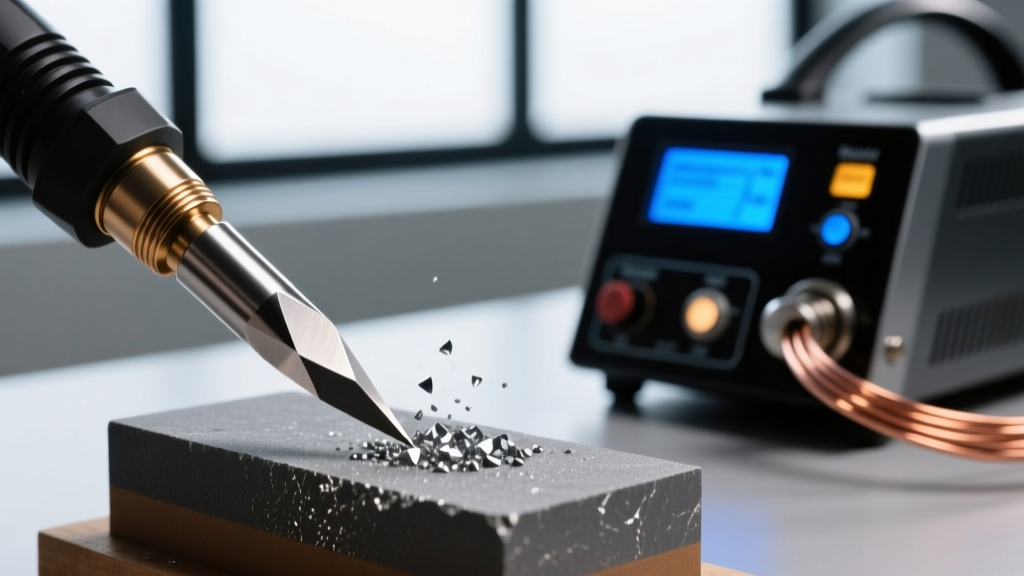
The electrode on your pulse arc welder focuses the electrical arc. After 15 to 20 welds, the tip of the tungsten degrades, becoming blunt or oxidized. This causes the arc to scatter, resulting in a weld that looks fused on the outside but lacks penetration on the inside.
Electrode Sharpening Best Practices
- Use the Right Abrasive: Always use a diamond sharpening block or a dedicated tungsten grinder. Never use standard sandpaper or emery cloth, as the embedded metals can contaminate the tungsten and ruin your weld purity.
- Grind Longitudinally: File the electrode parallel to its length, not in a circular motion. Circular grinding creates ridges that cause the plasma arc to spiral unpredictably.
- Optimal Angle: Sharpen the tip to a precise point, leaving a microscopic flat land (about 0.010 inches) at the very tip to prevent the tungsten from melting into your gold chain during the flash.
Chain Gauge Selection for Future Parties
Preventing breakage starts before the welder even fires. If you are sourcing chains for your next gathering, pay close attention to the gauge (thickness) and the link style.
- 18-Gauge to 20-Gauge Cable Chains: The gold standard for permanent bracelets. The oval links distribute tension evenly, and the thickness is robust enough to withstand daily wear while remaining delicate on the wrist.
- 22-Gauge Rolo Chains: Beautiful and substantial-looking due to the round links, but the smaller wire diameter makes them prone to stretching if snagged.
- Box Chains: While visually striking, box chains are notoriously difficult to weld cleanly because the flat surfaces require perfect alignment, and they are highly susceptible to kinking, which weakens the metal structure over time.
Building Your Post-Party Care Kit
To ensure your permanent jewelry remains a beloved staple rather than a broken memory, assemble a small DIY care kit. Include a Sunshine Polishing Cloth (which contains micro-abrasives and tarnish-removing agents safe for silver and gold), a pair of nylon-jaw pliers for tightening jump rings without marring the metal, and a small ziplock bag containing 3M anti-tarnish strips for safe storage when traveling. By understanding the science of the weld and committing to these meticulous care routines, your permanent jewelry will truly stand the test of time.