Permanent Jewelry Rochester NY: Cleaning & Care Guide
Expert care and cleaning tips for permanent jewelry in Rochester, NY. Learn how to combat hard water, road salt, and winter tarnish.

The Rochester Climate Challenge for Welded Chains
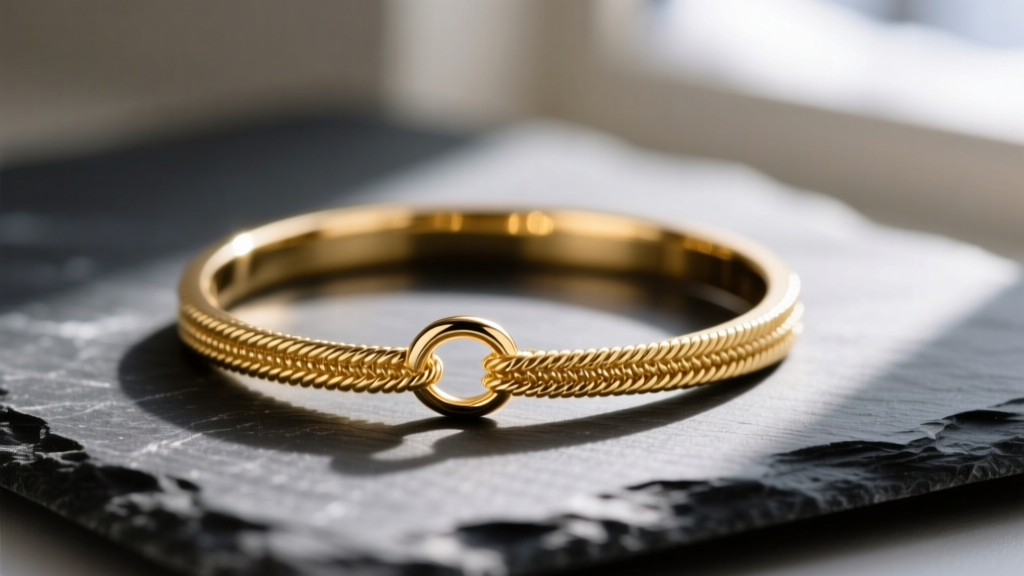
Permanent jewelry has become a staple in modern accessorizing, offering a seamless, clasp-free aesthetic that feels both personal and enduring. However, maintaining these delicate, micro-welded chains requires a nuanced understanding of your local environment. For residents of Upstate New York, the specific climate and municipal infrastructure present unique hazards to fine metals. When searching for permanent jewelry Rochester NY care routines, you must account for three primary environmental aggressors: heavy winter road salt, high summer humidity, and moderately hard municipal water.
Unlike traditional jewelry that can be easily removed before showering or braving the elements, permanent bracelets and anklets are exposed to continuous wear. Road salt—primarily a mixture of sodium chloride and calcium chloride used extensively across Monroe County—can accelerate galvanic corrosion in lower-grade metals. Meanwhile, the humidity rolling off Lake Ontario in July can rapidly oxidize sterling silver links. This guide provides a rigorous, DIY-focused maintenance protocol tailored specifically for the Rochester climate, ensuring your welded chains remain pristine year-round.
Material Breakdown: What Survives Upstate NY Winters?
Not all permanent jewelry is created equal. The longevity of your piece when exposed to Rochester's harsh winter slush depends entirely on the metallurgical composition of the chain. According to metalworking experts at Rio Grande, understanding the core materials of your jewelry is the first step in preventative care.
| Metal Grade | Road Salt Resistance | Hard Water Reaction | DIY Cleaning Agent |
|---|---|---|---|
| Solid 14k / 18k Gold | Excellent (Immune) | Calcium spotting | Mild surfactant + Distilled Water |
| 14/20 Gold-Filled | Poor (If scratched) | Mineral buildup in crevices | Soft brush + Phosphate-free soap |
| Sterling Silver (925) | Moderate (Tarnishes) | Accelerated oxidation | Silver polishing cloth (Micro-abrasive) |
| Grade 5 Titanium | Excellent (Inert) | None | Ultrasonic cleaner (42kHz) |
Gold-filled chains (specifically 14/20, meaning 1/20th of the weight is 14k gold bonded to a brass core) are incredibly popular for permanent jewelry due to their affordability. However, if a sharp winter impact scratches through the gold layer down to the brass core, exposure to calcium chloride road salt will cause rapid, irreversible galvanic corrosion. Solid 14k gold and titanium remain the only truly safe options for daily winter wear in snow-belt regions.
The Hard Water Factor: DIY Cleaning Protocols
Monroe County's municipal water supply, sourced primarily from Hemlock Lake and Lake Ontario, is classified as moderately hard, typically measuring between 120 and 150 mg/L of calcium carbonate. If you clean your permanent jewelry under the tap, the water will evaporate and leave behind microscopic mineral deposits. Over time, these deposits create a dull, cloudy film that traps dead skin cells and lotions against the metal, leading to contact dermatitis and accelerated tarnishing.
The Distilled Water Soak Method
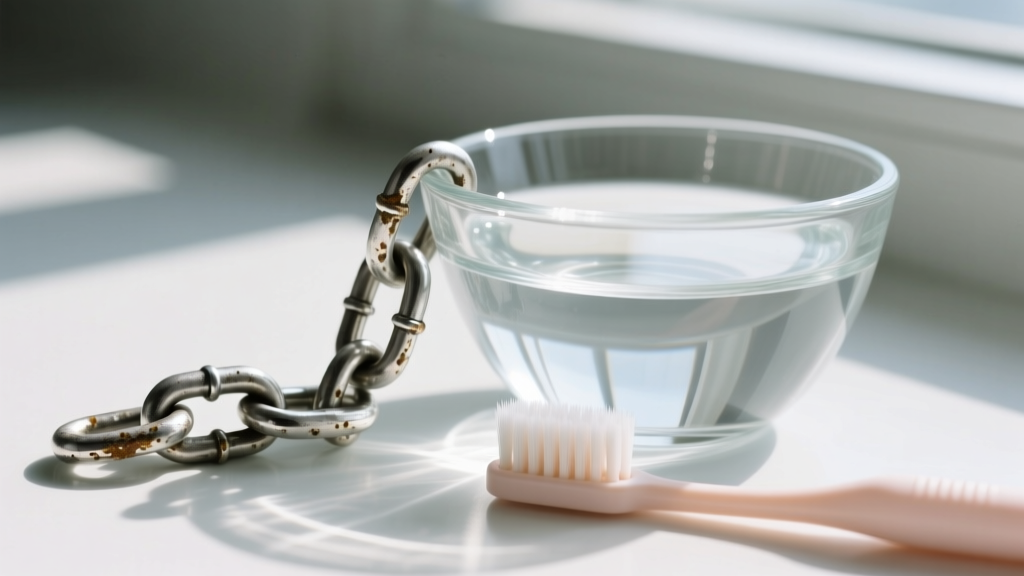
To combat hard water spotting, DIY enthusiasts must abandon tap water for jewelry cleaning. The Gemological Institute of America (GIA) recommends gentle, non-chemical cleaning for delicate chains. Here is the Rochester-optimized soak protocol:
- Base Liquid: 1 cup of distilled water (heated to exactly 105°F to loosen sebum and body oils).
- Surfactant: 3 drops of phosphate-free, ultra-mild dish soap (Dawn Free & Clear is ideal, as it lacks dyes that can stain porous gemstone inlays).
- Agitation: Use a baby toothbrush with ultra-soft bristles. Brush at a 45-degree angle to the chain links to dislodge debris from the interior of the jump rings without stressing the micro-weld.
- Rinse: A final rinse using only distilled water from a spray bottle.
- Drying: Pat dry with a lint-free microfiber cloth. Never use paper towels, as the wood pulp fibers can snag on 16-gauge or 18-gauge delicate cable chains.
Ultrasonic Cleaning: Frequencies and Warnings
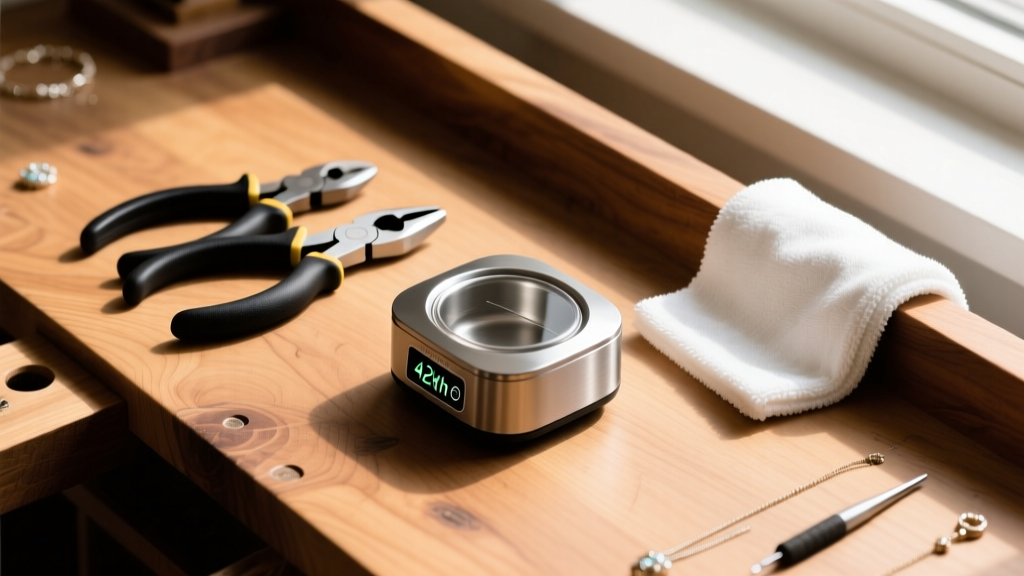
For solid gold and titanium permanent anklets that have accumulated heavy winter grime, an ultrasonic cleaner is a highly effective DIY tool. You must use a machine operating at a 42kHz to 45kHz frequency. Lower frequencies (like 20kHz) create cavitation bubbles that are too large and violent, which can actually fracture the delicate micro-welds holding your permanent bracelet together. Warning: Never place sterling silver with intentional oxidation (blackened crevices) or any chains featuring opal, pearl, or turquoise charms into an ultrasonic bath, as the high-frequency vibrations will shatter the stones or strip the patina.
Emergency DIY Fixes for Snagged Links
Wearing permanent jewelry through a Rochester winter means dealing with heavy wool sweaters, scarves, and thick coats. It is incredibly common for a delicate 14k gold cable chain to snag on a knit fiber, pulling a single link out of its oval shape. Because you cannot simply unclasp the bracelet to take it to a jeweler, you need a DIY emergency kit on hand.
Your kit should include a pair of Wubbers Nylon Jaw Pliers. Standard steel jewelry pliers will bite into and permanently mar the surface of solid gold or gold-filled links. The nylon jaws allow you to gently squeeze a distorted link back into its original oval geometry without scratching the metal. If a link is pulled entirely open and the chain separates, do not attempt to use superglue or household adhesives. Instead, keep a small stash of 14k gold-filled lobster clasps and 4mm open jump rings. Using your nylon pliers and a pair of flush cutters, you can temporarily attach a clasp to the broken ends, converting your permanent piece back into a traditional bracelet until you can visit a local Rochester studio for a proper argon-arc micro-weld repair.
Seasonal Maintenance Calendar for Rochester Locals
Maintaining permanent jewelry in a four-season climate requires a proactive schedule. Follow this seasonal framework to maximize the lifespan of your welded chains:
- November (Pre-Winter): Inspect all micro-welds under a 10x jeweler's loupe. Look for hairline fractures caused by temperature fluctuations. Apply a light coat of Renaissance Wax to sterling silver pieces to create a moisture barrier against snow.
- January (Peak Salt): Increase cleaning frequency to once a week using the distilled water soak. Road salt aerosolizes from passing cars and settles on your skin and jewelry, requiring immediate neutralization.
- May (Spring Thaw): Polish solid gold and silver pieces using a Sunshine Cloth. These cloths are impregnated with micro-abrasives and anti-tarnish agents that safely remove the dulling oxidation accumulated over the winter.
- July (Peak Humidity): When not wearing removable permanent-style test chains, store them in airtight Ziploc bags with 3M Anti-Tarnish Strips. The strips absorb airborne sulfur and moisture, preventing the rapid blackening of silver during humid Upstate summers.
Pro-Tip for Local DIYers: If you are making your own permanent jewelry at home using a handheld micro-welder, always ensure your argon gas flow rate is set between 3 to 5 CFH. Too little gas will result in a brittle, oxidized weld that will snap the moment it is exposed to the physical stress of pulling a heavy winter coat over your wrist.
Conclusion
Caring for permanent jewelry in Rochester, NY, requires more than just a quick wipe with a cloth. By understanding the chemical interactions between road salt, hard water, and your specific metal grades, you can implement a rigorous DIY maintenance routine. Relying on distilled water, proper ultrasonic frequencies, and nylon-jaw tools ensures that your welded chains remain as flawless as the day they were fused, regardless of what the Upstate weather throws your way.