Beaded Jewelry Making Tools & Supplies: 2026 Buying Guide
Discover exactly what to buy for beaded jewelry making in 2026. Compare wire gauges, bead materials, and essential tools with expert pricing insights.

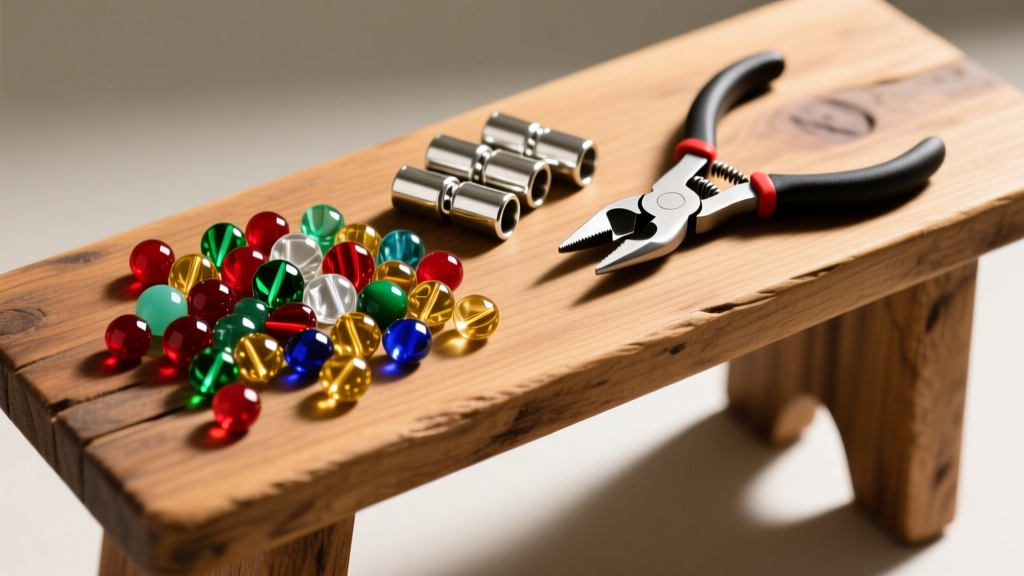
Entering the world of beaded jewelry making is an exciting journey, but the sheer volume of supplies available can quickly overwhelm beginners and intermediate crafters alike. In 2026, the market is flooded with ultra-cheap, bulk-kit imports that promise thousands of pieces for under twenty dollars. While tempting, these kits often feature dyed glass masquerading as gemstones, inconsistent drill holes, and soft-metal tools that dent after a single use. True craftsmanship requires an understanding of material science, tensile strength, and precision geometry. This comprehensive buying guide cuts through the marketing fluff, providing you with exact specifications, material grades, and brand recommendations to build a professional-grade beaded jewelry making toolkit that will last a lifetime.
The Core Toolkit: Metallurgy and Jaw Geometry
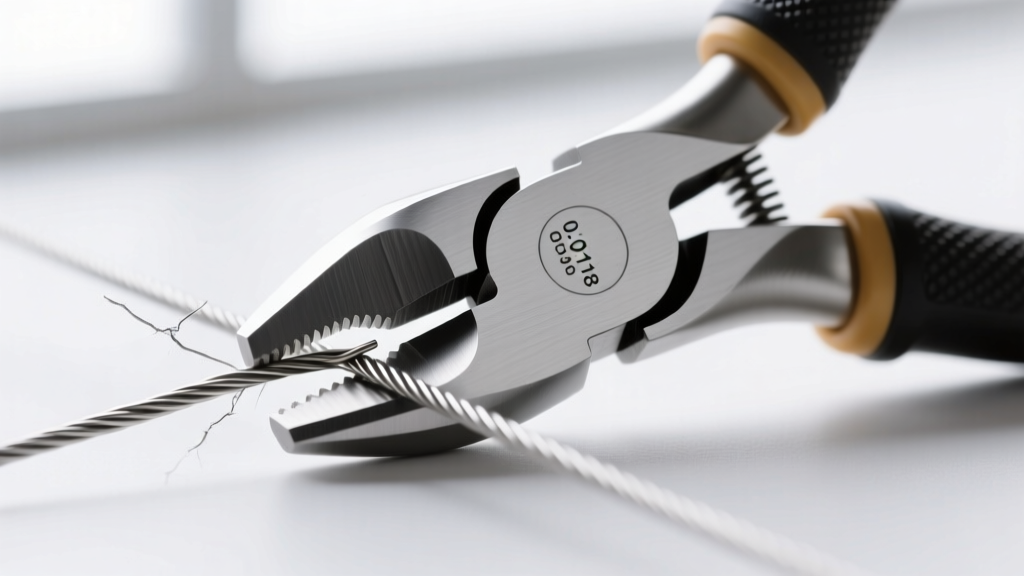
The foundation of any successful jewelry project lies in your pliers and cutters. The most common failure mode for beginners is using soft, stamped stainless steel tools included in bargain kits. When you apply pressure to cut 19-strand stainless steel wire, soft steel jaws will dent, creating jagged edges that fray your thread and ruin your crimps.
Investing in Drop-Forged Carbon Steel
For primary cutters and crimping pliers, you must look for drop-forged carbon steel or high-carbon tool steel. Brands like Xuron and Lindstrom manufacture precision micro-shear cutters that leave a perfectly flush cut, which is critical when working with delicate seed beads or silk thread. Expect to pay between $25 and $45 for a single pair of professional-grade flush cutters. While this is a steep premium over a $5 import cutter, the hardened steel edges will not deform when snipping 0.024-inch heavy-duty beading wire.
For gripping and bending, a 4-inch chain-nose plier with a smooth, un-serrated jaw is mandatory. Serrated teeth will mar soft metals like sterling silver and copper, leaving permanent scratches. Look for dual-leaf spring mechanisms that reduce hand fatigue during long stringing sessions.
Stringing Materials: Tensile Strength and Drape
The stringing material dictates the drape, durability, and lifespan of your jewelry. Selecting the wrong gauge or material type is the leading cause of catastrophic necklace breakage. Here is a breakdown of the primary stringing mediums used in modern beaded jewelry making.
| Material Type | Specifications & Gauge | Tensile Strength | Best Application | Avg. Price (2026) |
|---|---|---|---|---|
| Multi-Strand Wire | 49-strand, 0.018" (0.46mm) | 20 - 25 lbs | Heavy gemstones, glass beads, everyday wear | $18 - $24 / spool |
| Braided Thread | Gel-spun polyethylene, 6lb test | 6 lbs (highly abrasion resistant) | Seed bead weaving, fringe, lightweight pearls | $12 - $16 / spool |
| Polyurethane Elastic | TPU, 0.8mm diameter | Stretch up to 300% | Stretch bracelets, casual wear | $6 - $9 / spool |
Stainless Steel Beading Wire
For general necklace stringing, 49-strand stainless steel wire coated in nylon is the industry standard. Beadalon and Soft Flex are the premier manufacturers. The 49-strand construction provides a supple, fabric-like drape that prevents the stiff, kink-prone behavior of cheaper 7-strand or 19-strand wires. The 0.018-inch gauge is the ultimate middle-ground, easily passing through most gemstone and glass bead holes while supporting up to 25 pounds of tensile weight.
Braided Polyethylene Thread
When working with size 11/0 or 15/0 seed beads, wire is too rigid. Instead, use gel-spun polyethylene thread, widely known by the brand name Fireline. Unlike traditional nylon threads (like Nymo) which stretch and require waxing, Fireline is completely non-stretch, highly abrasion-resistant, and holds tension perfectly for peyote and brick stitch weaves.
Findings and Crimping Mechanics
A beaded necklace is only as strong as its weakest connection point, which is almost always the crimp. The crimp secures the wire to the clasp, and using the wrong style will result in the wire slipping out over time.
Crush Beads vs. Seamless Tubes
Beginners often use cheap, base-metal crimp 'beads' (round spheres). When crushed with pliers, the metal splits and the edges become razor-sharp, eventually slicing through the nylon coating of your beading wire. Instead, always purchase seamless sterling silver or gold-filled crimp tubes. A 2x2mm tube provides ample surface area for the wire to grip. When used with a dedicated micro-crimping plier, the tube is folded and compressed into a neat, rounded bead-like shape that completely encases the wire, eliminating sharp edges and reducing slip-failures by over 90%.
Bead Selection: Sizing Metrics and Quality Grading
Sourcing high-quality beads requires understanding industry sizing and grading terminology. The market is heavily saturated with synthetic stones sold as natural, so buying from reputable lapidary suppliers is essential.
The Aught System for Seed Beads
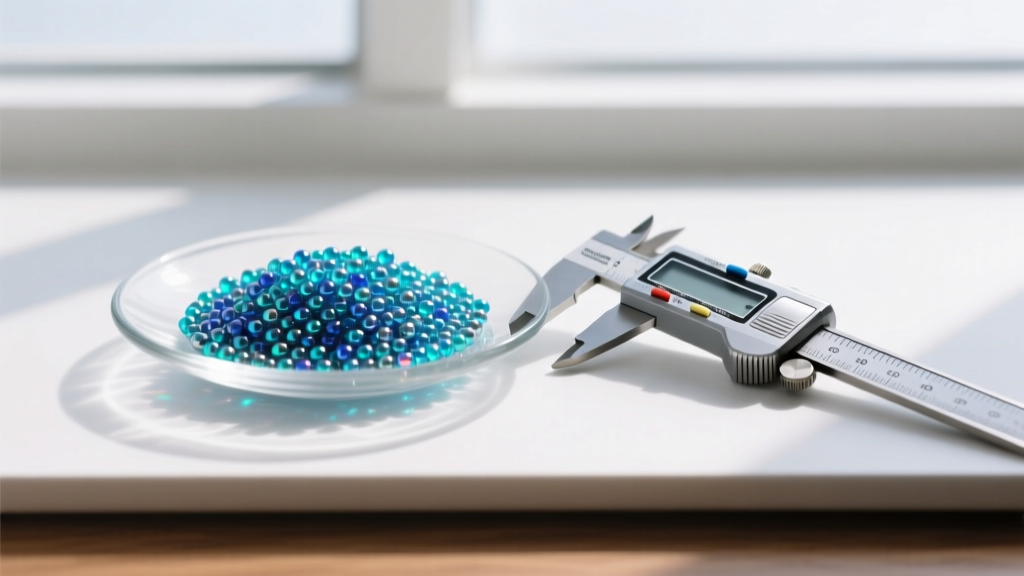
Seed beads are sized using the 'aught' system (e.g., 8/0, 11/0, 15/0). Counterintuitively, the larger the number, the smaller the bead. A size 11/0 Miyuki Delica bead measures approximately 1.6mm in diameter with a hole size of 0.8mm. Delicas are precision-cut glass cylinders that lock together seamlessly, making them vastly superior to traditional round 'rocaille' beads for geometric loom work and intricate weaving.
Gemstone Grading Standards
Unlike diamonds, colored gemstones do not have a universally regulated grading system, but reputable wholesalers generally use a letter scale. 'A' grade indicates decent color with visible inclusions and matrix. 'AA' grade offers rich color with minimal inclusions, suitable for high-end focal pieces. 'AAA' represents the top 10% of stones with exceptional clarity and saturation. According to the Gemological Institute of America (GIA), buyers should always request origin and treatment disclosures, as many cheap 'AAA' beads on the market are actually low-grade agate dyed with toxic chemical baths to mimic emerald or ruby.
What to Avoid: Common Beginner Purchasing Mistakes
- The '10,000 Piece' Amazon Kits: These kits feature dyed howlite passed off as turquoise, PVC elastic that dry-rots in six months, and tools that break on first use.
- PVC Elastic Cord: Always avoid clear PVC elastic. It degrades rapidly when exposed to skin oils and UV light. Only buy TPU (Thermoplastic Polyurethane) elastic, such as Stretch Magic, which retains its memory and elasticity for years.
- Pre-Strung Hanks of Unknown Origin: Beads with inconsistent hole sizes will cause massive frustration when trying to pass a needle and thread through them multiple times. Always buy Japanese seed beads (Miyuki or Toho) for guaranteed uniformity.
Final Sourcing Recommendations
Building a professional beaded jewelry making inventory is a marathon, not a sprint. Start by investing heavily in your core tools and stringing materials, as these dictate the structural integrity of your work. Once you have mastered the mechanics of a perfect crimp and flush cut, you can gradually expand your bead library with ethically sourced gemstones and precision-cut Japanese glass. By prioritizing material science and metallurgical quality over sheer volume, your handmade jewelry will not only look superior but will stand the test of time.


