Polymer Clay Beads for Jewelry Making: 2026 Buying Guide
Discover what to look for when sourcing polymer clay beads for jewelry making. Learn to spot quality curing, hole finishes, and top 2026 suppliers.

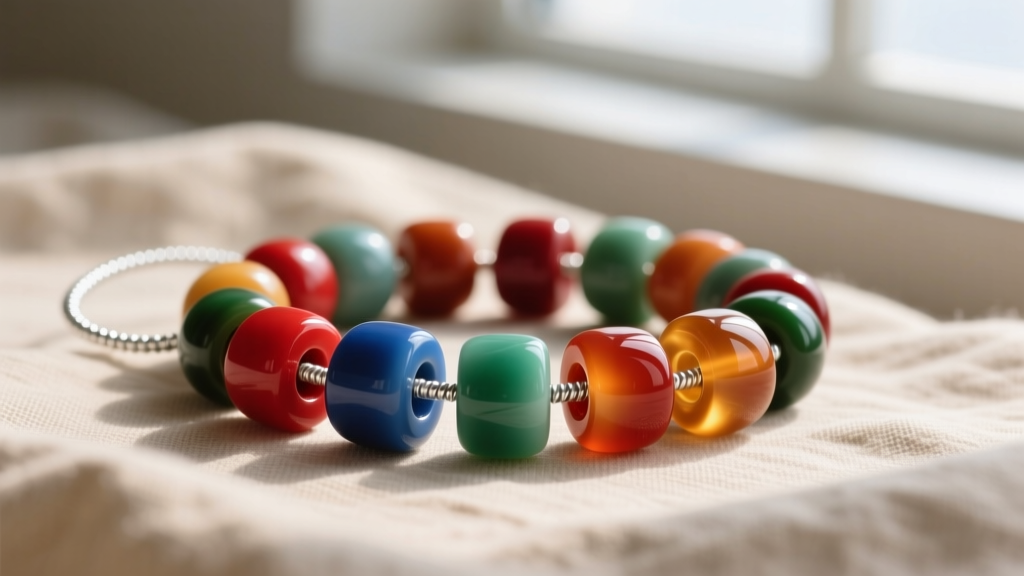
The explosion of bohemian and Y2K-inspired jewelry trends has cemented polymer clay as a dominant medium in 2026. However, sourcing high-quality polymer clay beads for jewelry making is notoriously difficult for independent designers. Unlike glass or gemstone beads, polymer clay is a cured PVC compound that requires precise thermal processing. A visually stunning bead can easily shatter during stringing or wear if it was underbaked or improperly finished.
This comprehensive buying guide cuts through the aesthetic appeal to evaluate the structural integrity, manufacturing standards, and material science you must consider before investing in wholesale or artisan polymer clay beads.
The Hidden Pitfalls of Mass-Produced Polymer Clay Beads
When purchasing bulk polymer clay beads from overseas wholesale marketplaces, the primary failure mode is underbaking. According to polymer clay expert Ginger Davis Allman at The Blue Bottle Tree, polymer clay must reach a specific core temperature (typically 265°F to 275°F for brands like Sculpey Premo and Fimo Professional) to fully fuse the PVC particles.
Mass-producers often bake beads at lower temperatures or for insufficient times to save on industrial energy costs and prevent scorching pale colors. The result is a bead that looks perfect but remains chalky and brittle on a microscopic level. When you apply tension using a crimp tube or when a customer's bracelet catches on a sweater, the bead will snap cleanly in half.
Core Criteria: How to Evaluate Bead Quality
The Flex and Snap Test
Properly cured polymer clay possesses surprising flexibility, especially in thinner profiles. When evaluating a new supplier, order a sample batch and perform the flex test. A high-quality polymer clay disc or lentil bead (under 3mm thick) should bend slightly without stressing or turning white at the flex point. If it snaps immediately with a dry, chalky fracture line, the clay was underbaked or heavily diluted with liquid clay softeners that compromise structural integrity.
Hole Drilling and Burr Inspection
The second most common defect in artisan and mass-produced beads is the "exit burr." When a drill bit or needle pierces through the back of a polymer clay bead, it often pushes out a small, sharp ring of cured clay.
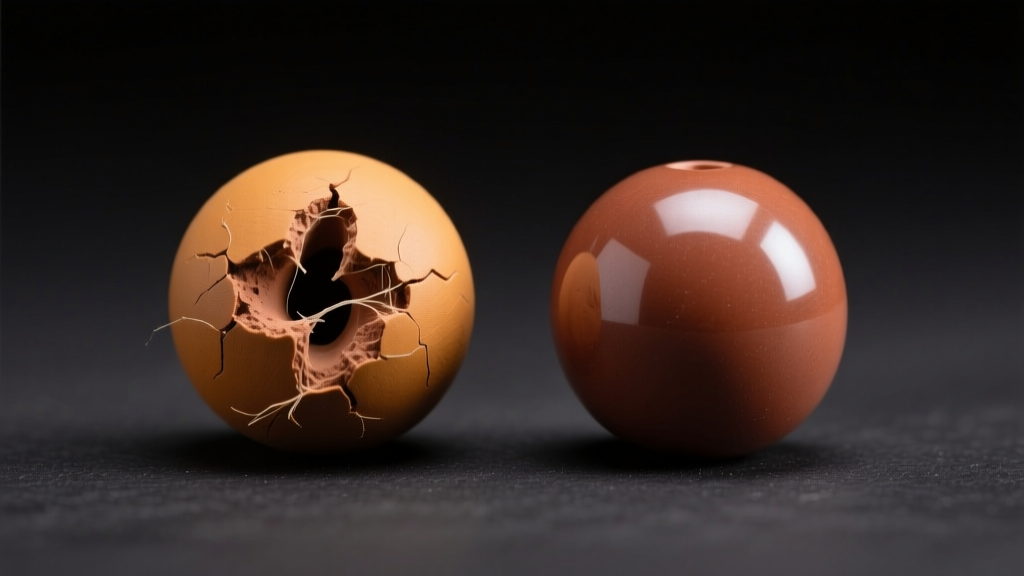
These micro-burrs act like tiny saw blades against your stringing material. If you are using premium beading threads like Fire Mountain Gems' FireLine or WildFire, an un-sanded exit burr will fray and sever the thread within weeks of wear. Always inspect the bead holes with a 10x jeweler's loupe. Premium artisan makers drill from both sides to meet in the middle, or they meticulously sand the bead holes using diamond-coated reamers.
Bead Style Matrix: Sourcing by Jewelry Application
Different bead shapes and cane techniques require different stringing tensions and wire gauges. Use this matrix to match your sourcing strategy to your 2026 jewelry designs.
| Bead Style | Average Dimensions | Ideal Hole Size | Price Range (per 100) | Best Stringing Material |
|---|---|---|---|---|
| Heishi Discs | 6mm x 1.5mm | 1.0mm - 1.5mm | $8 - $15 | Soft Flex .014" or Silk Thread |
| Cane Slices (Millefiori) | 10mm x 2mm | 1.5mm - 2.0mm | $12 - $25 | 49-strand .018" Beading Wire |
| Lentil / Rondelle | 8mm x 4mm | 1.0mm | $10 - $20 | WildFire .006" Beading Thread |
| Mokume Gane Blocks | 15mm x 8mm | 2.0mm+ | $30 - $60 | Leather Cord or Heavy .024" Wire |
Artisan vs. Wholesale: Where to Source in 2026
Your sourcing channel dictates your quality control. Here is how the current market breaks down for professional jewelry makers:
- Etsy Artisans: The gold standard for unique cane slices and Mokume Gane beads. You are paying a premium ($0.20 to $0.80 per bead), but reputable makers use professional-grade clays like Sculpey Premo or Fimo Professional and bake in dedicated convection ovens. Always message the seller to ask about their baking protocols and sealants.
- Dedicated Wholesalers (e.g., Fire Mountain Gems): Excellent for consistent, basic shapes and solid-color heishi beads. These are factory-cured and generally reliable, though the color palettes may lean toward generic, mass-market trends rather than bespoke artisan blends.
- Direct Overseas Marketplaces (Alibaba/AliExpress): High risk. While you can source thousands of beads for pennies, the clay is often a lower-grade, heavily filled compound that mimics polymer clay but lacks its flexibility and durability. Expect a 15-20% breakage rate during stringing.
Finishing and Sealants: What to Ask the Maker
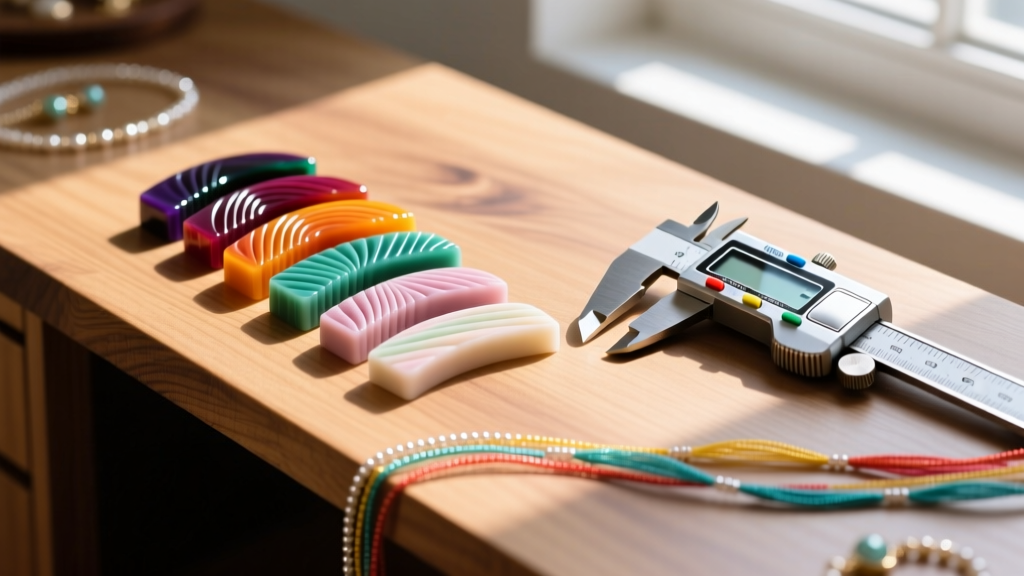
Raw polymer clay is naturally matte and slightly porous. To achieve the glass-like finish demanded by modern jewelry consumers, makers must sand through progressive grits (from 400 up to 2000+ micro-mesh) and apply a topcoat. The type of topcoat drastically affects the bead's lifespan.
Expert Insight: Avoid beads sealed with standard nail polish or cheap water-based craft varnishes. These will peel and turn sticky when exposed to the natural oils and acidity of human skin. Look for artisans who use two-part epoxy resins, UV-cured jewelry resin, or high-grade water-based polyurethanes specifically formulated for flexible plastics, such as DuraClear Gloss or Brite Tone.
If you are buying unsealed, raw-sanded beads to finish yourself, ensure you clean them with isopropyl alcohol before applying your own UV resin to remove any sanding dust or surface oils that could inhibit adhesion.
Color Fastness and UV Degradation
Unlike glass or ceramic, polymer clay is susceptible to UV degradation and color shifting over time. Certain pigments, particularly fluorescent pinks, bright purples, and some organic reds, will fade or turn brownish when exposed to prolonged sunlight. When buying polymer clay beads for jewelry making, especially for summer collections or beachwear, inquire about the clay brand and pigment sources used by the artisan. Professional-grade clays like Fimo Professional and Cernit offer superior lightfastness compared to budget craft clays. If a supplier cannot verify the lightfastness of their pigments, reserve those beads for seasonal, short-run collections rather than heirloom or everyday wear pieces.
Surface Inclusions and Mica Shift Techniques
When evaluating artisan beads, examine the surface for unintended inclusions. Dust, pet hair, and lint are the enemies of polymer clay. A high-quality maker operates in a clean-room environment or uses specialized static guards. Furthermore, if you are sourcing beads featuring "mica shift" (a technique where mica powders are embedded to create a 3D illusion on a flat surface), run your fingernail lightly over the bead. The surface should be completely smooth. If you feel ridges, the maker failed to sand away the raised clay adequately, which will lead to premature wear and an uncomfortable tactile experience for the wearer.
Crimping and Hardware Compatibility
A critical, often overlooked aspect of buying polymer clay beads is how they interact with metal findings. Polymer clay is softer than glass or stone. If you use standard metal crimp beads and crush them directly against a polymer clay bead with crimping pliers, the localized pressure will almost certainly cause a micro-fracture that eventually splits the bead.
When designing with these beads, always factor in the cost and space for bead bumpers (tiny silicone or rubber O-rings) or wire guardians. When sourcing, check the hole diameter carefully. If an artisan bead has a 1.0mm hole, and you need to pass a .019" wire through it twice (for a French wire finish or clasp loop), you will not have enough clearance for a wire guardian. Always request beads with a minimum 1.5mm hole if you plan on using professional wire-finishing techniques.
Final Verdict: Building a Reliable Inventory
Sourcing the right polymer clay beads for jewelry making requires looking past the vibrant colors and intricate cane patterns. By prioritizing proper thermal curing, meticulous hole-drilling, and skin-safe sealants, you protect your brand's reputation from the heartbreak of broken jewelry. Start with small sample batches from artisan makers, perform the flex and loupe tests, and build a roster of suppliers who respect the material science behind this incredibly versatile medium.