Seed Beads Jewelry Making: 2026 Trend & Style Guide
Discover the top seed beads jewelry making trends for 2026. Explore modern weaving techniques, material upgrades, and high-fashion palettes.

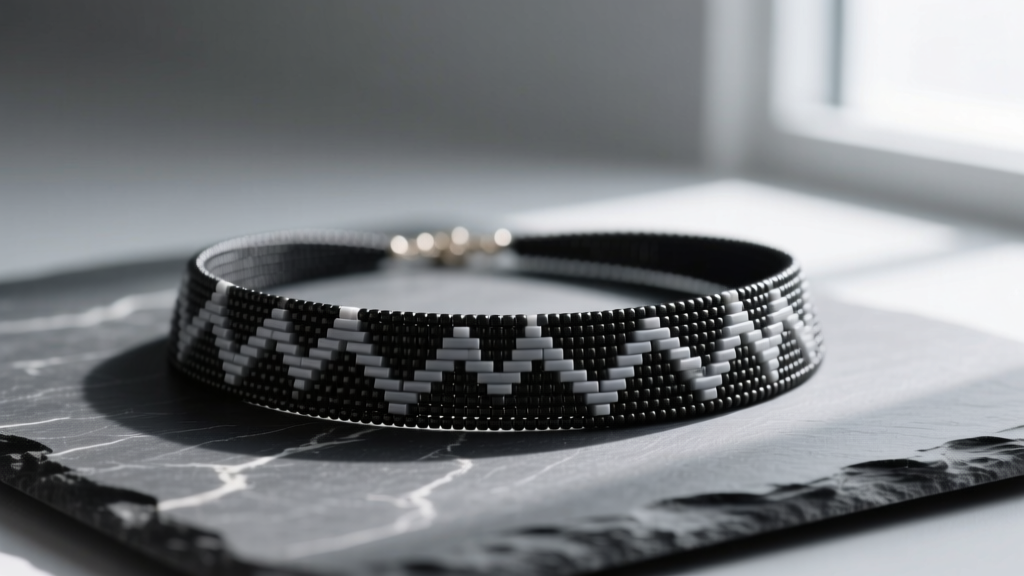
The Renaissance of Micro-Beadwork in High Fashion
The landscape of seed beads jewelry making has undergone a radical transformation as we move through 2026. Once relegated to bohemian festival accessories and nostalgic craft projects, seed bead weaving has been reclaimed by high-fashion ateliers and avant-garde independent designers. Today, the focus is on architectural precision, micro-textures, and hybrid material integration. The modern beadweaver is no longer just stringing; they are engineering flexible textiles out of glass and thread. According to trend forecasts from Beadwork Magazine, the 2026 aesthetic pivots sharply between two extremes: the hyper-minimalism of "Quiet Luxury" micro-peyote and the chaotic, hyper-textural fringe of the evolving Cyber-Y2K movement.
For DIY jewelers and independent artisans, this means upgrading both your material repertoire and your structural techniques. Standard round seed beads are being replaced by precision-cut cylinders, and traditional nylon threads are giving way to thermally fused gel-spun polyethylene. To succeed in the current market, makers must understand the exact tolerances of their materials and the specific failure modes of complex stitches like tubular herringbone and Ndebele variations.
Material Shifts: Beyond Standard Roundels
The foundation of any successful beadwoven piece lies in the uniformity of the glass. In 2026, the debate between Japanese cylinder beads and traditional round rocailles has been settled by the demands of modern geometric patterns. Cylinder beads, with their flat edges and oversized holes, allow for the multiple thread passes required in complex right-angle weave (RAW) and peyote variations without causing thread degradation.
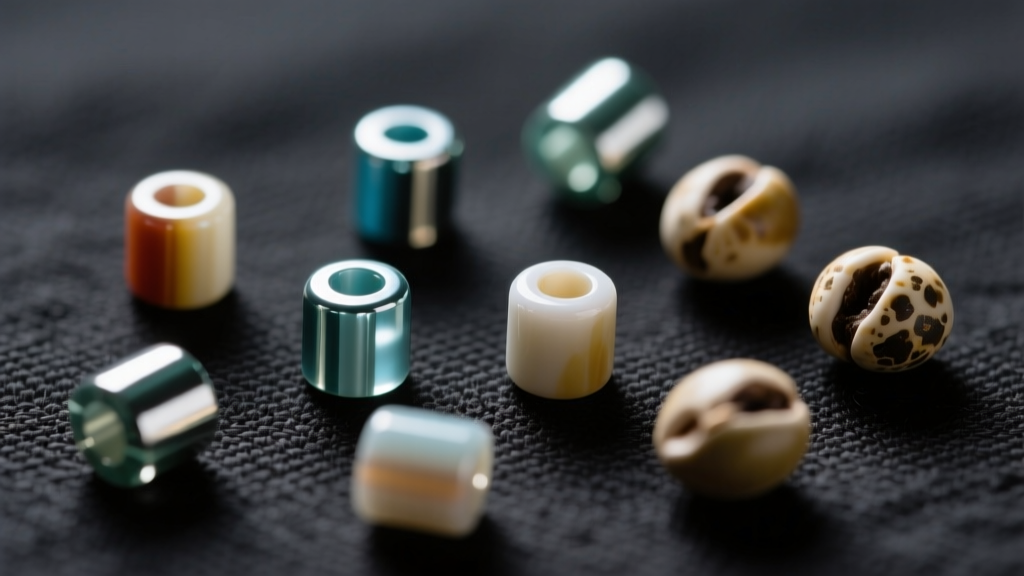
Miyuki Delica vs. Toho Treasure: The 2026 Verdict
While both are Japanese cylinder beads, their microscopic differences dictate their use in high-end seed beads jewelry making. Miyuki Delicas (size 11/0) are slightly smaller in diameter (1.3mm) compared to Toho Treasures (1.5mm), but Delicas boast a larger hole diameter (0.8mm vs 0.75mm). This seemingly negligible 0.05mm difference in the hole size is the deciding factor for artisans using heavier gel-spun threads or requiring more than four passes through a single bead in brick stitch turnarounds.
| Bead Type | Size | Hole Diameter | Best Stitch Application | Avg. Price (10g) |
|---|---|---|---|---|
| Miyuki Delica (DB) | 11/0 | 0.8mm | Brick Stitch, Peyote, Loom | $4.50 - $6.00 |
| Toho Treasure | 11/0 | 0.75mm | Tubular Peyote, Ndebele | $4.00 - $5.50 |
| Miyuki Round Rocaille | 15/0 | 0.7mm | Micro-Fringe, Embellishment | $3.50 - $5.00 |
| Czech Charlotte | 13/0 | 0.6mm | Victorian Lace, Texture | $8.00 - $12.00 |
Pro-Tip on Thread Selection: For cylinder beads, avoid standard nylon (like Nymo) which stretches and warps geometric tension. Instead, use 6lb test Berkley Fireline (0.15mm diameter). However, if your design incorporates sharp-edged bugle beads alongside seed beads, Fireline will fray and snap. In these hybrid designs, you must switch to Beadalon WildFire 0.006", which features a thermally fused coating that resists abrasion from sharp glass edges.
Dominant Aesthetic Trends in Seed Bead Weaving
The visual language of seed beads jewelry making in 2026 is defined by intentional contrast. Designers are moving away from the chaotic, multi-color "boho" palettes of the previous decade, favoring instead highly disciplined color theory and structural storytelling.
1. "Quiet Luxury" Micro-Peyote and Brick Stitch
Inspired by high-end fashion houses emphasizing understated elegance, this trend relies on monochromatic or analogous color schemes using matte-finish seed beads. The goal is to mimic the look of woven silk or fine suede. Artisans are utilizing size 15/0 Miyuki round rocailles to create incredibly dense, flexible fabrics via flat even-count peyote stitch. The colorways dominating this space are "Greige," "Oat," and "Matte Onyx." The finishing technique for these pieces involves invisible magnetic clasps hidden within tubular peyote end-caps, ensuring the beadwork remains uninterrupted.
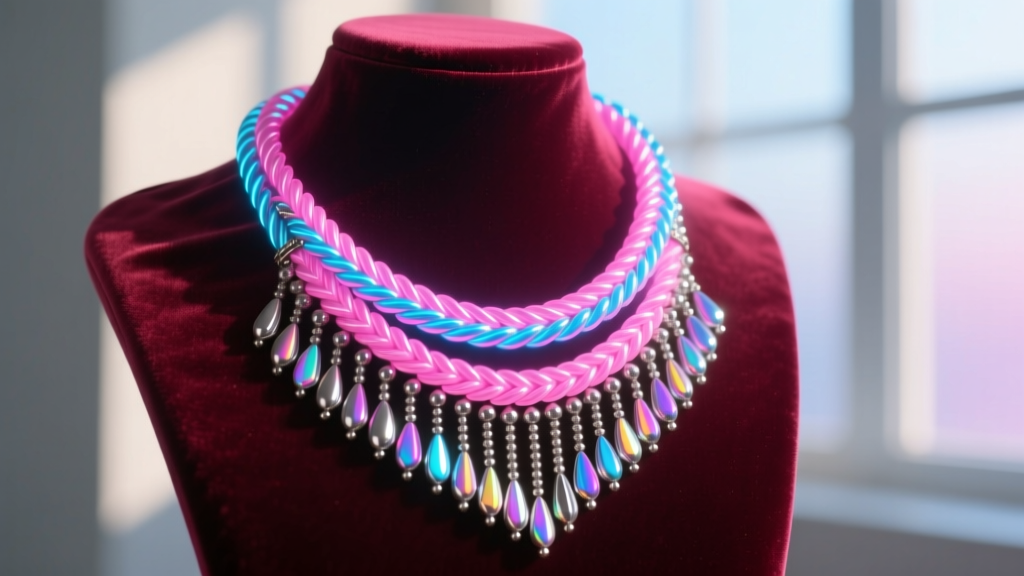
2. Cyber-Y2K Tubular Herringbone & Heavy Fringe
On the opposite end of the spectrum is the Cyber-Y2K aesthetic, which embraces hyper-reflective materials and exaggerated silhouettes. This style relies heavily on tubular Ndebele (herringbone) stitch to create thick, flexible ropes. The 2026 iteration of this trend utilizes metallic-lined and galvanized seed beads (such as Miyuki's Permanent Finish line) that catch ambient light. The defining feature is the "liquid fringe"—long, heavy drops of size 11/0 seed beads and 4mm glass drops that create a weighted, swinging motion. To support the weight of 3-inch fringe drops without snapping the base thread, makers are reinforcing the herringbone base with a core of 24-gauge dead-soft sterling silver wire.
Structural Innovations: Armatures and Wire-Integration
One of the most significant technical leaps in modern seed beads jewelry making is the integration of internal wire armatures. Traditional beadwork relies entirely on thread tension, which limits the piece to draping or lying flat. By weaving over a rigid or semi-rigid core, artisans are creating sculptural collars, standing rings, and self-supporting geometric pendants.
"The integration of memory wire and dead-soft armatures into beadweaving bridges the gap between textile arts and metalsmithing, allowing seed beads to hold architectural shapes that were previously impossible."
- 26-Gauge Dead-Soft Sterling Wire: Ideal for threading directly through the center of tubular peyote or herringbone ropes. It allows the necklace to be bent into a custom collar shape that holds its form on the neck.
- 0.5mm Niobium Wire: Used for creating rigid, lightweight internal frames for geometric brick-stitch pendants. Niobium is hypoallergenic and can be anodized to match the bead colors.
- Memory Wire (Heavy Gauge):strong> Used as a base for multi-row loom-woven seed bead bracelets, eliminating the need for clasps while maintaining structural integrity.
When weaving over wire armatures, tension control is critical. If the thread is pulled too tightly around the wire, the beads will warp and the wire will kink. Makers must employ a "slack-loop" technique, leaving approximately 1mm of thread play between each stitch to allow the wire to bend without snapping the gel-spun thread.
Sourcing and Colorway Forecasting
Sourcing high-quality materials is paramount for artisans selling in the 2026 market. Discerning collectors can easily spot the uneven sizing of lower-tier beads, which ruins the optical illusion of beadwoven fabric. Fire Mountain Gems remains a staple for bulk sourcing, but serious artisans are increasingly buying directly from specialized Japanese importers to access limited-run "duracoat" and "galvanized" finishes that resist tarnishing from skin oils.
Color forecasting for late 2026 indicates a massive surge in "Bio-Luminescent" palettes—translucent seed beads with neon-lined holes (e.g., clear glass with a neon chartreuse interior). These beads interact with ambient UV light and create a glowing effect in low-light environments, making them highly sought after for festival and evening wear. According to Miyuki Co., Ltd., the demand for these specialized lined beads has outpaced production, making early sourcing essential for independent designers planning their holiday collections.
Final Thoughts on the 2026 Beadwork Landscape
The art of seed beads jewelry making has matured into a highly technical, deeply respected discipline. By embracing precision cylinder beads, mastering advanced thread technologies, and integrating structural wire armatures, modern DIY jewelers are creating pieces that rival fine jewelry in both durability and aesthetic impact. Whether you are leaning into the silent elegance of matte micro-peyote or the loud, kinetic energy of metallic herringbone fringe, the key to success in 2026 lies in an uncompromising dedication to material quality and structural engineering.


