Jewelry Making Tools: Carbon vs Stainless Steel Pliers Compared
Compare carbon steel, stainless, and titanium-coated jewelry making tools. Learn which plier material and handle grip suits your wire wrapping needs.

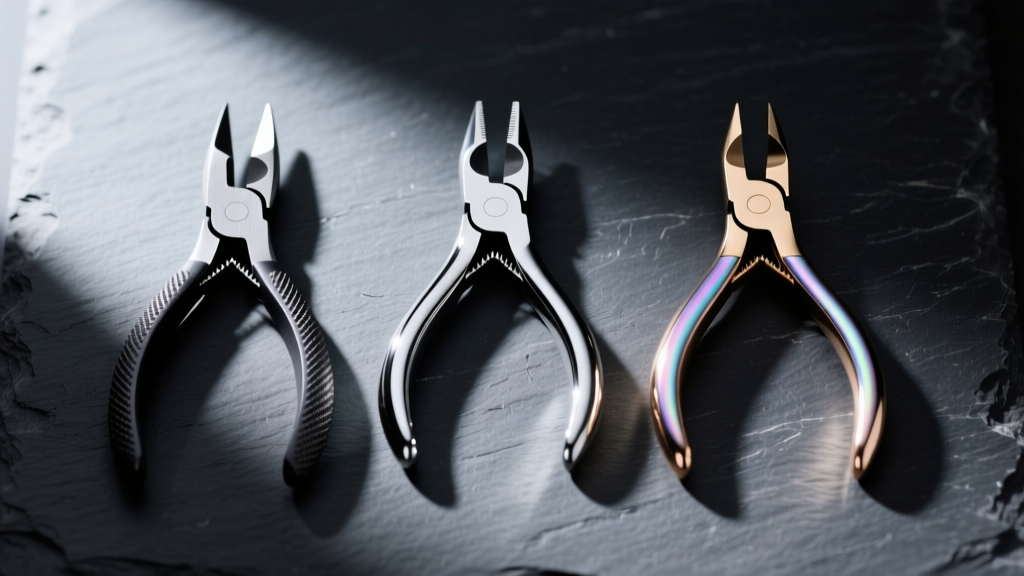
The difference between amateur and professional jewelry making tools isn't just brand prestige or price point; it is fundamentally rooted in metallurgy. When you are bending 18-gauge work-hardened silver or snipping 24-gauge gold-filled wire, the Rockwell hardness of your plier jaws and the structural integrity of your pivot joint dictate your success. Beginners often select jewelry making tools based on aesthetics or budget, only to experience jaw misalignment, rolled cutter edges, and severe hand fatigue within months. In this deep-dive material comparison, we analyze the specific steel grades, handle polymers, and joint mechanics that define high-performance DIY jewelry tools in 2026.
The Metallurgy of Pliers: Why Steel Grade Matters
The jaw of your pliers and the blades of your flush cutters are subjected to immense localized pressure. The steel alloy used determines how well the tool resists deformation, retains a sharp edge, and withstands environmental corrosion. The two dominant materials in the industry are high-carbon steel and stainless steel, each with distinct crystalline structures and failure modes.
Carbon Steel: The Edge-Retention King
High-carbon steel tools typically boast a Rockwell Hardness Scale (HRC) rating between 55 and 60. This extreme hardness is achieved through higher carbon content (usually 0.6% to 1.0%), which allows the steel to form hard martensite crystals during heat treatment. For flush cutters and end nippers, carbon steel is the undisputed champion. It holds a razor-sharp bevel that cleanly shears dead-soft copper and precious metals without leaving a 'pinch' or burr on the wire end.
However, this hardness comes with a critical vulnerability: carbon steel lacks chromium, making it highly susceptible to oxidation. The natural acids and salts from your skin's sweat will cause surface rust on carbon steel chain-nose pliers within weeks if left un-oiled. Furthermore, because the steel is so hard, it is inherently more brittle. Dropping a carbon steel flush cutter on a concrete floor can easily chip the cutting edge or snap the tip.
Stainless Steel: The Corrosion-Resistant Workhorse
Stainless steel jewelry making tools contain a minimum of 10.5% chromium, which forms a passive, self-healing oxide layer on the surface. This makes them virtually impervious to rust, an essential property for chainmaille weavers who work in humid environments or jewelers who frequently use chemical patinas and liver of sulfur. Most premium stainless tools, like those from Rio Grande, are forged from 420 or 440-grade stainless steel.
The trade-off for corrosion resistance is a lower HRC rating, typically hovering between 45 and 50. While this makes the tool tougher and less prone to chipping if dropped, it means the cutting edges will dull and roll much faster than carbon steel. Using stainless steel flush cutters on hardened steel wire (like memory wire or titanium) will instantly destroy the blade edge. Therefore, stainless steel is best reserved for gripping, bending, and weaving rather than heavy-duty cutting.
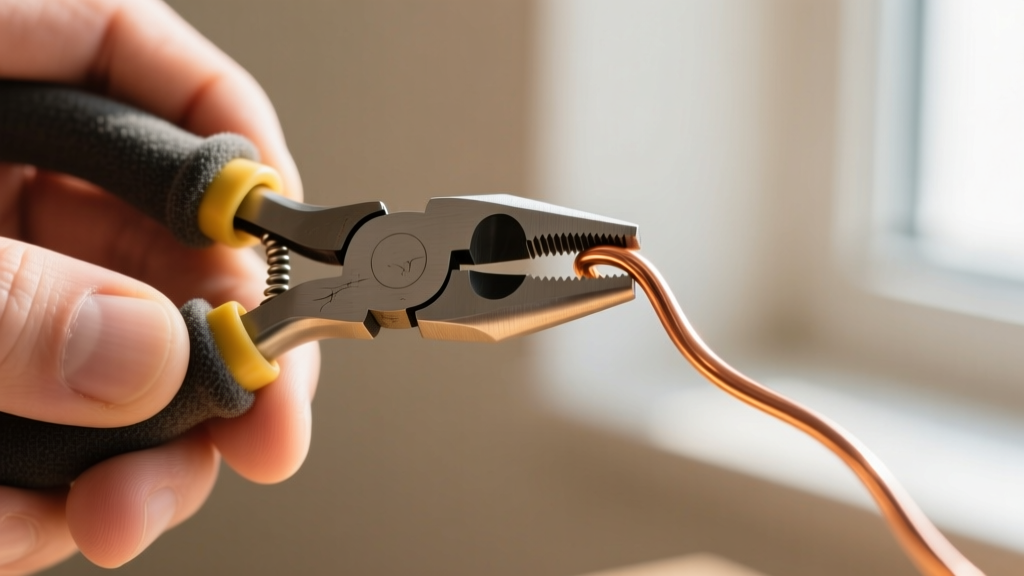
Material Showdown: Hardness, Edge Retention, and Price
To help you allocate your budget effectively, here is a direct comparison of the three primary steel treatments found in modern jewelry making tools.
| Material Grade | Hardness (HRC) | Edge Retention | Corrosion Resistance | Avg. Price Range | Best Application |
|---|---|---|---|---|---|
| High-Carbon Steel | 55 - 60 | Excellent | Poor (Requires Oiling) | $15 - $35 | Flush cutting, heavy wire shaping |
| Stainless Steel (420/440) | 45 - 50 | Fair to Good | Excellent | $25 - $50 | Chainmaille, wet environments, gripping |
| Titanium-Coated / Carbide | 60 - 65+ | Superior | Excellent | $45 - $90+ | Production cutting, hardened alloys |
Handle Materials and Ergonomics: Beyond the Jaw
While the steel jaw does the work, the handle transfers the kinetic energy from your hand. Repetitive strain injuries (RSI) and carpal tunnel syndrome are occupational hazards in wire wrapping and bead stringing. The material coating your handles drastically alters grip friction, shock absorption, and overall fatigue.
- PVC Dip-Coated Handles: The industry standard for budget and mid-tier tools. They provide a basic non-slip grip and protect the carbon steel from hand sweat. However, PVC hardens over time, offers zero shock absorption, and can cause blistering during long production runs.
- Ergonomic Foam / TPR (Thermoplastic Rubber): Found on premium brands like Wubbers or Lindstrom. These dual-injection handles feature a rigid inner core wrapped in a micro-cellular foam or soft TPR outer layer. They absorb the mechanical shock of cutting thick gauge wire and distribute pressure evenly across the palm, significantly reducing fatigue.
- Bare Metal / Polished Steel: Preferred by some traditional silversmiths for maximum tactile feedback and precise control. They offer no shock absorption and become slippery if your hands sweat, making them unsuitable for high-volume wire wrapping.
Joint Mechanics: Lap vs. Box Joints
The pivot joint is the heart of any plier. When you apply 40 pounds of squeezing pressure to bend a 14-gauge jump ring, the joint bears the brunt of the torsional stress.
Lap Joints are created by forging a recess in each handle and overlapping them, secured by a rivet. They are cheaper to manufacture but inherently possess lateral 'play' or wobble. Over time, the rivet stretches, and the jaws will misalign, causing chain-nose pliers to cross over each other and fail to grip fine wire securely.
Box Joints are the hallmark of professional-grade jewelry making tools. One handle is forged with a hollow 'box' that the other handle passes completely through, secured by a precision-machined pin. This interlocking geometry completely eliminates lateral wobble, ensuring the jaws meet perfectly flush every single time. According to metallurgical guides on Ganoksin, box joints maintain their tolerance up to five times longer than lap joints under heavy production use.
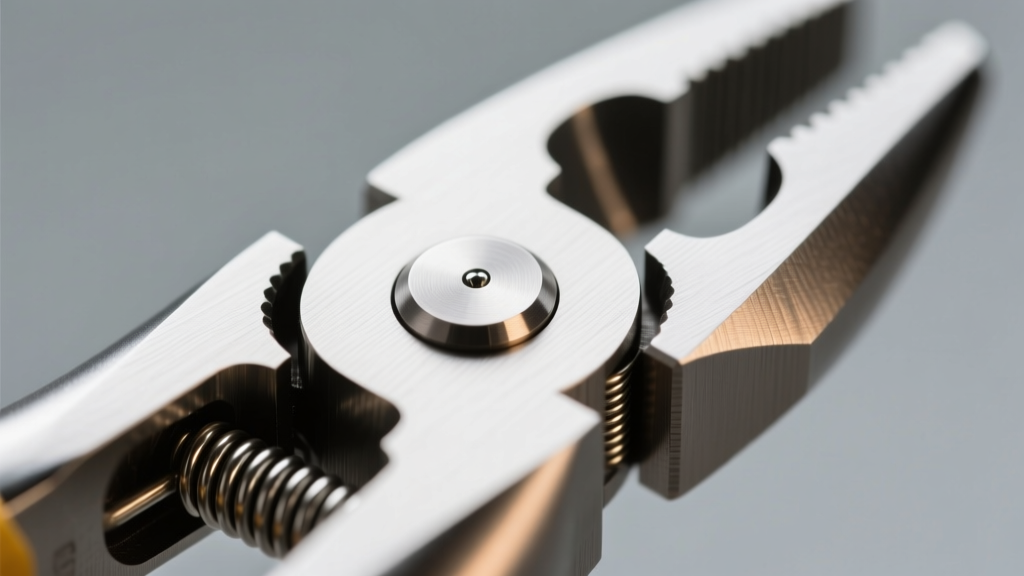
Jaw Surfaces: Serrated, Smooth, and Delrin Inserts
The surface texture of your plier jaws dictates what materials you can safely manipulate. Serrated jaws feature cross-hatched teeth designed to grip stubborn, thick wire or jump rings without slipping. However, these teeth will severely mar and scratch soft metals like 24k gold, dead-soft argentium silver, and anodized niobium.
For wire wrapping and precious metal work, smooth, polished jaws are mandatory. Yet, even polished steel can leave micro-scratches on highly reflective surfaces. This is where Delrin (Acetal) or Nylon jaw inserts become invaluable. These replaceable polymer pads snap onto your steel pliers, providing a high-friction, completely non-marring surface that grips wire securely without leaving a single blemish. As noted in educational resources by Fire Mountain Gems, keeping a dedicated pair of nylon-jaw pliers on your bench is the single most effective way to reduce finishing and polishing time.
Building Your Toolkit: A Practical Decision Framework
Do not buy a massive 20-piece tool set; most will be low-grade carbon steel with lap joints that will frustrate you. Instead, curate a specialized kit based on your specific discipline:
- For Wire Wrapping & Precious Metals: Invest in box-joint, smooth-jaw chain-nose and round-nose pliers (carbon or stainless). Add a dedicated pair of Delrin-insert nylon jaw pliers for pulling loops, and a high-HRC carbon steel flush cutter reserved exclusively for soft wires (copper, silver, gold-filled).
- For Chainmaille & Jump Rings: Prioritize stainless steel chain-nose and bent-nose pliers. The stainless steel resists the corrosive salts from handling thousands of rings, and the box-joint ensures you can grip tiny 22-gauge rings without the tips crossing.
- For Memory Wire & Hardened Alloys: Never use your standard flush cutters. Purchase a dedicated, heavy-duty memory wire cutter with carbide or titanium-coated blades (HRC 60+). Using standard tools on memory wire will instantly dent the cutting bevel, ruining the tool for soft wire.
Expert Insight: The 'spring' in your pliers matters. Look for tools with a torsion spring (a single flat leaf spring) rather than a dual compression coil spring. Torsion springs provide a smoother, more consistent return action and rarely pop out of place during aggressive bending maneuvers.
Maintenance Protocols for Maximum Tool Lifespan
Even the most expensive titanium-coated jewelry making tools will fail if neglected. After every bench session, wipe down carbon steel tools with a silicone-treated cloth to remove skin oils and metal dust. Apply a microscopic drop of synthetic pivot oil (like 3-in-One or specialized tool oil) directly into the box joint to prevent internal friction and rust.
Store your tools in a dry environment. For long-term storage, place your carbon steel pliers inside VCI (Volatile Corrosion Inhibitor) ziplock bags, which emit a harmless vapor that neutralizes oxidation on the metal surface. By understanding the material properties of your tools and matching them to your specific workflow, you transform your bench from a source of frustration into a precision extension of your own hands.