STMT Jewelry Kit Review: 2026 Trend Analysis & Hacks
Is the STMT jewelry kit worth the hype in 2026? We analyze material quality, cost-per-wear, and share pro DIY hacks to upgrade your kits.

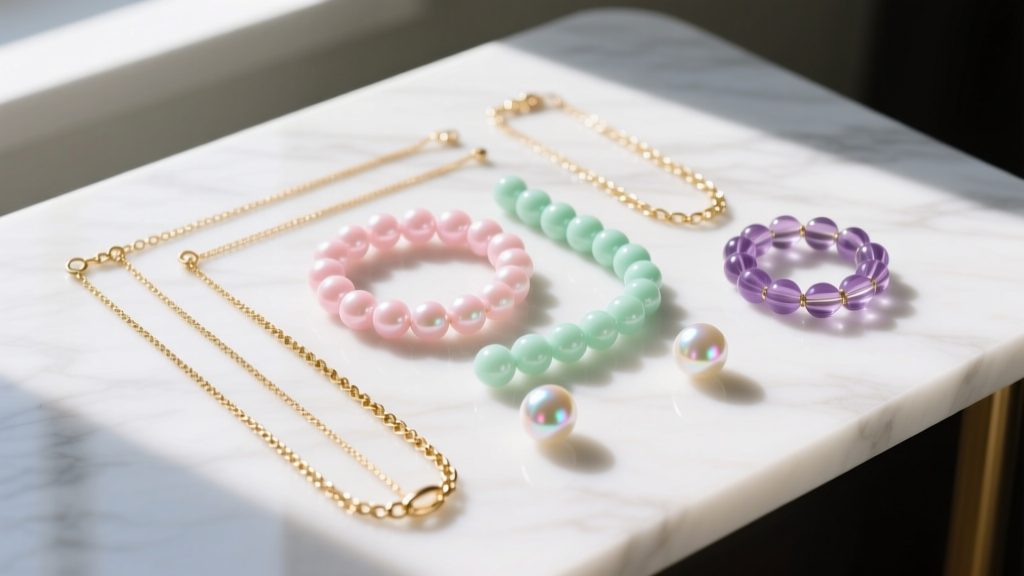
The landscape of DIY jewelry making has undergone a massive transformation over the last few years, shifting from niche lapidary hobbies to mainstream, aesthetic-driven experiences. At the forefront of this movement is the curated, boxed experience. When evaluating the average stmt jewelry kit, you are not just looking at beads and wire; you are looking at a microcosm of 2026's broader fashion trends, where personalization, Y2K nostalgia, and the 'coquette' aesthetic collide. But as satisfying as the unboxing experience may be, how do these commercial kits hold up under the scrutinizing eye of a professional jeweler? In this comprehensive trend analysis, we dissect the metallurgy, economics, and structural integrity of modern curated kits, and provide actionable hacks to elevate your DIY creations from craft-fair quality to boutique-ready.
The 2026 Curated Kit Phenomenon
The appeal of the modern jewelry kit lies in the elimination of 'blank canvas paralysis.' Sourcing components from wholesale suppliers can be overwhelming for beginners. Brands have capitalized on this by offering pre-coordinated color palettes, trending charm motifs (think celestial bodies, cherries, and initial pendants), and pre-cut lengths of chain. In 2026, the trend is heavily skewed toward layered, semi-permanent looks that mimic the high-end permanent jewelry craze, but with the flexibility of removable clasps. The stmt jewelry kit perfectly encapsulates this trend, offering a tactile, screen-free hobby that results in highly shareable, personalized accessories. However, the convenience of curation often masks significant compromises in material longevity and hardware quality.
Material Breakdown: Metallurgy & Bead Quality
To truly understand the value proposition of any commercial kit, we must look at the molecular level. Most mass-market kits utilize gold-plated brass or zinc alloy chains and findings. The gold layer on these components is typically achieved through flash plating, meaning the gold thickness is often less than 0.1 microns. While this provides a brilliant initial shine, it lacks the structural durability to withstand the acidic pH of human sweat, lotions, and environmental humidity. Within weeks of daily wear, the brass base metal begins to oxidize, resulting in the dreaded green skin effect and flaking finish.
Furthermore, the beads included in these kits are predominantly acrylic or resin. While acrylic allows for vibrant, opaque colors and playful letter beads, it is highly susceptible to micro-scratches and UV yellowing over time. In contrast, professional DIY makers lean heavily on Czech fire-polished glass or Swarovski-equivalent precision-cut crystal, which maintain their refractive index and surface luster indefinitely.
The Clasp & Chain Conundrum
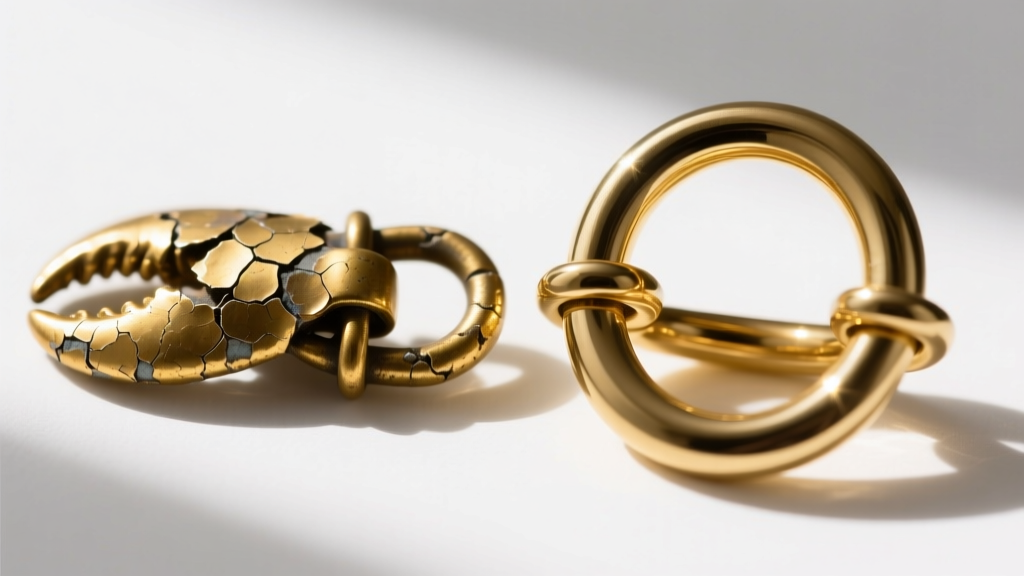
The weakest point of failure in almost every beginner kit is the clasp assembly. Standard kits include lightweight, hollow-stamped lobster clasps and thin, unsoldered jump rings. If a wearer snags their bracelet on a sweater, the thin wire of the jump ring will easily pull apart, losing the piece. Upgrading to soldered jump rings and solid-cast clasps is the single most impactful change a DIY maker can make.
| Component | Standard Kit Spec | Pro-DIY Upgrade | Longevity Impact |
|---|---|---|---|
| Chain Material | Gold-plated brass (0.1μm) | 14/20 Gold-Filled (5% gold by weight) | Increases lifespan from 2 months to 5+ years. |
| Jump Rings | 20-gauge, unsoldered brass | 18-gauge, soldered sterling silver | Prevents accidental unhooking and loss of charms. |
| Crimp Beads | Soft base metal, prone to cracking | 2mm Sterling Silver or Gold-Filled tubes | Ensures secure grip on beading wire without shearing. |
| Stringing Wire | 7-strand nylon-coated steel | 49-strand, 0.018-inch SoftFlex | Provides superior drape and kink-resistance. |
The Economics: Curated Convenience vs. Wholesale Sourcing
Let us break down the financial reality of the curated kit versus traditional sourcing. A premium boxed kit typically retails between $35 and $50, yielding enough materials to create roughly three bracelets and one pair of simple drop earrings. This brings the cost-per-piece to approximately $12.50. You are paying a premium for the curation, the packaging, and the instructional design.
Conversely, if you source components from authoritative wholesale suppliers like Fire Mountain Gems or Rio Grande, the initial investment is higher, but the yield is exponential. For $60, a maker can purchase a 10-foot spool of 14/20 gold-filled chain, a strand of high-grade glass pearls, sterling silver lobster clasps, and a pack of 14k gold-filled crimp tubes. This wholesale haul can easily produce 15 to 20 high-quality pieces, dropping the cost-per-piece to under $4.00. For the casual hobbyist who wants a fun Friday night activity, the kit is a justifiable expense. For the aspiring entrepreneur or serious enthusiast, wholesale sourcing is the only mathematically viable path.
Pro Hacks: Upgrading the Kit
If you already own a kit or prefer the convenience of pre-selected color palettes, you do not need to throw away the components. Instead, employ the 'Hybrid Approach' by swapping out the structural hardware while keeping the aesthetic focal beads. Here is how to professionally upgrade your next project:
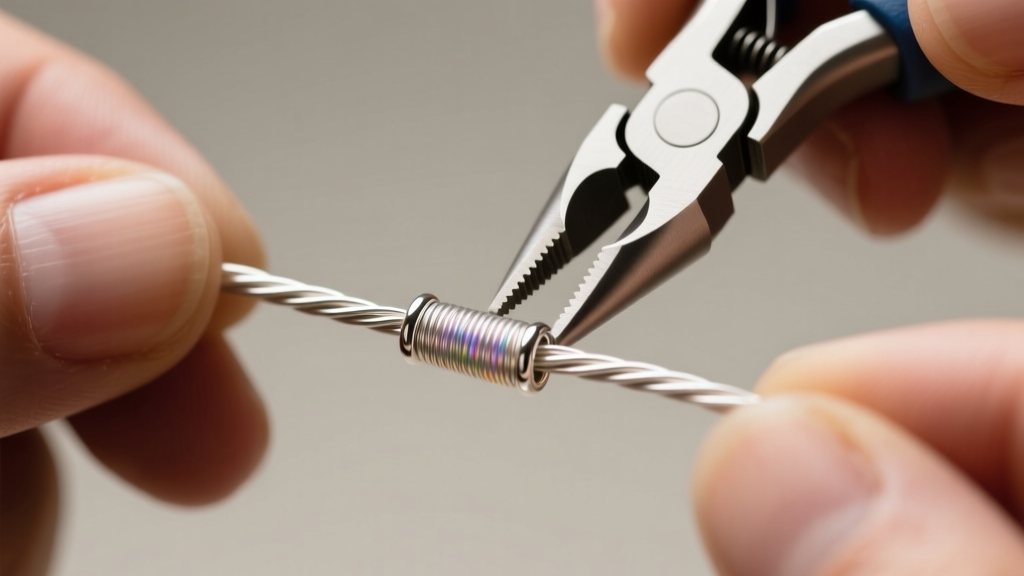
- Ditch the Base Metal Crimps: The soft, base-metal crimp beads included in most kits are notorious for cracking when compressed. Discard them. Instead, purchase 2mm x 2mm sterling silver or 14k gold-filled crimp tubes. Precious metals are malleable enough to fold securely without snapping.
- Invest in a Micro-Crimping Tool: Never use flat-nose pliers to simply smash a crimp bead flat; this creates sharp, folded edges that will eventually slice through your nylon-coated stringing wire. Use a specialized micro-crimping plier to fold the tube into a rounded bead shape, encasing the wire safely inside. You can find excellent ergonomic tools at Halstead Bead.
- Master the Jump Ring Twist: When attaching your upgraded clasps to the chain, never pull the jump ring apart laterally (like opening a door). This ovalizes the ring and weakens the metal's memory. Always use two pairs of flat-nose pliers to twist the ends of the ring in opposite directions (north/south), and twist them back together for a seamless, secure closure.
- Upgrade the Stringing Medium: If the kit includes a stiff, wire-like stringing material, swap it for a 49-strand, 0.018-inch diameter nylon-coated stainless steel beading wire. The 49-strand construction provides a supple, thread-like drape that makes bracelets feel luxurious and high-end on the wrist.
Style Forecasting: What to Make in 2026
Trend analysis indicates a strong pivot toward 'asymmetric maximalism' and mixed-metal layering. Rather than creating perfectly symmetrical beaded strands, 2026's top DIY aesthetics involve clustering charms and glass pearls on one side of a delicate chain, leaving the other side bare. Additionally, mixing silver-toned and gold-toned findings in a single piece is no longer a faux pas; it is a hallmark of contemporary, curated styling. Use your kit's charms but intersperse them with raw, unpolished brass spacer beads and high-shine silver chains to create a textured, vintage-inspired look that feels deeply personal and effortlessly modern.
Final Verdict: Style vs. Substance
The modern curated kit is a triumph of marketing and aesthetic curation, successfully lowering the barrier to entry for jewelry making and providing a highly enjoyable, tactile experience. It is an excellent gift, a fantastic party activity, and a great way to test out color combinations without committing to bulk purchases. However, from a strict materials science and longevity perspective, the hardware provided is inherently disposable.
The Professional's Takeaway: Treat commercial kits as 'design prototypes.' Use them to experiment with bead patterns, charm placements, and color theory. Once you have finalized a design you love, recreate it using 14/20 gold-filled wire, sterling silver findings, and precision-cut glass beads sourced from dedicated jewelry suppliers. This hybrid methodology gives you the best of both worlds: the playful inspiration of a curated box, and the heirloom durability of professional bench jewelry.
By understanding the metallurgical limitations of mass-market kits and applying professional bench techniques to your DIY workflow, you can transform a simple craft project into a durable, boutique-quality accessory that withstands the test of time and trend cycles.


