Fast Fix Jewelry and Watch Repairs in Stonebriar Centre: Expert Review
An expert technical review of Fast Fix Jewelry and Watch Repairs in Stonebriar Centre, covering laser welding, watch resealing, and metallurgy.

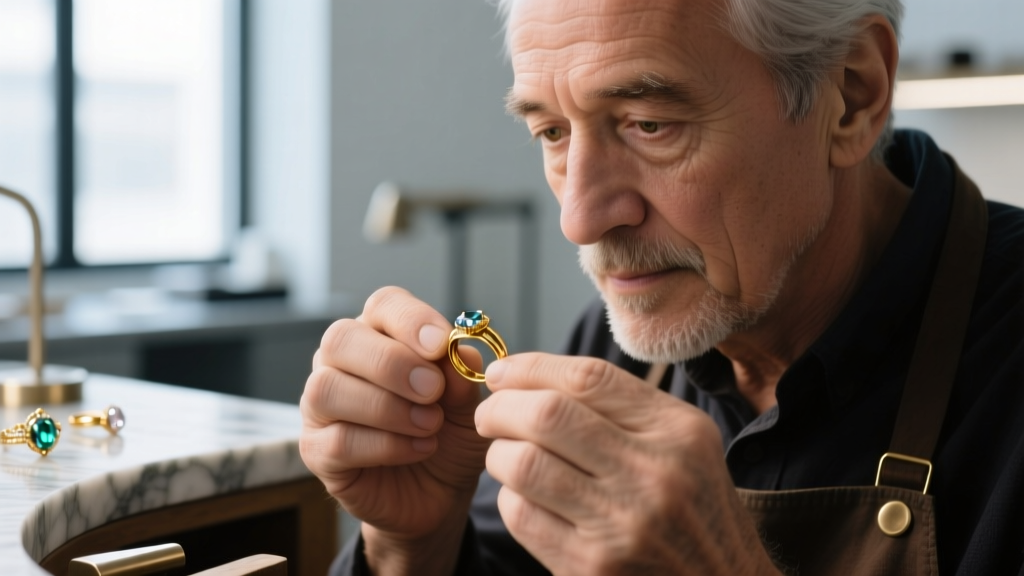
When evaluating the technical landscape of jewelry restoration in the Dallas-Fort Worth metroplex, consumers are often forced to choose between high-end private bench jewelers and accessible retail kiosks. For residents in Fairview and surrounding areas, the Fast Fix Jewelry and Watch Repairs in Stonebriar Centre represents a high-volume, accessible node for urgent repairs. But what actually happens metallurgically and horologically when you hand over a fractured PT950 platinum shank or a flooded luxury timepiece at this specific location?
As a senior technical evaluator, I am stripping away the retail veneer to provide an expert deep dive into the capabilities, material constraints, and technical realities of the repair services offered at this Stonebriar hub. Whether you are resizing an heirloom or resealing a dive watch, understanding the bench-level mechanics is critical to protecting your assets.
Nd:YAG Laser Welding vs. Traditional Torch Soldering
The cornerstone of modern, high-stakes jewelry repair is the Nd:YAG (Neodymium-doped Yttrium Aluminum Garnet) laser welder. At a busy hub like the Stonebriar Centre location, laser welding is not just a luxury; it is a metallurgical necessity for specific alloys. Traditional torch soldering relies on capillary action and filler metals (solders) that melt at lower temperatures than the base metal. For 14k and 18k yellow gold, this is highly effective. However, when repairing platinum (PT950) or titanium, torch soldering poses severe risks of thermal shock, gemstone burning, and structural porosity.
Laser welding utilizes concentrated light pulses—typically with a pulse width adjustable between 0.5ms and 20ms—to melt the base metal directly without requiring a filler rod. This localized heat affect zone (HAZ) is microscopic. If you bring a cracked platinum ring to this Fast Fix location, the bench jeweler should be utilizing a laser welder set to a high peak power and short pulse duration to fuse the platinum seamlessly. This prevents the annealing (softening) of the surrounding work-hardened metal, preserving the structural integrity of the ring shank. Always verify that your repair ticket explicitly states 'laser weld' for platinum and titanium pieces, as improper torch work can permanently compromise the alloy's density.
Horological Services: Battery Swaps and Gasket Resealing
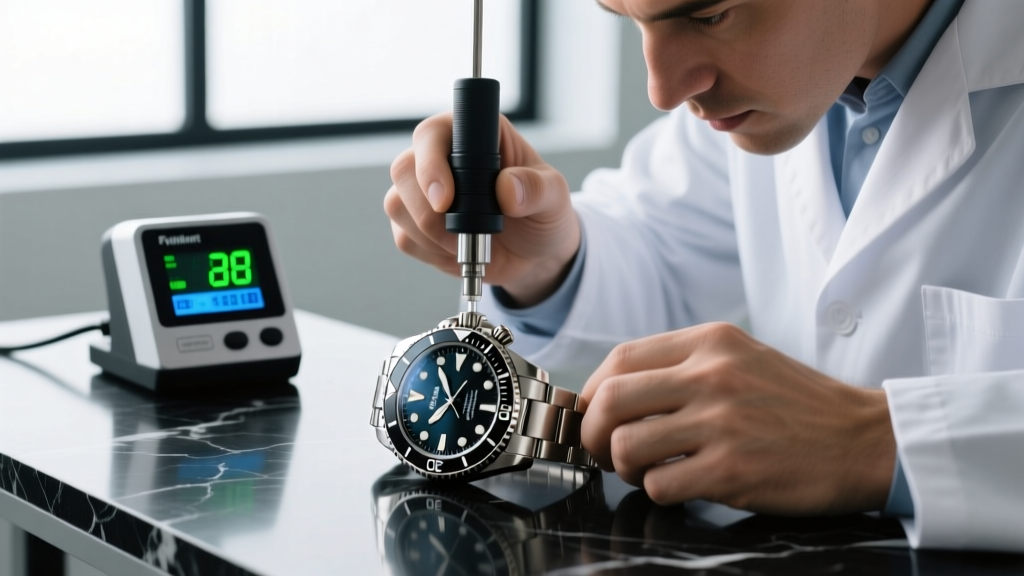
Watch repair at high-traffic mall centers often gets a bad reputation due to the prevalence of 'battery-only' swaps that ignore crucial water-resistance protocols. A technical audit of watch servicing requires looking at the gaskets and the testing equipment. When a timepiece is opened to replace a standard silver-oxide battery (such as a Renata 371 or 395), the factory-applied silicone grease on the O-rings is inevitably disturbed or degraded.
True horological maintenance involves replacing the case-back gasket, and ideally the crown and pusher gaskets, using Viton (a fluoroelastomer) or high-grade Buna-N (nitrile) rubber. Viton is highly resistant to the chemical breakdown caused by skin oils and UV exposure. Furthermore, according to the American Watchmakers-Clockmakers Institute (AWCI), any watch claiming water resistance must undergo a dry pressure test using a machine that measures case deformation under vacuum and positive pressure (typically testing to 3 ATM or 5 ATM depending on the manufacturer's rating). When utilizing the watch repair services in Stonebriar, insist on a printed pressure test receipt. If the kiosk lacks a digital water-resistance tester, your watch is no longer sealed against moisture ingress, which will rapidly corrode the copper-nickel alloys inside a standard quartz movement.
The Metallurgy of Ring Sizing and Prong Retipping
Ring sizing is frequently dismissed as a simple cut-and-solder job, but the technical execution dictates the longevity of the piece. Sizing a ring up by more than half a size requires stretching or adding a new piece of metal. If adding metal, the bench jeweler must use the correct grade of solder. Gold solders are categorized by their melting points: Hard (approx. 1450°F), Medium (1350°F), and Easy (1250°F). A master jeweler will use Hard or Medium solder for the primary structural joint to ensure the seam does not melt if the ring requires future resizing or stone setting.
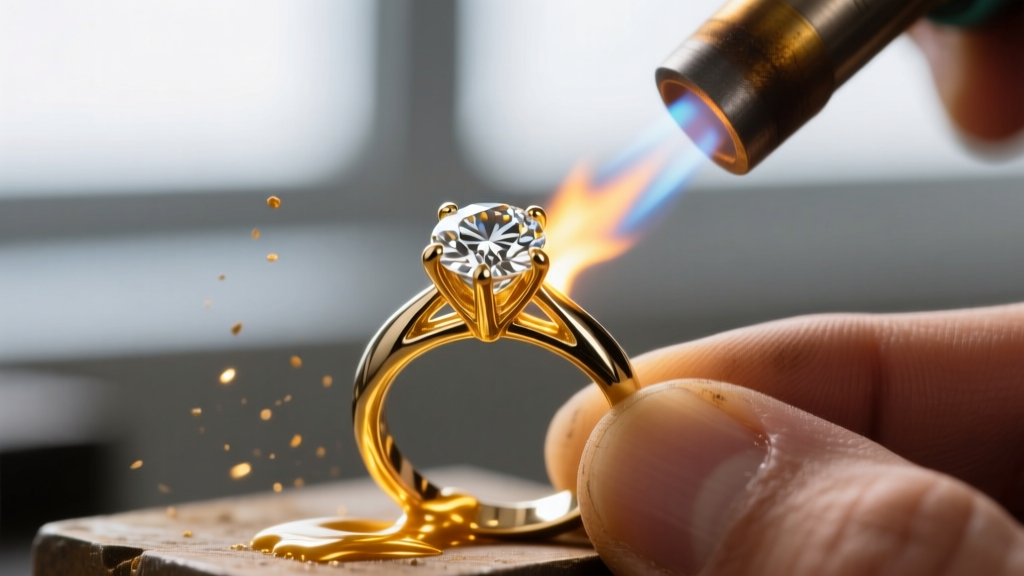
Prong retipping is another area demanding technical precision. As noted by the Gemological Institute of America (GIA), worn prongs are the leading cause of diamond loss. Retipping involves adding a small bead of gold or platinum wire to the worn prong and shaping it to secure the gemstone's girdle. For diamond rings, the stone can usually withstand the heat of a torch if properly protected with boric acid and alcohol. However, if your ring features emeralds, opals, or fracture-filled diamonds, the heat will destroy the stone. In these cases, laser welding is mandatory to build up the prong without transferring fatal heat to the gemstone.
Technical Service Matrix & Pricing Framework
Below is an estimated technical matrix for standard repairs you might seek out at a high-volume center like Stonebriar. Pricing reflects the technical complexity and material costs associated with professional-grade execution.
| Repair Type | Technical Method | Material Constraints | Estimated Price Range |
|---|---|---|---|
| Platinum Shank Repair | Nd:YAG Laser Welding | PT950/PT900 only; no filler | $85 - $150 |
| Watch Reseal & Battery | Viton Gasket + Dry Test | Excludes screw-down crowns | $45 - $75 |
| 14k Gold Ring Sizing | Cut, Add Metal, Hard Solder | Max 2 sizes up/down | $60 - $110 |
| Diamond Prong Retipping | Torch or Laser + Filing | Not for heat-sensitive gems | $35 - $60 per prong |
| Chain Soldering (Micro) | Laser Pulse / Micro-Torch | Hollow chains highly prone to melting | $40 - $80 |
Knowing the Limits: When to Escalate to a Master Bench
While the convenience of Fast Fix Jewelry and Watch Repairs in Stonebriar Centre is undeniable for standard maintenance, sizing, and basic quartz watch care, consumers must recognize the structural limits of a mall-based kiosk. Complex mechanical watch overhauls—such as disassembling, cleaning, and oiling an ETA 2824-2 or a Rolex 3135 automatic movement—require a dust-free environment, specialized timing machines, and days of bench time. These should always be routed to a dedicated, independent master watchmaker.
Similarly, antique jewelry featuring enamel work, fragile micro-pave settings, or heavily oxidized silver requires specialized chemical baths and low-heat techniques that are difficult to manage in a high-throughput retail environment. By understanding the exact technical parameters of laser welding, gasket materials, and solder grades, you can effectively communicate with the bench jewelers at Stonebriar, ensuring your precious metals and gemstones receive the precise metallurgical care they demand.


