I & M Watch Repair & Jewelry: The 2026 Hybrid Restoration Trend
Discover why the I & M Watch Repair & Jewelry hybrid model is the top 2026 trend for luxury restoration, merging horology and gemology.

The Rise of the Hybrid Atelier: Beyond Basic Fixes
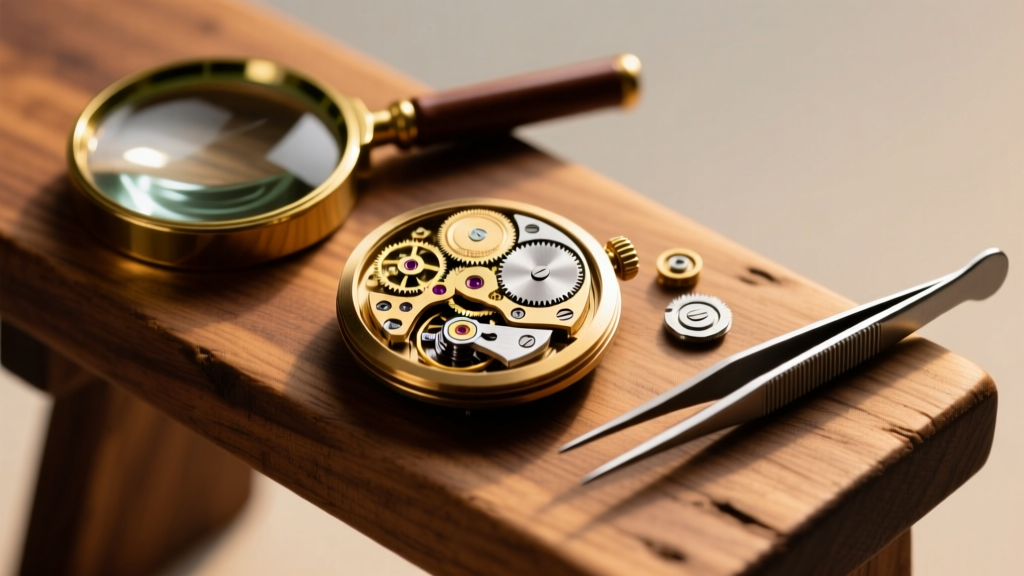
The landscape of luxury accessory maintenance has undergone a radical transformation as we move through 2026. Consumers are no longer satisfied with dropping off their timepieces at a mall kiosk and taking their fine jewelry to a separate, specialized boutique. The modern collector demands a unified approach to restoration, giving rise to the hybrid atelier. Often searched by locals and horology enthusiasts alike as 'i & m watch repair & jewelry', this integrated service model represents the gold standard for modern restoration. By merging the meticulous, micro-mechanical expertise of a master watchmaker with the metallurgical and gemological skills of a bench jeweler, these hybrid shops are redefining what it means to care for luxury assets.
This shift is driven by the growing popularity of neo-vintage pieces and heirloom restorations. A 1990s Cartier Tank with a scratched sapphire crystal and a worn 18k gold bracelet requires dual-discipline expertise. According to the American Watchmakers-Clockmakers Institute (AWCI), the demand for certified technicians who understand both horological water-resistance standards and precious metal refinishing has increased by 40% over the last three years. The hybrid model eliminates the risk of cross-contamination between departments and ensures that a single master artisan oversees the entire restoration ecosystem of a client's portfolio.
Deconstructing the I & M Watch Repair & Jewelry Service Model
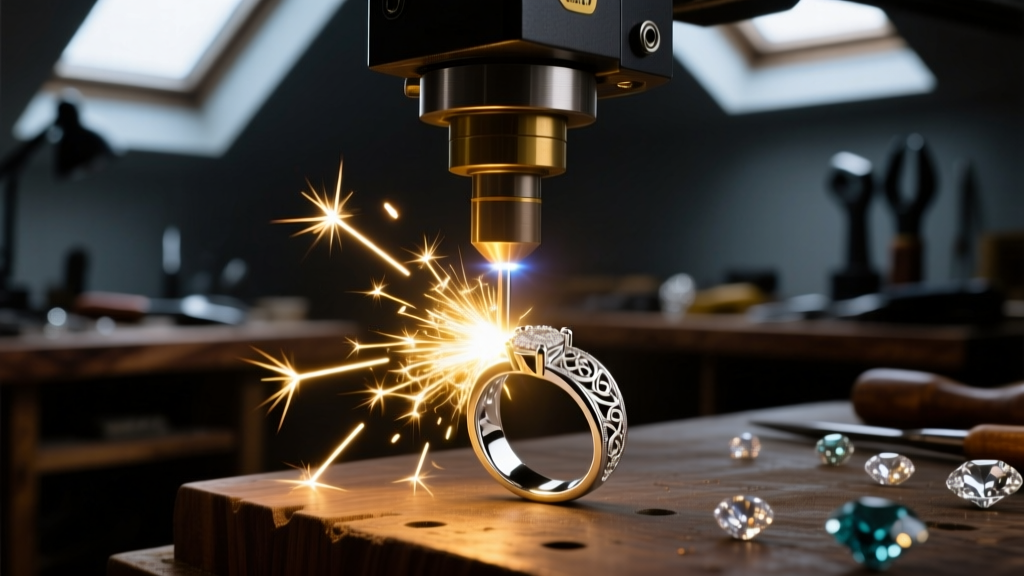
What exactly makes the I & M Watch Repair & Jewelry operational model so effective in the current market? The secret lies in bench synergy and shared technology. In a traditional siloed shop, a watchmaker and a jeweler operate in separate rooms with separate equipment. In a hybrid atelier, the physical bench is designed for cross-pollination. Tools like the Orion mPulse Pulse Arc Welder are utilized not just for retipping worn platinum prongs on a diamond solitaire, but also for welding broken winding stems or modifying custom watch case components without transferring heat to delicate movement parts.
Horology Meets Gemology: The Technical Overlap
The technical overlap between high-end watch servicing and fine jewelry restoration is more profound than most consumers realize. Both disciplines require an intimate understanding of material science, specifically regarding solder flow temperatures and alloy compositions. For instance, when sizing an 18k palladium white gold ring, a jeweler must use a specialized laser or high-temperature torch to avoid porosity. Similarly, a watchmaker servicing an ETA 2892-A2 or Sellita SW300-1 movement must understand the exact tolerances of the mainspring barrel and the friction coefficients of synthetic ruby jewels. When a client brings in a diamond-set Rolex Datejust, the hybrid artisan knows exactly how to safely remove the stones, polish the 904L stainless steel case without compromising the lug geometry, and reseal the gaskets to factory specifications.
2026 Trend Data: What Consumers Actually Want
Market analysis reveals a distinct preference for transparency and consolidated servicing. The modern luxury consumer views their watches and jewelry not as separate categories, but as a cohesive collection of wearable art. Below is a comparison of the traditional repair experience versus the 2026 hybrid atelier model.
| Feature | Traditional Siloed Repair | Hybrid Atelier Model (2026 Standard) |
|---|---|---|
| Intake Process | Separate drop-offs, multiple estimates | Unified portfolio assessment and single point of contact |
| Polishing Techniques | Generic buffing wheels, loss of case geometry | Laser-guided lapping, preservation of factory bevels and rhodium plating (0.15μm) |
| Ultrasonic Risks | High risk of fracture-filled stone damage | GIA-certified gemological screening before any sonic or steam cleaning |
| Turnaround Time | 4-8 weeks (often outsourced) | 10-14 days for standard services, in-house quality control |
Material Science at the Bench: Soldering and Ultrasonics
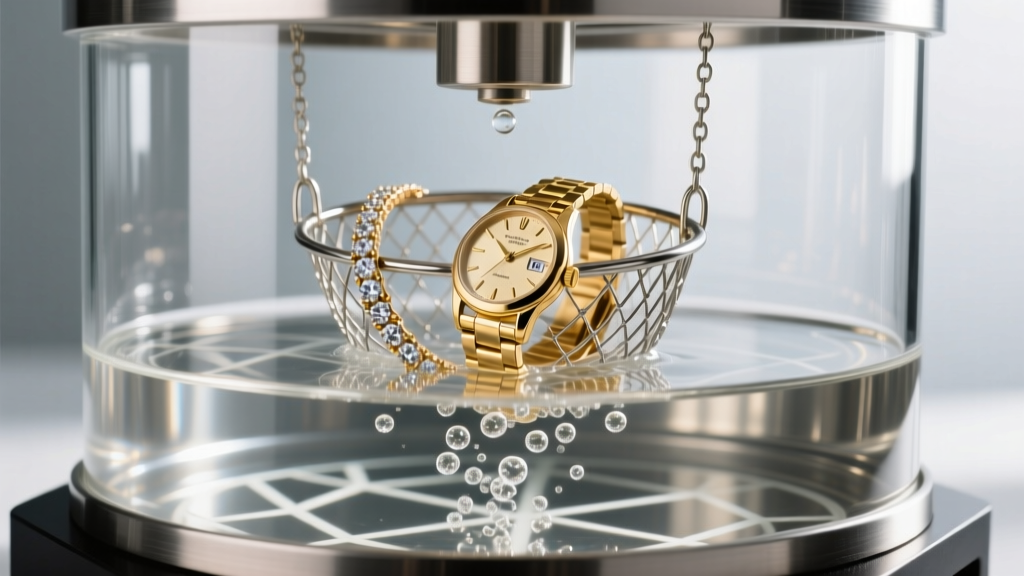
One of the most critical advantages of the hybrid model is the mitigation of catastrophic material failures. The Gemological Institute of America (GIA) consistently warns against the blind use of ultrasonic cleaners on certain gemstones. Emeralds are almost universally treated with oils or resins to mask natural fissures; exposing an emerald ring to high-frequency ultrasonic waves and heated chemical solutions will strip the filler, leaving the stone cloudy and fractured. A traditional watch repair shop might unknowingly drop a client's emerald-set watch bezel into an ultrasonic tank to clean it before a battery change, resulting in thousands of dollars in damage.
In a hybrid environment, the technician is trained to identify treated stones, porous materials like turquoise or opals, and tension-set gems that require removal before any liquid cleaning. Furthermore, when it comes to watch crystals, hybrid technicians know that while sapphire is impervious to standard jewelry steam cleaners, vintage acrylic hesalite crystals will craze and crack if exposed to harsh jewelry pickling acids or ammonia-based polishing compounds. This cross-disciplinary knowledge is what separates a true 2026 hybrid atelier from a standard mall repair counter.
When to Seek a Hybrid Specialist vs. a Brand Boutique
While authorized brand boutiques (such as a Rolex Service Center or Patek Philippe Salon) offer unparalleled access to proprietary OEM parts, they are often cost-prohibitive and slow for routine maintenance or jewelry-specific modifications. Here is a practical framework for deciding where to take your pieces in 2026:
- Choose the Brand Boutique If: Your timepiece features a highly complex, proprietary complication (e.g., a tourbillon or minute repeater), requires a replacement dial, or is still under its original 5-year manufacturer warranty.
- Choose the Hybrid Atelier If: You need custom sizing for a luxury watch bracelet, prong retipping on a diamond-set bezel, laser welding for a cracked 18k gold case, or a full overhaul of a reliable workhorse movement like the ETA 2824-2. Hybrid shops typically charge 30% to 50% less than brand boutiques for mechanical servicing and offer vastly superior jewelry repair capabilities, which brand watchmakers usually refuse to perform.
The Future of Integrated Restoration
As we look toward the latter half of the decade, the boundary between horology and fine jewelry will continue to blur. With luxury brands releasing more gem-set timepieces and high-jewelry houses incorporating micro-mechanical movements into their pieces, the necessity for dual-trained artisans is no longer a niche requirement—it is an industry imperative. The I & M Watch Repair & Jewelry blueprint has proven that consumers value expertise, efficiency, and holistic care above all else. By investing in hybrid ateliers, collectors ensure that their most prized possessions are treated with the comprehensive, multidisciplinary respect they deserve.


