A Beginner's Guide to Choosing a Seashell Jewelry Box
Discover how to choose, style, and protect your treasures with a seashell jewelry box. Learn about materials, anti-tarnish tips, and care routines.

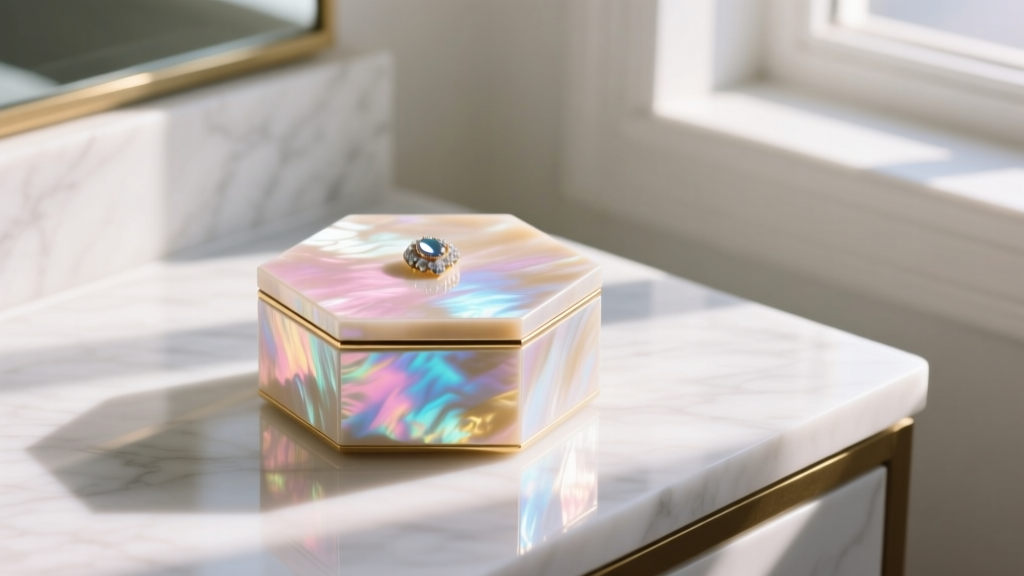
In the world of jewelry organization, few materials offer the timeless, organic elegance of a seashell jewelry box. As interior design trends in 2026 continue to embrace sustainable, nature-inspired textures and coastal minimalism, shell-inlaid storage has moved from a niche souvenir category to a staple of luxury vanities. However, because shells are delicate organic materials composed primarily of calcium carbonate, they require specific care and a keen eye for quality during the purchasing process.
This beginner-friendly guide will walk you through the anatomy of shell boxes, how to distinguish genuine nacre from synthetic imitations, and the exact environmental conditions required to protect both the box and the precious metals stored inside.
The Anatomy of a High-Quality Shell Box
A common misconception among beginners is that a seashell jewelry box is carved from a single, massive shell. In reality, shells are far too brittle and irregular for structural integrity. High-quality boxes are constructed using a veneer technique.
- The Substrate: The core is typically crafted from Baltic birch plywood, medium-density fiberboard (MDF), or kiln-dried mahogany. This provides the necessary weight and prevents warping.
- The Veneer: Thin slices of shell (usually between 0.5mm and 1.5mm thick) are meticulously cut, shaped, and adhered to the substrate.
- The Adhesive: Premium manufacturers use marine-grade epoxy resins that remain flexible enough to handle minor temperature fluctuations without cracking the shell. Cheap alternatives use water-based glues that can cause the shell to delaminate over time.
Pro-Tip: To test if a box is made of real shell or a molded plastic/resin imitation, touch the surface to your cheek or the inside of your wrist. Genuine shell feels distinctly cool to the touch and takes longer to warm to your body temperature than plastic or resin.
Shell Varieties: A Comparative Guide
Not all shells are created equal. The species used dictates the box's iridescence, durability, and price point. According to the Gemological Institute of America (GIA), organic gem materials like nacre require specific handling due to their low hardness on the Mohs scale.
| Shell Type | Mohs Hardness | Average Price Range | Visual Characteristics & Best Use |
|---|---|---|---|
| Capiz Shell | 2.5 - 3.0 | $40 - $90 | Translucent, pearlescent white. Best for everyday, budget-friendly boxes and light-filtering lid panels. |
| Mother of Pearl (Nacre) | 2.5 - 3.0 | $120 - $450+ | Highly iridescent, smooth, classic white/cream. Ideal for heirloom storage and protecting fine pearls. |
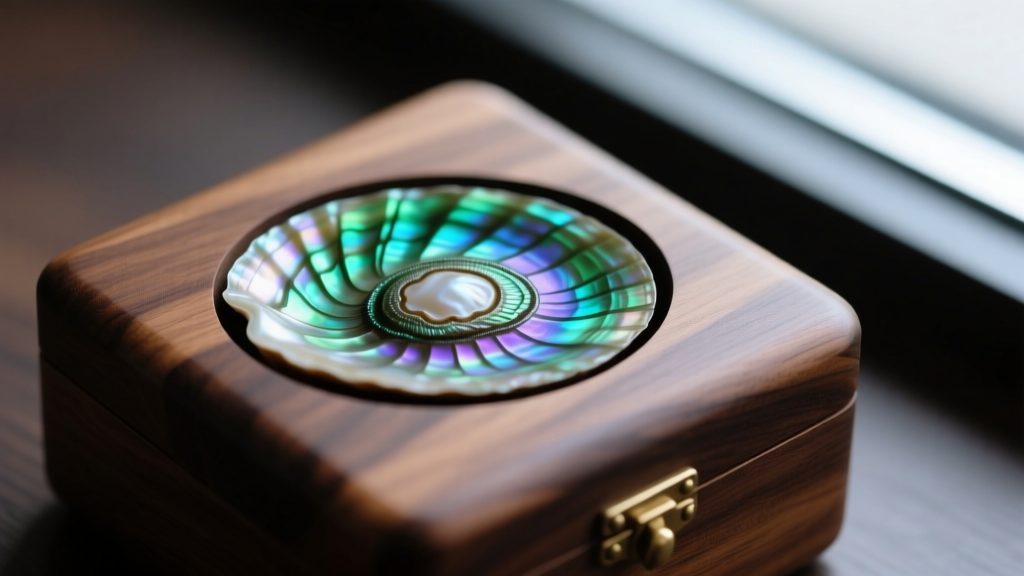
| Abalone | 2.5 - 3.5 | $150 - $600+ | Vibrant flashes of peacock green, blue, and violet. Best for statement dressers and bold, artistic inlays. |
| Crushed Shell Inlay | N/A (Resin bound) | $50 - $120 | Speckled, terrazzo-like appearance. Highly durable and chip-resistant, great for travel cases. |
Evaluating Craftsmanship and Interior Linings
The exterior may catch your eye, but the interior dictates the safety of your jewelry. When evaluating a seashell jewelry box, pay close attention to the hardware and the lining materials.
Hinges and Clasps
Because shell veneers are brittle, the lid must open smoothly without lateral wobble, which can snap the shell edges. Look for solid brass piano hinges or heavy-duty butt hinges. Avoid boxes with glued-on plastic hinges or thin, plated steel hardware that will rust and stain the porous edges of the shell.
The Danger of Acidic Linings
The interior lining is where many mass-produced boxes fail. Cheap synthetic fabrics, particularly polyvinyl chloride (PVC) and low-grade polyurethanes, off-gas volatile organic compounds (VOCs) as they age. These chemical vapors accelerate the tarnishing of sterling silver and can even cause copper alloys to pit. Always seek out boxes lined with untreated cotton, acid-free suede, or unbleached microfiber. If the lining has a strong chemical odor upon opening, it is actively harming your silver jewelry.
Environmental Threats: Humidity and UV Exposure
Shells are biogenic minerals. They are highly sensitive to their environment, meaning where you place your seashell jewelry box is just as important as how you clean it.
Managing Relative Humidity (RH)
Extreme dryness is the enemy of shell veneers. If the ambient relative humidity drops below 35%, the wooden substrate will shrink, but the calcium carbonate shell will not. This differential movement causes the shell to crack or pop off the wood. Conversely, humidity above 65% can cause the wood to swell and promote mold growth on the interior lining. Aim to keep the room's RH between 45% and 55%.
UV Degradation
Prolonged exposure to direct sunlight will bleach the organic proteins within the nacre, causing vibrant abalone and mother of pearl to turn chalky and yellow over time. Always store your box on an interior vanity or inside a drawer, away from direct window glare.
Conservation Note: Never place silica gel desiccant packets directly inside a shell jewelry box. While they control moisture, they can create a micro-environment that is far too dry, leading to rapid delamination of the shell veneer. If you must use them, keep them in a separate, breathable pouch outside the box.
Step-by-Step Cleaning and Maintenance Protocol
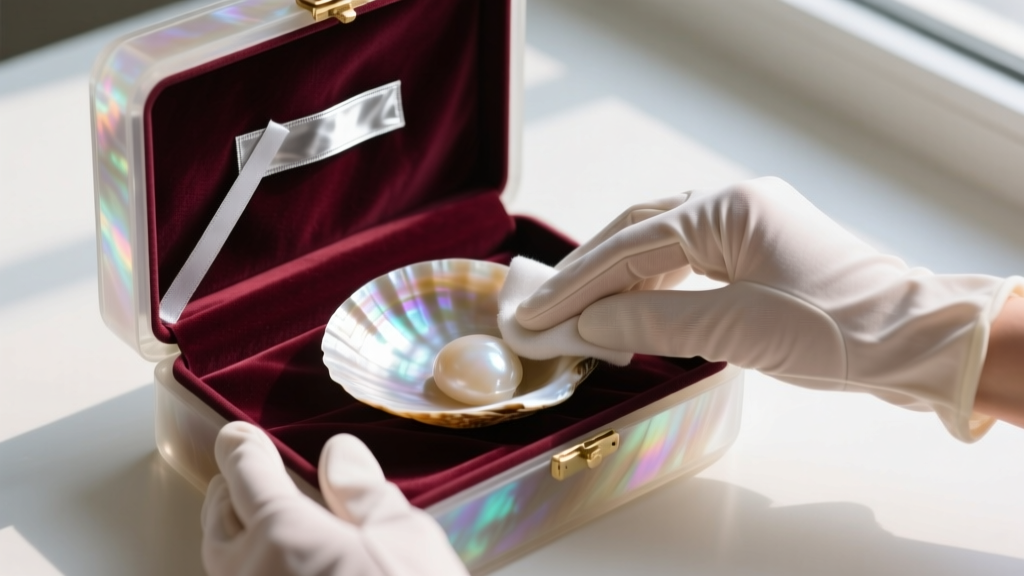
Proper maintenance ensures the iridescence of your box lasts for generations. Follow this routine every three to six months, referencing guidelines for organic gem care from authorities like the Rio Grande jewelry supply experts regarding tarnish prevention in storage environments.
- Dust Removal: Use a clean, dry, ultra-soft microfiber cloth or a natural-hair makeup brush to gently sweep away dust from the shell crevices. Never use paper towels, as their wood fibers can cause micro-scratches on the soft nacre.
- Spot Cleaning: If the shell has fingerprints or smudges, slightly dampen a cotton swab with distilled water. Gently roll it over the affected area. Do not soak the shell, and never allow water to seep into the seams where the shell meets the wood.
- Polishing (Optional): For a deeper shine, apply a microscopic drop of pure mineral oil to a soft cloth and buff the shell in circular motions. Wipe away any excess immediately. Never use commercial jewelry dips, ammonia, vinegar, or ultrasonic cleaners, as acids will instantly dissolve the calcium carbonate surface.
- Tarnish Prevention: Place 3M anti-tarnish strips inside the compartments of your box. These strips absorb sulfur compounds from the air, protecting your silver jewelry without introducing harmful chemicals to the shell exterior. Replace the strips every six months.
Final Thoughts for the Conscious Collector
Investing in a seashell jewelry box is an exercise in appreciating natural artistry. When shopping, prioritize ethical sourcing; many premium manufacturers now utilize shells harvested as byproducts of the aquaculture and food industries, ensuring no marine life is harvested solely for decorative purposes. By understanding the material science behind the nacre, selecting acid-free linings, and maintaining a stable humidity environment, your shell box will remain a breathtaking, functional sanctuary for your most cherished adornments.


