Fabric Covered Jewelry Box Trends: 2026 Style Guide
Discover 2026 trends for the fabric covered jewelry box. Compare velvet, linen, and bouclé materials, anti-tarnish linings, and top luxury brands.

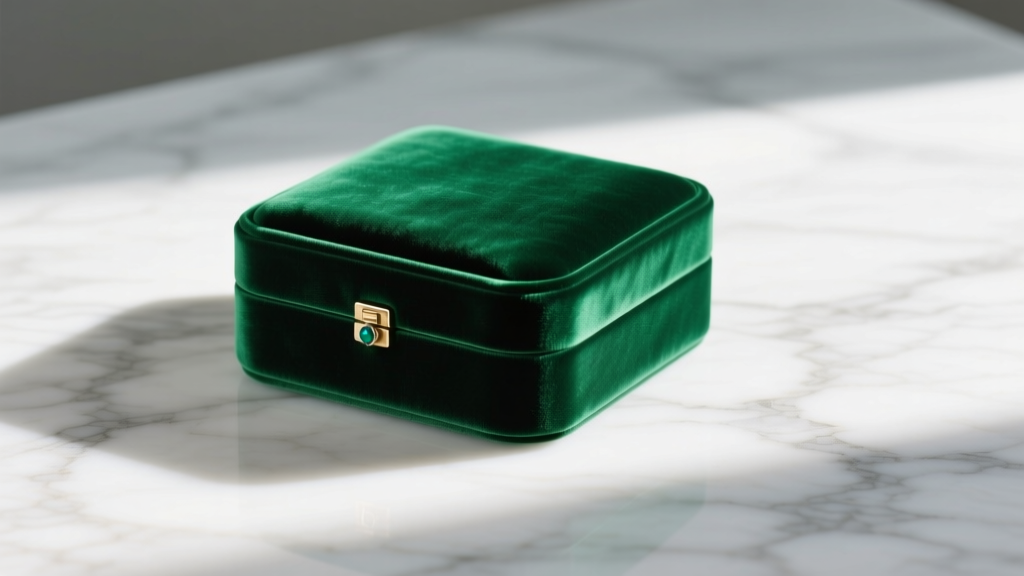
The 2026 Shift: From Cold Acrylics to Tactile Textiles
For the past decade, the jewelry storage market was dominated by the minimalist appeal of clear acrylic and glass. However, as we move through 2026, a definitive stylistic and practical pivot has occurred. The modern collector is gravitating toward warmth, tactility, and heritage craftsmanship, placing the fabric covered jewelry box at the absolute center of vanity design. This shift is not merely aesthetic; it is deeply rooted in the preservation of fine metals and gemstones.
Hard surfaces like acrylic and glass pose a significant risk to jewelry. According to the Gemological Institute of America (GIA), storing pieces loosely in hard compartments can lead to micro-scratches, especially given the vast differences in the Mohs hardness scale. A diamond (Mohs 10) can easily scratch a platinum setting (Mohs 4-4.5) or an 18k gold band (Mohs 2.5-3) if they rattle together in a rigid container. Fabric exteriors and plush interiors provide a necessary shock-absorbent barrier, marrying high-end interior design with essential archival preservation.
Material Matrix: Velvet, Linen, and Bouclé
The exterior textile of a jewelry box dictates its visual weight and maintenance requirements. In 2026, three primary fabrics dominate the luxury and mid-tier markets, each offering a distinct stylistic profile and functional benefit.
| Fabric Type | Aesthetic Profile | Durability & Maintenance | Best Use Case |
|---|---|---|---|
| Cotton Velvet | Rich, light-absorbing, vintage-inspired luxury. | Prone to crushing and dust attraction. Requires gentle horsehair brushing. | Statement pieces, heirloom storage, dark/moody vanity aesthetics. |
| Belgian Linen | Organic, slubbed texture, relaxed elegance. | Highly durable but susceptible to water spots. Needs nano-stain guard treatment. | Everyday wearables, coastal or minimalist interior themes. |
| Bouclé | Tactile, looped yarn, biophilic and architectural. | Snag-resistant if tightly woven, but can trap pet hair. Spot clean only. | Modern maximalist spaces, travel cases, stackable modular systems. |
The rise of bouclé is particularly notable in 2026. Originally popularized in mid-century upholstery, its translation to jewelry storage offers a unique, sculptural quality that turns the storage vessel into a piece of decor. Meanwhile, sustainable textile innovations have introduced rPET (recycled polyethylene terephthalate) velvets that mimic the hand-feel of silk velvet while offering superior resistance to humidity and UV degradation.
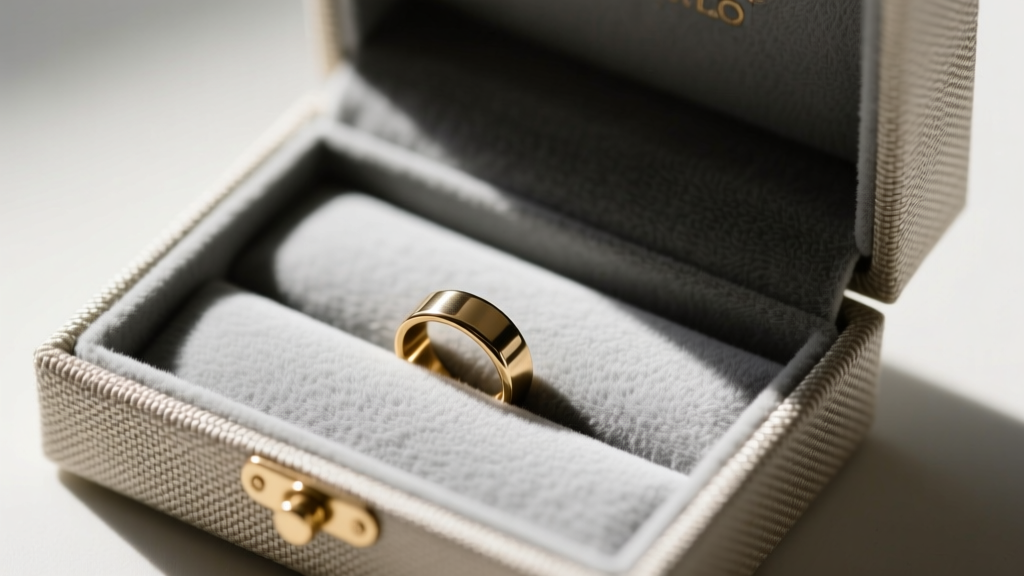
Interior Engineering: Anti-Tarnish Linings and Modularity
A beautiful exterior is meaningless if the interior accelerates oxidation. The hallmark of a premium fabric covered jewelry box in 2026 is its hidden chemical engineering. Silver and copper alloys are highly reactive to hydrogen sulfide and sulfur dioxide in the ambient air, which causes rapid tarnishing.
The Science of Anti-Tarnish Textiles
Leading manufacturers now line their boxes with specialized anti-tarnish fabrics. The two industry standards are:
- Pacific Silvercloth: A 100% cotton flannel embedded with thousands of microscopic silver particles. These particles act as a sacrificial anode, absorbing and neutralizing tarnishing gases before they can reach your jewelry. It is highly effective but requires the box to be relatively airtight to prevent the cloth from exhausting its capacity prematurely.
- LusterLoc™ Technology: A proprietary treatment that allows standard suede or microfiber linings to absorb tarnishing gases. According to laboratory testing, LusterLoc-treated linings can protect silver from tarnishing for up to 35 years under typical indoor conditions, making it the superior choice for boxes that are opened and closed frequently.
Furthermore, the Victoria and Albert Museum (V&A) emphasizes that jewelry should be stored in individual, soft-lined compartments to prevent metal-on-metal abrasion. Modern fabric boxes now feature modular, magnetized suede dividers that allow collectors to customize the grid for oversized cocktail rings or layered chain necklaces, eliminating the dreaded 'tangled chain' dilemma.
Market Segmentation: Entry-Level to Heritage Luxury
The market for fabric-wrapped storage has stratified into distinct tiers, each catering to different collector needs and budgets.
1. The Modular Minimalists ($40 - $120)
Brands like Stackers and Mejuri have popularized the stackable fabric tray system. These utilize durable, stain-resistant recycled polyester fabrics wrapped around rigid recycled cardboard or lightweight MDF cores. They are ideal for capsule wardrobes and frequent travelers, offering a low-profile, highly organized footprint. The hardware is typically matte gold-plated brass, which resists fingerprint smudging.
2. The Heritage Mid-Tier ($150 - $350)
Companies such as Mele & Co. and Wolf dominate this space. Here, you find the integration of LusterLoc linings, heavy-duty solid brass hinges, and intricate hand-stitched piping. A Wolf fabric covered jewelry box often features a quilted exterior with a velvet interior, combining structural rigidity with plush protection. These boxes often include specialized winding mechanisms for automatic watches or dedicated, tension-calibrated hooks for heavy pearl strands.
3. Bespoke and Artisan Luxury ($500+)
At the apex of the market, artisan woodworkers and luxury leather goods houses (like Smythson or custom Etsy creators) offer boxes crafted from kiln-dried walnut or mahogany, meticulously wrapped in raw silk, hand-loomed linen, or crushed velvet. These pieces feature dovetail joinery beneath the fabric, ensuring the structural integrity of the box will outlast the textile itself. The interiors are lined with untreated, acid-free archival suede, preferred by museum conservators for long-term antique storage.
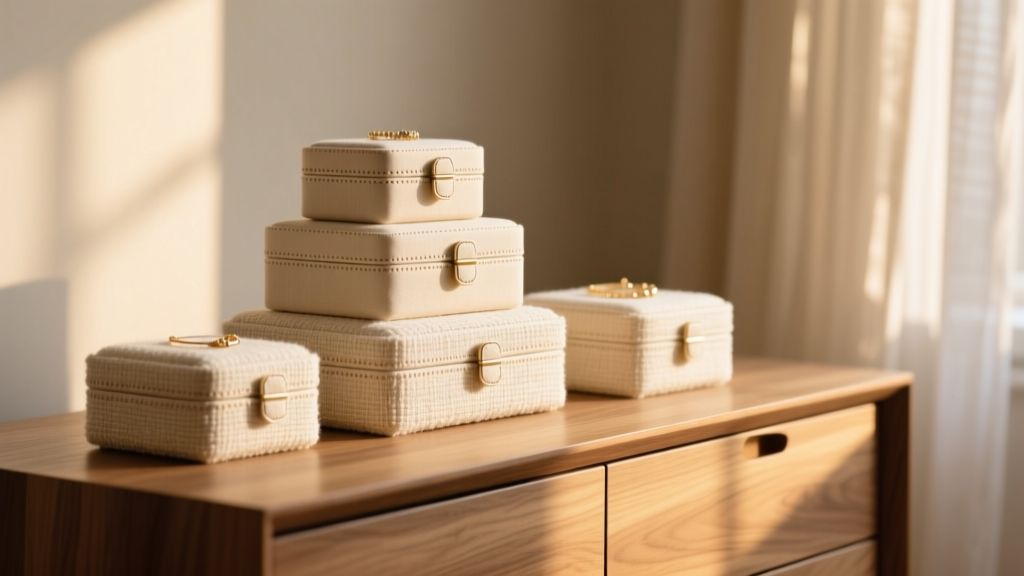
Care, Maintenance, and UV Protection
Fabric requires more attentive care than acrylic or wood. To ensure your fabric covered jewelry box remains a pristine focal point on your vanity, adhere to these maintenance protocols:
- UV Degradation: Natural dyes used in high-end linens and silks are highly susceptible to photobleaching. Never place your jewelry box in direct, unfiltered sunlight. If your vanity faces a south-facing window, opt for synthetic blends or UV-treated textiles.
- Dust Removal: Avoid using lint rollers on velvet or bouclé, as the adhesive can pull fibers and distort the pile. Instead, use a soft horsehair detailing brush to gently sweep dust out of the fabric's nap weekly.
- Spill Mitigation: If a cosmetic or perfume spill occurs on a linen exterior, do not rub. Blot immediately with a microfiber cloth. For stubborn stains, use a water-free, enzymatic upholstery cleaner applied to a cotton swab, working from the outside of the stain inward to prevent water rings.
- Hardware Polishing: The brass or zinc-alloy hinges and clasps will naturally oxidize. Use a gentle, non-abrasive jewelry polishing cloth on the metal hardware every six months, taking care not to let the polishing compound transfer onto the surrounding fabric.
Final Thoughts on the 2026 Vanity
The resurgence of the fabric covered jewelry box represents a broader consumer desire for objects that engage the senses and offer genuine protective utility. By understanding the nuances of textile durability, anti-tarnish chemistry, and proper maintenance, you can select a storage solution that not only elevates your interior design but actively preserves the financial and sentimental value of your collection for decades to come.


