The Beis Jewelry Case: 2026 Travel Storage Trend Analysis
Discover why the Beis jewelry case dominates 2026 travel trends. We analyze its vegan leather build, anti-tarnish limits, and packing capacity.

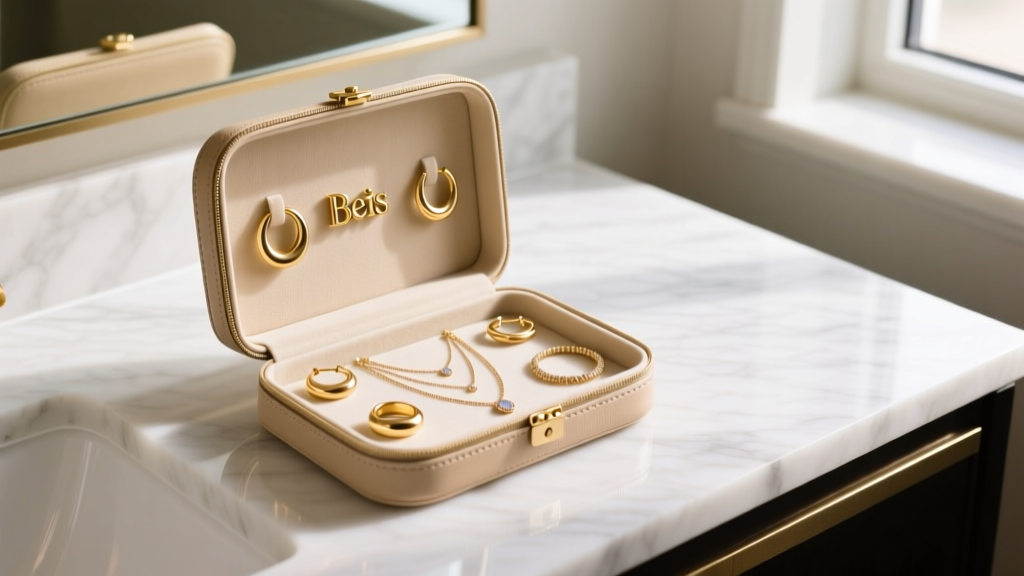
The Aesthetic Shift: Why Beis Dominates the 2026 Travel Market
In the landscape of modern travel accessories, the intersection of utilitarian function and curated aesthetics has never been more fiercely contested. As we move through 2026, the 'elevated minimalist' trend continues to dictate consumer choices, and the Beis jewelry case has emerged as a defining artifact of this movement. Founded by actress and entrepreneur Shay Mitchell, BÉIS has successfully positioned its travel gear as the ultimate uniform for the stylish, frequent flyer. But beyond the ubiquitous TikTok unboxings and Instagram flatlays, how does this specific organizer perform when subjected to the rigorous demands of global travel and the chemical realities of precious metals?
The surge in popularity of the Beis jewelry case is not merely a triumph of influencer marketing; it reflects a broader shift in how travelers interact with their accessories. Modern consumers are moving away from bulky, traditional wooden jewelry boxes and flimsy plastic zip-bags, seeking instead modular, lightweight, and visually cohesive storage solutions. According to recent market analyses featured in Travel + Leisure, the demand for premium vegan leather travel organizers has grown by over 40% since 2023, driven by eco-conscious millennials and Gen Z travelers who refuse to compromise on luxury aesthetics. The Beis jewelry case, typically retailing between $48 and $58, sits in a highly competitive sweet spot—accessible enough for an impulse purchase, yet premium enough to feel like a luxury upgrade.
Material Breakdown: Vegan Leather vs. Traditional Hides
To truly understand the value proposition of the Beis jewelry case, we must examine its material composition. The exterior is crafted from a high-grade pebbled polyurethane (PU) vegan leather, bonded to a durable polyester knit backing. This specific manufacturing process yields a material that is highly resistant to water spots, humidity, and the inevitable spills that occur in transit. Unlike genuine calfskin or full-grain leather, which requires regular conditioning and can warp when exposed to the high humidity of tropical destinations, the PU exterior of the Beis case maintains its structural integrity and pebbled texture regardless of the climate.
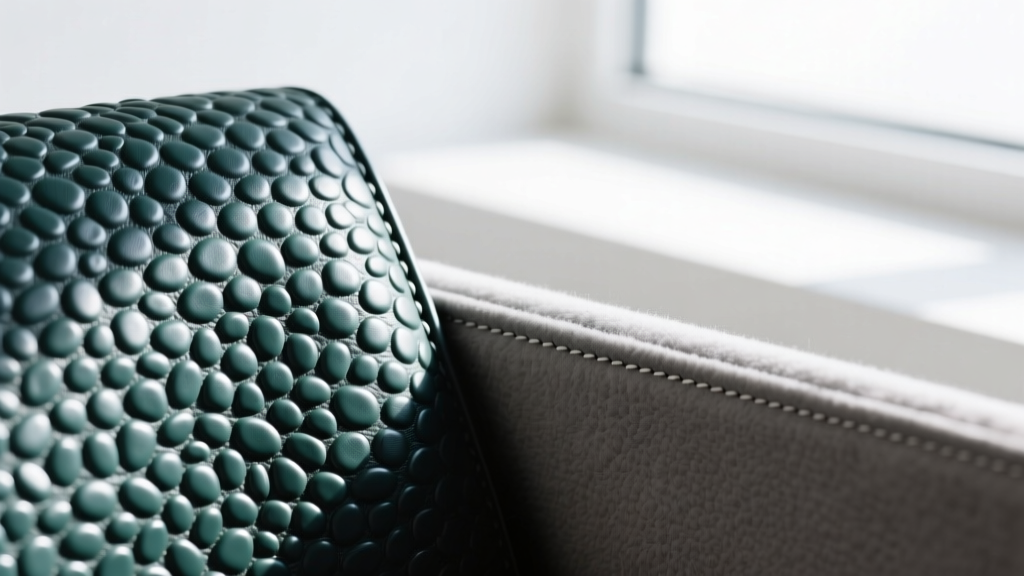
Inside, the case is lined with a soft, suede-like microfiber. This polyester-polyamide blend is designed to be gentle on high-polish metals and delicate gemstones, preventing the micro-scratches that can occur with rougher synthetic linings. However, this material choice presents a specific challenge regarding long-term metal preservation, leading us to the most critical technical limitation of the case.
The Anti-Tarnish Reality Check
While the microfiber lining is exceptionally soft, it is chemically inert. It does not possess the anti-tarnish properties found in premium competitors that utilize Pacific Silvercloth or treated flannel. According to the Gemological Institute of America (GIA), silver tarnish is caused by a chemical reaction between silver and hydrogen sulfide in the air, forming silver sulfide. Because the Beis jewelry case does not actively absorb or neutralize these airborne sulfides, sterling silver pieces stored inside for extended periods (such as a two-week European tour) will still oxidize and dull.
The Expert Hack: To bridge this gap, seasoned travelers slip one or two 3M Anti-Tarnish strips into the main zippered compartment of the Beis case. These strips utilize copper-based scavengers that absorb sulfides before they can reach your jewelry, effectively upgrading the case's protective capabilities to match those of organizers costing three times as much.
Capacity Stress Test: What Actually Fits?
Aesthetic appeal means little if the organizer cannot accommodate a realistic travel capsule. The Beis jewelry case measures approximately 7 inches by 4.5 inches by 2 inches, offering a deceptively spacious interior divided into specialized zones. Below is a detailed breakdown of its capacity and the associated risks for different jewelry types.
| Storage Zone | Maximum Capacity | Best Suited For | Potential Damage Risk |
|---|---|---|---|
| Ring Roll | 7 standard rings | Thin bands, solitaires, stackable rings | High for wide signets; tight spacing can cause metal-on-metal scratching if overpacked. |
| Earring Holes | 12-16 pairs | Stud earrings, small huggies | Medium; forcing thick posts through the fabric can bend delicate 20-gauge gold wires. |
| Necklace Loops | 3-4 chains | 16" to 18" pendants, snake chains | Low; elastic keeps clasps secure, preventing the dreaded 'knotting' effect in transit. |
| Main Zip Pouch | Variable (approx. 15 cubic inches) | Chunky bangles, hoop earrings, watches | High if loose; items can collide. Use the included snap-button divider to separate metals. |
One of the most praised features of the Beis design is the snap-button divider in the main compartment. This allows users to separate hard metals (like stainless steel watches or chunky brass cuffs) from softer, easily scratched materials (like high-karat gold or pearls). Failure to use this divider is the primary reason users report scratched items upon arrival at their destination.
Competitor Comparison: Beis vs. The Market
To contextualize the Beis jewelry case within the 2026 market, it is essential to compare it against its direct rivals. While BÉIS excels in brand cachet and cohesive luggage matching, other brands offer distinct material advantages.
- Mejuri Travel Case ($68): Mejuri's offering is slightly more expensive but includes a genuine anti-tarnish interior lining. It is the superior choice for travelers whose primary concern is the chemical preservation of untreated sterling silver and raw brass. However, it lacks the structured ring roll found in the Beis case.
- Monos Jewelry Case ($65): Monos utilizes a water-resistant, ultra-matte vegan leather that feels slightly more premium to the touch than the Beis pebbled PU. The Monos case is heavier and more rigid, offering better crush-resistance when packed in a tightly stuffed carry-on, but it sacrifices the flexible, expandable nature of the Beis main compartment.
- Wolf Heritage Case ($150+): For the luxury traveler, Wolf remains the gold standard. Featuring patented LusterLoc anti-tarnish technology and genuine leather exteriors, Wolf cases are investment pieces. The Beis case, by contrast, is a trend-forward, accessible alternative for the modern minimalist.
Common Failure Modes and Longevity Hacks
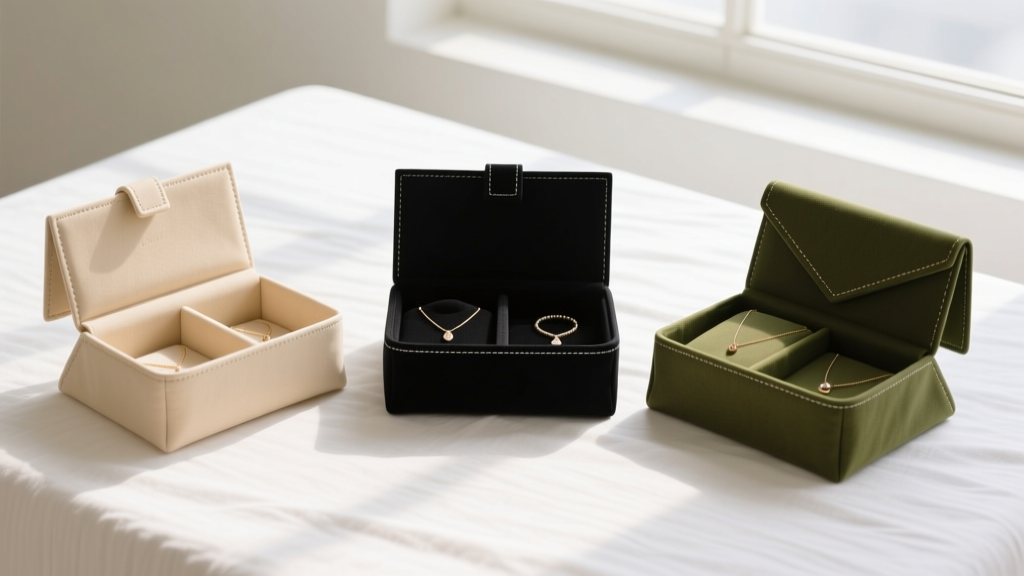
No travel accessory is immune to wear and tear, and the Beis jewelry case has specific failure modes that emerge after 12 to 18 months of heavy use. Understanding these vulnerabilities allows owners to proactively maintain their organizers.
1. Elastic Fatigue in the Necklace Loops
The elastic loops designed to hold necklace clasps are made from a spandex-wrapped polyester thread. Over time, exposure to hotel bathroom humidity, aerosolized perfumes, and natural skin oils can degrade the elastane fibers, causing the loops to stretch and lose their tension. The Fix: Avoid spraying perfume directly over the open case. If the loops lose their grip, a simple DIY repair involves threading a small silicone hair tie through the loop to restore friction and hold the clasp securely.
2. Zipper Snagging on the Microfiber Lining
The custom-branded brass-finished zipper is visually striking, but the interior microfiber lining is occasionally cut a fraction of an inch too close to the zipper track. When closing the case in a hurry, the fabric can easily become caught in the zipper teeth, potentially tearing the lining or derailing the zipper puller. The Fix: Always run your thumb along the inside edge of the fabric track as you pull the zipper closed, pushing the microfiber inward and away from the teeth.
3. Edge Glazing Wear
The painted edge glazing on the vegan leather can begin to chip or peel at the high-friction corners after repeated sliding in and out of packed suitcases. Applying a microscopic layer of clear, flexible fabric glue to the corners upon purchase can seal the glazing and prevent premature peeling.
Final Verdict: Is the Beis Jewelry Case Worth the Hype?
The Beis jewelry case is a masterclass in modern aesthetic packaging, successfully capturing the 2026 zeitgeist of 'organized luxury.' It is an exceptional choice for travelers who prioritize visual cohesion, lightweight packing, and smart compartmentalization for a diverse capsule of fashion and fine jewelry. While it requires a minor, inexpensive modification (adding anti-tarnish strips) to perfectly protect reactive metals, its thoughtful layout, durable PU exterior, and accessible price point make it a formidable contender in the travel storage market.
For the style-conscious traveler who views packing as an extension of their personal brand, the Beis jewelry case delivers an unparalleled unboxing experience at 30,000 feet. Just remember to pack your 3M strips.
Ultimately, the decision hinges on your specific travel habits. If you are a minimalist packer who rotates a curated selection of gold vermeil and stainless steel pieces, the Beis case is an absolute triumph. If you are a collector traveling with heritage sterling silver and high-karat gold, you may want to look toward specialized, chemically treated alternatives. For a deeper dive into how BÉIS designs its travel ecosystem, you can explore their complete lineup on the BÉIS official site.


