Brighton Jewelry Box Repair: Fix Tarnish & Linings
Learn how to troubleshoot and repair your Brighton jewelry box. Expert fixes for tarnished silver hardware, peeling leatherette, and lifting velvet.

Understanding Brighton's Material Architecture
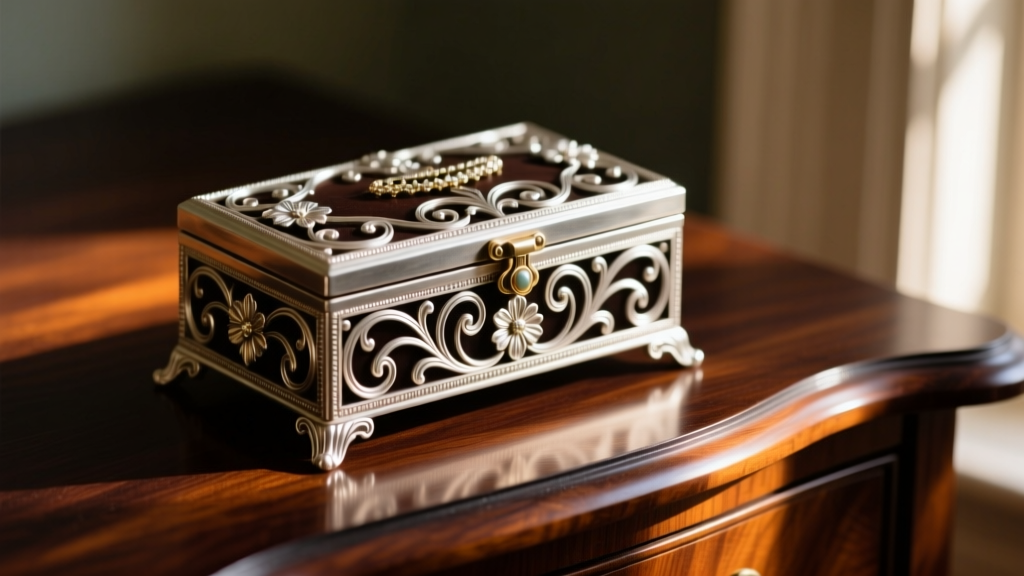
Brighton Collectibles has built a reputation on vintage-inspired aesthetics, but the material reality of their jewelry storage requires specific maintenance. Most Brighton jewelry boxes feature a medium-density fiberboard (MDF) or hardwood core, wrapped in polyurethane (PU) leatherette, and accented with zinc-alloy hardware that is silver-plated and lacquered. When troubleshooting a damaged Brighton jewelry box, using the wrong chemical solvents or rigid adhesives can permanently ruin the finish. According to the Brighton Collectibles Official Care Guide, the silver-plated hardware is treated with an anti-tarnish lacquer that eventually degrades with friction and UV exposure. Once this barrier is compromised, the underlying silver reacts with atmospheric sulfur to form black silver sulfide. In this 2026 troubleshooting guide, we will break down the exact chemical and mechanical fixes required to restore your Brighton storage pieces to their original glory without causing irreversible damage to the delicate veneers or linings.
Troubleshooting Silver-Plated Hardware Tarnish and Pitting
The signature scrollwork and drawer pulls on a Brighton jewelry box are its most striking features, but they are also the most vulnerable. A common mistake owners make is using aluminum foil and baking soda electrolysis baths or harsh liquid silver dips. These methods are designed for solid sterling silver and will instantly strip the micro-thin silver plating right off the zinc-alloy base, leaving you with dull, unfixable gray metal.
The Safe Polishing Protocol
To safely remove tarnish from Brighton hardware, you must use a non-abrasive, non-chemical silver cream. Wright's Silver Cream or Hagerty Silversmiths' Pump Spray Polish are industry standards. Apply a pea-sized amount to a 100% cotton swab or a microfiber applicator pad. Gently work the cream into the crevices of the scrollwork using circular motions. Let it dry to a slight haze (usually 3-5 minutes), then buff it off with a clean, lint-free jeweler's cloth. If the hardware shows yellowish or coppery spots, the silver plating has completely worn through to the brass or zinc underlayer. At this point, polishing will not help; the piece requires professional re-plating or careful touch-ups with a silver leaf pen.
Repairing Peeling PU Leatherette and Veneer Seams
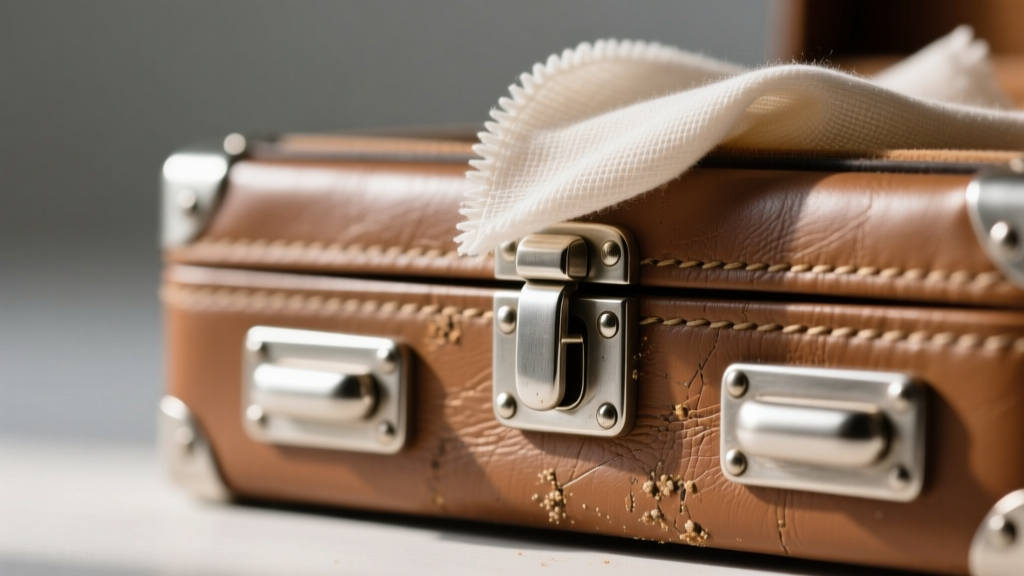
Over time, the polyurethane leatherette wrapping on Brighton boxes can begin to lift at the seams, corners, or the bottom felt pad. This is usually caused by the factory-applied hot melt glue drying out and crystallizing due to ambient humidity fluctuations and temperature changes.
Choosing the Right Adhesive
Never use cyanoacrylate (Super Glue) or hot glue to reattach leatherette. Super glue dries rigid and brittle; when the PU material naturally expands and contracts, the glue line will crack and tear the vinyl surface. Hot glue is too thick and will create visible bulges under the thin leatherette. Instead, use a flexible, solvent-based fabric and vinyl adhesive like Beacon Fabri-Tac or Aleene's Flexible Stretchable Glue.
- Step 1: Use a wooden toothpick or a plastic spudger to gently scrape away the old, crystallized glue from both the MDF core and the underside of the leatherette.
- Step 2: Apply a micro-bead of Beacon Fabri-Tac to the MDF edge. Wait 60 seconds for the adhesive to become tacky.
- Step 3: Press the leatherette firmly into place and secure it with low-tack painter's tape or gentle clamps padded with felt for 4 hours.
Restoring Lifting Velvet and Suede Linings
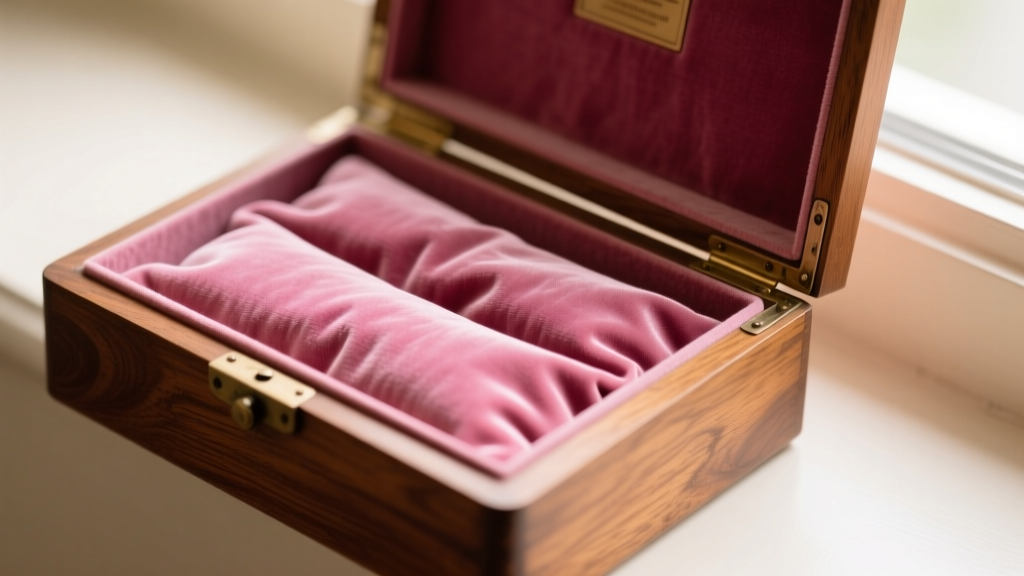
The interior lining of a Brighton jewelry box is typically a rayon-blend velvet or flocked suede. A frequent issue is the lining pulling away from the drawer base or the ring rolls, which creates snag hazards for delicate chains and prongs. According to guidelines from Jewelers of America, jewelry storage interiors must remain chemically stable to prevent off-gassing that could tarnish the stored metals.
The Acid-Free Re-bonding Method
Standard spray adhesives (like 3M Super 77) contain volatile organic compounds (VOCs) that can yellow the velvet and emit acidic gases that accelerate silver tarnish inside the closed drawers. For a museum-grade repair, use an acid-free, pH-neutral PVA adhesive like Lineco Neutral pH Adhesive. Use a small foam brush to apply a thin, even layer to the wooden substrate. Carefully lay the velvet over the glue, smoothing it from the center outward with a bone folder or a plastic scraper wrapped in a soft cotton cloth to prevent crushing the velvet pile. Allow it to cure under a light weight (like a book covered in wax paper) for 24 hours.
Fixing Sticky Drawers and Loose Hinges
Drawer friction and hinge failure are mechanical issues that plague heavily used jewelry armoires and valet boxes. Brighton drawers often run on wooden or MDF rails without metal glides, making them susceptible to swelling and friction.
Mechanical Adjustments
If a drawer is sticking, do not force it, as the MDF core can easily snap. Remove the drawer and inspect the rails. Rub a block of pure paraffin wax or a white candle along the bottom edges of the drawer runners and the interior tracks. This creates a frictionless barrier that won't attract dust like liquid lubricants (e.g., WD-40) do. For loose hinges on drop-front doors or lid supports, the screw holes in the MDF have likely stripped out. Fill the stripped holes with a two-part wood epoxy putty, let it cure completely, and then drill a new 1/16-inch pilot hole before reinserting the original brass screws.
Brighton Jewelry Box Troubleshooting Matrix
Use this quick-reference table to diagnose and treat the most common storage issues.
| Symptom | Root Cause | Required Materials | Expert Fix |
|---|---|---|---|
| Blackened Hardware | Silver sulfide formation due to worn lacquer | Wright's Silver Cream, cotton swabs | Gentle hand-polishing; avoid liquid dips |
| Peeling Exterior Seams | Factory hot-melt glue crystallization | Beacon Fabri-Tac, wooden toothpick | Scrape old glue, apply flexible vinyl adhesive |
| Snagging Velvet Interior | Humidity-induced adhesive failure | Lineco Neutral pH Adhesive, foam brush | Re-bond with acid-free PVA to prevent off-gassing |
| Sticking Wooden Drawers | Wood swelling and rail friction | Paraffin wax block | Wax the runners; never use liquid oils |
Preventative Maintenance for 2026 and Beyond
Once your Brighton jewelry box is repaired, implementing a strict environmental control routine will extend its lifespan. Store the box in a climate-controlled room, avoiding attics or damp bathrooms where humidity spikes above 60%. Place a 3M Anti-Tarnish Strip or a Pacific Silvercloth tab inside each drawer to absorb atmospheric sulfur and neutralize corrosive gases. Dust the leatherette exterior monthly with a slightly damp microfiber cloth, and avoid placing the box in direct sunlight, which will rapidly degrade the polyurethane coating and cause irreversible fading and cracking. By treating your Brighton storage pieces with the same care you give your fine jewelry, you ensure they remain a functional and beautiful part of your daily routine for decades.


