Budget Jewelry Display Board: Value Assessment Guide
Discover how to choose a budget jewelry display board that maximizes value. We compare materials, pricing tiers, and anti-tarnish features.

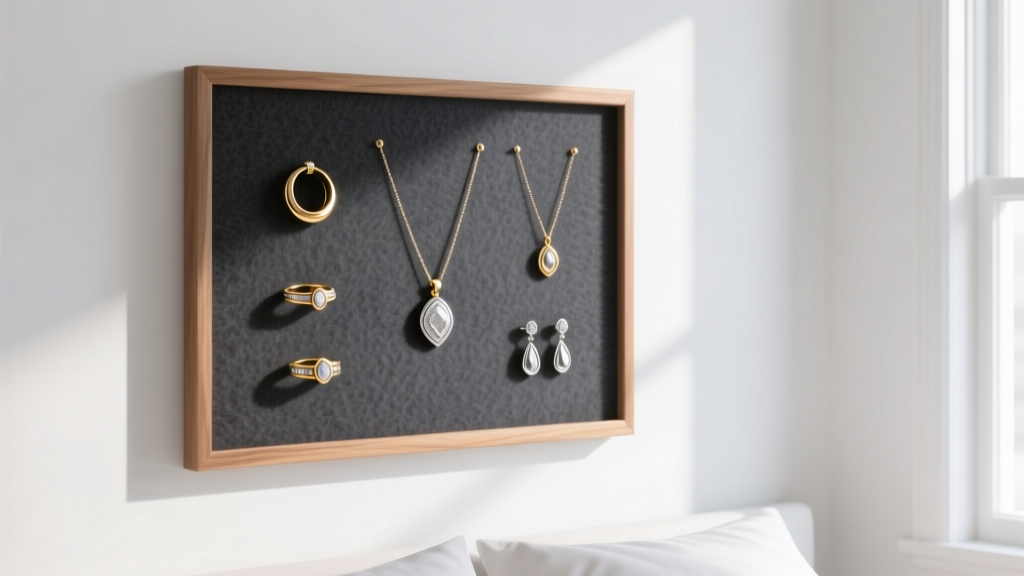
The Hidden Costs of Cheap Jewelry Organization
When outfitting a growing jewelry collection, the temptation to grab the cheapest organizational tool available is high. As we navigate the 2026 retail landscape, a standard budget jewelry display board typically falls into the $12 to $30 price range. At first glance, these mass-produced boards seem like a steal. However, a true value assessment requires looking beyond the initial price tag. Many budget-friendly display boards introduce hidden costs, ranging from rapid material degradation to the accelerated chemical tarnishing of your most prized sterling silver and brass pieces.
Value is not merely about spending the least amount of money; it is about the intersection of cost, longevity, and material safety. A $15 board that ruins a $200 silver necklace through chemical off-gassing is a terrible investment. This guide breaks down the exact material grades, hardware failure modes, and fabric chemistry you need to understand to make a smart, budget-conscious purchase or DIY build.
The Chemistry of Budget Boards: MDF vs. Solid Wood
The core material of your display board dictates its structural integrity and its chemical compatibility with precious metals. The vast majority of budget boards are constructed from Medium-Density Fiberboard (MDF). MDF is an engineered wood product made by breaking down hardwood or softwood residuals into wood fibers, combining them with wax and a resin binder, and forming panels under high heat and pressure.
While MDF is inexpensive and provides a perfectly flat surface for fabric wrapping, it has a major flaw for jewelry storage: off-gassing. The urea-formaldehyde resins used in budget MDF can release trace amounts of sulfur compounds and acidic vapors over time. According to the Gemological Institute of America (GIA), sulfur is the primary catalyst for the formation of silver sulfide, the dark tarnish layer that forms on sterling silver. Storing your silver directly against a cheap MDF board wrapped in non-breathable synthetic fabric creates a microclimate that accelerates tarnishing.
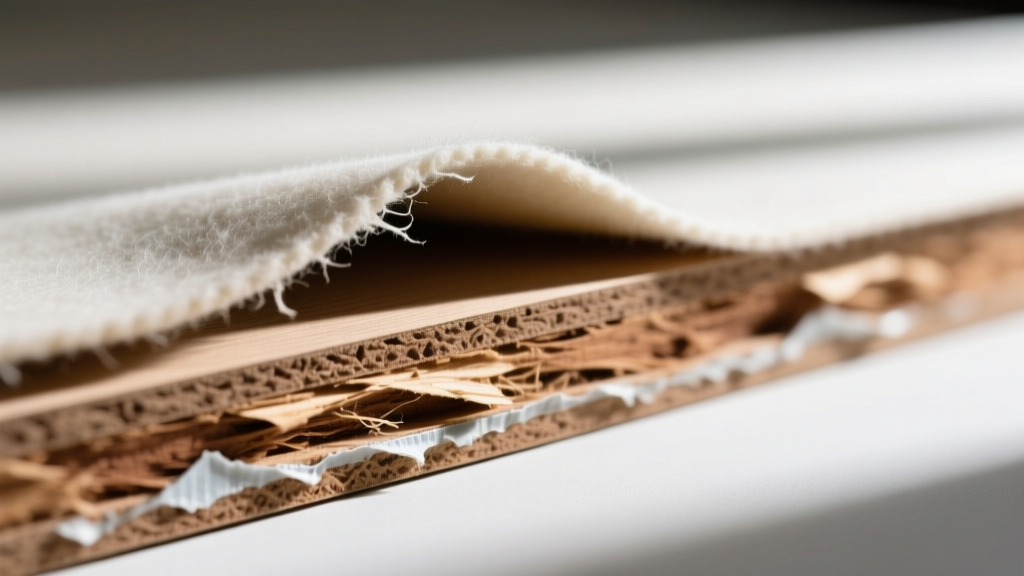
Material Core Comparison Chart
To maximize your budget, you must match the board material to the type of jewelry you intend to display. Here is how the most common budget cores stack up against each other in terms of cost, risk, and load-bearing capacity.
| Material Core | Avg Price Range | Tarnish Risk | Weight Capacity | Best Application |
|---|---|---|---|---|
| MDF | $12 - $20 | High (Off-gassing) | Low (5-10 lbs) | Lightweight studs, temporary retail use |
| Birch Plywood | $18 - $30 | Moderate | Medium (15-20 lbs) | Mixed everyday jewelry, medium chains |
| Solid Pine | $25 - $45 | Low (Inert) | High (30+ lbs) | Heavy chains, long-term heirloom storage |
| Corkboard | $8 - $15 | High (Acidic) | Very Low (3 lbs) | Push-pin earrings only, avoid metals |
The Fabric Illusion: Evaluating Anti-Tarnish Claims
The fabric stretched over the board is the physical barrier between your jewelry and the environment. Budget manufacturers often use vague terms like "velvet finish" or "protective felt" to describe their coverings. In reality, these are usually 100% polyester craft felts. Polyester is essentially plastic; it traps ambient moisture against the metal and offers zero tarnish protection. Furthermore, budget manufacturers typically adhere this felt using cheap aerosol spray adhesives, which can melt in high-humidity environments (like a bathroom or a sunroom), causing the fabric to sag and peel.
True anti-tarnish fabric, such as Pacific Silvercloth, is made from 100% cotton flannel that is embedded with microscopic silver particles. These particles act as a sacrificial anode, reacting with sulfur in the air before the sulfur can reach your actual jewelry. While a pre-made display board wrapped in genuine Pacific Silvercloth will easily cost $80 to $150, you can achieve this level of protection on a strict budget through a simple DIY hack.
The Ultimate Budget DIY Value Hack
Instead of buying a pre-made budget board, purchase a standard 18x24 inch solid pine canvas stretcher bar frame (usually around $12 at any craft store). Then, buy a single yard of genuine anti-tarnish silver cloth (approximately $18 to $22). Using a heavy-duty staple gun, pull the cloth taut and staple it to the back of the pine frame. Your total cost is roughly $35, yet you have created a museum-grade, chemically inert display board that outperforms retail options costing three times as much. The Jewelers of America consistently recommends untreated, natural fibers like cotton for long-term metal storage, validating this approach.
Hardware and Structural Failure Modes
A budget jewelry display board is only as good as the hardware keeping it on your wall. This is where the most catastrophic failures occur. When you load a display board with jewelry, the weight adds up incredibly fast. A single heavy 18-inch brass Cuban link chain can weigh upwards of 150 grams. Hang twenty of them, plus a few beaded necklaces and steel bangles, and your board is suddenly supporting 8 to 10 pounds of dynamic weight.
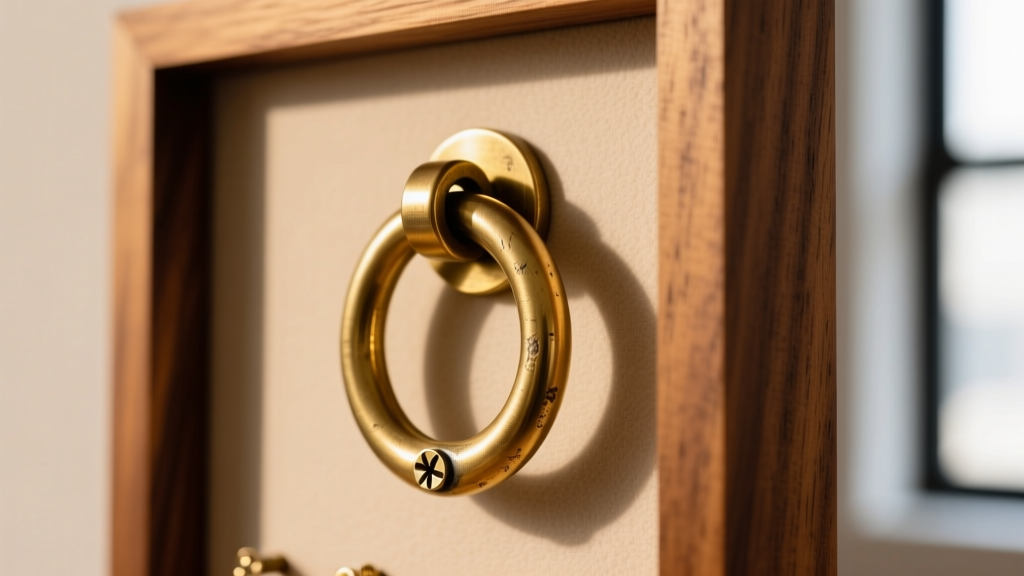
Sawtooth Hangers vs. D-Rings
Almost all budget MDF boards come with cheap, stamped-metal sawtooth hangers attached via tiny brad nails. MDF has notoriously poor screw-holding and nail-holding strength. When subjected to the downward and outward pull of heavy jewelry, those tiny nails will slowly tear through the MDF fibers. Eventually, the board will rip off the wall, crashing to the floor and potentially snapping delicate chains or scattering gemstones.
If you are buying a budget board, immediately flip it over and inspect the hardware. If it has sawtooth hangers, remove them. Replace them with heavy-duty brass D-ring hangers. More importantly, if the board is MDF, you must use specialized anchors or apply a dab of cyanoacrylate (super glue) into the pilot holes before driving the screws to reinforce the crumbling fibers. If you opt for the DIY solid pine frame mentioned earlier, you can securely mount D-rings using standard #6 x 1/2 inch wood screws, which will bite deeply into the solid grain and safely support over 40 pounds of jewelry.
Final Verdict: Where to Spend and Where to Save
Achieving true value in jewelry organization requires a strategic allocation of your budget. You should never compromise on the chemical inertness of the materials touching your metals, nor should you trust cheap hardware to hold your prized possessions.
- Where to Save: Skip the pre-made decorative elements, ornate plastic corner brackets, and printed brand logos. Avoid pre-wrapped MDF boards from big-box craft stores.
- Where to Spend: Invest your budget in a solid wood core (like pine stretcher bars) and genuine anti-tarnish cotton flannel fabric. Spend an extra $4 on heavy-duty D-ring hangers and proper wall anchors.
- The Maintenance Factor: Remember that even the best anti-tarnish cloth eventually becomes saturated with sulfur and loses its efficacy. Budget for a fabric replacement every 2 to 3 years to maintain peak protection.
By understanding the material science and structural engineering behind these simple organizational tools, you can bypass the false economy of ultra-cheap display boards and build a storage solution that genuinely protects your collection's financial and sentimental value.


