How to Clean, Restore, and Maintain Your Trinket Jewelry Box
Learn how to properly clean, restore, and maintain your trinket jewelry box. Expert tips for wood, velvet, glass, and acrylic to protect your gems.

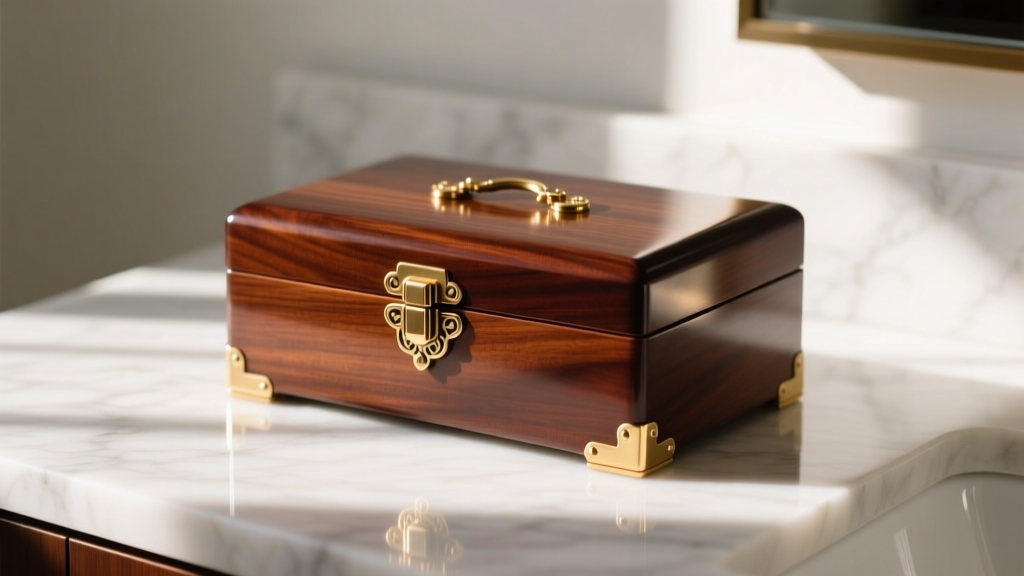
Most collectors and enthusiasts spend hours researching the best methods to clean their diamonds, pearls, and precious metals, yet completely neglect the very vessel that protects them. Your trinket jewelry box is not merely a decorative container; it is a microclimate that directly impacts the longevity, tarnish rate, and structural integrity of your most prized possessions. Over time, dust, skin oils, environmental pollutants, and degrading interior fabrics can turn a beautiful storage piece into a hazard for your jewelry.
Whether you own a vintage mahogany chest, a modern acrylic lucite organizer, or a travel-friendly velvet trinket jewelry box, proper maintenance requires a nuanced understanding of material science. In this comprehensive guide, we break down the exact chemical cleaners, mechanical tools, and environmental controls required to restore and maintain your storage solutions to museum-grade standards.
The Hidden Dangers of a Neglected Trinket Jewelry Box
Before diving into cleaning protocols, it is crucial to understand what happens when a trinket jewelry box is left unmaintained. According to the Gemological Institute of America (GIA), improper storage environments are a leading cause of accelerated gemstone degradation and metal tarnishing. When a box is neglected, three primary issues occur:
- Abrasive Dust Accumulation: Household dust contains microscopic silica particles. When trapped in the velvet or felt lining of your trinket jewelry box, these particles act like sandpaper, causing micro-scratches on soft metals like 24k gold and high-polish silver.
- Silver Sulfide Transfer: When silver jewelry tarnishes, it forms a layer of silver sulfide. If left sitting in a fabric-lined compartment, this black residue transfers to the lining. Over time, the lining becomes saturated with sulfur compounds, which will instantly re-tarnish freshly polished silver.
- Off-Gassing and Moisture Trapping: Cheap adhesives and synthetic linings can off-gas volatile organic compounds (VOCs) that cause pearls and opals to craze or lose their luster. Furthermore, trapped ambient humidity breeds mold on organic gemstones and leather watch straps.
Material-Specific Cleaning Protocols
A universal cleaner will ruin a multi-material trinket jewelry box. You must tailor your approach to the specific exterior and interior materials.
Wood and Veneer Exteriors (Mahogany, Walnut, MDF)
Wood requires hydration and protection without suffocating the grain. Never use aerosol silicone sprays (like standard Pledge) on a wooden trinket jewelry box. Silicone creates a temporary shine but builds up into a cloudy, sticky film that attracts dust and prevents future refinishing.
The Expert Method: Use a high-quality paste wax or a beeswax-and-orange-oil blend, such as Howard Feed-N-Wax. Apply a thin layer with a lint-free microfiber cloth, let it penetrate for 15 minutes, and buff it out with a clean horsehair brush. For vintage boxes with shellac finishes, avoid any alcohol-based cleaners, as alcohol will dissolve the shellac instantly.
Velvet, Suede, and Felt Linings
Cleaning the interior lining of a trinket jewelry box requires a gentle, dry-first approach to prevent water stains and fabric warping.
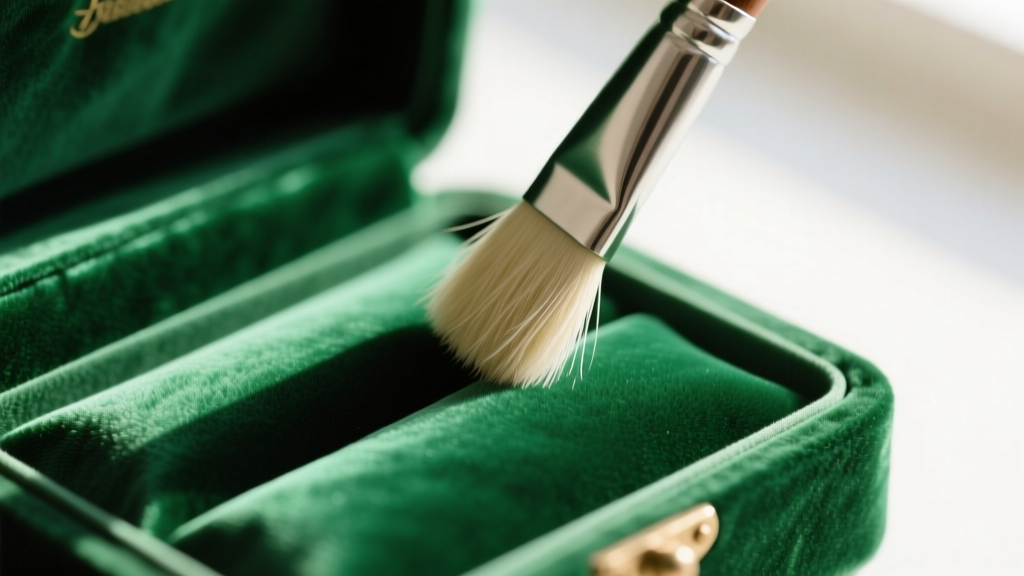
The Expert Method: First, use a soft-bristle horsehair detailing brush to gently agitate the nap of the velvet and lift embedded dust and silver sulfide particles. Follow this with a low-suction vacuum using a brush attachment covered by a sheer pantyhose to prevent snagging the fabric. For localized oil stains from skin contact, apply a small amount of cornstarch or talc-free baby powder, let it sit overnight to absorb the oils, and gently brush it away the next morning.
Glass, Acrylic, and Lucite Components
Acrylic and Lucite are highly prone to scratching and chemical crazing (micro-fractures). Never use Windex, ammonia, or paper towels on an acrylic trinket jewelry box. Ammonia will cause the plastic to cloud and crack over time.
The Expert Method: Use a dedicated plastic cleaner like Novus No. 1 or a mild solution of distilled water and a drop of Dawn dish soap. Apply with a clean, plush microfiber cloth using straight, overlapping strokes rather than circular motions, which can leave visible swirl marks in the acrylic.
Brass and Metal Hardware
Hinges, clasps, and locks on a trinket jewelry box are often made of unlacquered brass or plated zinc. Tarnished hardware can stain both the wood and your jewelry.
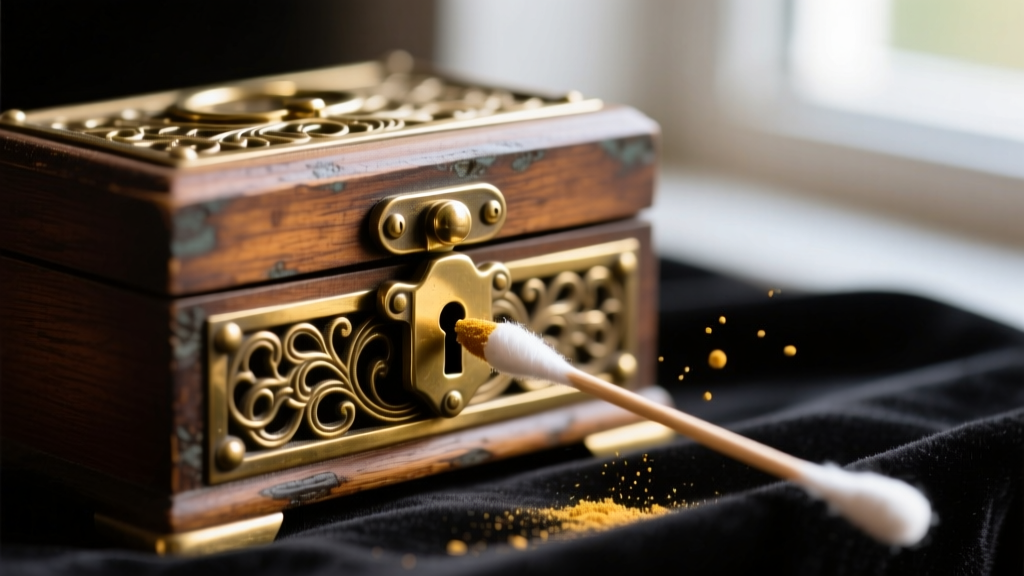
The Expert Method: Mask off the surrounding wood with painter's tape to prevent polish from seeping into the wood grain. Apply a non-scratch brass polish (like Brasso or Wright's Brass Polish) using a cotton swab for precision. Buff to a high shine and immediately wipe away all residue with a damp cloth, followed by a dry microfiber towel. To prevent future tarnish, apply a microscopic layer of carnauba wax over the metal hardware.
The Ultimate Cleaning Agent Compatibility Chart
To prevent catastrophic damage to your trinket jewelry box, refer to this compatibility matrix before applying any household chemicals.
| Box Material | Safe Cleaners & Tools | Dangerous / Avoid | Recommended Frequency |
|---|---|---|---|
| Finished Wood | Paste wax, orange oil, microfiber | Silicone sprays, alcohol, ammonia | Every 3-6 months |
| Velvet / Suede | Horsehair brush, cornstarch, vacuum | Water, liquid detergents, bleach | Monthly dusting |
| Acrylic / Lucite | Novus plastic polish, mild soapy water | Windex, ammonia, paper towels | As needed for smudges |
| Brass Hardware | Brasso, cotton swabs, carnauba wax | Abrasive pads, harsh acids | Bi-annually |
| Glass Mirrors | Vinegar/water mix, microfiber | Abrasive sponges | Monthly |
Upgrading the Interior for Anti-Tarnish Protection
Cleaning your trinket jewelry box is only half the battle; optimizing its interior environment is where true preservation begins. If your box lacks built-in anti-tarnish properties, you can easily retrofit it using archival-grade materials.
According to conservation guidelines highlighted by experts at Bob Vila's home maintenance archives, controlling the micro-environment of wooden storage is key to preventing warping and interior mold. For jewelry specifically, you must control hydrogen sulfide and moisture.
- Pacific Silvercloth: Line the bottom of the main compartment with this specialized cotton fabric, which is embedded with microscopic silver particles. These particles act as a sacrificial anode, absorbing sulfur compounds from the air before they can reach your sterling silver.
- Indicating Silica Gel: Toss out the cheap, non-indicating white silica packets that come with shoes. Instead, purchase orange-to-green indicating silica gel cassettes. When the beads turn green, they are saturated with moisture and can be recharged in a microwave or low-heat oven. Aim to keep the relative humidity (RH) inside your trinket jewelry box between 40% and 50%.
- Activated Charcoal Sachets: For boxes storing pearls, opals, or amber, use activated charcoal instead of silica gel. Charcoal absorbs VOCs and odors without aggressively stripping the ambient moisture that organic gems require to prevent cracking.
Seasonal Maintenance Schedule
To keep your trinket jewelry box in pristine condition year-round, establish a routine maintenance schedule. Consistency prevents the need for aggressive, damaging restorations later.
Monthly Tasks
- Remove all jewelry and vacuum the interior lining with a soft brush attachment.
- Wipe down glass or acrylic lids with a dedicated plastic/glass cleaner.
- Check the color of your silica gel indicators and recharge if necessary.
Bi-Annual Tasks
- Condition wooden exteriors with a high-quality paste wax.
- Polish brass hinges and locks, ensuring no residue is left behind.
- Replace 3M anti-tarnish strips (they typically lose efficacy after 6 months in a frequently opened container).
Expert Insight: Never store your trinket jewelry box in a bathroom or directly above a heating vent. The extreme fluctuations in humidity and temperature will cause wooden joints to loosen, veneers to peel, and velvet linings to detach from their adhesive backing. Always store the box in a climate-controlled bedroom or dressing room.
Conclusion
A beautifully maintained trinket jewelry box is a testament to the respect you hold for your collection. By moving away from harsh household chemicals and adopting material-specific, museum-grade cleaning protocols, you ensure that both the box and the treasures inside remain flawless for generations. Take the time to assess your current storage environment, implement the correct cleaning agents, and upgrade your interior lining to actively fight tarnish and moisture. Your jewelry deserves a sanctuary, not just a shelf.


