Upgrading Jewelry Box Drawer Pulls: A Technical Guide
Discover technical specs, anti-tarnish metals, and installation tips for upgrading jewelry box drawer pulls. Elevate your storage hardware today.

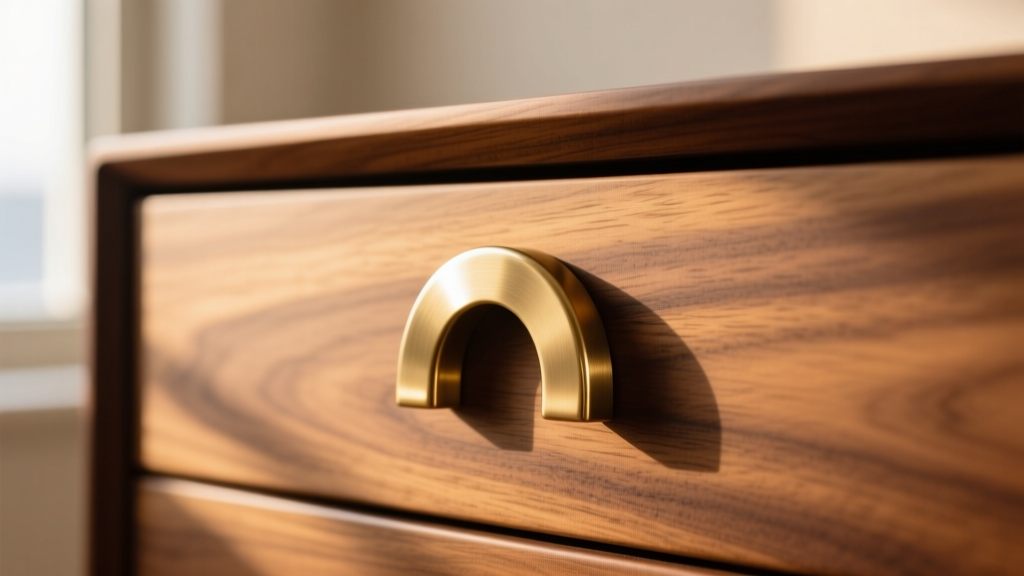
When curating or restoring a fine jewelry armoire, collectors and woodworkers often obsess over the interior lining, the joinery, and the finish. Yet, the hardware—specifically the jewelry box drawer pulls—serves as the critical tactile interface between the user and the collection. Beyond mere aesthetics, the metallurgical composition, dimensional projection, and chemical inertness of your chosen pulls can directly impact the preservation of the jewelry stored within. This technical deep dive explores the material science, ergonomic specifications, and precision installation protocols required to select and mount the perfect hardware for high-end jewelry storage.
The Metallurgy of Jewelry Box Drawer Pulls
The material composition of a drawer pull dictates its longevity, its resistance to oxidation, and its potential to interact with the microclimate inside a jewelry drawer. Cheap hardware often utilizes unstable alloys that degrade over time, while premium pulls rely on specific metallurgical standards.
- Solid Brass (C26000 Cartridge Brass): The gold standard for traditional armoires. C260 brass offers excellent corrosion resistance and takes a high polish. However, raw brass will develop a patina. For jewelry storage, a clear, baked-on lacquer finish is mandatory to prevent the transfer of copper oxides to the user's hands and to seal the metal.
- 304 Stainless Steel: Highly recommended for modern or coastal environments where humidity is high. Grade 304 stainless steel is virtually inert, completely non-magnetic, and will never off-gas or rust. It is the safest choice for storing highly reactive metals like unalloyed silver or copper.
- Zamak (Zinc Alloy): Commonly found in mass-produced jewelry boxes. While Zamak is inexpensive and easily cast into intricate shapes, it is susceptible to 'zinc pest'—a slow, intergranular corrosion that causes the metal to swell, crack, and crumble over decades, especially in fluctuating humidity.
- Acrylic and Lead-Free Crystal: Excellent for inertness, but the mounting posts (the threaded stems) must be verified. Many crystal knobs use mild steel posts with a thin brass plating that will eventually rust from the inside out.
The Hidden Threat: Off-Gassing and Silver Tarnish
One of the most overlooked aspects of jewelry storage organization is the chemical interaction between hardware finishes and precious metals. According to conservation guidelines published by The Silver Institute, silver tarnish is primarily caused by a reaction with hydrogen sulfide and other volatile sulfur compounds (VSCs) in the air.
Certain inexpensive drawer pulls feature rubberized grip coatings, PVC-based gaskets, or low-grade powder coatings that slowly off-gas sulfur and chloride plasticizers. If your jewelry box drawers lack a perfect airtight seal, these corrosive gases will infiltrate the interior cavity, accelerating the formation of silver sulfide (black tarnish) on your sterling silver collection. Always opt for solid, uncoated metals (like polished stainless steel) or verified jewelry-safe lacquered brass to ensure zero off-gassing in your storage environment.
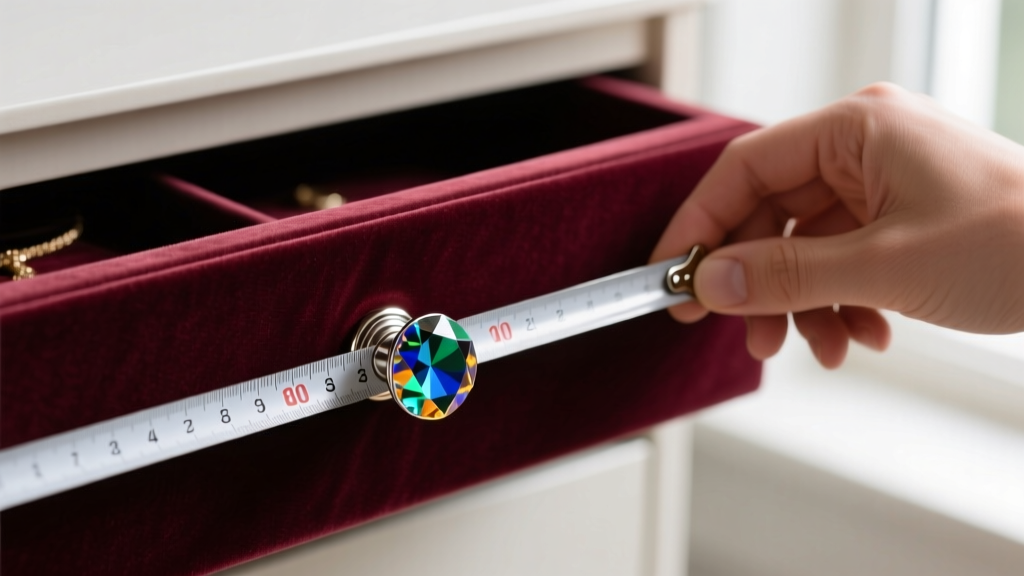
Ergonomics and Dimensional Specifications
Jewelry armoires and valet boxes feature uniquely shallow drawers compared to standard kitchen cabinetry. A standard kitchen drawer might be 6 to 8 inches deep, allowing for pulls with a 1.5-inch projection. Jewelry drawers, however, are typically 1.5 to 3 inches deep. Selecting a pull with excessive projection creates a snag hazard for clothing and disrupts the sleek profile of the armoire.
Standard Sizing Chart for Jewelry Armoires
| Drawer Type | Typical Depth | Max Pull Projection | Ideal C-C Spacing |
|---|---|---|---|
| Ring / Insert Tray | 1.25' - 1.5' | < 0.75' (Knob) | N/A (Single point) |
| Bracelet / Watch Drawer | 2.0' - 2.5' | 1.0' - 1.25' | 2.5' (64mm) |
| Necklace / Deep Drawer | 3.0' - 4.0' | 1.25' - 1.5' | 3.0' (76mm) |
| Heavy Armoire Base | 5.0'+ | 1.5' - 2.0' | 4.0' (102mm) |
Note: Center-to-Center (C-C) spacing refers to the exact distance between the centers of the two mounting screw holes. Always measure in millimeters for metric hardware to avoid fractional alignment errors.
Precision Installation: Preventing Veneer Blowout
High-end jewelry boxes are frequently constructed from MDF or plywood cores wrapped in delicate, paper-thin wood veneers (such as burl walnut or macassar ebony). Drilling through these materials for hardware installation presents a severe risk of 'blowout'—where the drill bit tears out chunks of the expensive veneer on the interior or exterior face.
Expert woodworkers and luthiers rely on specific techniques to ensure a flawless mount. As detailed in advanced cabinetry guides by Wood Magazine, the key lies in bit selection and backer support.
- Use a Brad-Point Drill Bit: Standard twist bits tend to 'walk' and tear wood fibers. A brad-point bit features a sharp center spur that scores the exact perimeter of the hole before the cutting lips engage, resulting in a perfectly clean entry and exit.
- The Masking Tape Protocol: Apply a strip of high-quality blue painter's tape over the exact drill mark on both the exterior face and the interior drawer lining. This binds the surface fibers together during the cutting process.
- Sacrificial Backer Board: Never drill blindly into an empty drawer. Place a scrap piece of MDF tightly against the interior of the drawer front to act as a sacrificial backer. This ensures the drill bit exits into solid material, completely eliminating interior tear-out.
Screw Sizing and Thread Mechanics
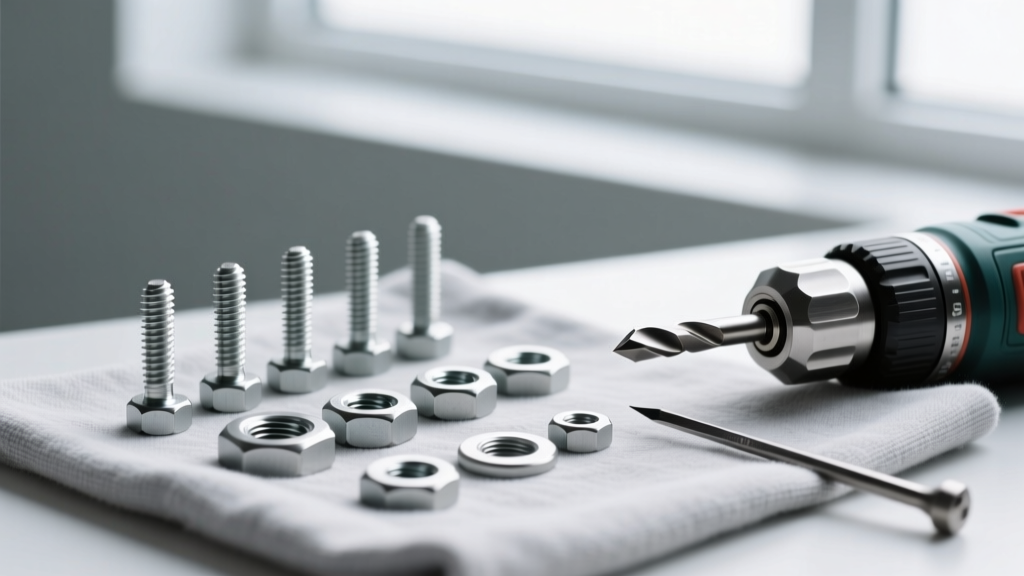
The vast majority of premium European and American jewelry box drawer pulls utilize metric M4 (4mm diameter) machine screws. Imperial hardware typically uses 8-32 threads. The most common installation failure is using a screw that is too long, which bottoms out inside the pull's threaded post and prevents the pull from seating flush against the drawer face.
To calculate the exact screw length required, use this formula: Drawer Front Thickness + Pull Base Thickness + Washer Thickness + 2mm clearance = Required Screw Length. For a standard 12mm (1/2 inch) drawer front and a 3mm pull base, an M4 x 20mm screw is usually ideal. If your armoire features thicker drawer fronts, purchase break-away screws or use a hacksaw and a die to custom-trim stainless steel machine screws to the exact millimeter.
Expert Conservator's Tip: When tightening the mounting nut on the interior of the drawer, always place a wide, flat brass or nylon washer between the nut and the interior drawer lining. This distributes the clamping force over a wider area, preventing the screw head from crushing the delicate velvet or suede lining on the inside of the drawer.
Sourcing and Pricing Tiers
Investing in the correct hardware elevates a standard storage box into a generational heirloom. Pricing varies wildly based on manufacturing origin and material integrity.
- Builder Grade ($2 - $5 per pull): Typically Zamak or hollow stamped steel with electroplated finishes. Found in big-box stores. High risk of finish flaking and off-gassing. Not recommended for fine jewelry storage.
- Architectural Mid-Tier ($8 - $18 per pull): Solid forged brass or 304 stainless steel, often sourced from specialized hardware suppliers like Atlas Hardware or Top Knobs. Excellent durability, precise CNC-machined threading, and reliable clear-coats.
- Bespoke / Artisan ($25 - $80+ per pull): Hand-cast bronze, knurled solid brass, or lead-free Swarovski crystal with solid brass posts. Sourced from boutique foundries or specialized European importers. These offer unique tactile feedback and unmatched aesthetic integration for custom-built jewelry armoires.
Final Thoughts on Hardware Selection
Upgrading your jewelry box drawer pulls is not merely a cosmetic exercise; it is an exercise in material preservation and functional ergonomics. By prioritizing chemically inert metals, adhering to strict dimensional projections, and executing precision installations, you ensure that your jewelry storage remains both a beautiful showcase and a safe, stable environment for your most prized possessions.


