Best Materials to Build a Do It Yourself Jewelry Box
Discover the best woods, acrylics, and linings for your do it yourself jewelry box. Compare material properties, acidity, and anti-tarnish solutions.

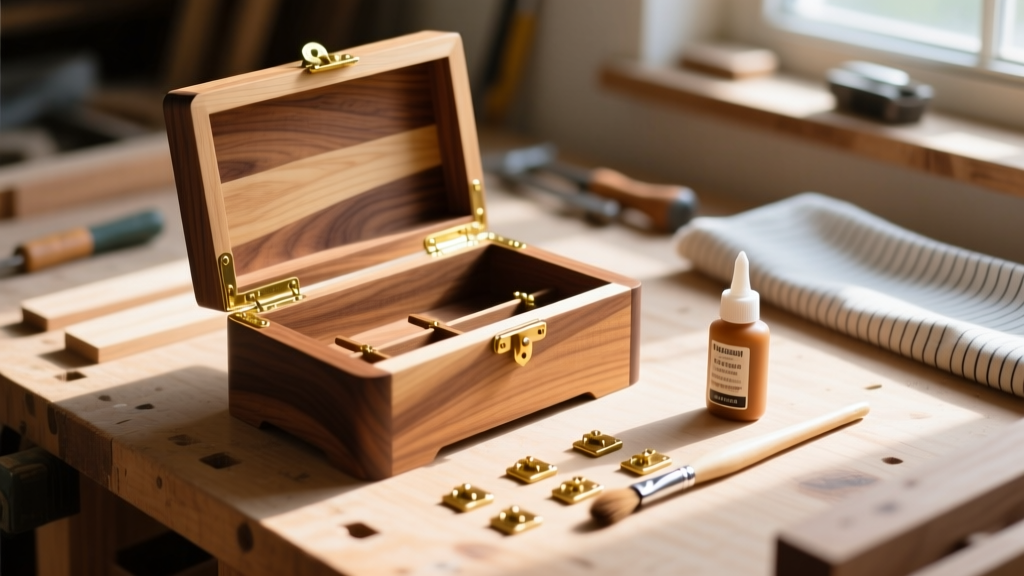
The Chemistry of Jewelry Storage: Why Material Choice Matters
When planning a do it yourself jewelry box, most makers focus heavily on joinery techniques and exterior aesthetics. However, from a gemological and metallurgical perspective, the interior microclimate is paramount. Metals like sterling silver are highly susceptible to hydrogen sulfide and sulfur dioxide, while organic gems like pearls, coral, and tortoiseshell can be permanently etched by acidic off-gassing. Selecting the right materials for your build is not just a woodworking decision; it is an exercise in preventive conservation.
According to the Canadian Conservation Institute, silver tarnish is primarily a surface corrosion caused by sulfur-bearing gases reacting with the copper alloyed in sterling silver. If your custom box utilizes the wrong adhesives, finishes, or wood species, you are essentially building a tarnish-acceleration chamber. This guide breaks down the exact material properties, Janka hardness ratings, and chemical profiles you need to know before making your first cut.
Hardwoods: Stability, Acidity, and Janka Ratings
Wood is the traditional choice for jewelry boxes, but not all species are safe for precious metals. The primary concern is the emission of volatile organic acids, particularly acetic and formic acids, which are prevalent in many common hardwoods.
Hard Maple: The Neutral Standard
Hard Maple (Acer saccharum) is the gold standard for interior trays, dividers, and structural walls. With a Janka hardness rating of 1,450 lbf, it resists denting from heavy metal clasps and brooches. More importantly, maple is relatively low in acidic extractives. When properly kiln-dried to a moisture content of 6-8%, its off-gassing is minimal. For interior dividers, milling maple down to 1/8-inch (3mm) thickness provides enough rigidity to hold heavy necklaces without adding excessive weight to the overall box.
Black Walnut and Cherry: The Aesthetic Risks
Black Walnut (Juglans nigra, Janka 1,010 lbf) and Cherry (Prunus serotina, Janka 950 lbf) are prized for their rich colors and workability, making them excellent choices for the exterior casing and lids. However, they contain moderate levels of tannins and acidic compounds. If used for the interior, they must be sealed. According to the Wood Database, walnut's natural oils can also interfere with certain wood glues, requiring a solvent wipe with acetone before assembly to ensure strong joinery.
Red Oak: The Danger Zone
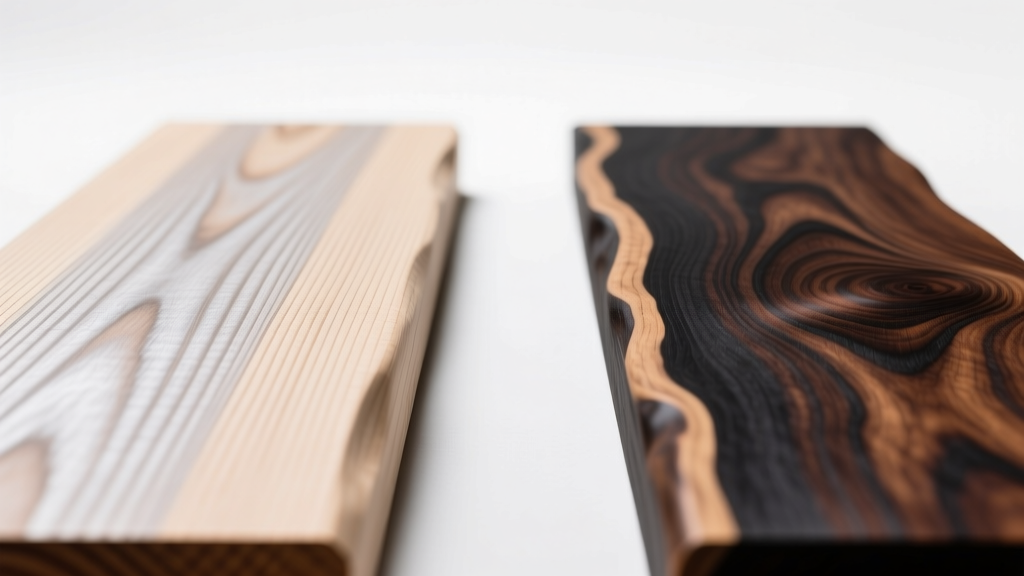
Never use Red Oak or White Oak for any part of a jewelry box interior. Oak contains high levels of tannic and acetic acid (often registering a pH as low as 3.5). In an enclosed, poorly ventilated space, oak off-gassing will rapidly corrode silver, brass, and copper components. Even as an exterior veneer, if the interior is not hermetically sealed, the acidic vapors can permeate the enclosure.
Acrylic and Polycarbonate: Modern Alternatives
For makers incorporating modern design elements or building dust-proof display tiers, acrylic (PMMA) is an exceptional material. Unlike wood, cast acrylic is completely chemically inert and emits zero acidic vapors, making it 100% safe for unprotected silver and pearls.
- Cast vs. Extruded: Always specify cast acrylic for your build. Extruded acrylic has high internal stress and will easily crack or craze when you route small dado joints or drill holes for hardware.
- Thickness Guidelines: Use 1/4-inch (6mm) cast acrylic for structural tier supports and load-bearing shelves. Drop down to 1/8-inch (3mm) for vertical ring dividers and lightweight earring screens.
- Polycarbonate (Lexan): While polycarbonate is virtually unbreakable, it scratches much easier than acrylic and can yellow over time if exposed to direct UV light. Stick to UV-stabilized cast acrylic for longevity.
The Hidden Dangers: Adhesives, Finishes, and Hardware
The wood itself is only half the battle. The chemicals you use to assemble and finish your do it yourself jewelry box can introduce severe tarnish risks. Standard PVA wood glues (like Titebond) are slightly acidic when wet. While they cure relatively neutral, it is best to use them only on exterior joints. For interior dividers, opt for a fully cured two-part epoxy or cyanoacrylate (CA) glue, which do not emit acidic vapors once set.
Conservation Rule of Thumb: Never use oil-based polyurethanes or standard lacquers on the interior of a jewelry box. These finishes can take weeks or months to fully stop off-gassing VOCs, which will actively tarnish silver during the curing process.
Instead, use a traditional dewaxed shellac (such as Zinsser Bulls Eye) as an interior sealer. Shellac is an alcohol-based natural resin that dries in minutes, completely seals wood acids, and stops off-gassing almost immediately. For the exterior, a water-based polyurethane (like General Finishes High Performance) offers excellent durability without the harsh sulfur-bearing solvents found in oil-based alternatives.
Material Comparison Matrix
| Material | Janka Hardness | Acidity / pH Profile | Tarnish Risk | Best Application |
|---|---|---|---|---|
| Hard Maple | 1,450 lbf | ~5.0 (Mild) | Low | Interior dividers, trays, ring rolls |
| Black Walnut | 1,010 lbf | ~5.5 (Mild/Moderate) | Medium (Needs Seal) | Exterior casing, lids, feet |
| Red Oak | 1,290 lbf | ~3.5 (High Acid) | Extreme | Avoid completely |
| Cast Acrylic (PMMA) | N/A | Neutral | None | Dust covers, display tiers, dividers |
| Spanish Cedar | 600 lbf | Highly Acidic / Oily | High | Exterior only (requires heavy sealing) |
Hardware Selection: Brass vs. Stainless Steel
When sourcing hinges and clasps, material grade matters. Solid brass hinges are traditional and beautiful, but raw brass contains copper, which can develop verdigris (a green, corrosive patina) in humid environments. If you use brass, ensure it is heavily lacquered by the manufacturer. For a zero-maintenance alternative, source 304 or 316-grade stainless steel butt hinges. They offer the same structural rigidity as brass but are completely impervious to corrosion and will not off-gas.
Lining Selection: Anti-Tarnish Textiles
Even with the safest woods and finishes, a jewelry box needs a specialized interior lining to protect against atmospheric sulfur. Standard untreated cotton or polyester flannel will trap moisture and do nothing to stop tarnish. The professional standard for high-end custom builds is Pacific Silvercloth or similar anti-tarnish flannel.
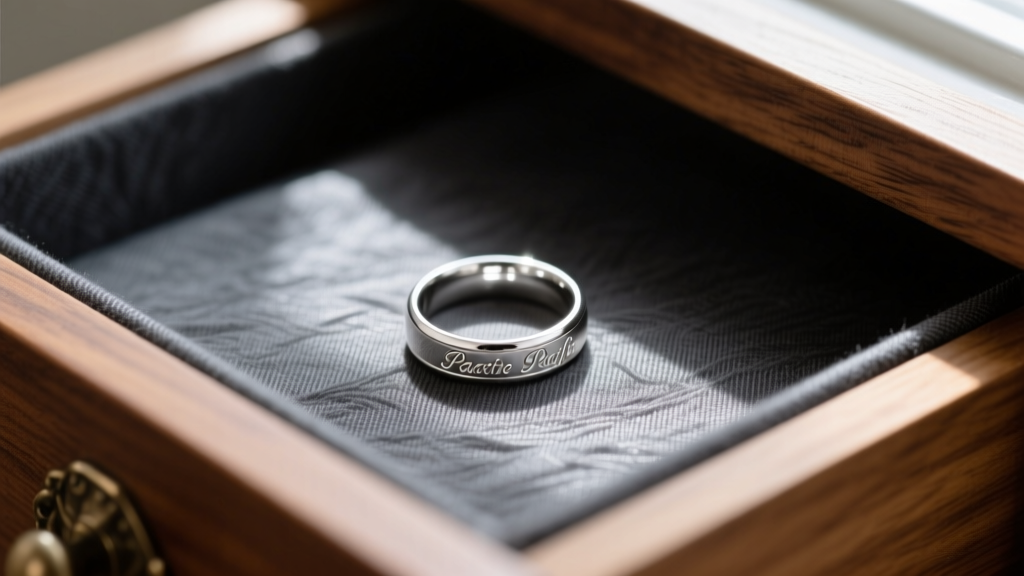
These specialized textiles are embedded with microscopic silver particles. The principle is simple: the sacrificial silver particles in the fabric react with the hydrogen sulfide gas before it can reach the client's jewelry. According to the Gemological Institute of America (GIA), keeping silver in an enclosed environment with anti-tarnish strips or treated cloth is the most effective way to prevent silver sulfide formation. When installing the lining, use a water-based contact adhesive or double-sided archival tape to secure the fabric to the maple or acrylic trays, avoiding aerosol spray adhesives that contain harmful propellants.
Step-by-Step Material Assembly Framework
To synthesize these material properties into a successful build, follow this structural framework:
- Exterior Carcass: Mill 3/4-inch Black Walnut for the main box and lid. Cut your joinery (dovetails or box joints) and assemble using standard PVA glue.
- Interior Sealing: Before installing any trays, apply two coats of dewaxed shellac to all interior surfaces of the walnut casing to lock in tannins and natural oils.
- Tray Construction: Build removable trays using 1/4-inch Hard Maple for the outer walls and 1/8-inch Hard Maple or Cast Acrylic for the internal grid dividers. Assemble interior joints with CA glue or epoxy.
- Lining Application: Cut Pacific Silvercloth to size, leaving a 1/2-inch overhang. Wrap the edges over the top of the tray walls and secure with archival double-sided tape so the fabric is pulled taut across the bottom.
- Hardware Installation: Mortise your 304 stainless steel hinges into the walnut casing, ensuring the steel pins are seated flush to prevent the heavy lid from sagging over time.
By treating your build as a controlled microclimate rather than just a wooden container, your do it yourself jewelry box will serve as a true preservation vault, keeping precious metals brilliant and organic gems safe for generations.


