Harley Davidson Jewelry Box: Material & Durability Guide
Discover the material properties of a Harley Davidson jewelry box. We compare leather grades, hardware metallurgy, and interior lining safety for fine metals.

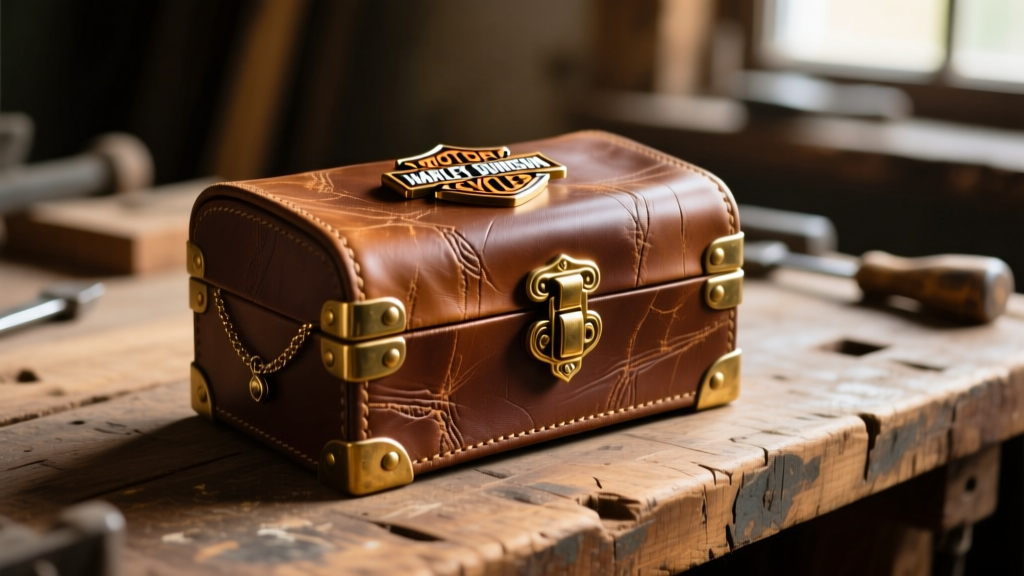
The Intersection of Biker Aesthetics and Archival Storage
When collectors and motorcycle enthusiasts search for a Harley Davidson jewelry box, they are usually drawn to the rugged aesthetic, branded insignias, and the cultural cachet of American motorcycling heritage. However, from a jewelry storage and organizational perspective, these boxes present a fascinating study in material science. Unlike purpose-built luxury jewelry armoires engineered specifically for archival preservation, many branded promotional and vintage Harley Davidson boxes were designed primarily as display pieces or merchandise.
As we navigate the 2026 collector's market, understanding the exact material properties of these boxes is critical. Storing fine silver, porous turquoise, or delicate gold chains in an environment that off-gasses volatile organic compounds (VOCs) or lacks proper humidity control can lead to catastrophic tarnishing and metal degradation. This guide deconstructs the anatomy of the Harley Davidson jewelry box, analyzing its exterior shells, hardware metallurgy, and interior linings to determine if it is truly safe for your precious metals.
Exterior Shell: Leather Grades, Veneers, and Off-Gassing Risks
The exterior of a Harley Davidson jewelry box typically falls into one of three categories: solid wood, MDF (Medium-Density Fiberboard) with a wood veneer, or leather-wrapped composite. The material choice heavily dictates the box's structural longevity and its chemical interaction with the jewelry inside.
The Problem with MDF and Bonded Leather
Many mass-produced Harley Davidson promotional boxes from the late 1990s and 2000s utilize MDF cores wrapped in bonded leather or polyurethane (PU) synthetics. While this keeps costs down and allows for deep embossing of the iconic Bar & Shield logo, it introduces a severe chemical risk. MDF is typically bound using urea-formaldehyde resins. Over time, especially in fluctuating temperatures, these resins off-gas formaldehyde and other acidic VOCs. According to conservation standards outlined by the Library of Congress, acidic vapors trapped in an enclosed space will rapidly accelerate the tarnishing of sterling silver and can cause pitting in softer alloys like pewter or copper.
Full-Grain and Top-Grain Leather Variants
High-end, custom, or vintage Harley Davidson boxes—often crafted by third-party leatherworks like Saddlemen or custom saddlebag makers—utilize top-grain or full-grain cowhide. Full-grain leather is highly durable and develops a beautiful patina, but it requires specific conditioning. If treated with modern synthetic sealants or stored in high humidity, the leather can harbor mold spores, which thrive on the organic tannins and fats left over from the tanning process. For archival safety, a leather-wrapped box must be lined with an impermeable barrier to prevent leather-tanning acids from migrating into the storage compartment.
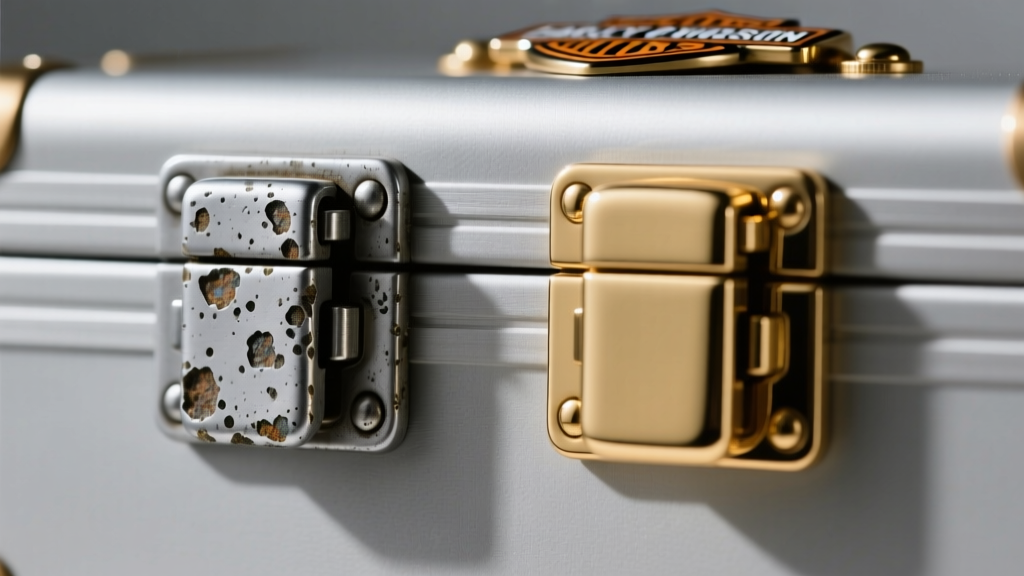
Hardware Metallurgy: Zamac vs. Solid Brass
The hinges, latches, and corner brackets on a Harley Davidson jewelry box are not just functional; they are central to the biker aesthetic. However, the metallurgy of these components varies wildly depending on the box's origin and price point.
- Zamak (Zinc Alloy): The vast majority of branded merchandise boxes use Zamak—an alloy of zinc, aluminum, magnesium, and copper. Zamak is excellent for die-casting intricate shapes like engine blocks or eagle motifs. However, it is highly susceptible to intergranular corrosion if exposed to humidity. Once the thin chrome or brass plating wears off, the zinc core oxidizes, creating a white, powdery 'zinc pest' that can crumble and break.
- Solid Brass and Stainless Steel: Premium or custom-built Harley boxes utilize solid brass or marine-grade stainless steel hardware. Brass offers excellent corrosion resistance and can be polished indefinitely, while stainless steel provides structural rigidity for heavy lids.
- Galvanic Corrosion Risks: If a box uses steel screws to attach brass hinges in a humid environment, galvanic corrosion will occur. The steel will act as a sacrificial anode, rusting rapidly and potentially staining the interior fabric or adjacent jewelry with iron oxide.
Material Comparison Matrix: Harley Davidson vs. Standard Luxury Storage
To contextualize where a Harley Davidson jewelry box stands in the broader market, we must compare its typical material specifications against a standard luxury jewelry organizer designed strictly for preservation.
| Material Component | Typical Harley Davidson Box | Standard Luxury Jewelry Box | Archival Safety Rating |
|---|---|---|---|
| Core Structure | MDF or Injection-Molded Plastic | Kiln-Dried Solid Hardwood | Low (HD) / High (Luxury) |
| Exterior Wrap | PU Synthetic or Bonded Leather | Full-Grain Leather or Lacquered Wood | Medium (HD) / High (Luxury) |
| Hinges & Latches | Plated Zamak (Zinc Alloy) | Solid Brass or Stainless Steel | Low (HD) / High (Luxury) |
| Interior Lining | Untreated Polyester Velvet | Anti-Tarnish Treated Cotton Flannel | Low (HD) / High (Luxury) |
| Adhesives | Standard Industrial Glues (High VOC) | Archival, Acid-Free PVA Glues | Low (HD) / High (Luxury) |
Interior Linings: The Hidden Tarnish Risk
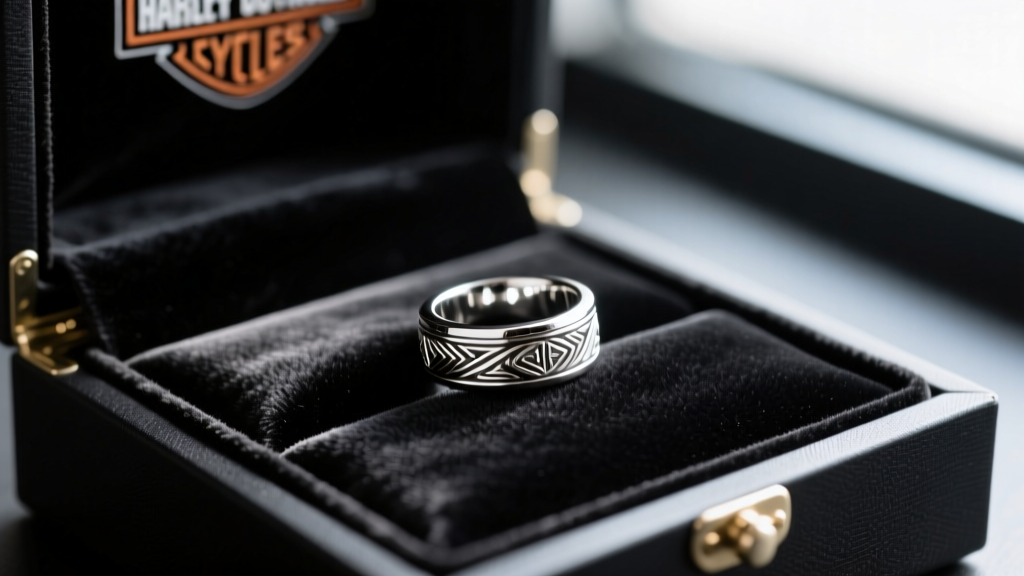
The most critical point of contact between your jewelry and the storage environment is the interior lining. A genuine Harley Davidson jewelry box almost exclusively features a plush, black or orange polyester velvet interior. While visually striking and soft to the touch, standard polyester velvet offers zero chemical protection for precious metals.
Why Polyester Fails Fine Silver
Sterling silver tarnishes when it reacts with sulfur compounds in the air. Purpose-built luxury storage often utilizes materials like Pacific Silvercloth or treated flannel that contains fine silver particles or zinc. These materials act as 'sacrificial traps,' absorbing sulfur and hydrogen sulfide before they can reach your jewelry. Standard polyester velvet, however, is essentially plastic. It does not breathe, it does not trap sulfur, and it can generate static electricity, which attracts dust and abrasive micro-particles that cause micro-scratches on high-polish gold and platinum surfaces.
The Moisture Trap
Furthermore, the dense pile of synthetic velvet can trap ambient moisture if the box is closed while humid. Without the moisture-wicking properties of natural fibers like cotton or linen, this trapped humidity creates a microclimate that accelerates the oxidation of copper alloys and promotes the degradation of porous gemstones like turquoise and opal, which are commonly set in biker-style jewelry. The Gemological Institute of America (GIA) strongly advises against storing porous gems in environments where humidity cannot be regulated or where synthetic off-gassing occurs.
Retrofitting for Preservation: Making it Archival-Safe
If you own a prized Harley Davidson jewelry box and wish to use it for daily storage of fine metals, you must retrofit the interior to mitigate its inherent material flaws. Here is a professional protocol for upgrading the storage environment:
- Install an Acid-Free Barrier: Line the bottom and sides of the interior compartments with acid-free, buffered tissue paper or archival-grade Mylar sheets. This creates a physical barrier between the MDF/PU exterior and your jewelry.
- Use Anti-Tarnish Strips: Tuck 3M anti-tarnish strips or activated charcoal/zeolite packets into the corners of the box. These will absorb the sulfur compounds and VOCs that the polyester lining ignores. Replace these strips every 6 months.
- Condition the Exterior: If your box is wrapped in genuine leather, treat it bi-annually with a pH-neutral leather conditioner, such as Bickmore Bick 4, to prevent the leather from drying out and cracking. Avoid silicone-based sprays, which can degrade the stitching over time.
- Protect the Hardware: Apply a micro-crystalline wax, like Renaissance Wax, to the Zamak hinges and latches. This seals the metal from ambient humidity, preventing the onset of white zinc corrosion and ensuring the mechanical parts remain smooth.
The Collector's Verdict
A Harley Davidson jewelry box is an exceptional piece of memorabilia, a conversation starter, and a ruggedly beautiful container for costume jewelry, heavy steel biker rings, and enamel pins. However, from a strict material science perspective, its reliance on MDF cores, Zamak hardware, and untreated synthetic linings makes it inherently hostile to fine sterling silver and porous gemstones. By understanding these material properties and taking proactive steps to retrofit the interior, you can safely merge your passion for the open road with the proper preservation of your most valuable accessories.


