Japan Jewelry Box Materials: Kiri Wood, Urushi & Silk Compared
Discover the material properties of authentic Japan jewelry boxes. We compare Kiri wood, Urushi lacquer, and silk linings for optimal storage.

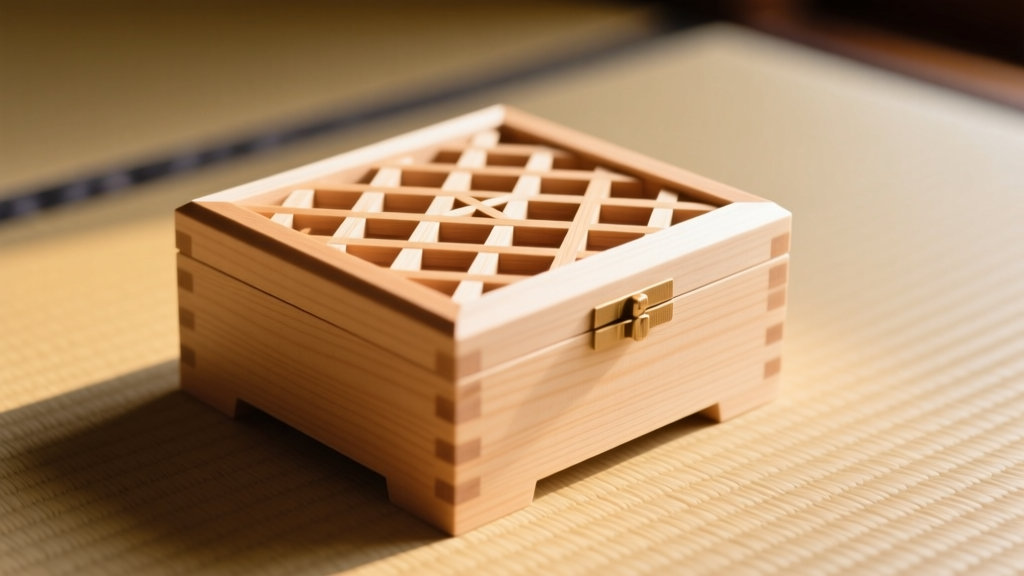
The Anatomy of an Authentic Japan Jewelry Box
The search for an authentic japan jewelry box often yields a confusing mix of heritage craftsmanship and mass-produced imitations. True Japanese storage solutions are not merely decorative; they are engineered micro-climates designed to protect precious metals and gemstones from humidity, sulfur, and physical abrasion. To make an informed purchase in the current 2026 market, collectors and jewelry enthusiasts must look past the exterior aesthetics and evaluate the fundamental material properties of the box.
Unlike Western jewelry chests that often rely on heavy woods and chemical polishes, traditional Japanese boxes utilize specific lightweight timbers, natural lacquers, and acid-free textiles. Understanding the material science behind these components is the only way to guarantee your storage solution will prevent tarnish rather than accelerate it.
Primary Wood Comparisons: Kiri vs. Hinoki vs. MDF Veneers
The structural integrity and moisture-regulating capabilities of a jewelry box begin with its core timber. In Japan, two woods dominate high-end storage, while modern manufacturing frequently substitutes them with engineered alternatives.
| Material | Density (kg/m³) | Chemical / Insect Resistance | Moisture Stability | Avg. Price Range (USD) |
|---|---|---|---|---|
| Kiri (Paulownia) | 280 | High (Contains Paulownin tannin) | Excellent | $150 - $450 |
| Hinoki (Cypress) | 450 | Moderate (Contains Hinokitiol) | Very Good | $250 - $700 |
| MDF w/ Veneer | 700+ | None (Requires chemical sealants) | Poor (Swells if seal breaks) | $30 - $90 |
The Superiority of Kiri (Paulownia tomentosa)
Kiri, or Paulownia, is the gold standard for Japanese storage boxes (known as Kiri-bako). According to the Wood Database, Paulownia is exceptionally light, with an average dried weight of just 280 kg/m³. However, its true value lies in its dimensional stability. Kiri wood expands and contracts minimally with humidity fluctuations, ensuring that drawers and lids never warp or stick. Furthermore, the wood naturally contains paulownin, a tannin that acts as a natural insect repellent and rot inhibitor, eliminating the need for chemical pesticides that could off-gas and damage sensitive pearls or opals.
Hinoki (Chamaecyparis obtusa) and Aromatic Protection
Hinoki cypress is denser and more rigid, often reserved for structural joinery or premium display pieces. It contains hinokitiol, a natural antimicrobial compound that prevents mold growth in high-humidity environments. While beautiful, its strong natural aroma can sometimes be overwhelming for porous gemstones like turquoise, making Kiri the preferred choice for enclosed, long-term storage.
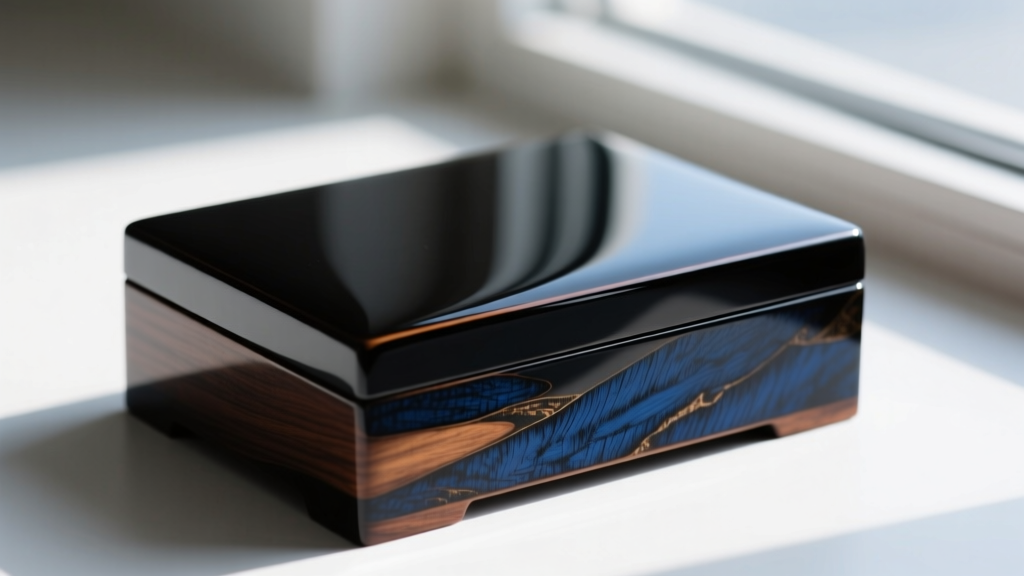
Surface Finishes: Traditional Urushi Lacquer vs. Modern Polyurethane
The exterior finish of a japan jewelry box dictates its durability and its ability to block atmospheric pollutants. Traditional boxes utilize Urushi, a natural sap harvested from the Chinese lacquer tree (Toxicodendron vernicifluum).
The Curing Process and Micro-Climate Control
Unlike synthetic polyurethane or nitrocellulose lacquers that dry through solvent evaporation, Urushi cures through a process of enzymatic polymerization that requires high humidity (75-85% RH) and specific temperatures. The Metropolitan Museum of Art notes that once cured, Urushi forms a cross-linked polymer matrix that is virtually impervious to water, acids, and alkalis. This creates a hermetic seal over the wood, preventing external sulfur compounds from penetrating the box and tarnishing silver or copper alloys stored inside.
Conversely, modern MDF boxes coated in polyurethane or UV-cured acrylics may look glossy, but they lack the flexibility of Urushi. Over time, synthetic finishes develop micro-fractures, allowing moisture and airborne pollutants to reach the core material. Furthermore, synthetic linings and glues used in cheap boxes frequently off-gas Volatile Organic Compounds (VOCs) and hydrogen sulfide, which actively accelerate the tarnishing of sterling silver.
Interior Linings: Silk, Washi, and Synthetic Alternatives
The interior environment is where the most critical chemical interactions occur. The lining of a jewelry box must be chemically inert, breathable, and entirely acid-free.
- Raw Silk and Washi Paper: Authentic Japanese boxes utilize unbleached silk or Washi (traditional mulberry paper). These materials have a neutral pH (around 7.0) and do not off-gas harmful chemicals. Washi paper is particularly effective at buffering humidity, absorbing excess moisture when the ambient air is damp and releasing it when the air is dry.
- PU Leather and Polyester Velvet: Mass-market boxes often use polyurethane (PU) leather or synthetic velvets. These petroleum-based materials degrade over time, releasing plasticizers and sulfur-based accelerants. Storing silver in a PU-lined box can result in heavy black tarnish within weeks, a phenomenon well-documented by conservationists at the Japan Woodworker and heritage preservation societies.
- Adhesives: Pay close attention to how the lining is attached. Traditional makers use nikawa (animal hide glue) or rice paste, both of which are reversible and chemically stable. Modern hot-melt glues can melt in high heat and emit acidic vapors.
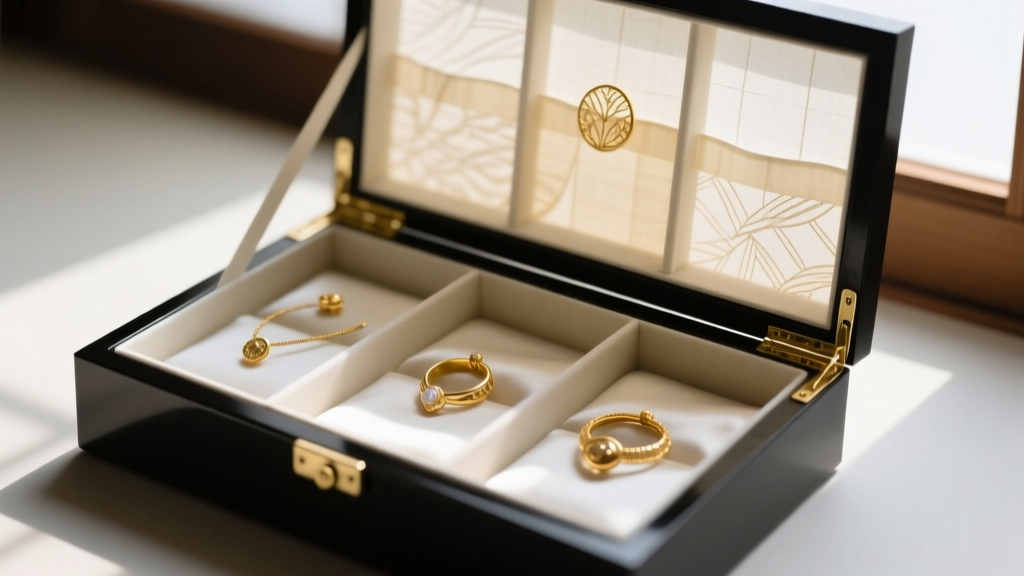
Joinery and Hardware: Sashimono and Metal Fittings
The structural assembly of a high-end japan jewelry box relies on Sashimono, the traditional Japanese art of nail-less woodworking. Artisans use complex interlocking joints—such as blind dovetails and mitered tenons—to assemble the box. This technique is not merely an aesthetic flex; it is a functional necessity.
Metal nails and staples rust over time, expanding and splitting the surrounding wood. Furthermore, the iron and copper in standard hardware can react with the tannins in the wood, creating unsightly black stains. By utilizing purely wooden joinery, the box remains entirely free of reactive metals. When metal hardware is required for hinges or clasps, authentic makers use solid brass or bronze, which are highly resistant to corrosion and do not emit tarnishing sulfur gases.
'A true Kiri-bako is a living vessel. The wood breathes, the joinery shifts microscopically with the seasons, and the Urushi shell protects the treasures within from the ravages of time and atmosphere.' — Traditional Japanese Woodworking Adage
Buyer’s Decision Framework: Verifying Authenticity
When evaluating a japan jewelry box online or in-store, use this material-focused checklist to separate heritage craftsmanship from deceptive marketing:
- The Weight Test: Authentic Kiri wood is shockingly light. If a large, multi-drawer wooden box feels heavy or dense, it is likely MDF or a cheaper pine veneer.
- The Scent Profile: Open the box and smell the interior. It should smell faintly of dry, clean wood or natural straw. Any chemical, plastic, or sharp solvent odor indicates synthetic glues and VOC-emitting linings.
- The Lining Inspection: Check the seams of the interior fabric. Authentic Washi or silk will have precise, folded edges. If the material is stretched over cardboard backing and glued, it is a mass-produced imitation.
- The Grain Continuity: Examine the corners of the box. In Sashimono joinery, the wood grain wraps continuously around the mitered corners. If you see end-grain meeting side-grain, or visible nail holes filled with putty, the box is machine-made.
Conclusion
Investing in an authentic japan jewelry box is an investment in the chemical and physical preservation of your collection. By prioritizing the low-density stability of Kiri wood, the impermeable polymer matrix of Urushi lacquer, and the pH-neutral properties of Washi and silk, you create a localized safe haven for your most delicate pieces. While the upfront cost of authentic materials is higher than synthetic alternatives, the long-term savings in jewelry restoration and tarnish prevention make it an essential tool for any serious collector.


