Is Your Jewelry Box Cardboard Safe For Fine Pieces?
Discover if your jewelry box cardboard is safe for fine pieces. Learn about acidic risks, tarnish prevention, and how to line eco-friendly boxes.

The Appeal of Cardboard Jewelry Organizers
In recent years, the push toward sustainable, minimalist, and DIY-friendly organization has made the cardboard jewelry box incredibly popular. Whether you are receiving a beautifully branded kraft paper box from an independent Etsy seller, upcycling a shipping carton into a custom drawer insert, or purchasing an affordable eco-friendly organizer, cardboard is everywhere. It is lightweight, biodegradable, and highly customizable. However, when it comes to preserving the structural integrity and finish of fine metals and gemstones, not all storage materials are created equal. As a beginner navigating jewelry care, it is crucial to understand the hidden chemistry lurking inside your favorite eco-friendly organizer.
The Hidden Chemistry: Why Bare Cardboard Harms Metals
To understand why a bare jewelry box cardboard interior can be detrimental to your collection, we have to look at the material's chemical composition. Cardboard and paper products are derived from wood pulp, which naturally contains lignin—a complex organic polymer that gives plants their rigidity.
Acidic Off-Gassing and Tarnish Acceleration
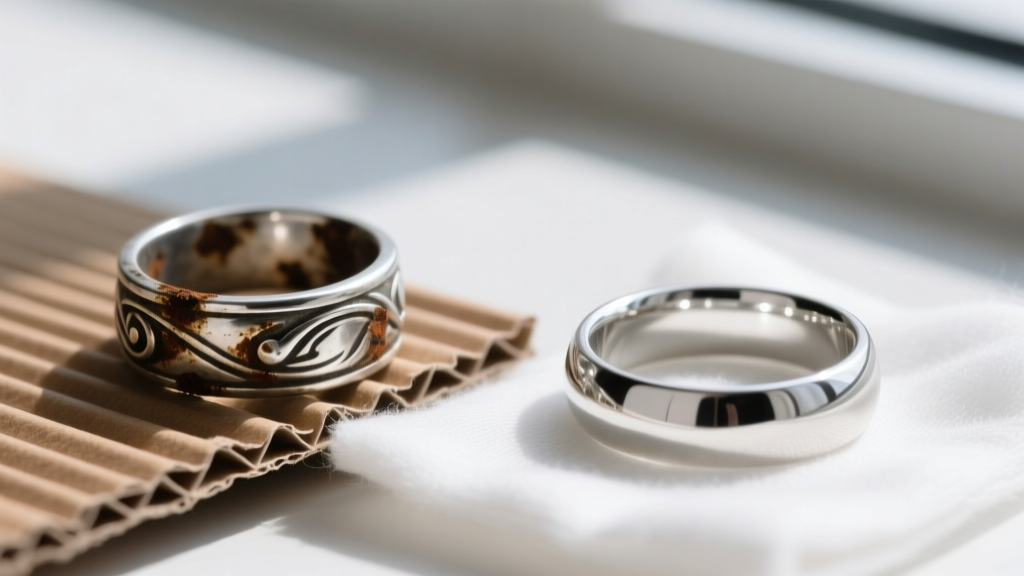
As lignin breaks down over time, it releases acidic compounds. Standard, unbuffered corrugated cardboard typically sits at a pH level between 4.5 and 5.5, making it distinctly acidic. According to guidelines from the Smithsonian Museum Conservation Institute, archival storage materials should maintain a neutral to slightly alkaline pH (between 7.0 and 8.5) to prevent chemical degradation. When sensitive metals like sterling silver, copper, and brass are confined in an acidic microenvironment, the off-gassing accelerates oxidation and tarnishing.
Moisture Trapping and Sulfur Compounds
Beyond acidity, recycled cardboard often contains trace amounts of sulfur compounds leftover from the industrial pulping process or the adhesives used to bind corrugated layers. Sulfur is the primary culprit behind silver sulfide—the stubborn black tarnish that plagues silver jewelry. Furthermore, cardboard is highly hygroscopic, meaning it readily absorbs and traps ambient humidity. If you store a cardboard organizer in a humid environment, the trapped moisture acts as a catalyst, supercharging the tarnishing process and potentially causing irreversible pitting on softer metals.
Material Breakdown: Corrugated vs. Chipboard vs. Kraft
Not all cardboard is manufactured equally. The risk level to your jewelry depends heavily on the specific type of paperboard used in your organizer. Below is a comparative breakdown of the most common materials you will encounter.
| Material Type | Density & Structure | Typical pH Level | Tarnish Risk | Common Use |
|---|---|---|---|---|
| Corrugated | Fluted inner layer between two flat liners; thick and rigid. | 4.5 - 5.5 (Highly Acidic) | High | Shipping boxes, heavy-duty drawer inserts. |
| Chipboard (Paperboard) | Compressed recycled paper fibers; dense, thin, and smooth. | 5.0 - 6.0 (Acidic) | Medium-High | Rigid setup boxes, backing cards for earrings. |
| Kraft Paper | Unbleached chemical pulp; higher tensile strength, fewer impurities. | 6.0 - 7.0 (Near Neutral) | Low-Medium | Premium eco-friendly jewelry boxes, wrapping. |
| Archival Board | Purified alpha-cellulose; lignin-free, buffered with calcium carbonate. | 8.0 - 8.5 (Alkaline) | None | Museum storage, high-end conservation boxes. |
While Kraft paper is safer than heavily recycled corrugated options due to the chemical pulping process that removes most lignin, it still lacks the alkaline buffer required for true long-term archival safety.
How to Safely Use a Cardboard Jewelry Box
You do not need to throw away your aesthetically pleasing or eco-friendly cardboard organizers. By employing a few professional conservation techniques, you can create a safe microenvironment inside any cardboard box. The American Institute for Conservation (AIC) recommends creating physical barriers between acidic housing and sensitive artifacts.
Step 1: Install an Inert Vapor Barrier
Before adding soft linings, you must seal the cardboard's off-gassing. Line the interior walls and base of the box with an inert plastic barrier. Polyethylene sheeting (specifically 4-mil to 6-mil thickness) is chemically stable and will not react with metals. For a professional-grade solution, use Marvelseal 360, an aluminized nylon and polyethylene laminate specifically designed by archivists to block acidic vapors and moisture.
Step 2: Add a Safe, Soft Lining
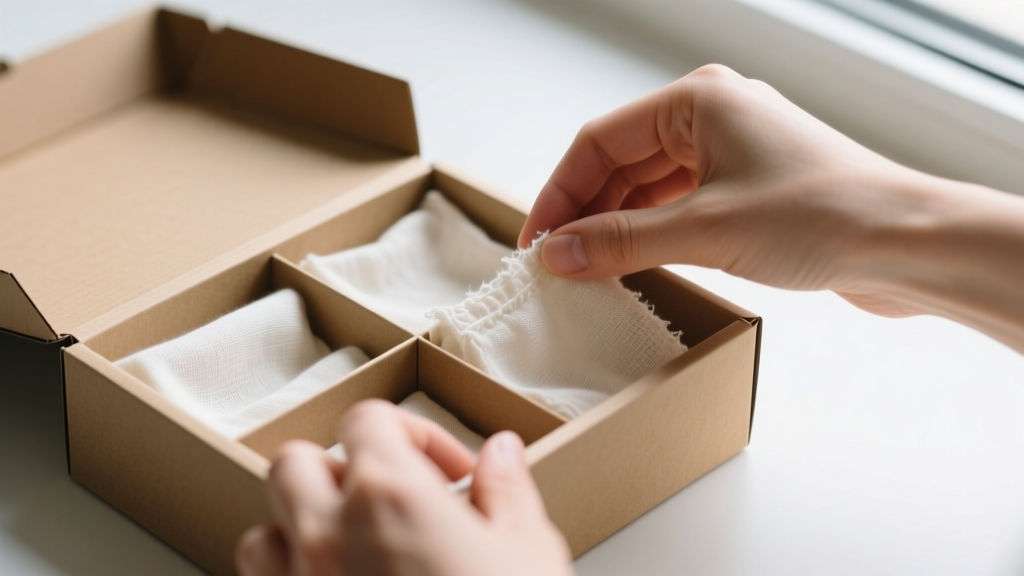
Once the vapor barrier is secured, add a soft lining to prevent physical scratching. Avoid synthetic velvets that may contain volatile organic compounds (VOCs) from factory dyes. Instead, use unbleached, undyed cotton muslin or acid-free tissue paper (buffered to a pH of 8.0). These materials provide a soft cushion while allowing the jewelry to breathe safely within the sealed environment.
Step 3: Integrate Active Anti-Tarnish Technology
Because cardboard boxes are rarely airtight, ambient sulfur will still find its way inside. Place Intercept Technology strips or 3M Pacific Silvercloth tabs inside the lined compartments. These materials actively absorb and neutralize sulfur gases before they can react with your silver and copper pieces. Replace these strips every 6 to 12 months, depending on your local humidity.
Environmental Control: Where You Place the Box Matters
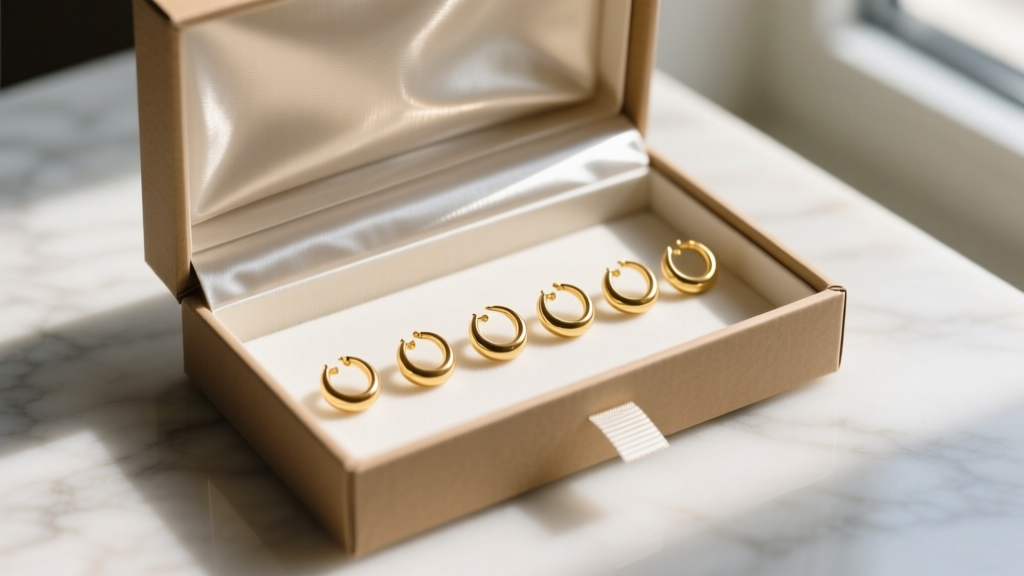
Because cardboard is a sponge for ambient moisture, the physical location of your jewelry box cardboard organizer is just as important as its interior lining. Never store cardboard organizers in bathrooms, basements, or directly against exterior walls where temperature fluctuations cause condensation. To maintain an optimal relative humidity (RH) of 40% to 50% inside the box, include a few packets of indicating silica gel. Opt for cobalt-free indicating silica (which changes from orange to green when saturated) rather than standard white desiccants, so you know exactly when it is time to recharge them in the oven.
When to Upgrade: Signs Your Cardboard is Failing
Even with proper lining, cardboard has a finite lifespan as a storage material. It is time to retire or replace your cardboard organizer if you notice any of the following failure modes:
- Warping and Soft Spots: If the structural integrity of the box is compromised, it will no longer protect jewelry from crushing or physical impact.
- Musty Odors: A damp, earthy smell indicates the presence of mold spores. Mold thrives on the cellulose in cardboard and can permanently etch porous gemstones like pearls, opals, and turquoise.
- White Dust or Flaking: Visible white dust on the surface of the cardboard is a sign of severe acid migration and cellulose breakdown. The material is actively deteriorating and off-gassing heavily.
- Pest Intrusion: Silverfish and booklice are attracted to the starches and cellulose in paper products. If you notice small bite marks or droppings, discard the box immediately to protect your collection.
Expert Verdict: Short-Term Utility vs. Long-Term Storage
A jewelry box cardboard organizer is an excellent, sustainable choice for short-term storage, retail display, or travel, provided it is properly lined and kept in a climate-controlled room. However, for heirloom pieces, high-karat gold, porous gemstones, or long-term vault storage, you should eventually transition to powder-coated steel cabinets, sealed polyethylene bins, or professionally crafted hardwood boxes lined with archival materials. By understanding the chemistry of your storage materials, you can enjoy the eco-friendly aesthetic of cardboard without sacrificing the brilliant finish of your favorite pieces.


