Jewelry Box Drawing Guide: Material & Property Comparisons
Learn how to read a jewelry box drawing to evaluate wood, metal, and lining materials for optimal anti-tarnish protection and longevity.

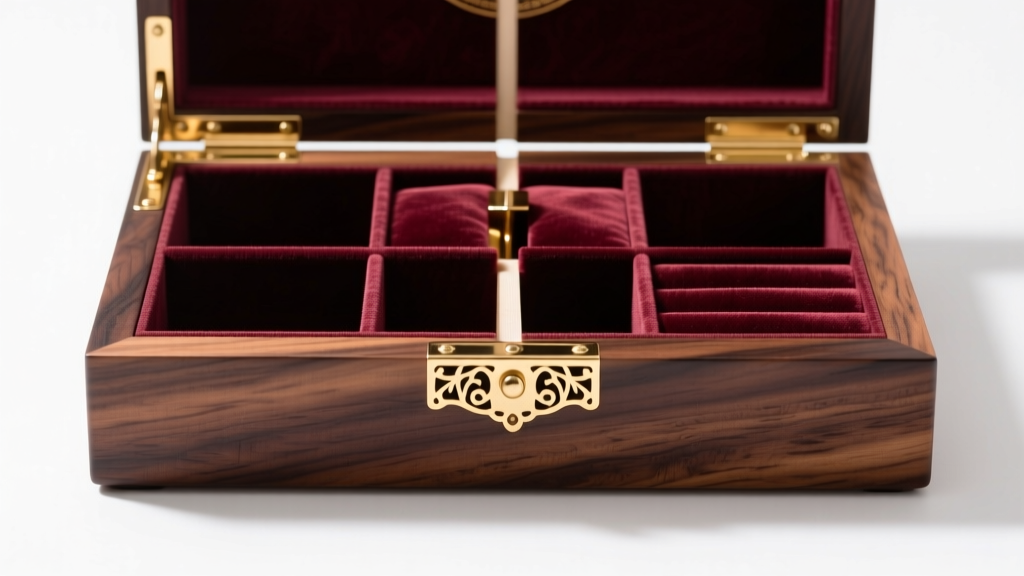
The Blueprint of Preservation: Why the Drawing Matters
When commissioning a bespoke storage piece or evaluating high-end manufacturing specifications, the jewelry box drawing is your most critical tool. Far beyond a simple visual sketch, a technical schematic or CAD drawing reveals the exact material grades, adhesive layers, and structural tolerances that dictate how well the box will protect precious metals and gemstones. For serious collectors and horologists, understanding how to read these drawings is the difference between acquiring a preservation-grade vault and a decorative item that accelerates tarnishing.
In 2026, the luxury storage market has seen a surge in composite materials and synthetic linings. While these may look premium on the surface, a close inspection of the cross-sectional drawings often reveals hidden chemical risks. This guide decodes the material properties hidden within jewelry box schematics, empowering you to make data-driven decisions about woods, alloys, and interior barriers.
Decoding Wood Veneers vs. Solid Hardwoods in Schematics
The exterior shell material is usually the first element detailed on a jewelry box drawing. However, the specific species and treatment of the wood profoundly impact the internal microclimate. Woods naturally emit volatile organic compounds (VOCs) and organic acids as they age or react to fluctuating relative humidity (RH).
Moisture Permeability and Acidic Off-Gassing
Oak (Quercus), while structurally robust and visually striking, is notorious among conservators for emitting acetic acid. If a drawing specifies solid oak for the inner carcase without an impermeable barrier layer, it poses a severe corrosion risk to silver, lead, and copper alloys. Conversely, kiln-dried mahogany and walnut are significantly more stable, provided the schematic notes a moisture content (MC) of 6% to 8% at the time of sealing.
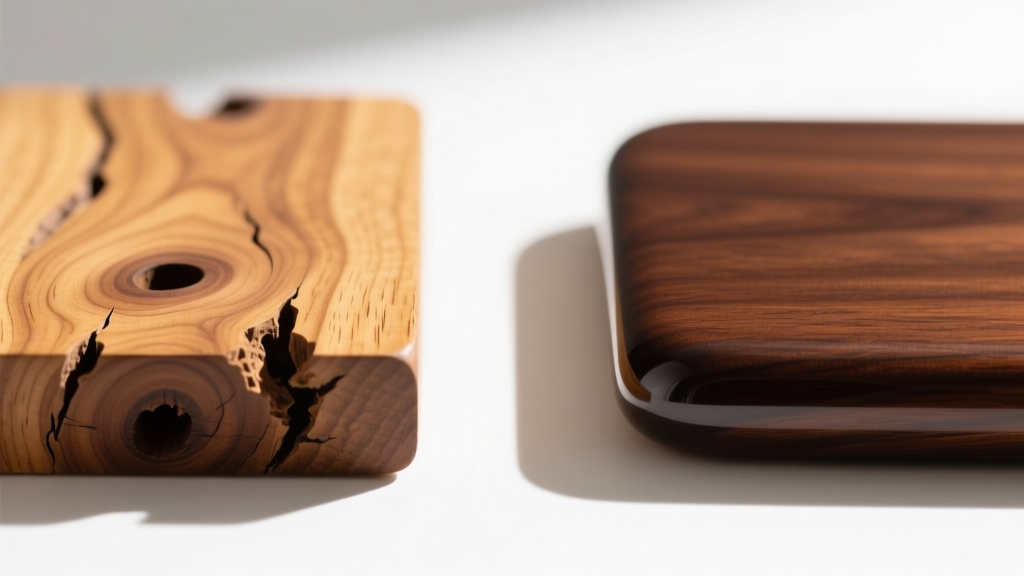
When reviewing the cross-section of the wood paneling on your drawing, look for the specification of a barrier coating. High-end manufacturers will indicate the use of a water-based polyurethane or an aluminum foil laminate between the exterior wood and the interior lining. This prevents acidic vapors from migrating into the storage compartments. According to guidelines published by the Canadian Conservation Institute, sealing wood with multiple coats of acrylic urethane is essential to trap harmful VOCs before they reach sensitive metallic surfaces.
Metal Hardware & Hinge Alloys: What the Specs Reveal
The hardware detailed in the marginal notes of a jewelry box drawing—specifically hinges, clasps, and lock mechanisms—must be evaluated for both mechanical longevity and chemical inertness. Cheap alloys can degrade, seize, or transfer corrosive salts to the jewelry resting nearby.
| Alloy Type | Composition | Corrosion Resistance | Best Use Case |
|---|---|---|---|
| 304 Stainless Steel | Iron, Chromium (18%), Nickel (8%) | Exceptional; highly inert | Piano hinges, heavy vault doors |
| Solid Brass (Lacquered) | Copper, Zinc | Moderate; requires intact lacquer | Decorative clasps, vintage-style locks |
| Zamak (Zinc Alloy) | Zinc, Aluminum, Magnesium, Copper | Poor; prone to 'zinc pest' degradation | Mass-market decorative feet/handles |
If the drawing calls for Zamak hinges, be cautious. Zamak is susceptible to intergranular corrosion (often called 'zinc pest') if exposed to high humidity, leading to catastrophic structural failure over time. For heirloom-grade storage, insist on 304 or 316 stainless steel hardware, which will not rust or off-gas sulfur compounds.
Interior Linings: Translating Cross-Section Drawings
The interior lining is the primary interface between your jewelry and the storage environment. A detailed jewelry box drawing will break down the lining into three distinct layers: the substrate (usually foam or cardboard), the adhesive, and the top fabric.
The Anti-Tarnish Factor
Standard polyurethane foams, often specified in lower-tier schematics, are highly problematic. As they degrade, they can release sulfur compounds that rapidly accelerate the tarnishing of sterling silver. The Gemological Institute of America (GIA) emphasizes that silver requires environments free of sulfur and high humidity to prevent the formation of black silver sulfide.
"A true preservation lining does not merely cushion; it actively intercepts airborne pollutants. Schematics specifying Pacific Silvercloth or treated flannel indicate a chemical defense mechanism where embedded zinc or silver particles sacrifice themselves to neutralize hydrogen sulfide gas before it reaches the stored artifacts."
When analyzing the drawing, ensure the top fabric is specified as acid-free, unbleached cotton or a certified anti-tarnish textile. Synthetic velvets (like nylon or polyester) are generally safe from off-gassing but can generate static electricity, which attracts abrasive dust particles to soft gemstones like pearls and opals.
Adhesives and Off-Gassing: The Hidden Threat in Assembly
Perhaps the most overlooked element in a jewelry box drawing is the adhesive specification. The glues used to bind the wooden carcase, attach the interior foam, and secure the fabric lining can be a primary source of destructive off-gassing.
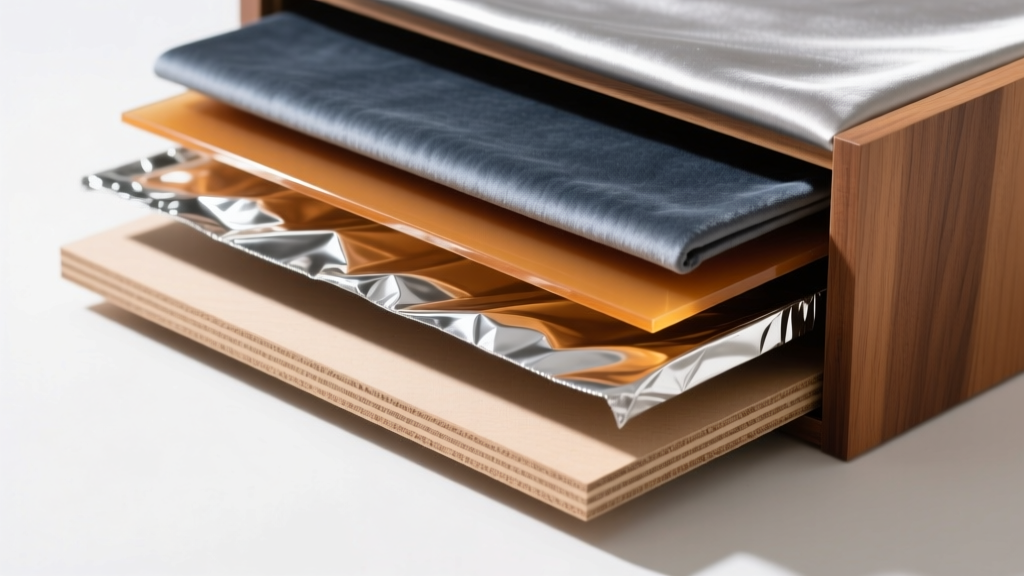
Cyanoacrylate (super glue) and certain solvent-based contact cements release harsh fumes that can cause 'blooming'—a permanent white, cloudy residue—on the surface of polished metals and organic gems. Furthermore, standard PVA (polyvinyl acetate) wood glues retain moisture and can emit trace amounts of acetic acid during the curing process. For bespoke, museum-quality storage, the drawing should specify archival-grade, acid-free PVA or hot-melt EVA (ethylene-vinyl acetate) adhesives that have passed the Oddy test, a standard accelerant aging test used by museum conservators to verify material safety.
Practical Checklist for Evaluating Custom Storage Specs
Before approving a custom jewelry box drawing or purchasing a high-end manufactured piece, run the schematic through this material property checklist:
- Wood Carcase: Are high-tannin woods like oak isolated from the interior via a foil or acrylic barrier?
- Substrate Density: Is the interior foam specified as closed-cell polyethylene (safe) rather than open-cell polyurethane (high risk for sulfur off-gassing)?
- Hardware Metallurgy: Are the hinges and locks forged from 304 stainless steel or properly sealed solid brass?
- Adhesive Chemistry: Does the manufacturer explicitly state the use of acid-free, archival-grade adhesives for all interior fabric bonding?
- Environmental Sealing: Does the drawing include a gasket or silicone weather-stripping around the primary lid to control internal relative humidity?
By treating the jewelry box drawing not just as a design document, but as a chemical and structural blueprint, you ensure your storage solution actively preserves the metallurgical and gemological integrity of your collection for generations.


