Full Length Mirror and Jewelry Box: 2026 Value Guide
Is a full length mirror and jewelry box combo worth the investment? We assess budget vs. premium builds, materials, and hidden tarnish costs.

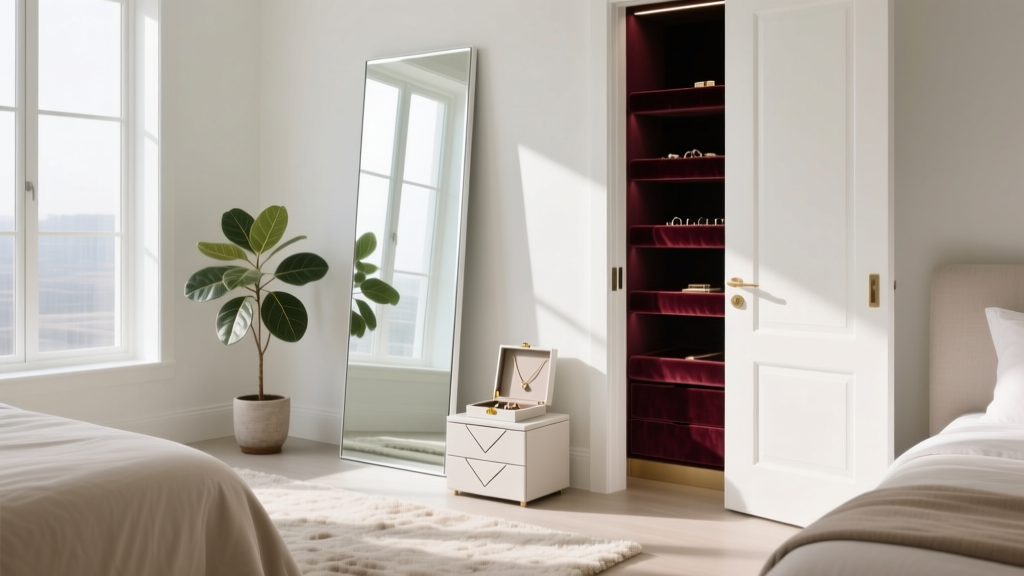
When optimizing a compact bedroom or dressing area, a full length mirror and jewelry box combination seems like the ultimate space-saving hack. By merging a daily necessity (a dressing mirror) with a storage solution for your accessories, these 2-in-1 armoires promise to declutter your space while keeping your collection organized. But as we move through 2026, the market is flooded with options ranging from $70 flat-pack imports to $450 solid-wood furniture pieces.
As a domain expert in jewelry organization, I frequently see collectors make the mistake of prioritizing the mirror's exterior aesthetic over the interior microclimate where their precious metals and gemstones actually live. Is this dual-purpose furniture a genuine value-add, or a compromised gimmick that will ultimately damage your collection? This comprehensive budget and value assessment breaks down the anatomy, hidden costs, and material science of these popular storage units.
The Anatomy of a 2-in-1 Mirror Jewelry Armoire
To assess true value, we must first look past the exterior finish and examine the structural engineering. A mirror jewelry armoire is essentially a heavy, fragile glass panel acting as a door to a shallow, compartmentalized cabinet. This creates unique stress points that budget manufacturers often ignore.
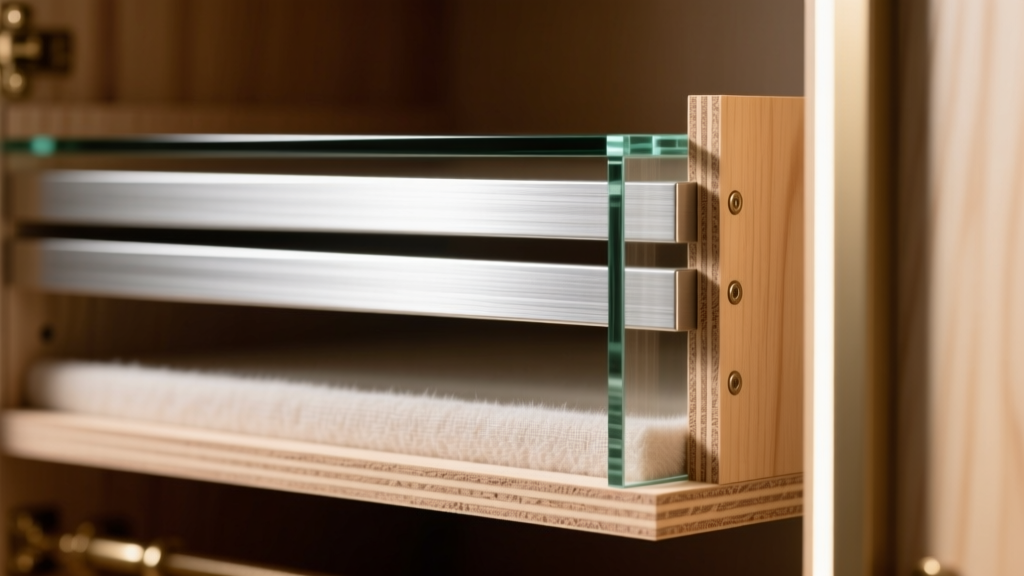
Glass Thickness and Backing
The mirror itself is the most vulnerable component. Budget models (typically under $100) utilize 3mm standard float glass. This thickness is highly susceptible to flexing when the door is opened or closed, which can eventually lead to stress fractures or the delamination of the silvering backing. Premium models invest in 4mm to 5mm silvered glass, often backed with a shatterproof safety film or a rigid MDF/plywood backing layer that prevents flexing and protects the reflective coating from moisture intrusion.
Hinge Mechanics and Door Sag
A 5-foot mirror weighs between 15 and 25 pounds. When mounted vertically and opened frequently, gravity and torque place immense strain on the hinges. Budget units rely on two small, surface-mounted butt hinges that inevitably sag over time, causing the door to scrape the baseboard. High-value models utilize three or four heavy-duty steel hinges, or concealed European cup hinges with adjustable tension, ensuring the door remains perfectly plumb for decades.
Budget vs. Premium: Where the Money Actually Goes
When evaluating a full length mirror and jewelry box, the price disparity is rarely just about brand markup; it is fundamentally tied to material longevity and interior climate control. Below is a comparative breakdown of what your money actually buys in the current market.
| Feature | Budget Tier ($70 - $120) | Premium Tier ($250 - $450+) |
|---|---|---|
| Core Material | Particleboard / Low-density MDF | Solid Rubberwood / High-density Plywood |
| Mirror Glass | 3mm Float Glass (prone to warping) | 4mm-5mm Silvered Glass with Safety Backing |
| Interior Lining | Non-woven Polypropylene / Cheap Felt | Treated Flannel / Pacific Silvercloth |
| Hardware | 2 Surface-mount hinges, plastic locks | 3-4 European hinges, magnetic or keyed locks |
| Joinery | Cam locks and dowels | Dovetail or mortise-and-tenon drawer joints |
The Hidden Costs: Tarnish, Off-Gassing, and Desilvering
The most critical failure point of budget jewelry storage is not structural; it is chemical. Many buyers assume that simply placing their jewelry inside a closed cabinet protects it from the elements. However, the materials used to construct cheap armoires can actively accelerate the degradation of your collection.
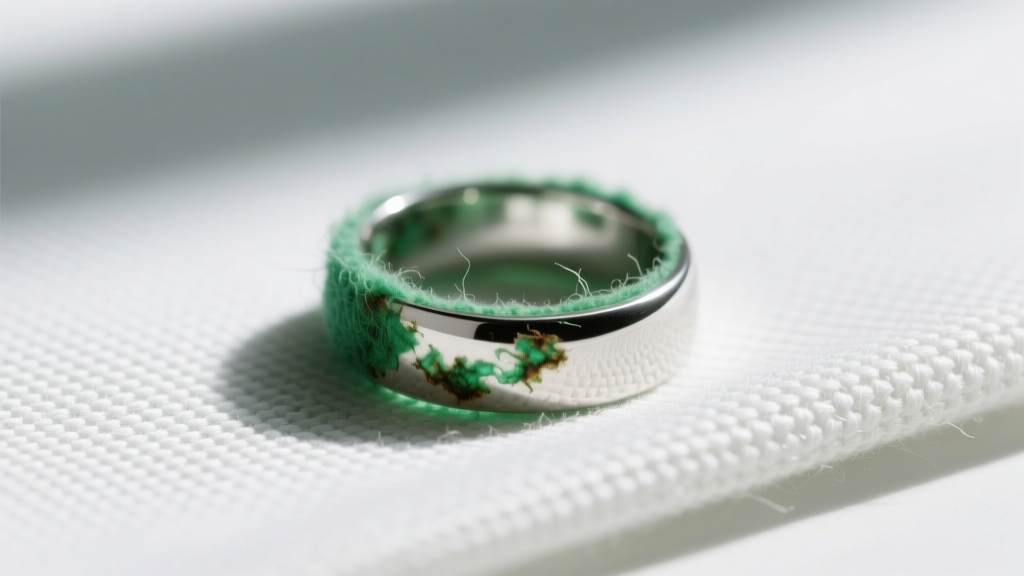
The MDF Off-Gassing Problem
Budget armoires are heavily reliant on Medium-Density Fiberboard (MDF) and particleboard. These engineered woods are bound together using urea-formaldehyde resins. As these resins cure and age, they off-gas volatile organic compounds (VOCs), including trace amounts of sulfur and acidic vapors. According to conservation guidelines from the Gemological Institute of America (GIA), exposure to sulfur and high humidity are the primary catalysts for silver sulfide formation (tarnish). Storing sterling silver or porous gemstones like pearls and opals inside a poorly ventilated, off-gassing MDF box is essentially trapping them in a tarnish-accelerating chamber.
Interior Linings: Felt vs. Treated Cloth
The lining of the jewelry box is your collection's last line of defense. Budget models use standard non-woven polypropylene or dyed felt. These materials trap ambient moisture and do nothing to neutralize airborne pollutants. Premium models justify their higher price point by utilizing anti-tarnish treated flannel or Pacific Silvercloth—a specialized fabric embedded with microscopic silver particles that act as a sacrificial anode, absorbing sulfur and chlorine from the air before they can reach your jewelry. If you are buying a budget model, you must factor in the hidden cost of purchasing and replacing anti-tarnish strips or upgrading the lining yourself.
Mirror Desilvering
Desilvering occurs when the reflective silver backing of the mirror oxidizes, resulting in ugly black or cloudy patches, usually starting at the edges. This happens when moisture penetrates the edge sealant. Budget models often skip edge-sealing entirely, making them highly vulnerable in humid environments like bedrooms adjacent to bathrooms. Premium manufacturers apply a protective edge sealant and use copper-free silvering processes that are vastly more resistant to oxidation.
Value Assessment Framework: Should You Buy One?
To determine if a full length mirror and jewelry box combo offers genuine ROI for your specific situation, run your needs through this decision matrix:
- Space Constraints: If you have less than 40 square feet of dedicated dressing space, the 2-in-1 footprint offers undeniable spatial value, justifying a higher spend on a premium model.
- Collection Profile: If your collection consists mainly of stainless steel, titanium, or gold-filled fashion jewelry, a budget MDF model with standard felt is perfectly adequate. If you own fine jewelry (solid gold, sterling silver, organic gems), the off-gassing risks of budget models make them a liability. You must invest in a premium model with solid wood and treated linings, or stick to a dedicated, climate-controlled jewelry safe.
- Relocation Frequency: Cam-lock MDF units degrade rapidly when disassembled and reassembled. If you rent and move every 1-2 years, a budget armoire will likely fall apart by your second move. Solid wood units with traditional joinery retain their structural integrity and resale value.
Final Verdict on 2026 Market Value
The full length mirror and jewelry box remains a highly practical piece of furniture, but the 'value' is entirely dependent on your expectations and your collection's sensitivity. The $80 to $120 tier is best viewed as temporary, disposable furniture suitable for costume jewelry and low-humidity environments. The true sweet spot for long-term value lies in the $250 to $350 range, where you secure 4mm safety glass, European hinges, solid wood frames, and anti-tarnish interior treatments.
For expert tips on maintaining your collection's luster regardless of your storage choice, Good Housekeeping's organization experts recommend incorporating silica gel packets and activated charcoal pouches into any enclosed storage space to aggressively manage ambient moisture. Ultimately, do not let the convenience of a mirrored door blind you to the material science happening inside the box. Protect your investment by prioritizing interior climate and structural hardware over superficial exterior finishes.


