The Cynthia Rowley Glass Jewelry Box: Material Guide
Explore the material properties of the Cynthia Rowley glass jewelry box, comparing glass types, hinge metallurgy, and anti-tarnish linings.

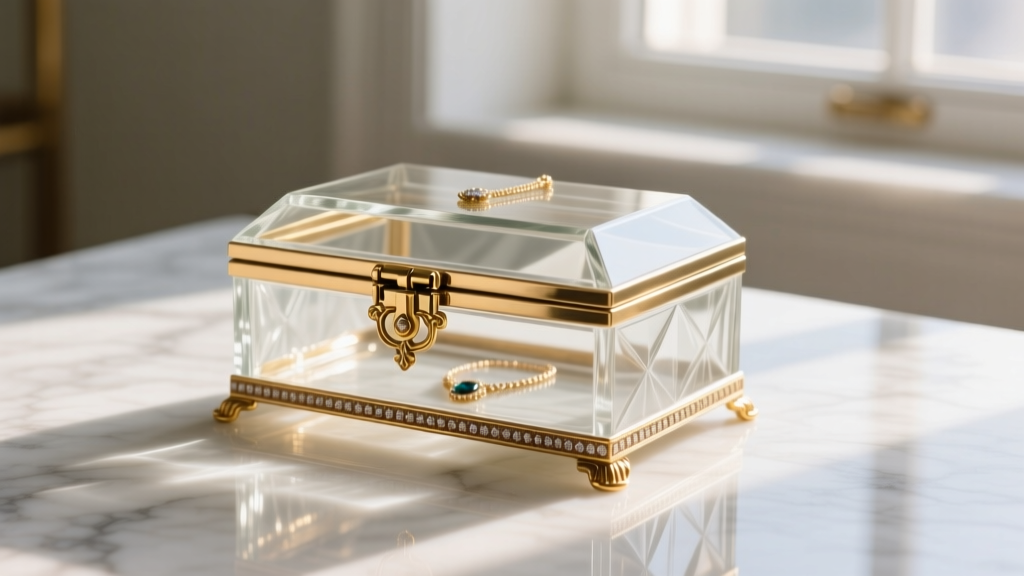
When curating a sophisticated vanity, the storage you choose is just as critical as the collection it houses. Among the most sought-after aesthetic pieces in the secondary and vintage home decor markets is the Cynthia Rowley glass jewelry box. Known for her whimsical yet glamorous approach to design, Rowley’s forays into home accessories—often characterized by antiqued mirrors, beveled edges, and ornate metallic accents—have made her glass storage pieces highly collectible. However, beyond the undeniable visual appeal, how do these designer pieces perform from a strict material science and conservation perspective?
In this comprehensive material guide, we deconstruct the anatomy of designer glass jewelry storage. We will evaluate the specific grades of glass, the metallurgy of the hardware, and the chemical properties of the interior linings to determine if a Cynthia Rowley glass jewelry box is merely a beautiful display piece, or a genuinely protective environment for fine metals and gemstones.
The Anatomy of Designer Glass Storage
The defining feature of any Cynthia Rowley glass jewelry box is, naturally, the glass itself. Unlike mass-produced acrylic or polyurethane alternatives, authentic designer glass boxes typically utilize soda-lime float glass. This material is chosen for its optical clarity, weight, and ability to take a high-polish bevel.
In many of Rowley’s vintage and collaboration pieces, the glass is treated to create an antiqued mirror effect. This is achieved through a chemical patina applied to the silvering layer on the back of the glass. From a conservation standpoint, this presents a unique challenge. Traditional mirror silvering utilizes a layer of silver nitrate over a copper backing. When exposed to high humidity or harsh chemical cleaners, the copper oxidizes, leading to 'desilvering'—those black, creeping spots often seen on vintage vanity mirrors.
Expert Insight: If you are acquiring a vintage Cynthia Rowley mirrored box, inspect the bottom edges of the glass panels. Desilvering almost always begins at the seams where moisture breaches the protective backing paint. A box with intact silvering commands a 30-40% premium on the resale market.
Glass Thickness and Structural Integrity
Standard commercial jewelry boxes often use 2mm to 3mm glass to keep shipping weights and costs down. However, premium designer pieces typically step up to 4mm or 5mm beveled glass. The beveling process not only catches the light but also removes the sharp, fragile 90-degree edge, reducing the risk of chipping during daily use. According to the Corning Museum of Glass, the edge profile of cut glass significantly dictates its long-term fracture resistance, making beveled 5mm glass vastly superior for hinged lid applications.
Material Comparison: Glass vs. Acrylic Alternatives
To understand the material superiority of a Cynthia Rowley glass jewelry box, we must compare it to modern acrylic (PMMA) and polycarbonate alternatives often marketed as 'shatterproof' glass.
| Material Property | Soda-Lime Glass (Designer) | Cast Acrylic (PMMA) | Polycarbonate |
|---|---|---|---|
| Mohs Hardness | 5.5 - 6.0 | 3.0 | 2.5 - 3.0 |
| Scratch Resistance | Excellent (resists metal jewelry) | Poor (scratches from dust) | Very Poor |
| UV Degradation | None (100% UV stable) | Moderate (can yellow) | High (yellows and hazes) |
| Weight / Feel | Heavy, premium tactile feedback | Lightweight, hollow feel | Lightweight |
| Chemical Resistance | High (except to hydrofluoric acid) | Low (clouds with alcohol) | Low (clouds with solvents) |
While acrylic is lighter and shatter-resistant, its Mohs hardness of 3.0 means that simply wiping dust off the surface with a dry cloth can induce micro-scratches, eventually clouding the transparency. Glass, with a Mohs hardness nearing 6.0, remains impervious to the metallic edges of rings and bracelets sliding against the interior walls.
Hardware and Hinge Metallurgy
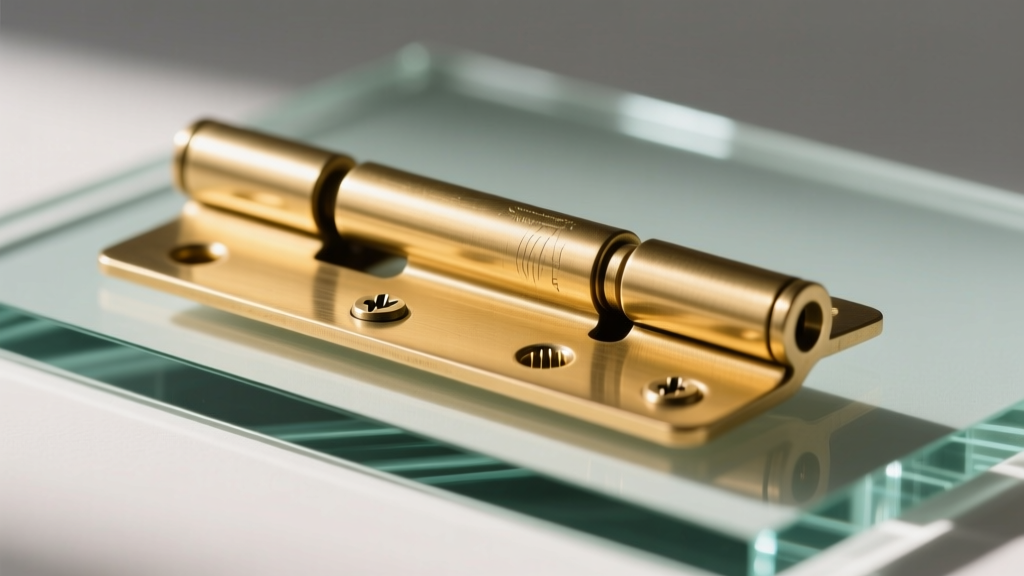
The failure point of 90% of glass jewelry boxes is not the glass, but the hardware. The hinges and clasps bear the mechanical stress of daily opening and closing. When evaluating a Cynthia Rowley glass jewelry box, the metallurgy of these components dictates the lifespan of the piece.
Zamak vs. Solid Brass
Lower-tier decorative boxes rely on Zamak (a zinc alloy containing aluminum, magnesium, and copper). While Zamak is easy to cast into ornate, vintage-style shapes, it is highly susceptible to zinc pest—a slow, crystalline degradation that causes the metal to swell, pit, and eventually crumble, especially in humid environments like bathrooms or coastal bedrooms.
Authentic designer pieces and high-end vintage reproductions utilize solid brass or 304-grade stainless steel for their hinges and piano wires. Solid brass offers natural corrosion resistance and develops a desirable, manageable patina over time. If the brass is lacquered, it will remain bright indefinitely, provided the lacquer is not stripped by ammonia-based cleaners.
Clasp and Latch Tension
A critical, often overlooked detail is the clasp tension. Glass lids are heavy. If the latch relies on a weak magnetic catch or a thin steel spring, the lid will slam shut, sending shockwaves through the glass panels. Premium boxes use friction-hinges or heavy-duty brass tension catches that require a deliberate pull to open and ease the lid shut, protecting the structural integrity of the glass joints.
The Tarnish Factor: Interior Linings
A beautiful exterior is useless if the interior accelerates the oxidation of your silver and copper pieces. The Gemological Institute of America (GIA) emphasizes that improper storage environments are the leading cause of preventable tarnish and gemstone dehydration.
Standard Velvet vs. Treated Flannel
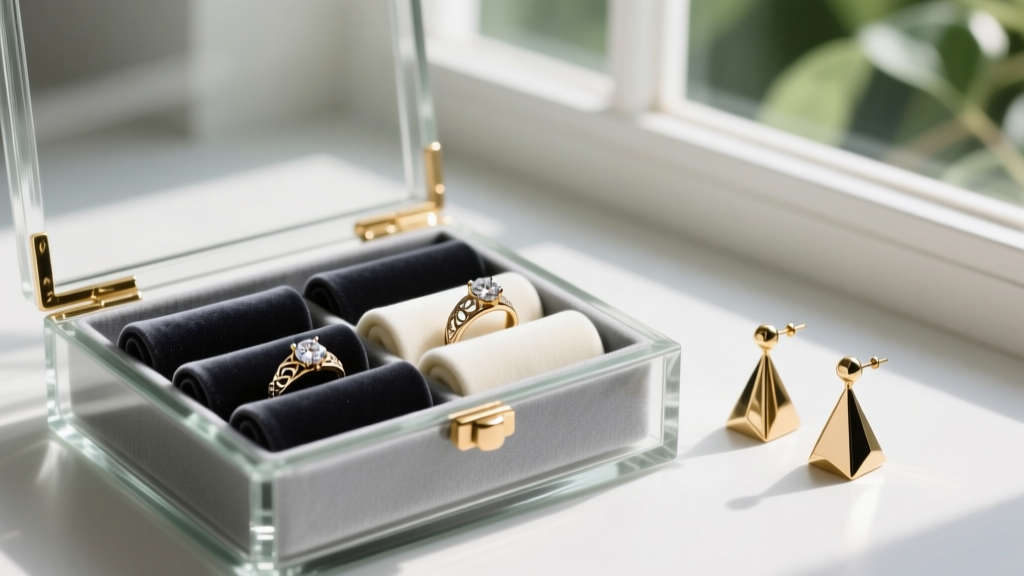
Most commercial jewelry boxes are lined with standard polyester velvet. While soft, polyester is essentially a plastic that can trap ambient moisture against the metal surface, accelerating the electrochemical reaction that causes silver sulfide (tarnish) to form.
High-end storage solutions, and those retrofitted by serious collectors, utilize Pacific Silvercloth or Luthite. Pacific Silvercloth is a 100% cotton flannel embedded with thousands of microscopic silver particles. These embedded particles act as a sacrificial anode; they tarnish first, absorbing the sulfur and pollutants from the air before they can reach your actual jewelry. If you are restoring a vintage Cynthia Rowley glass jewelry box, stripping out the degraded polyester lining and replacing it with a custom-cut Pacific Silvercloth insert is the single best upgrade you can make for your collection's longevity.
Longevity and Maintenance of Mirrored Glass Boxes
Maintaining the pristine condition of a glass and mirrored jewelry box requires abandoning standard household cleaning habits. The most common mistake owners make is spraying glass cleaner directly onto the box.
- Never Use Ammonia: Ammonia-based cleaners (like standard Windex) will seep into the seams and instantly destroy the mirror's silver backing, causing irreversible black spotting.
- Avoid Alcohol on Acrylic Accents: If your box features any acrylic or lacquered brass elements, isopropyl alcohol will cause crazing (micro-cracking) and strip the protective lacquer.
- The Microfiber Method: Use a slightly damp, high-GSM microfiber cloth with distilled water to wipe the exterior glass. Buff dry immediately with a separate, clean microfiber towel to prevent hard water mineral deposits.
Final Verdict on Material Investment
Is a Cynthia Rowley glass jewelry box a sound investment for serious jewelry collectors? From a purely material standpoint, the use of thick, beveled soda-lime glass and heavy brass hardware places these pieces firmly in the 'durable heirloom' category, provided they are kept in climate-controlled environments away from direct humidity. While they may not feature the airtight, gasket-sealed environments of specialized horological safes, their superior scratch resistance, UV stability, and undeniable aesthetic gravity make them a premier choice for displaying and organizing daily-wear fine jewelry. By understanding the material properties and upgrading the interior linings, you can ensure your designer storage piece protects your collection for decades to come.


