Farmhouse Jewelry Box Buying Guide: What to Look For
Discover what to look for in a farmhouse jewelry box. Our buying guide covers wood types, anti-tarnish linings, and hardware for rustic organization.

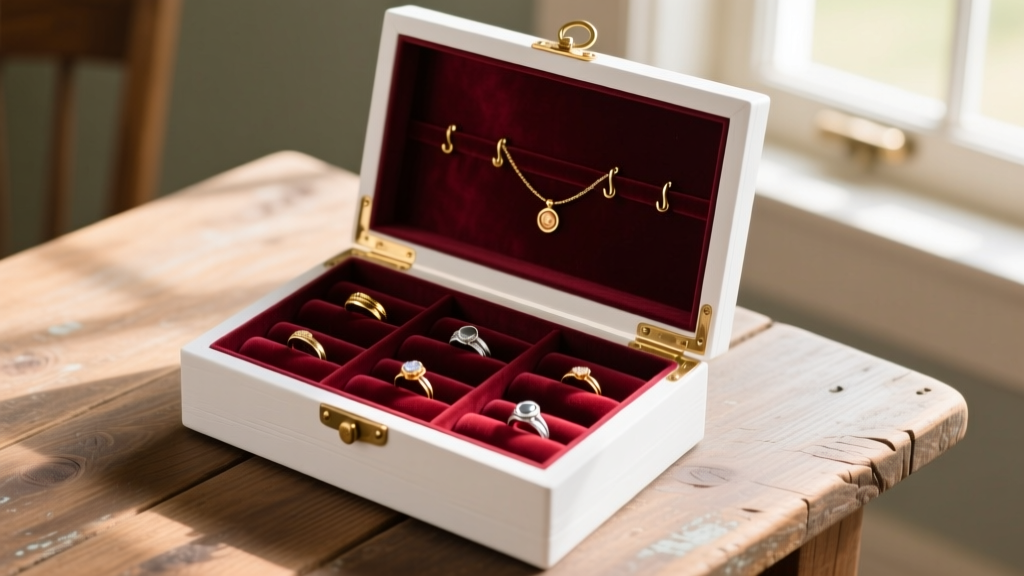
The Intersection of Rustic Charm and Jewelry Preservation
The modern farmhouse aesthetic has dominated interior design for years, bringing warm textures, distressed finishes, and vintage-inspired hardware into bedrooms and vanities. When it comes to jewelry storage, a beautifully crafted farmhouse jewelry box can serve as a stunning focal point. However, the rustic charm of reclaimed woods, raw textiles, and wrought-iron accents often masks significant preservation risks for fine jewelry. Silver tarnishes, gold scratches, and gemstones loosen when stored in poorly engineered environments.
This buying guide strips away the aesthetic veneer to examine the structural integrity, material science, and organizational mechanics you must evaluate before purchasing a farmhouse-style jewelry organizer. Whether you are storing heirloom silver, everyday gold hoops, or delicate pearl strands, understanding these specifics will ensure your investment protects your collection rather than degrading it.
Core Materials: Evaluating the Wood and Construction
The defining characteristic of any farmhouse jewelry box is its wooden exterior. However, not all wood treatments are created equal, and the wrong choice can lead to warping, off-gassing, or moisture trapping.
Reclaimed Barn Wood vs. Solid Pine vs. MDF Veneers
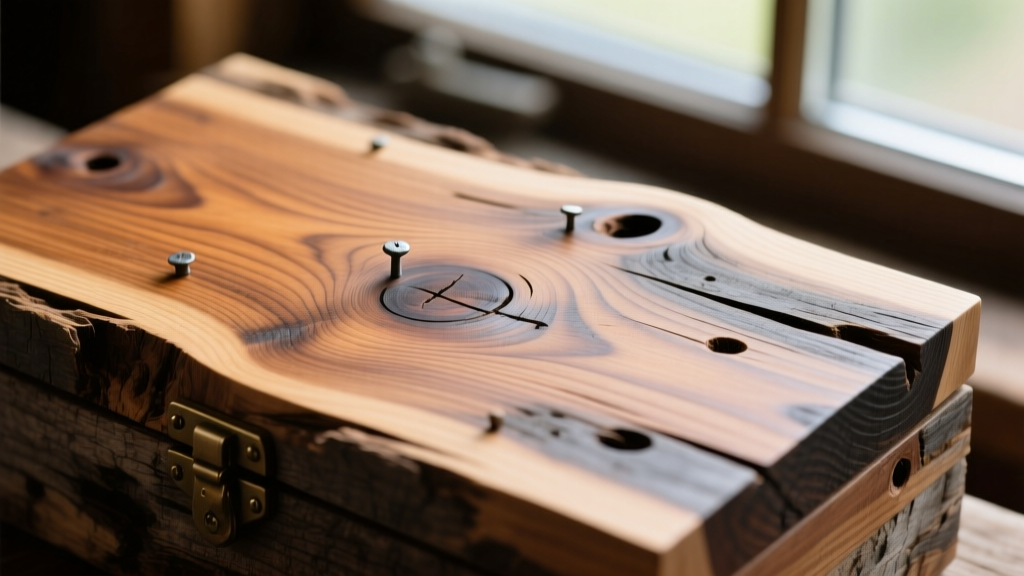
Authentic reclaimed wood offers unparalleled character, complete with nail holes and weathering. Yet, wood is hygroscopic, meaning it absorbs and releases moisture based on ambient humidity. According to the Wood Database, wood must be properly kiln-dried to an Equilibrium Moisture Content (EMC) of 6% to 8% for indoor furniture. If a rustic box is crafted from improperly cured reclaimed timber, it will warp in climate-controlled bedrooms, potentially snapping delicate internal hinges or cracking the jewelry inside.
Solid pine is a more stable, affordable alternative that takes whitewash and distressing techniques beautifully. Medium-Density Fiberboard (MDF) with a shiplap or wood-grain veneer is the cheapest option. While MDF is dimensionally stable, it is highly susceptible to swelling if exposed to humidity or liquid spills, and the off-gassing from cheap MDF adhesives can actually accelerate the tarnishing of silver and copper pieces.
The Anti-Tarnish Dilemma in Rustic Linings
The most critical failure point in farmhouse jewelry boxes is the interior lining. To achieve a rustic look, many manufacturers line their boxes with raw burlap, unbleached cotton, or coarse linen. From a preservation standpoint, this is disastrous.
The Science of Silver Sulfide Formation
Silver tarnish is not a defect; it is a chemical reaction. Hydrogen sulfide in the air reacts with silver to form silver sulfide. Raw cotton and burlap are highly porous and trap ambient moisture, creating a microclimate that accelerates this oxidation process. Furthermore, these natural fibers often contain residual sulfur from their agricultural processing.
When shopping for a farmhouse jewelry box, you must look for specific interior treatments:
- Pacific Silvercloth: A specialized flannel embedded with fine silver particles that intercept and absorb hydrogen sulfide before it reaches your jewelry.
- Treated Anti-Tarnish Flannel: Chemically treated fabrics that neutralize corrosive gases.
- Microfiber or Suede Alternatives: If a true farmhouse aesthetic is desired, opt for a box that uses a neutral-toned, ultra-suede lining that mimics the matte look of raw fabric without the moisture-trapping properties.
For deep insights on preventing silver degradation, the Canadian Conservation Institute highly recommends utilizing specialized tarnish-inhibiting cloths and maintaining low-humidity storage environments, completely avoiding sulfur-rich natural fibers.
Hardware and Hinges: The Hidden Failure Points
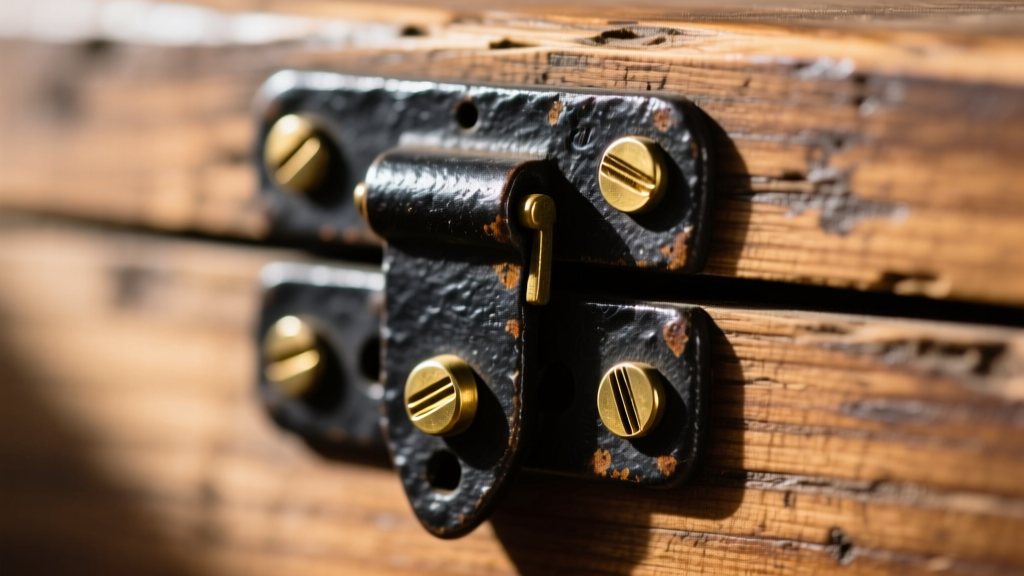
Farmhouse designs heavily feature black iron strap hinges, rustic latches, and vintage-style drawer pulls. While visually striking, untreated iron oxidizes rapidly. If a rusty hinge is located near an open compartment, the microscopic iron oxide particles can transfer to your jewelry, causing pitting on softer metals and staining porous gemstones like turquoise or pearls.
What to Look For in Hardware
Always inspect the finish on the metal hardware. You want powder-coated iron or antique brass. Powder coating seals the iron completely, preventing rust while maintaining the matte, forged look essential to the farmhouse style. Additionally, check the hinge tension. A lid that slams shut without a soft-close mechanism or a sturdy friction stay is a hazard to both the box's structural joints and any fingers caught in the closure.
Spatial Organization and Interior Layout
A beautiful exterior is useless if the interior layout damages your jewelry through tangling or crushing. Farmhouse boxes often prioritize large, open cavities over specialized organization. Here is how to evaluate the interior geometry based on your collection:
Necklace Drops and Ring Rolls
Necklaces require a minimum vertical drop of 10 to 12 inches to prevent the chains from overlapping and knotting. If the farmhouse box features a shallow lid, ensure it includes a dedicated side-door or pull-out drawer for hanging chains. For rings, look for rolled velvet or suede inserts with spacing of at least 1.5 inches between rolls. Tighter spacing will cause large statement rings or wide-band mens' rings to crush against one another, scratching precious metal finishes.
Material and Feature Comparison Chart
Use this table to quickly assess the quality tier of the farmhouse jewelry box you are considering.
| Feature | Budget Tier ($30 - $60) | Mid-Tier ($80 - $150) | Premium Artisan ($200+) |
|---|---|---|---|
| Exterior Material | MDF with printed veneer | Solid pine, whitewashed | Kiln-dried reclaimed oak |
| Interior Lining | Raw cotton or cheap felt | Standard velvet or suede | Pacific Silvercloth / Treated flannel |
| Hardware Finish | Painted pot metal | Powder-coated iron | Hand-forged, sealed antique brass |
| Moisture Risk | High (swelling/off-gassing) | Low (if properly sealed) | Minimal (kiln-dried to 6-8% EMC) |
Pricing Tiers and Final Buying Advice
When budgeting for a farmhouse jewelry box, expect to pay between $80 and $150 for a reliable, solid-wood piece with adequate interior organization and safe linings. Boxes priced under $50 almost universally rely on MDF construction and raw fabric linings that will actively harm silver and copper pieces over time. Conversely, artisan-crafted boxes utilizing true reclaimed barn wood and custom-fitted anti-tarnish interiors will easily exceed $250, but they offer generational durability.
Ultimately, the perfect farmhouse jewelry box does not force you to compromise between rustic aesthetics and horological or gemological preservation. By demanding proper wood curing, sealed hardware, and scientifically sound interior linings, you can enjoy the warmth of farmhouse design while keeping your collection pristine, untangled, and brilliantly polished for years to come.


