Jewelry Box Heart Care: Cleaning Velvet, Leather & Hinges
Learn expert jewelry box heart care techniques. Discover how to clean velvet linings, condition leather exteriors, and protect hinges from wear.

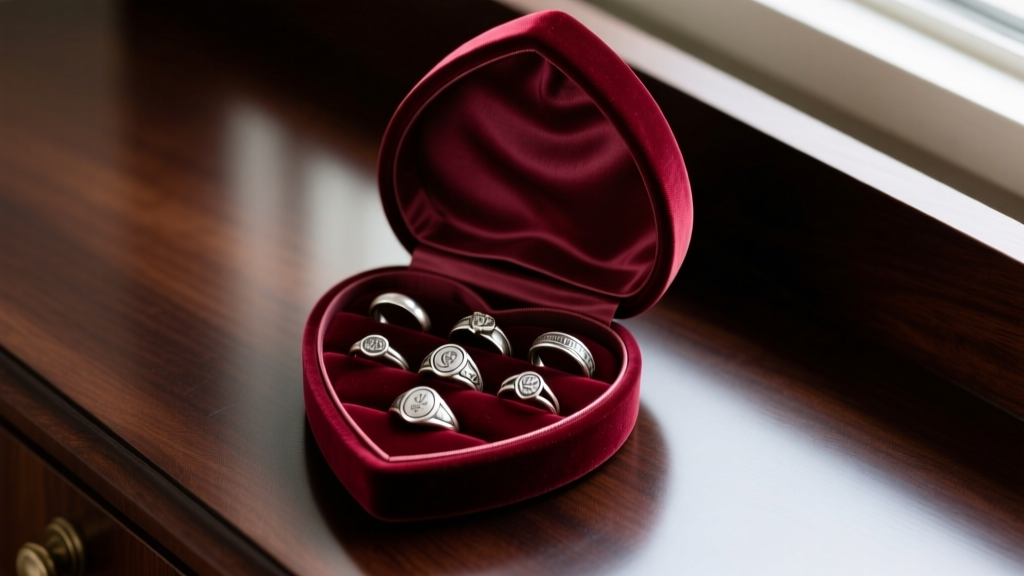
Heart-shaped jewelry boxes are iconic, romantic storage solutions, but their unique geometry and mixed-material construction demand specialized maintenance. Unlike standard rectangular organizers, a jewelry box heart features deep V-crevices, asymmetrical lid weight distribution, and curved seams that trap dust, moisture, and skin oils. As we move through 2026, collectors and everyday wearers alike are turning to museum-grade conservation techniques to preserve both the storage vessel and the precious metals housed within.
Proper maintenance is not just about aesthetics; it is a critical component of jewelry preservation. According to the Gemological Institute of America (GIA), improper storage environments and degraded box linings can accelerate tarnishing, scratch delicate gemstones, and introduce corrosive chemicals to your pieces. This comprehensive guide details the exact materials, solvents, and mechanical adjustments required to restore and maintain your heart-shaped jewelry box.
The Geometry Problem: Why Heart Shapes Require Unique Care
The defining feature of a heart-shaped box—the central cleft and sweeping outer curves—creates structural vulnerabilities. The deep inner crevice restricts airflow, creating a micro-climate where ambient humidity can become trapped. This stagnant moisture is the primary catalyst for silver sulfide formation (tarnish) on sterling silver and copper alloys. Furthermore, the curved exterior seams are often glued rather than stitched, meaning harsh liquid cleaners can dissolve the adhesives, causing the leather or velvet to peel away from the wooden or cardboard armature.
Exterior Maintenance: Leather, Faux Leather, and Wood
The exterior shell of your jewelry box heart dictates its resistance to environmental damage. The approach to cleaning must be strictly matched to the material grade.
Genuine vs. Faux Leather Care
For genuine top-grain or full-grain leather boxes, avoid all alcohol-based wipes and standard household multi-surface cleaners. These strip the natural tanning oils, leading to dry rot and cracking along the curved heart seams. Instead, use a pH-neutral leather cleaner followed by a microcrystalline wax or a dedicated leather conditioner like Lexol. Apply the conditioner with a lint-free microfiber cloth, working it into the leather in small, circular motions. Allow it to penetrate for 15 minutes before buffing.
Faux leather (polyurethane or PVC) requires a different approach. Because it lacks pores, conditioners will simply sit on the surface and attract dust. Clean PU leather with a damp cloth and a single drop of mild dish soap, then dry immediately. To prevent the plasticizers from degrading and causing the material to peel, keep the box out of direct UV light, which breaks down the polymer chains over time.
Wood Polish and Waxing
If your heart box features a carved wooden exterior or a mahogany base, avoid aerosol silicone sprays (like standard furniture polishes). Silicone creates a superficial shine but builds up over time, trapping dirt and preventing the wood from breathing. The gold standard for wooden jewelry boxes is Renaissance Micro-Crystalline Wax Blend. Originally developed by the British Museum, this wax is completely acid-free and will not leave a residue that could transfer to your jewelry.
Restoring the Interior: Velvet and Suede Linings
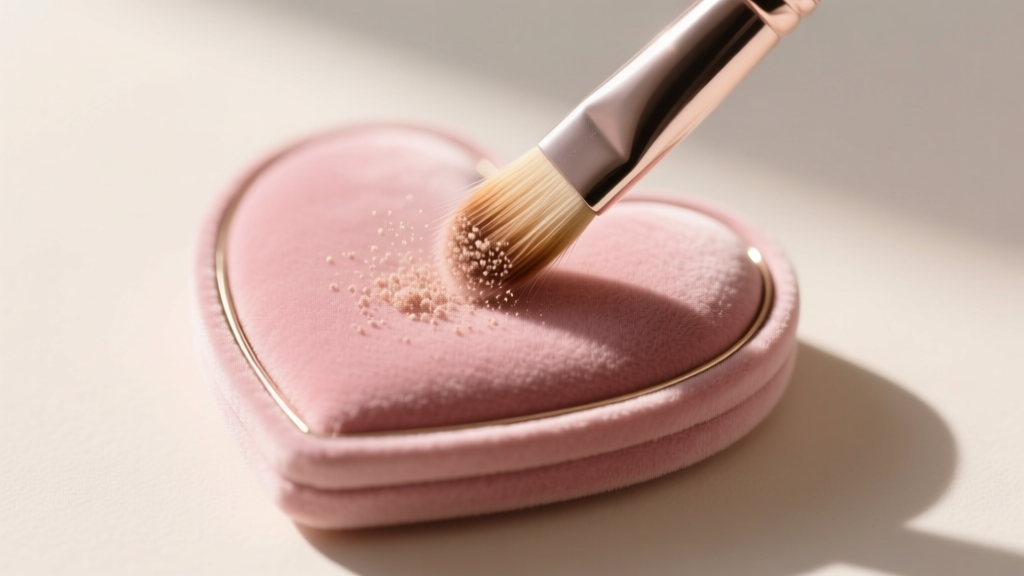
The interior lining is the material in direct contact with your jewelry. Velvet and suede are highly porous and easily stained by makeup, lotions, and oxidized metal dust. Water is the enemy of velvet linings; excessive moisture will seep through the fabric and warp the underlying cardboard or rust the metal staples holding the lining in place.
The Dry-Cleaning Protocol
- Vacuum Extraction: Use a handheld vacuum with a soft brush attachment on the lowest suction setting to remove loose dust and skin cells from the deep V-crevice of the heart shape.
- Nylon Brush Agitation: For stubborn metal dust (often seen as dark smudges where silver necklaces rest), use a clean, dry nylon-bristle jewelry brush. Gently agitate the velvet pile in one direction to lift the particles to the surface.
- Upholstery Foam: For oil stains, apply a small amount of waterless upholstery cleaning foam to a cotton swab. Dab—do not rub—the stain. The foam encapsulates the oils without soaking the fabric.
- Lint Rolling: Finish by rolling a fresh, high-tack lint roller over the entire interior to capture any remaining micro-debris.
Hardware and Hinge Lubrication
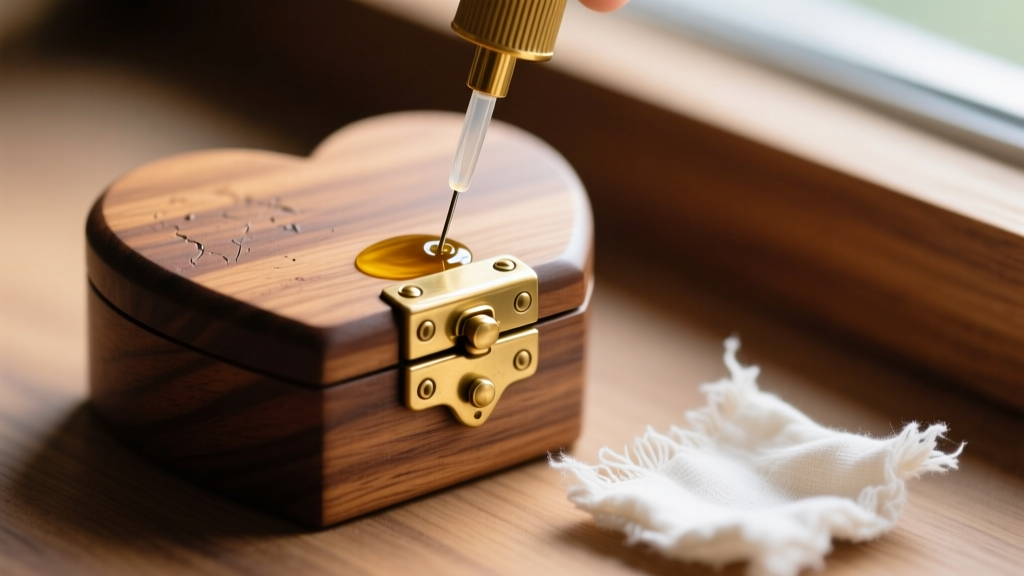
Heart-shaped lids are notoriously heavy on one side due to their asymmetrical design, placing uneven torque on the hinges. Over time, this causes the brass or steel hinges to bind, squeak, or snap. Never use standard WD-40 on jewelry box hinges; it contains harsh solvents that will degrade nearby velvet and leave a sticky residue that attracts abrasive dust.
Instead, use a dry PTFE (Teflon) lubricant or a synthetic sewing machine oil applied with a precision needle applicator. Place a single drop directly into the hinge knuckle, open and close the lid ten times to work the lubricant in, and immediately wipe away any excess with a cotton swab to prevent it from migrating onto the interior lining.
Material-Specific Cleaning Matrix
Refer to the table below to ensure you are using the correct agents for your specific jewelry box heart construction. Using the wrong solvent can cause irreversible damage to both the box and the jewelry inside.
| Material Component | Recommended Cleaner / Agent | Application Tool | Maintenance Frequency |
|---|---|---|---|
| Genuine Leather Exterior | pH-neutral leather conditioner | Microfiber cloth | Every 4-6 months |
| PU / Faux Leather | Mild soap & distilled water | Damp lint-free cloth | Monthly |
| Carved Wood Base | Micro-crystalline wax | Soft cotton rag | Annually |
| Velvet / Suede Lining | Waterless upholstery foam | Cotton swabs & nylon brush | As needed for stains |
| Brass / Steel Hinges | Dry PTFE lubricant | Needle-point applicator | Every 12 months |
Moisture Control and Tarnish Prevention
Because the cleft of a heart-shaped box restricts cross-ventilation, passive tarnish prevention is mandatory. The Birmingham Assay Office notes that silver tarnishes rapidly in environments with high humidity and sulfur compounds. To combat this, line the deepest part of the heart's inner crevice with a 3M Anti-Tarnish Strip. These strips utilize a copper-based polymer that absorbs airborne sulfides before they can reach your silver and copper jewelry.
Additionally, place a small, breathable silica gel desiccant packet (ideally 5-10 grams) in the main compartment to regulate ambient moisture. Avoid using unsealed baking soda or chalk, as these can create alkaline dust that may damage porous gemstones like pearls, opals, and turquoise. By combining precise mechanical maintenance with active chemical absorption, your jewelry box heart will remain a pristine, protective sanctuary for your most cherished pieces for decades to come.
Summary Checklist for Annual Maintenance
- Inspect the central cleft for trapped moisture and replace silica gel packets.
- Test the lid hinge for asymmetrical binding and apply dry PTFE lubricant if necessary.
- Dry-brush velvet linings to remove oxidized metal dust before it sets into the fabric.
- Condition leather exteriors to prevent dry-rot along the curved seams.
- Replace 3M anti-tarnish strips every 6 to 12 months, depending on local humidity levels.


