Jewelry Box Mirrored Materials: Glass vs. Acrylic Compared
Discover the material science behind every jewelry box mirrored surface. We compare glass, acrylic, and MDF for clarity, durability, and care.

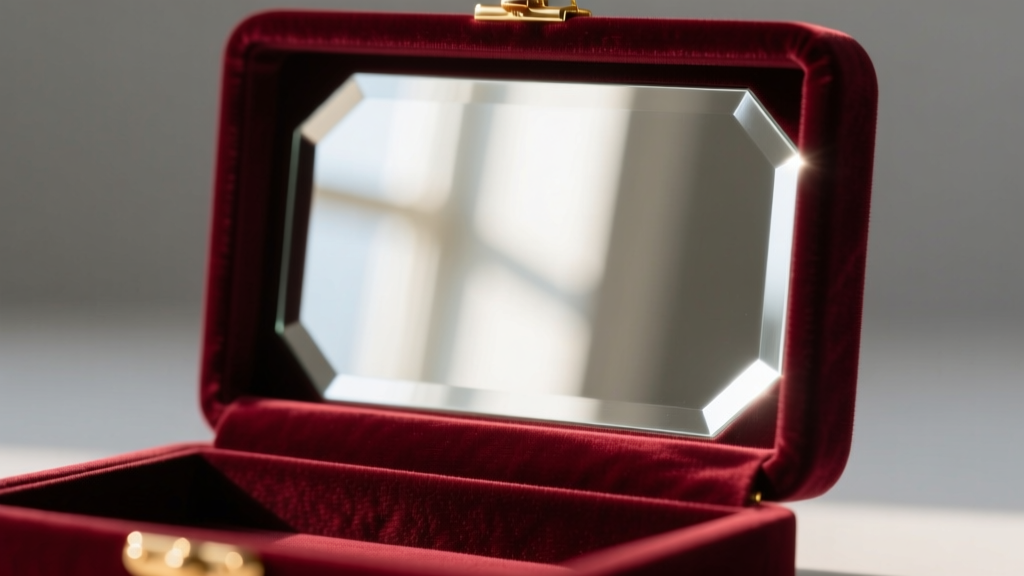
The Anatomy of a Mirrored Jewelry Box
When investing in high-end jewelry storage, the reflective surface is often an afterthought. Yet, the material composition of your mirror directly impacts the optical clarity of your daily styling routine and, surprisingly, the chemical safety of your stored pieces. When evaluating a jewelry box mirrored surface, consumers are typically choosing between three distinct material categories: traditional silvered glass, polymethyl methacrylate (PMMA) acrylic, and budget foil-wrapped MDF.
As we navigate the 2026 market, manufacturers are increasingly pairing these mirrored surfaces with advanced anti-tarnish nanolaminates. However, the core substrate of the mirror itself dictates the longevity, weight, and scratch resistance of the unit. Understanding the material science behind these surfaces is critical for collectors storing everything from delicate 14k gold chains to heavy, gemstone-encrusted statement pieces.
Traditional Silvered Glass: The Optical Standard
Historically, the gold standard for any premium jewelry box mirrored component has been float glass with a chemical silver backing. According to the National Glass Association (NGA), modern silvering involves depositing a microscopic layer of silver or aluminum onto the back of the glass, followed by protective copper and paint layers.
Thickness and Beveling
In luxury jewelry armoires and vanity boxes, you will typically find 3mm to 5mm thick glass. A 5mm thickness provides substantial rigidity, preventing the 'funhouse' optical distortion common in thinner, flexible materials. Premium boxes often feature a 1-inch beveled edge, which requires precision CNC grinding to expose the clear glass substrate, creating a prismatic frame effect that catches ambient bedroom light.
The Desilvering Failure Mode
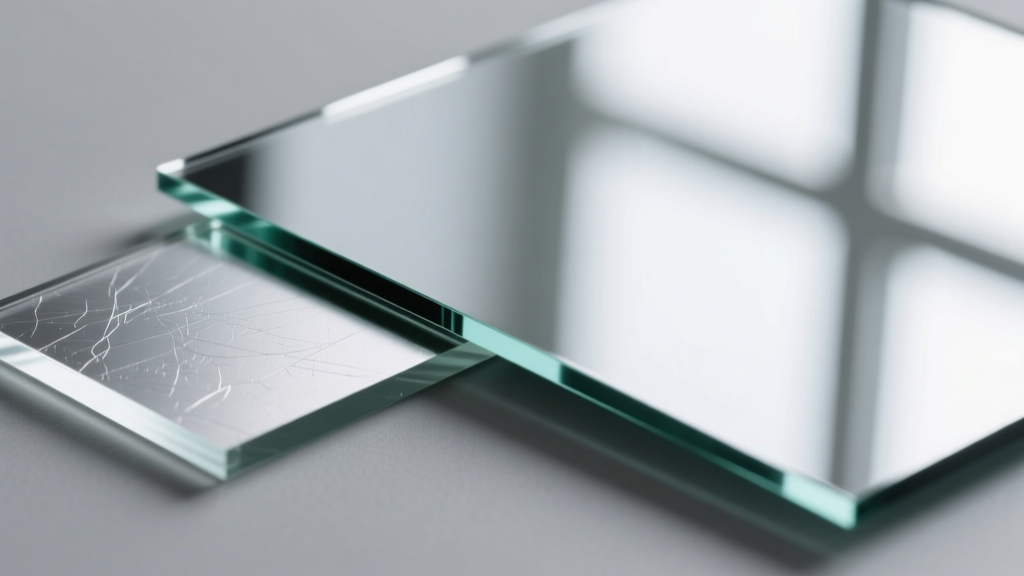
The primary vulnerability of glass mirrors is desilvering—commonly known as 'black edge.' This occurs when moisture penetrates the edge seal of the mirror, oxidizing the silver layer. In humid environments like master bathrooms, a poorly sealed glass mirror on a jewelry valet can begin to degrade within 18 months. To combat this, top-tier 2026 models utilize edge-sealed, lead-free silvering processes and recommend keeping the storage unit in climate-controlled bedrooms rather than high-humidity bathrooms.
Acrylic and Polycarbonate: The Lightweight Contenders
For travel jewelry cases and large, multi-drawer acrylic organizers, traditional glass is simply too heavy and fragile. Enter PMMA (acrylic) and Polycarbonate. While often marketed interchangeably as 'shatterproof mirrors,' their material properties differ vastly.
PMMA Acrylic: Clarity vs. Scratch Resistance
Acrylic mirrors offer up to 92% light transmission and are roughly 15 times more impact-resistant than standard glass. However, they suffer from a critical flaw: surface hardness. On the Mohs scale of mineral hardness, standard glass sits around 5.5 to 6, while PMMA acrylic sits at a mere 3. This means that wiping an acrylic mirror with a standard cotton towel or paper towel—which often contains microscopic wood pulp fibers—will induce micro-scratches over time, leading to a cloudy, hazy reflection.
Expert Tip: Never use ammonia-based glass cleaners (like standard Windex) on an acrylic jewelry box mirror. Ammonia causes 'crazing'—a network of fine micro-cracks that permanently ruins the optical clarity of the polymer.
Polycarbonate: The Yellowing Risk
Polycarbonate is virtually unbreakable, making it ideal for rugged travel cases. However, untreated polycarbonate is highly susceptible to UV degradation. If your jewelry vanity sits near a sunlit window, a polycarbonate mirror will develop a distinct yellow tint within two to three years. When sourcing polymer mirrors, always verify that the manufacturer uses UV-stabilized PMMA, as detailed in Evonik's official Plexiglas documentation, rather than generic polycarbonate.
The Hidden Danger: MDF and Foil-Wrapped Mirrors
The most alarming trend in budget-friendly jewelry storage is the use of MDF (Medium-Density Fiberboard) wrapped in a reflective PET foil to simulate a mirror. While these are cheap and lightweight, they pose a severe, hidden threat to your jewelry collection.
Off-Gassing and Accelerated Tarnishing
MDF is manufactured using urea-formaldehyde resins. In poorly ventilated or warm environments, these boards continuously off-gas volatile organic compounds (VOCs) and trace sulfur compounds. When trapped inside the enclosed space of a jewelry box, these gases react with the copper and silver alloys in your jewelry, causing rapid, severe tarnishing. If you have ever noticed your sterling silver turning black just weeks after polishing it, the very box you store it in—specifically cheap MDF-backed mirrors and adhesives—may be the chemical culprit.
Material Comparison Matrix
To make an informed purchasing decision, reference this material property breakdown based on 2026 manufacturing standards:
| Material Type | Mohs Hardness | Impact Resistance | Optical Distortion | Tarnish Risk (VOCs) |
|---|---|---|---|---|
| 5mm Silvered Glass | 5.5 - 6.0 | Low (Shatters) | None (True flat) | Zero |
| UV-Stabilized PMMA | 3.0 | High (15x Glass) | Low (Slight flex) | Zero |
| Polycarbonate | 2.5 - 3.0 | Very High (250x) | Moderate (Warping) | Zero |
| PET Foil over MDF | 1.5 | Moderate | High (Wavy) | High (Formaldehyde) |
How to Prevent Desilvering and Scratches
Maintaining the pristine condition of your mirrored surfaces requires specific, material-dependent care routines. Here is a practical framework for preserving your investment.
Climate Control for Glass
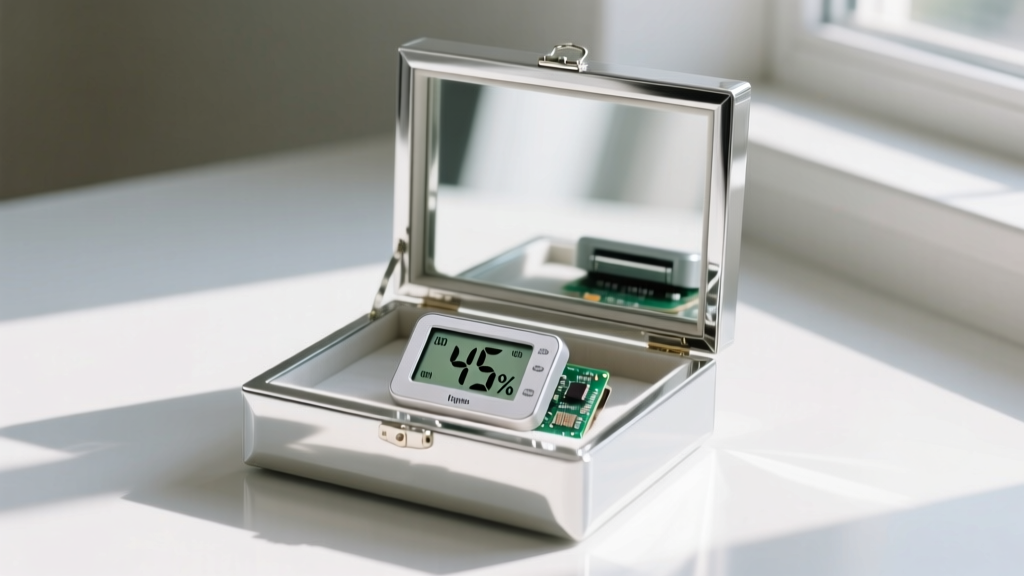
If you own a heavy, glass-mirrored jewelry armoire, humidity is your enemy. Keep the ambient relative humidity (RH) of the room between 40% and 50%. Using a small, rechargeable silica gel desiccant pack inside the enclosed drawers can help buffer moisture spikes, protecting both the mirror's silver backing and your metallic jewelry from oxidation.
Proper Cleaning Protocols for Acrylic
For acrylic and polycarbonate travel cases, abandon traditional glass sprays. Instead, use a dedicated plastic polish (such as Novus No. 1) and a ultra-fine, clean microfiber cloth. Spray the cleaner onto the cloth, never directly onto the mirror, to prevent liquid from seeping into the seams and degrading the interior velvet lining or anti-tarnish felt strips.
Edge Sealing for Longevity
For DIY enthusiasts or those restoring vintage mirrored jewelry valets, applying a microscopic bead of clear, neutral-cure silicone along the back edge where the glass meets the frame can create an impermeable moisture barrier. Ensure you use neutral-cure silicone; standard acetoxy silicone releases acetic acid as it cures, which will instantly destroy the silver backing and tarnish any nearby metals.
Final Verdict: Which Mirror Material Suits Your Collection?
The ideal material depends entirely on your storage scenario. For a permanent, luxury bedroom vanity housing high-carat gold and platinum pieces, 5mm silvered glass remains the undisputed champion, offering flawless, distortion-free optics and zero chemical off-gassing.
For frequent travelers, digital nomads, or those organizing heavy statement necklaces in modular acrylic drawers, UV-stabilized PMMA acrylic provides the necessary shatter resistance and lightweight portability, provided you commit to microfiber-only cleaning. Ultimately, avoiding MDF and foil-wrapped alternatives is the single most important step you can take to protect both your reflection and your fine jewelry collection from chemical degradation.


