Organizing Your Tarte Jewelry Box Full Face Beauty Book Collection
Learn how to properly store and protect your Tarte jewelry box full face beauty book with our step-by-step archival preservation guide.

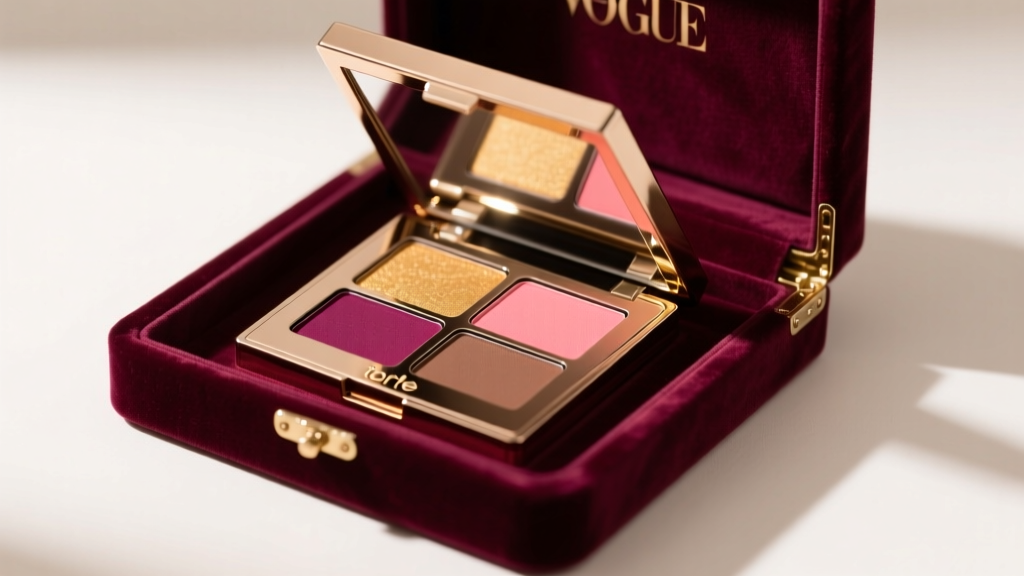
The Challenge of Storing Hybrid Beauty-Jewelry Collectibles
The intersection of high-end cosmetics and collectible jewelry has created a unique niche for enthusiasts, and the tarte jewelry box full face beauty book is a prime example of this crossover. These limited-edition releases often feature elaborate, book-shaped packaging that houses both complex cosmetic formulations and delicate jewelry accessories, such as charm bracelets, rings, or gold-plated compacts. While visually stunning, storing these hybrid items presents a complex preservation challenge.
Cosmetics require stable, moderate temperatures to prevent the separation of emollients and binders. Conversely, the accompanying jewelry requires strict humidity control to prevent oxidation and tarnishing. Furthermore, the 'book' packaging itself—often made from dyed cardstock, cardboard, and synthetic leathers—is highly susceptible to UV degradation, acidic off-gassing, and moisture warping. To maintain the financial and aesthetic value of your collection, you must create a specialized microclimate that caters to all three material types simultaneously.
Step 1: Establishing the Ideal Microclimate
The first step in preserving your collectible is establishing a strict environmental baseline. According to preservation guidelines from the Library of Congress, paper-based and cardboard collectibles should be stored in environments with a relative humidity (RH) between 30% and 40%, and temperatures kept consistently below 70°F (21°C). However, cosmetics generally prefer slightly higher humidity to prevent powders from becoming overly brittle, while metals like silver and copper (often used in jewelry alloys) require RH levels below 45% to prevent the chemical reactions that cause tarnish.
To achieve this balance, you must utilize a sealed archival storage container equipped with rechargeable silica gel cassettes. Avoid loose silica gel packets, which can leak and damage the makeup pans. Instead, use indicating silica gel beads housed in hard plastic cassettes. These beads change color (typically from orange to green) when they reach their moisture absorption capacity, allowing you to recharge them in an oven without guessing. Maintain the internal RH at exactly 40% using a miniature digital hygrometer placed inside the storage vessel.
Step 2: Separating the Jewelry from the Palette
One of the most common mistakes collectors make is leaving the jewelry accessories nestled inside the makeup palette or the original velvet inserts. Cosmetic fallout—microscopic particles of mica, talc, and iron oxides—will inevitably settle onto the jewelry. Over time, the oils from your skin transferred to the jewelry, combined with the chemical compounds in the makeup, will degrade gold plating and cause severe pitting in porous gemstones like turquoise or opals.
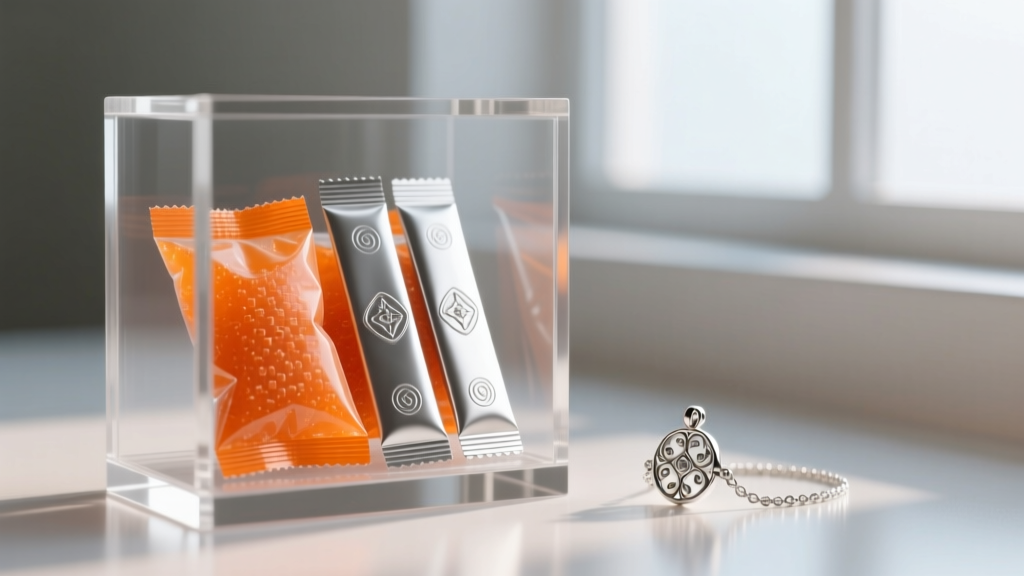
For long-term storage, the jewelry must be physically separated from the cosmetics. Follow these specific steps:
- Clean the Jewelry: Gently wipe down all metal components with a lint-free microfiber cloth. Do not use liquid jewelry cleaners, as residual moisture will become trapped in the storage environment.
- Apply Anti-Tarnish Strips: Place 3M anti-tarnish strips inside the jewelry storage pouch. These strips absorb airborne hydrogen sulfide, the primary culprit behind silver sulfide tarnish. Replace these strips every six months.
- Use Archival Pouches: Store the jewelry in unbleached, acid-free cotton muslin bags or polyethylene zip bags. Avoid polyvinyl chloride (PVC) plastics, which off-gas hydrochloric acid and will rapidly destroy metal finishes and pearl lusters.
Step 3: Archival Protection for the 'Book' Packaging
The structural integrity of the tarte jewelry box full face beauty book relies heavily on the condition of its exterior packaging. The dyes and adhesives used in commercial cosmetic packaging are not archival-grade; they contain acidic compounds that will cause the cardboard to yellow, become brittle, and eventually crumble—a process known as acid hydrolysis.
To halt this degradation, the book must be wrapped in buffered, acid-free tissue paper (pH 8.0-9.0). The alkaline buffer in the tissue neutralizes any acids migrating from the packaging. Once wrapped, place the book inside a custom-fitted, pH-neutral archival storage box. Ensure the storage box is lined with polyester batting to prevent the book from shifting, which could cause the spine to crack or the metallic foil stamping on the cover to flake off.
Material Comparison: Choosing the Right Storage Vessel
Selecting the correct outer storage vessel is critical for both protection and display. Below is a comparison of common storage materials and their suitability for hybrid beauty-jewelry collectibles.
| Material | Pros | Cons | Best Use Case |
|---|---|---|---|
| OP3 UV-Filtering Acrylic | Blocks 99% of UV rays; excellent visibility; inert and non-off-gassing. | Expensive; heavy; does not buffer humidity fluctuations. | Long-term display in well-lit rooms. |
| Acid-Free Archival Cardboard | Buffers acid migration; breathable; lightweight; affordable. | Blocks visibility; susceptible to physical crushing or water damage. | Deep storage in closets or vaults. |
| Traditional Velvet-Lined Wood | Aesthetically pleasing; traditional jewelry storage feel. | Wood off-gasses acidic vapors; velvet traps moisture and dust. | Not recommended for archival preservation. |
Step 4: Display vs. Deep Storage Protocols
If you intend to display your tarte jewelry box full face beauty book, you must mitigate the risks posed by ambient light and dust. Standard acrylic cases offer dust protection but do nothing to prevent UV-induced fading of the book's cover art. You must invest in OP3-grade acrylic, which is specifically manufactured to filter out the ultraviolet spectrum that degrades organic dyes and adhesives.
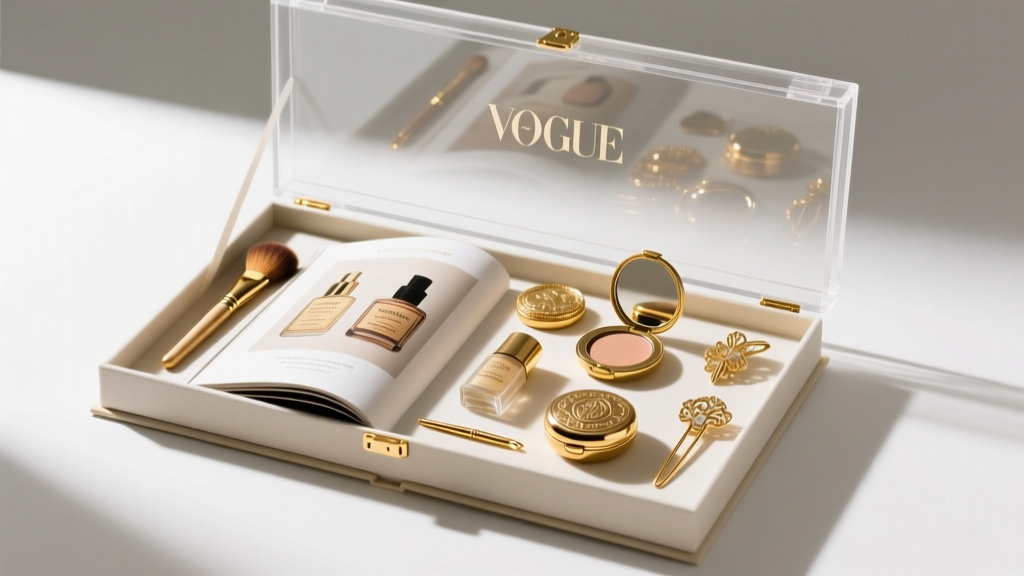
For deep storage, such as keeping the item in a climate-controlled closet or a safety deposit box, an opaque archival box is superior. Light is entirely eliminated, and the corrugated structure of the archival box provides physical shock absorption. When storing in deep storage, ensure the box is elevated at least four inches off the floor to protect against potential water damage from leaks or flooding, and keep it away from exterior walls where temperature fluctuations are most severe.
Routine Maintenance and Inspection Schedule
Preservation is not a one-time event; it requires an ongoing maintenance schedule. According to the Gemological Institute of America (GIA), regular inspection is vital to catch early signs of metal corrosion or gemstone destabilization before they become irreversible. Set a calendar reminder every six months to perform the following checklist:
- Check the Hygrometer: Ensure the internal RH remains between 35% and 45%. Recharge silica gel cassettes if the indicating beads have changed color.
- Replace Anti-Tarnish Strips: Discard old 3M strips and insert fresh ones into the jewelry muslin pouches.
- Inspect for Cosmetic Leakage: Check the edges of the makeup pans for any signs of oil separation or binder weeping, which can occur if the storage temperature has spiked.
- Examine Metal Finishes: Use a jeweler's loupe to inspect the gold plating and silver components of the jewelry accessories for micro-pitting or early-stage oxidation.
- Dust the Exterior: Gently dust the exterior of the acrylic or archival box using a clean, dry microfiber cloth. Never use chemical glass cleaners on OP3 acrylic, as they can strip the UV-filtering coating.
By treating your collectible not just as a makeup palette, but as a multi-material archival artifact, you ensure that the tarte jewelry box full face beauty book remains in pristine, museum-quality condition for decades to come.


