Jewelry Organizer DIY vs Premium: A True Cost and Value Analysis
Is a jewelry organizer DIY project actually cheaper? We break down the true costs, material grades, and anti-tarnish value of DIY vs premium storage.

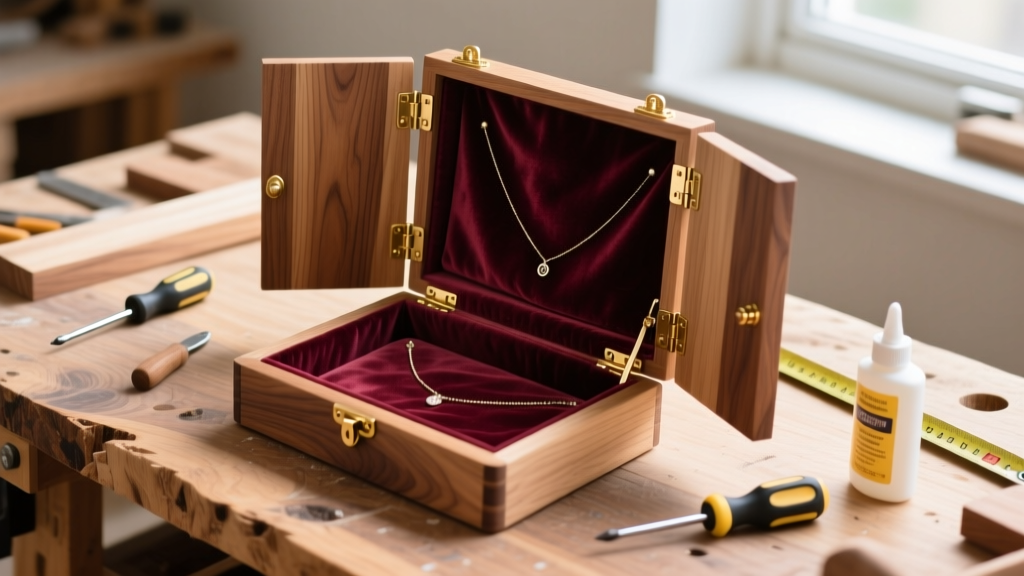
The allure of a custom-built storage solution is undeniable. Scrolling through social media, the jewelry organizer DIY trend promises a highly personalized, aesthetically pleasing, and budget-friendly way to house your growing collection. But when you factor in the hidden costs of archival materials, specialized hardware, and the sheer hours of labor, does building your own actually save you money? More importantly, does it protect your investment?
As a senior storage analyst for Jewel Style Radar, I frequently evaluate the intersection of craftsmanship and material science. In this comprehensive budget and value assessment, we will dismantle the true cost of a jewelry organizer DIY build versus purchasing a premium, commercially manufactured anti-tarnish vault. We will examine wood acidity, fabric off-gassing, and hardware longevity to help you make a mathematically and scientifically sound decision for your collection.
The Hidden Costs of a Jewelry Organizer DIY Project
Most DIY tutorials gloss over the material science required to keep precious metals and porous gemstones safe. They suggest using standard craft store felt, hot glue, and raw or stained pine. From a conservation standpoint, this is a recipe for accelerated tarnish and gemstone degradation. To build a truly safe DIY organizer, you must source museum-grade materials, which significantly inflates the initial budget.
Material Cost Breakdown: DIY vs. Premium Commercial
| Component | DIY Build (Archival Grade) | Premium Commercial (e.g., Wolf, Mele & Co.) |
|---|---|---|
| Base Wood / Casing | $45 - $70 (Sealed Poplar/Walnut)Included in $180 - $350 retail | |
| Lining Material | $35 (Pacific Silvercloth)Luthium or Tarnish-Resistant Suede | |
| Barrier Film | $25 (Marvelseal 360)Integrated Poly-Barrier | |
| Hardware (Hinges/Latches) | $30 (Solid Brass)Custom Cast Brass or Zamak | |
| Labor / Time Investment | 8 - 12 Hours ($0 - $300+ value)0 Hours | |
| Total Estimated Cost | $135 - $160 (Materials Only) | $180 - $350 (Turnkey) |
While the raw materials for a DIY build appear cheaper, the margin narrows drastically when you account for the minimum order quantities of specialized archival supplies. Furthermore, if you value your time at even a modest $25 per hour, the DIY route quickly becomes the more expensive option.
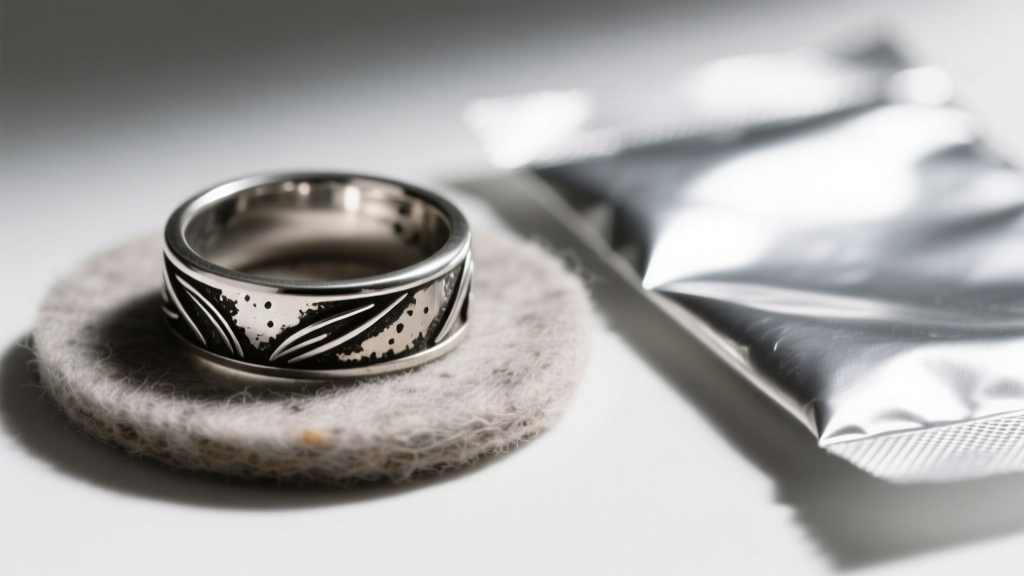
Material Science: The Dangers of Standard DIY Supplies
The most critical failure point in a jewelry organizer DIY project is the choice of wood and adhesive. According to the Gemological Institute of America (GIA), porous gemstones like pearls, opals, and turquoise are highly sensitive to acidic environments and chemical off-gassing.
The Wood Acidity Problem
Many DIYers reach for Oak or Cedar due to their beautiful grain and natural insect-repelling properties. However, Oak emits acetic acid vapor, and Cedar contains natural aromatic oils and acids. In an enclosed jewelry box, these vapors become concentrated, leading to rapid silver sulfide formation (tarnish) and the gradual etching of pearl nacre.
The Expert Fix: If you must use acidic woods, the interior must be completely sealed with a water-based polyurethane (oil-based solvents can damage plastics and resins) and allowed to cure for a minimum of 30 days. Alternatively, line the entire interior cavity with Marvelseal 360, an aluminized nylon barrier film used by museum conservators to block acid and moisture migration.
The Adhesive and Fabric Trap
Standard craft felt is often dyed with sulfur-based compounds and sized with formaldehyde-releasing resins. Hot glue and standard wood glues also off-gas volatile organic compounds (VOCs) as they degrade. According to Jewelers of America, storing silver in contact with sulfur-rich materials guarantees blackening within weeks. A proper DIY build requires 100% unbleached, undyed cotton flannel or specialized Pacific Silvercloth, which has fine silver particles embedded in the fibers to absorb tarnish-causing gases before they reach your jewelry.
When a Jewelry Organizer DIY Project Makes Sense
Despite the material hurdles, there are specific scenarios where a DIY approach offers unbeatable value and aesthetic customization that commercial brands simply cannot match.
1. The Vintage Drawer Conversion
Repurposing an antique apothecary cabinet or a vintage wooden sewing box is a highly cost-effective strategy. Because the wood has already off-gassed its volatile compounds over decades, the acidity risk is vastly reduced. The value here lies in upcycling: you can purchase a beautiful vintage piece for $40 at an estate sale, spend $35 on Pacific Silvercloth and archival batting, and create a stunning, multi-tiered organizer for under $80.
2. The Shadow Box Display
For collectors who prefer to display their pieces rather than hide them in drawers, a deep-set shadow box is an excellent DIY canvas. By stretching anti-tarnish cloth over a rigid foam core backing and using brass upholstery tacks, you can create a customizable, wall-mounted display. This is particularly valuable for collectors of enamel pins, brooches, or large statement necklaces that tangle easily in traditional velvet rolls.
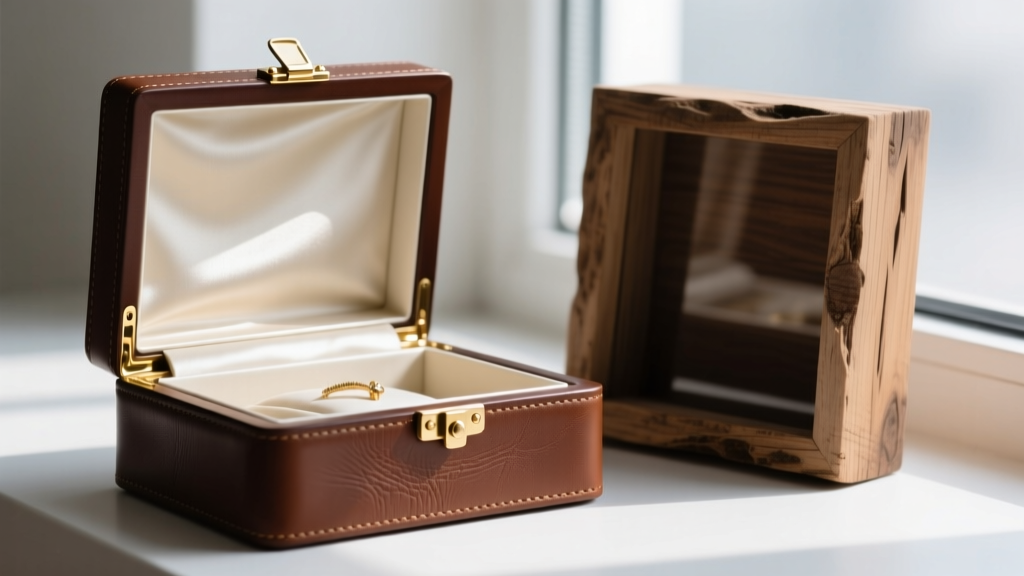
Premium Commercial Alternatives: What You Get for the Money
If the material science of a DIY build feels overwhelming, premium commercial organizers offer a turnkey solution engineered by horologists and jewelers. When you pay $250 for a high-end organizer, you are not just paying for the brand name; you are paying for rigorous environmental testing.
- Engineered Luthium Linings: Brands like Wolf utilize patented Luthium lining, which is laboratory-tested to absorb tarnish-causing gases and prevent moisture buildup, offering up to 35 times more protection than standard velvet.
- Non-Corrosive Hardware: Premium boxes use solid brass or heavily plated stainless steel hinges. Cheap commercial boxes (and many DIY hardware kits) use Zamak (a zinc alloy) which is prone to pitting, corrosion, and catastrophic hinge failure in humid environments.
- Climate-Controlled Seals: High-end travel cases and home vaults feature silicone gaskets and airtight latches, creating a micro-climate that stabilizes humidity—a crucial factor for preventing the cracking of opals and emeralds.
The Final Verdict: ROI of Your Time and Silver
So, is a jewelry organizer DIY project worth the investment? The answer depends entirely on your collection size, your budget, and your tolerance for material sourcing.
If you possess a modest collection of fashion jewelry or everyday gold and diamond pieces (which are highly resistant to tarnish and environmental damage), a standard DIY build using sealed MDF and basic velvet is perfectly adequate and highly cost-effective. The primary value is aesthetic customization.
However, if your collection includes investment-grade sterling silver, natural untreated pearls, or antique enamel pieces, the risk of improper DIY material selection is too high. The cost of replacing a single strand of degraded Tahitian pearls or having a professional jeweler polish heavily corroded vintage silver will instantly wipe out any savings from a DIY build. In these cases, investing in a premium commercial organizer with guaranteed anti-tarnish technology is the only mathematically sound choice for long-term asset preservation.


