Make Jewelry Box From Lids: 2026 Upcycled Storage Trends
Discover how to make a jewelry box from lids using 2026 upcycling trends. Learn material pairings, anti-tarnish linings, and eco-chic styling tips.

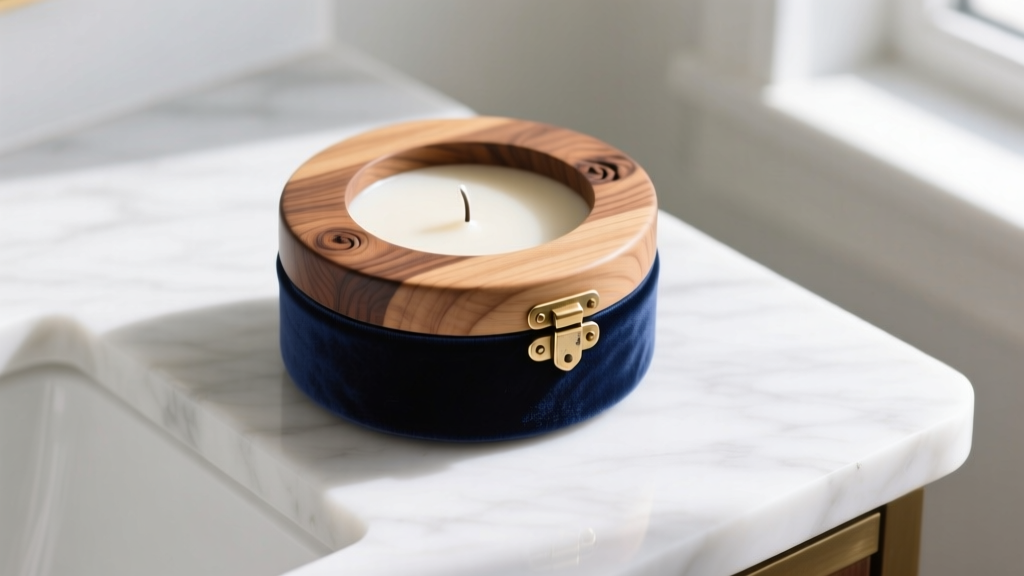
Deciding to make jewelry box from lids is no longer just a nostalgic childhood craft project; in 2026, it has evolved into a cornerstone of the eco-maximalist design movement. As consumers pivot away from mass-produced, petroleum-based acrylic stackers, the demand for bespoke, sustainable vanity storage has skyrocketed. Upcycling high-quality discarded lids—from luxury candle jars to vintage tea tins—offers a masterclass in functional art. This guide breaks down the structural engineering, material science, and interior architecture required to transform everyday lids into heirloom-quality jewelry storage.
The 2026 Shift: Eco-Maximalism and Bespoke Storage
The contemporary jewelry storage landscape is heavily influenced by 'Dopamine Decor' and sustainable luxury. According to recent upcycling trends highlighted by the Environmental Protection Agency (EPA), repurposing post-consumer materials reduces landfill waste while satisfying the consumer desire for one-of-a-kind home goods. When you make jewelry box from lids, you are participating in a circular design economy. The aesthetic of 2026 favors heavy, tactile materials: ribbed wood, patinated brass, and thick, frosted glass. A standard 3.5-inch wooden candle lid, for instance, provides the exact footprint needed for a dedicated stud earring or signet ring tray, while a rectangular Altoids-style tin lid serves as the perfect shallow housing for delicate chain necklaces, preventing the dreaded tangling that plagues deeper, poorly partitioned boxes.
Sourcing the Right Lids: Material & Dimension Guide
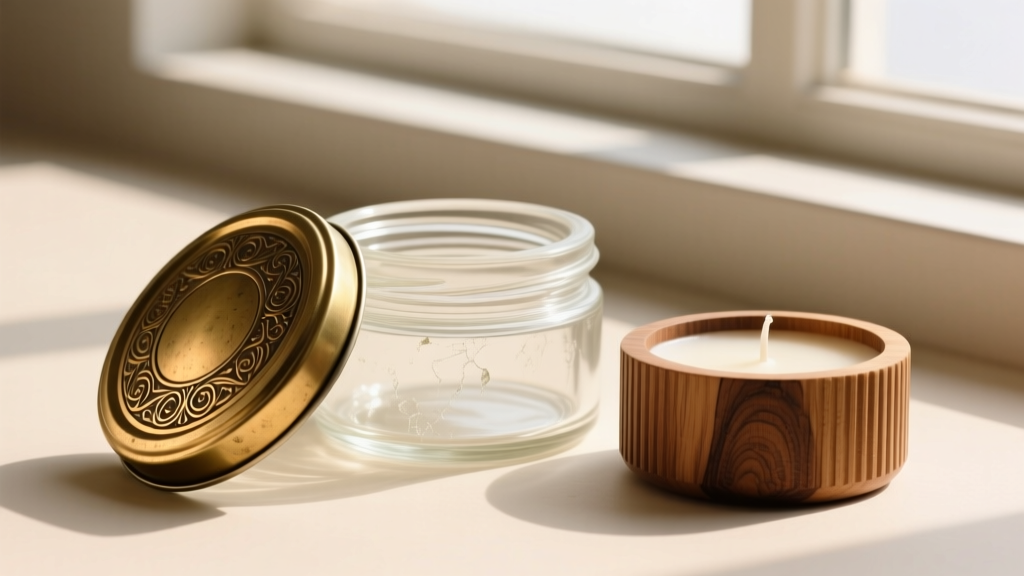
Not all lids are created equal. The structural integrity of your finished piece depends entirely on the base material. Below is a comparative analysis of the most viable upcycled lid materials for jewelry storage.
| Lid Material | Best For | Structural Weakness | Recommended Adhesive |
|---|---|---|---|
| Wood (Candle Jars) | Rings, Studs, Signets | Warping in high humidity | 2-Part Clear Epoxy |
| Tin (Tea/Altoids) | Travel, Chains, Pendants | Dents easily, sharp edges | E6000 Craft Adhesive |
| Acrylic (Cosmetics) | Statement Pieces, Brooches | Brittle, adhesive frosting | UV-Curing Resin Glue |
Engineering the Build: Adhesives, Hinges, and Hardware
The most common point of failure in DIY storage is adhesive degradation and hinge misalignment. If you are bonding a wooden lid to a velvet base or attaching micro-hinges to a tin casing, selecting the correct chemical binder is critical.
For wood-to-wood or wood-to-metal bonds, a 2-part clear epoxy resin provides a shear strength exceeding 2,500 PSI, ensuring the box survives daily handling. Avoid cyanoacrylate (Super Glue) at all costs; it cures brittle and will snap under the torsional stress of opening a hinged lid. For metal tins and acrylics, E6000 Craft Adhesive remains the industry standard due to its flexible, rubber-like cure that absorbs shock. However, E6000 requires a 24-to-72-hour cure time in a well-ventilated area to allow solvent off-gassing, which can otherwise trap unpleasant odors inside your jewelry compartment.
When installing hardware, use 12mm (approx. 1/2 inch) brass butt hinges. For wooden lids, always drill a 1/16-inch pilot hole before driving #2 or #3 brass flathead wood screws (3/8 inch length). Skipping the pilot hole will inevitably cause the wood grain to split, ruining the structural rim of your upcycled box.
Preventing Adhesive Failure & Material Warping
Wooden candle lids are highly susceptible to hygroscopic warping. If you are gluing a fabric lining directly to the interior of a wooden lid, the moisture from the adhesive can cause the wood to cup. To prevent this, acclimatize the lid in your home's ambient humidity for 48 hours before construction, and use a low-moisture adhesive like 3M Super 77 spray or double-sided fabric tape rather than water-based PVA glues.
Interior Architecture: Anti-Tarnish Linings & Compartments
A beautiful exterior is useless if the interior destroys your collection. Sterling silver reacts with hydrogen sulfide (H2S) in the ambient air to form silver sulfide (Ag2S), resulting in black tarnish. The Gemological Institute of America (GIA) emphasizes that proper storage environments are the first line of defense against chemical degradation.
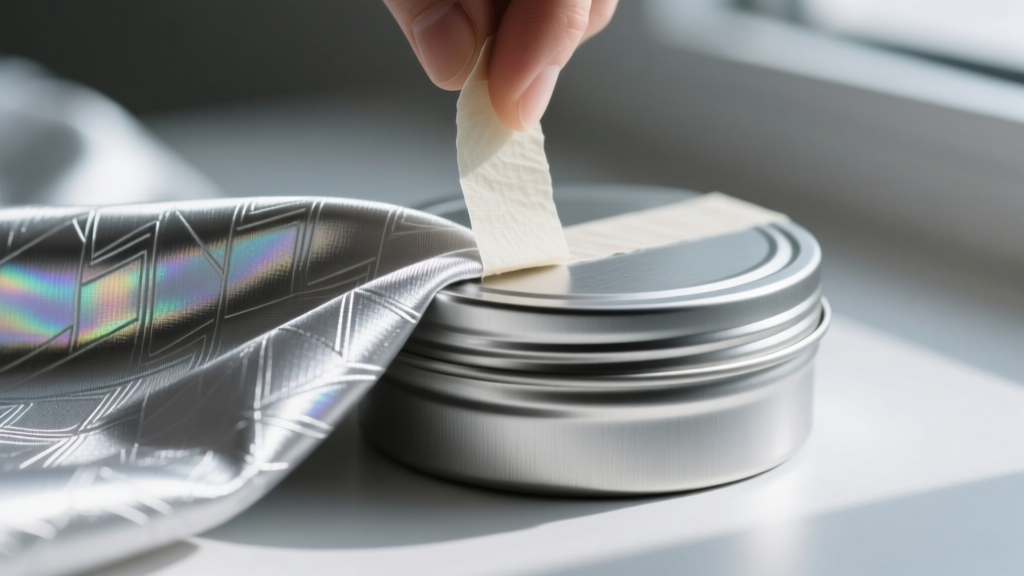
To combat this, line your upcycled lid boxes with Pacific Silvercloth. This specialized flannel is embedded with microscopic silver particles that act as a sacrificial anode, absorbing H2S gas before it reaches your jewelry. When cutting your lining, add a 1/2-inch seam allowance to wrap the fabric over the inner lip of the lid, hiding the raw edges. Secure the fabric using double-sided fabric tape; avoid spraying adhesive directly onto the anti-tarnish cloth, as the chemical binder will clog the silver pores and neutralize its protective properties.
Styling Your Upcycled Piece for Modern Vanity Spaces
Once the engineering is complete, styling your piece to fit a 2026 vanity requires an understanding of visual weight. Upcycled lid boxes look best when grouped in odd numbers (three or five) to create an asymmetrical, organic vignette. Pair a ribbed wooden candle lid box with a patinated brass tin lid box, and anchor them on a heavy travertine or Nero Marquina marble tray. This juxtaposition of raw, upcycled textures against polished stone perfectly encapsulates the modern eco-chic aesthetic, proving that learning to make jewelry box from lids yields results that rival high-end boutique displays.
Maintenance and Long-Term Care
Upcycled materials require specific maintenance routines to ensure longevity. Wooden lids should be conditioned bi-annually with a micro-crystalline wax (such as Renaissance Wax) to seal the grain against moisture and prevent the wood from drying out and cracking. For tin lids, a light application of mineral oil on the exterior will prevent oxidation and maintain a rich, vintage patina. If your box features acrylic elements, clean only with a microfiber cloth and a dedicated acrylic cleaner; standard glass cleaners containing ammonia will cause the acrylic to cloud and craze over time. By treating your upcycled creation with the same care as a fine piece of jewelry, you ensure it remains a functional, beautiful staple of your organization system for decades.
Conclusion
The movement to make jewelry box from lids represents a perfect intersection of sustainability, engineering, and personal style. By understanding the material science of adhesives, the chemistry of anti-tarnish linings, and the precise hardware requirements for micro-hinges, you can elevate a simple discarded lid into a bespoke, heirloom-quality storage solution. As 2026 design trends continue to champion eco-maximalism, your upcycled vanity pieces will stand as a testament to both your environmental consciousness and your uncompromising eye for detail.


