Beginner's Guide to the Jewelry Box RE1 Organizer
Learn how to set up, calibrate, and maintain the Jewelry Box RE1 smart organizer to protect your collection from tarnish and theft.

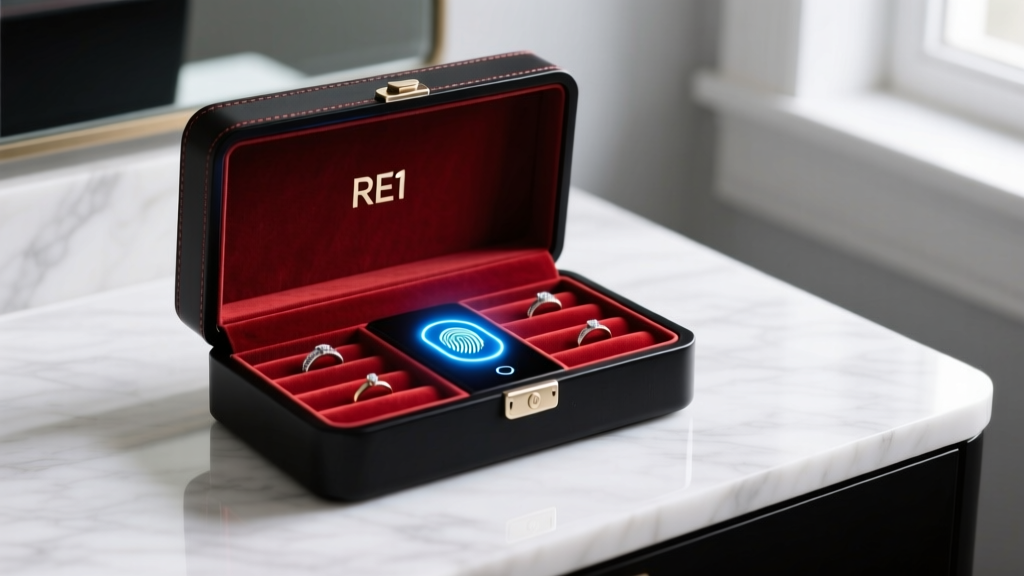
When it comes to securing and preserving your most prized accessories, the transition from a simple velvet pouch to a smart storage solution is a major milestone. For beginners entering the world of high-end organization, the jewelry box re1 has emerged as a standout hybrid device. It bridges the gap between a traditional heirloom chest and a modern biometric safe. If you have just unboxed this organizer or are considering it for your growing collection, understanding its specific features, material grades, and maintenance requirements is essential for long-term preservation.
In this comprehensive beginner's guide, we will break down exactly how the jewelry box re1 works, how to calibrate its security features, and the science behind its anti-tarnish environment. Whether you are storing delicate 14k gold chains, sterling silver statement rings, or everyday diamond studs, proper setup is the key to keeping your pieces pristine.
Understanding the Core Specifications
The jewelry box re1 is not merely a wooden box with a lock; it is a climate-controlled micro-environment encased in a security shell. The outer chassis is constructed from 16-gauge cold-rolled steel, finished with a matte black powder coat that resists scratching and fingerprints. This specific gauge of steel provides substantial resistance to blunt force and pry attacks, making it a formidable deterrent for casual theft.
Inside, the unit features a high-density polyurethane foam base wrapped in Pacific Silvercloth. Unlike standard synthetic velvets that can trap moisture and off-gas volatile organic compounds (VOCs), Pacific Silvercloth is embedded with thousands of microscopic silver particles. These particles act as a sacrificial anode, intercepting hydrogen sulfide gases in the air before they can reach and tarnish your actual jewelry. According to the Gemological Institute of America (GIA), controlling exposure to sulfur and moisture is the single most effective way to prevent silver sulfide formation on sterling silver pieces.
Biometric Calibration and Security Setup
The most intimidating feature for beginners is often the capacitive fingerprint scanner located on the front fascia. The jewelry box re1 utilizes a 500 DPI optical-capacitive hybrid sensor. This means it doesn't just read the surface ridges of your fingerprint; it maps the sub-epidermal layer, making it virtually impossible to spoof with a simple 2D latex or tape lift.
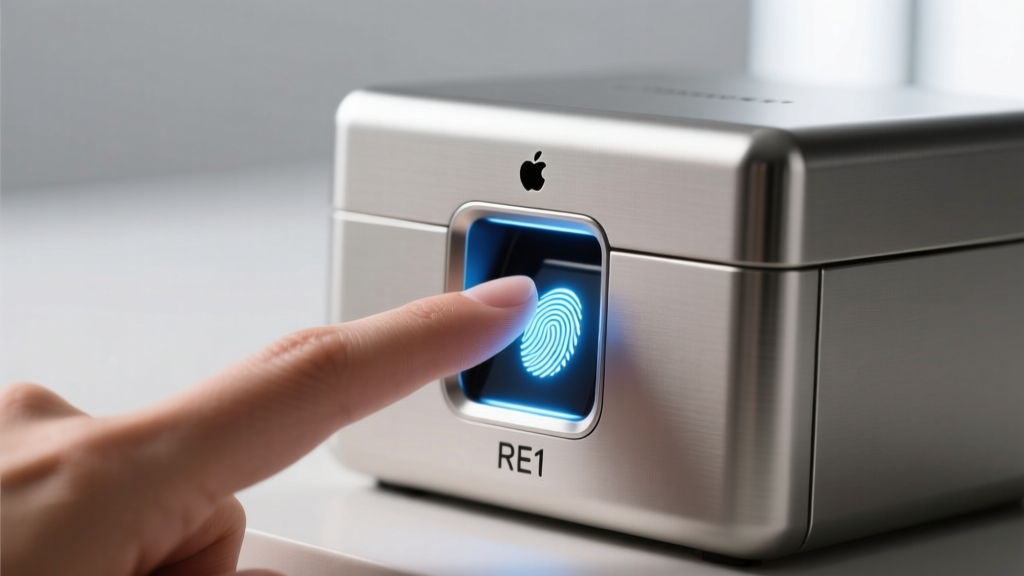
Step-by-Step Fingerprint Enrollment
To ensure a 99.9% acceptance rate and prevent lockout frustrations, follow this precise enrollment protocol:
- Prepare the Sensor: Wipe the scanner glass with a microfiber cloth and a drop of 70% isopropyl alcohol. Ensure your finger is clean, dry, and free of heavy lotions.
- Initiate Pairing Mode: Press and hold the small recessed button on the back panel for three seconds until the front LED ring pulses blue.
- Multi-Angle Scanning: Place your finger on the sensor. The system will prompt you to lift and replace your finger eight times. Crucially, shift your finger slightly (up, down, left, right, and tilted) on each press. This maps the peripheral edges of your print, ensuring the box opens even if you press it at an awkward angle in a hurry.
- Register a Backup: Always register at least one finger from your non-dominant hand, and consider enrolling a trusted partner's fingerprint as an emergency backup.
Configuring the Modular Interior
One of the greatest advantages of the jewelry box re1 is its fully modular interior track system. The base plate features a grid of neodymium magnetic anchors, allowing you to snap in and rearrange storage modules without tools. This flexibility is vital as your collection evolves from simple everyday studs to larger, more complex statement pieces.
| Insert Module | Capacity | Best Used For | Material Composition |
|---|---|---|---|
| Ring Roll Insert | 24 Rings (up to 12mm width) | Wedding bands, cocktail rings, signets | Memory foam core, microfiber wrap |
| Watch Pillow Module | 2 Watches (up to 42mm case) | Automatic mechanical watches, smartwatches | Silicone-lined anti-tarnish flannel |
| Necklace Hook Grid | 4 Chains (up to 24 inches) | Delicate pendants, lariats, pearl strands | Pacific Silvercloth backing |
| Loose Stone Tray | 12 Compartments | Unset gems, loose diamonds, small stud pairs | Soft-touch TPU dividers |
When configuring your layout, always place heavier items like mechanical watches on the bottom tier to maintain a low center of gravity, and reserve the top tier for lightweight, easily tangled items like fine 18k gold cable chains.
The Science of the Airtight Seal
Security is only half the battle; environmental control is the other. The National Association of Jewellers frequently notes that fluctuating humidity is a primary catalyst for gemstone degradation and metal oxidation. The jewelry box re1 addresses this with a compression-molded silicone gasket that runs along the inner rim of the lid.
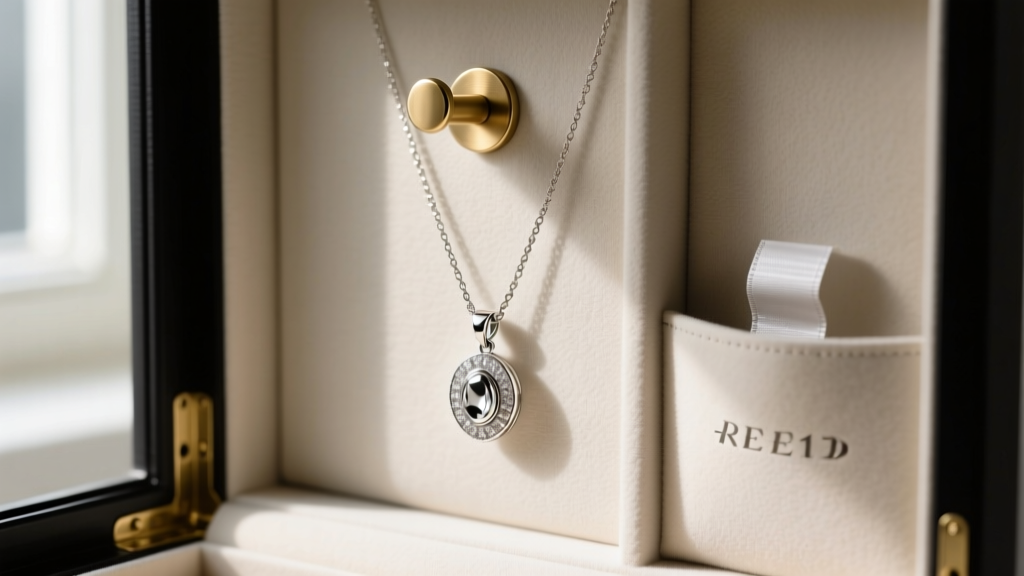
When the biometric lock engages, the motorized latches pull the lid down with 40 pounds of downward force, compressing the silicone gasket to create a near-hermetic seal. This drastically reduces the air exchange rate inside the box. To further neutralize any trapped sulfur compounds, the RE1 includes a dedicated side pocket for 3M Anti-Tarnish tabs. These tabs contain copper-based compounds that actively absorb and neutralize corrosive gases. For optimal performance, replace these tabs every six months, or immediately if you notice the copper indicator strip turning from bright orange to dark brown.
Pro Tip: Never store wet or freshly cleaned jewelry in the RE1. Even microscopic amounts of trapped moisture from an ultrasonic cleaner can create a localized humidity spike inside the sealed environment, leading to rapid oxidation of porous stones like turquoise or opals.
Battery Management and Troubleshooting
The jewelry box re1 is powered by an internal 2000mAh lithium-ion battery. Under normal use (opening and closing 2-3 times daily), a single charge will last approximately six months. The unit features a USB-C PD (Power Delivery) port on the rear panel. When the battery drops below 10%, the LED ring will flash amber, and the internal buzzer will emit a soft double-chime.
Common Beginner Troubleshooting
- Sensor Rejection: If the scanner repeatedly rejects your fingerprint, it is usually due to a buildup of natural skin oils on the glass. Clean the sensor with isopropyl alcohol and re-enroll your print.
- Lid Misalignment: If the lid struggles to latch or the gasket doesn't compress evenly, check the modular tracks. A misaligned necklace hook can sometimes protrude slightly, blocking the lid's closing path.
- Dead Battery Lockout: If the battery completely dies, the RE1 features a manual override. Insert the provided physical tubular key into the hidden port beneath the rubber foot on the bottom right of the chassis to manually retract the latches.
Is the RE1 Right for Your Collection?
The jewelry box re1 represents a significant investment, typically retailing between $189 and $249 depending on the modular insert bundle you select. For beginners with a small but valuable collection of everyday wear—such as a diamond engagement ring, a pair of pearl earrings, and a luxury timepiece—the RE1 offers unparalleled peace of mind. It eliminates the anxiety of leaving heirlooms out on a dresser while actively fighting the invisible enemies of tarnish and humidity.
However, if your collection consists primarily of large, chunky costume jewelry or extensive archival pieces that require deep, flat drawers, you may find the RE1's modular depth somewhat limiting. Ultimately, mastering the setup and maintenance of this smart organizer will ensure your most treasured pieces remain as brilliant and secure as the day you first acquired them.


