The Ultimate Antique Japanese Jewelry Box Gift Guide
Discover how to select, authenticate, and gift an antique Japanese jewelry box. Learn about Urushi lacquer, Kiri wood, and occasion matching.

Why an Antique Japanese Jewelry Box is the Ultimate Heirloom Gift
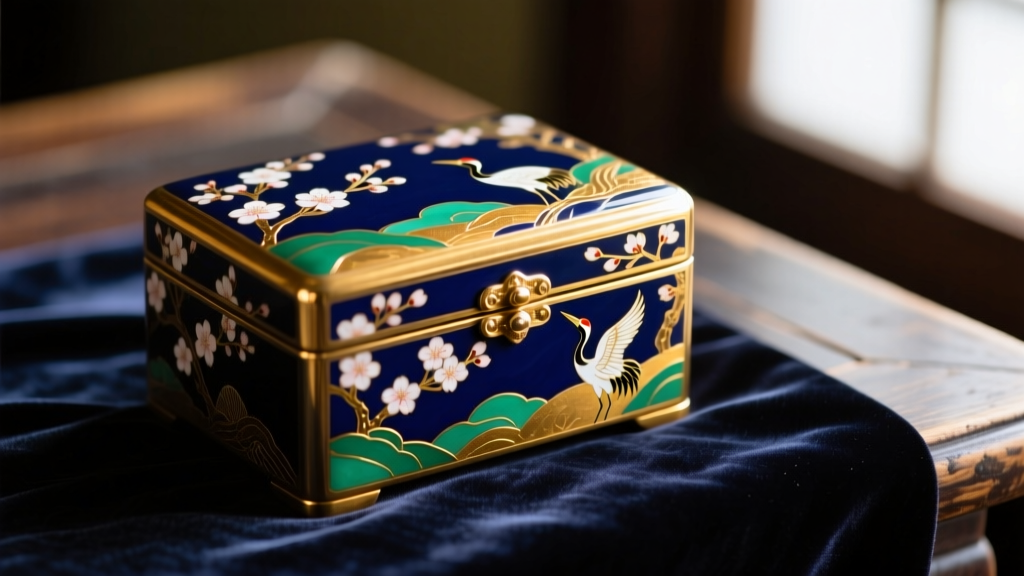
Gifting fine jewelry is a timeless gesture, but gifting the vessel that protects and displays it elevates the present into a multi-generational heirloom. In the realm of luxury storage, the antique Japanese jewelry box stands unparalleled. Unlike mass-produced velvet-lined cases that degrade within a decade, authentic vintage Japanese boxes—particularly those from the Meiji (1868–1912) and Taisho (1912–1926) eras—represent a masterclass in functional art. They are not merely storage solutions; they are meticulously engineered micro-climates designed to preserve precious metals and organic gems.
For the discerning gift-giver, selecting an antique Japanese jewelry box requires an understanding of traditional woodworking, lacquerware chemistry, and historical export markets. This guide will decode the craftsmanship, help you match specific styles to milestone occasions, and provide actionable frameworks for authentication and preservation in today's antique market.
Decoding the Craftsmanship: Materials That Protect Your Jewelry
The superiority of Japanese antique storage lies in its material science. Master craftsmen did not simply build boxes; they engineered environments. Understanding these materials is crucial when selecting a gift for a serious jewelry collector.
Kiri (Paulownia) Wood: The Natural Humidistat
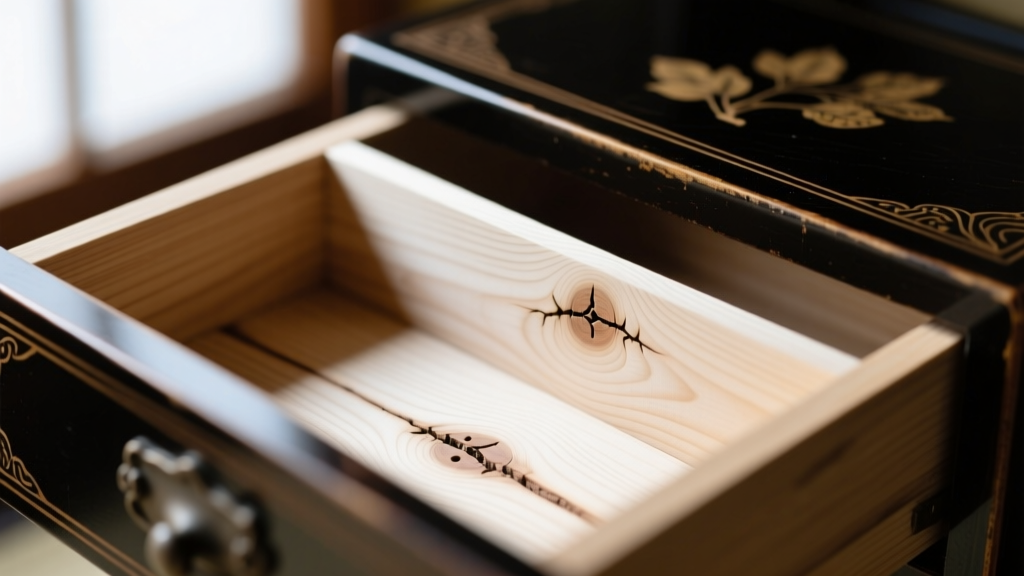
The finest antique Japanese jewelry boxes are constructed from Kiri (Paulownia tomentosa). This lightweight, pale wood is prized for its dimensional stability and resistance to warping. More importantly for jewelry storage, Kiri is highly hygroscopic. It naturally absorbs excess ambient moisture and releases it when the air is dry, maintaining a stable internal relative humidity (RH). This biological humidistat prevents the dehydration and cracking of organic gems like pearls, opals, and tortoiseshell, while simultaneously slowing the oxidation process that causes silver tarnish.
Urushi Lacquer and Maki-e Artistry
Exterior protection is provided by Urushi, a natural lacquer derived from the sap of the Toxicodendron vernicifluum tree. Unlike synthetic polyurethanes, Urushi cures through a chemical reaction that requires high humidity, resulting in a finish that is impervious to water, acids, and extreme temperatures. According to the Metropolitan Museum of Art, the application of Urushi involves dozens of microscopically thin layers, each cured and polished by hand over several months. High-end antique boxes often feature Maki-e (sprinkled picture), a technique where gold or silver dust is embedded into the wet lacquer to create raised, luminous topographical designs.
Matching the Box to the Occasion: A Gifting Matrix
An antique Japanese jewelry box is a deeply personal gift. To ensure the piece resonates with the recipient and the milestone, use this occasion-matching matrix to guide your acquisition.
| Occasion | Recommended Era & Style | Key Features to Seek | Estimated Market Value (2026) |
|---|---|---|---|
| Wedding Trousseau | Meiji Era (1868–1912) | Multi-tiered Shoyobitsumaki-e boxes with auspicious motifs (cranes, pine, plum blossoms). | $800 – $2,500+ |
| 50th Gold Anniversary | Taisho Era (1912–1926) | Roiro (mirror-polished) black lacquer with heavy Kanoko (gold flake) inlay and brass hardware. | $400 – $1,200 |
| Milestone Birthday (40th/60th) | Late Meiji / Early Showa | Boxes featuring Shippo (cloisonné enamel) inlay on the lid, depicting geometric or floral patterns. | $250 – $600 |
| Graduation / First Heirloom | Mid-Showa Export (1950s-1970s) | Smaller, single-compartment Kiri wood boxes with minimalist camphor wood lining and simple copper locks. | $80 – $180 |
How to Authenticate and Price Vintage Japanese Boxes
The antique market is flooded with mid-century tourist souvenirs masquerading as high-end antiques. To ensure you are gifting a genuine piece of horological and woodworking history, you must evaluate the joinery, the hardware (Kanamono), and the lacquer depth.
Evaluating Joinery and Hardware
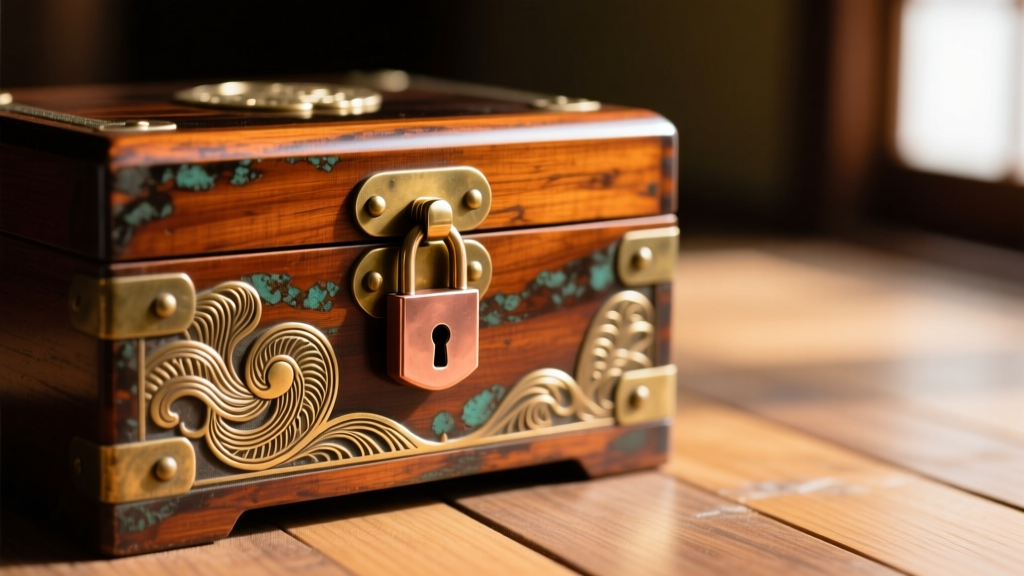
Authentic Meiji and Taisho period boxes rely on traditional Japanese joinery, such as blind dovetails and sliding dovetails, rather than metal nails or screws. Inspect the corners closely; the presence of modern wire nails is an immediate red flag indicating a post-WWII mass-produced replica. Furthermore, examine the Kanamono (metal hardware). Genuine antique boxes feature hand-chased brass, copper, or shakudo (a copper-gold alloy) hinges and lock plates. The engraving should show microscopic tool marks, lacking the uniform, stamped perfection of modern factory hardware.
Assessing Lacquerware Authenticity
True Urushi lacquer has a distinct visual and tactile signature. When viewed under a bright LED light, authentic hand-polished Roiro lacquer exhibits a deep, liquid-like depth that seems to glow from within. Synthetic imitations, often made from cashew nut shell liquid or polyurethane, look flat and plasticky. The Victoria and Albert Museum notes that genuine Meiji export lacquerware often features a slight, intentional asymmetry in its floral motifs, reflecting the Japanese aesthetic principle of wabi-sabi, whereas modern fakes tend to be rigidly symmetrical.
Caring for Antique Lacquerware and Wood
Gifting an antique requires providing the recipient with the knowledge to preserve it. Japanese lacquerware is incredibly durable but has two primary enemies: ultraviolet (UV) light and extreme dryness.
- UV Protection: Prolonged exposure to direct sunlight will cause Urushi lacquer to degrade, leading to a cloudy, white haze known as 'lacquer bloom.' Always advise the recipient to display the box away from south-facing windows or under UV-filtering glass.
- Humidity Control: While Kiri wood regulates internal moisture, the exterior lacquer can micro-crack if the ambient room humidity drops below 30% for extended periods (common in winter with central heating). Recommend maintaining a room RH of 45-55%.
- Cleaning Protocols: Never use chemical polishes, alcohol, or abrasive cloths on the exterior. Dust the box with a clean, untreated silk cloth. For the brass or copper Kanamono, apply a microscopic layer of Renaissance Wax using a cotton swab to prevent patina loss, but ensure no wax transfers to the lacquer.
The Lasting Impact of a Curated Gift
Choosing an antique Japanese jewelry box as a gift transcends the mere act of giving a storage container. It is an investment in heritage, a nod to sustainable luxury, and a profound acknowledgment of the recipient's own jewelry collection. By understanding the nuances of Kiri wood, the alchemy of Urushi lacquer, and the historical context of the Meiji and Taisho eras, you can source a piece that will not only protect precious gems but will become a cherished artifact in its own right, passed down through generations.


