Jewelry Box Locks: Budget vs Premium Value Assessment
Are premium jewelry box locks worth the investment? We assess budget cam locks vs. biometric safes to determine true security value.

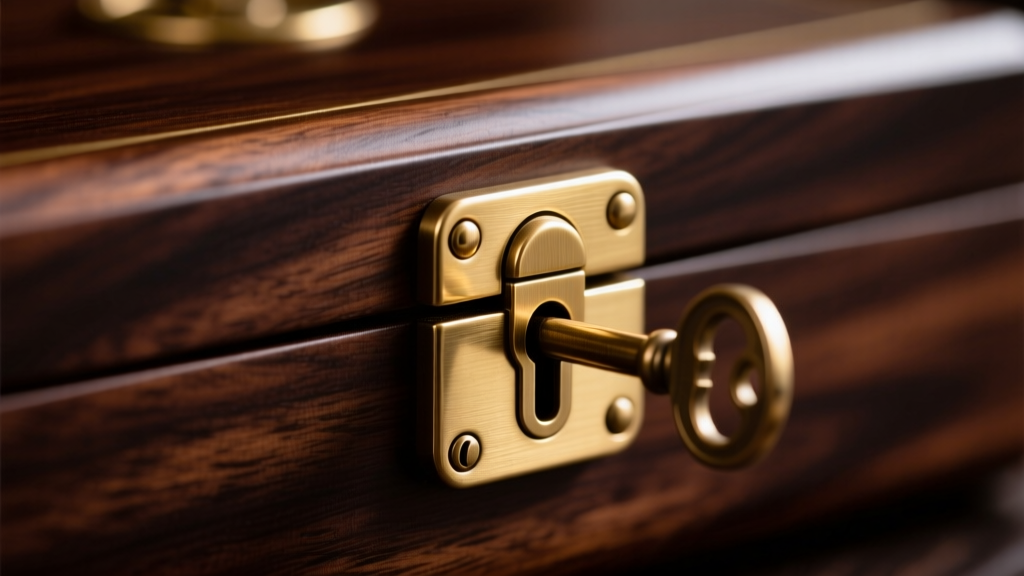
The Illusion of Security in Standard Jewelry Storage
When securing high-carat gemstones, heirloom gold, and sentimental pieces, the locking mechanism is your primary physical barrier. Yet, the market for jewelry box locks is heavily saturated with misleading security claims. A beautiful mahogany veneer or plush velvet interior often masks a locking mechanism that can be defeated in under five seconds with a simple paperclip. As of 2026, the disparity between budget-friendly hardware and premium security solutions has never been more pronounced. This value assessment breaks down the metallurgy, failure modes, and true cost-to-security ratios of the locks commonly found in jewelry storage, helping you determine where to invest and where to save.
The Metallurgy of Security: Why Budget Locks Fail
To understand the value of a lock, you must first understand its material composition. The vast majority of budget jewelry box locks are manufactured from Zamak 3, a zinc alloy. While Zamak is inexpensive to cast and easy to machine, it possesses a brittle crystalline structure. Its tensile strength maxes out around 283 MPa, making it highly susceptible to shear force. A moderate torque attack with a flathead screwdriver will easily snap the internal cam or the cylinder housing itself.
In contrast, premium locks utilize C36000 free-machining brass or hardened stainless steel. Brass offers superior shear strength and allows for tighter machining tolerances, which is critical for the internal pin stacks. The Associated Locksmiths of America (ALOA) consistently notes that material hardness and precision milling are the primary deterrents against lock picking and impressioning. When assessing value, paying a premium for solid brass or steel is not just about durability; it is a fundamental requirement for mechanical pick resistance.
Budget Tier ($5–$15): Tubular and Basic Cam Locks
Most mass-produced jewelry boxes utilize 11mm or 16mm tubular locks or basic 4-pin cam locks. Tubular locks feature a circular keyway with pins arranged in a ring, which gives the illusion of high security. However, budget tubular locks typically lack anti-pick spool pins and use weak return springs.
- Failure Mode: Vulnerable to tubular lock impressioning tools and simple raking. The zinc alloy cams frequently snap under rotational torque.
- Value Proposition: High aesthetic value, near-zero security value. These locks serve strictly as privacy latches to keep children or casual snoops out of the box, not as theft deterrents.
- Best Use Case: Storing costume jewelry or low-value everyday accessories in a low-risk, private bedroom environment.
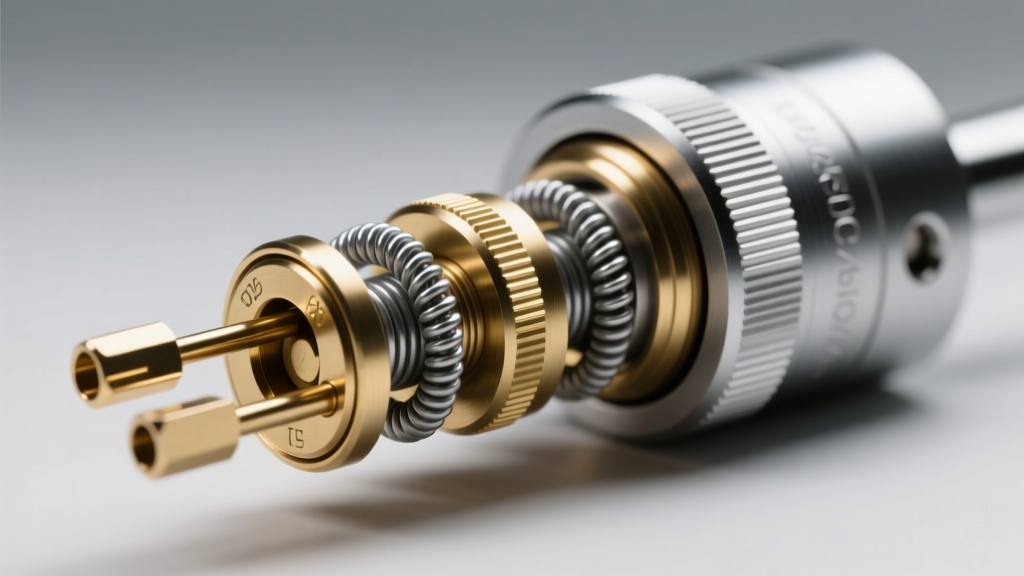
Mid-Tier ($20–$50): Mechanical Combinations and Magnetic Catches
Stepping up in price, we encounter 3-dial and 4-dial mechanical combination locks, as well as heavy-duty magnetic latches. A standard 3-dial combination lock offers 1,000 possible permutations, while a 4-dial offers 10,000. While this sounds secure, the internal brass wafers are often poorly toleranced, allowing users to 'feel' the correct gate alignment by applying lateral pressure to the shackle while turning the dials.
Magnetic latches, utilizing N42 or N52 grade neodymium magnets, offer excellent dust resistance and zero mechanical wear. However, their security is entirely dependent on the housing. If the external housing is pried, the magnetic bond (usually rated between 20 to 40 lbs of pull force) is easily overcome. The true value in this tier lies in the convenience and the elimination of key management, rather than forced-entry resistance.
Premium Tier ($80–$250): Biometric and RFID Smart Locks
The premium segment has shifted dramatically away from mechanical keys toward biometric fingerprint scanners and RFID (Radio Frequency Identification) fobs. As of 2026, capacitive biometric sensors have largely replaced older optical scanners in high-end jewelry safes. Capacitive sensors map the ridges and valleys of a fingerprint using electrical currents, offering a False Acceptance Rate (FAR) of 1/1,000,000 or better.
According to the NIST Biometrics Program, modern capacitive sensors are highly resistant to spoofing via silicone molds or high-resolution photographs, which frequently defeated early optical models. Furthermore, premium smart locks integrate anti-tamper alarms and lockout modes after three failed attempts, drastically altering the risk calculus for a potential thief.
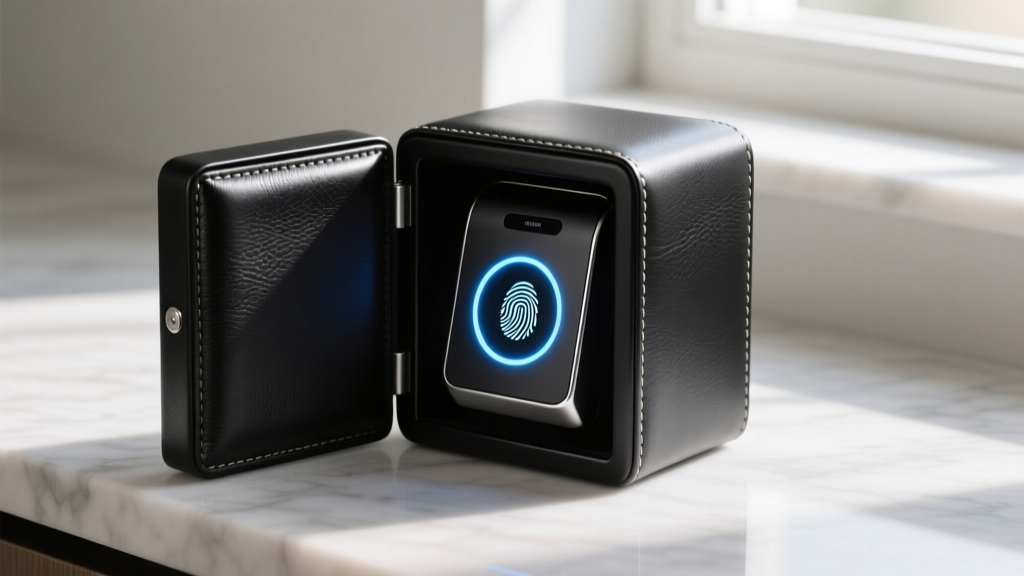
The Insurance Perspective on Smart Locks
From a financial value perspective, investing in a premium biometric or UL-listed electronic lock can yield dividends on your homeowner's insurance. Many insurance providers require jewelry to be stored in a repository with a recognized security rating (such as TL-15 or RSC) to waive high-value item premiums. While a biometric lock on a wooden box does not equate to a TL-15 steel safe, integrating a smart lock into a reinforced steel diversion safe can sometimes satisfy strict underwriter requirements for 'secure, access-controlled storage.'
Value Assessment Matrix: Cost vs. Security Yield
To synthesize the data, the following matrix evaluates the true cost-to-security yield of the primary jewelry box locks available on the market.
| Lock Type | Primary Material | Price Range | Pick/Force Resistance | Value Rating |
|---|---|---|---|---|
| 4-Pin Cam Lock | Zinc Alloy (Zamak) | $5 - $12 | Very Low (Seconds to defeat) | Poor (Privacy only) |
| 7-Pin Tubular | Zinc/Brass Hybrid | $12 - $25 | Low (Vulnerable to impressioning) | Fair |
| 4-Dial Combination | Hardened Steel/Brass | $25 - $45 | Medium (Resists casual picking) | Good |
| Capacitive Biometric | Steel Housing/Silicon | $90 - $250 | High (Anti-spoof, lockout modes) | Excellent (For high-value items) |
Retrofitting and Installation Realities
When assessing the budget for upgrading your jewelry box locks, you must factor in installation labor and material limitations. Retrofitting a biometric or heavy-duty combination lock into an existing wooden jewelry box often requires precise mortise cuts. Wood that is less than 3/4-inch thick will not support the shear weight of a steel smart lock, leading to hinge failure over time. If you are upgrading a vintage box, the cost of professional woodworking to reinforce the lid and install a steel strike plate can easily exceed the cost of the lock itself. In such cases, the highest value proposition is not replacing the lock, but rather placing the entire vintage box inside a larger, biometric-secured steel diversion safe.
'Security is a chain, and it is only as strong as its weakest link. A $200 biometric lock mounted on a pine box with brass hinges is ultimately just a $200 lock on a pine box.' — Master Locksmith Adage
Final Verdict: Where Should You Invest?
If your jewelry collection consists primarily of sentimental pieces and everyday wearables with a replacement value under $2,000, budget tubular or cam locks provide adequate privacy and dust protection. The financial investment in premium hardware is not justified here. However, if you are storing investment-grade diamonds, rare colored gemstones, or family heirlooms, budget jewelry box locks represent a critical liability. For high-value collections, the premium tier—specifically capacitive biometric locks integrated into reinforced enclosures—offers a superior cost-to-security yield, potentially lowering insurance premiums while providing genuine peace of mind.


