Jewelry Box Puzzle Resident Evil: 2026 Buyer Guide
Discover how to choose the perfect jewelry box puzzle Resident Evil fans love. Learn about wood grades, hidden mechanisms, and anti-tarnish linings.

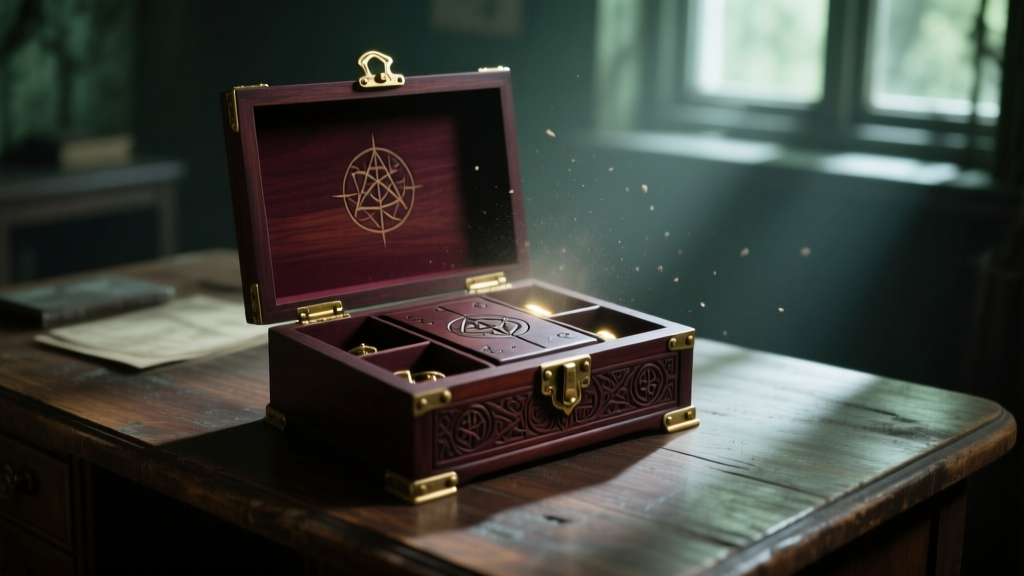
Gamers and fine jewelry collectors share a unique, overlapping trait: a deep appreciation for hidden compartments, intricate mechanical mechanisms, and the thrill of discovery. When searching for a jewelry box puzzle resident evil enthusiasts and survival horror fans covet, you are looking at a highly specific intersection of nostalgic security, geek-chic aesthetics, and high-end storage. These are not mere novelty trinkets; premium mechanical puzzle boxes—often inspired by the Japanese himitsu-bako tradition or European cryptexes—offer genuine protection for precious metals and gemstones while serving as a striking, interactive desk centerpiece.
As we navigate the collector market in 2026, the demand for 'geek-chic' storage has pushed artisans to blend survival horror puzzle motifs (think Spencer Mansion hidden tracks or clocktower sun-and-moon crests) with museum-grade jewelry preservation. This guide breaks down exactly what to look for regarding mechanical complexity, wood chemistry, and interior linings to ensure your rings, chains, and heirlooms remain as pristine as the puzzle itself.
Decoding the Mechanism: Moves, Steps, and Security
The core appeal of a puzzle box is the sequence of moves required to open it. In the context of securing valuable jewelry, the number of 'moves' or 'steps' dictates both the security level and the tactile satisfaction of the user. For fans of classic 90s survival horror, the feeling of sliding a hidden wooden panel, hearing the internal dowel drop, and unlocking a secondary compartment perfectly mimics the tension of solving an in-game puzzle.
- 4-Move to 10-Move Boxes: Ideal for daily-wear items like wedding bands or simple stud earrings. These require a basic sequence (e.g., slide left, push top, slide right, lift). They offer minimal security but high convenience.
- 12-Move to 36-Move Boxes: The sweet spot for serious collectors. These boxes often feature 'false bottoms' or secondary hidden drawers that only reveal themselves after a precise sequence of panel shifts. They are excellent for securing high-value items like diamond tennis bracelets or vintage signet rings.
- 54-Move to 66+ Move Boxes: Master-crafted pieces that function more as mechanical safes. The tolerances on these boxes are measured in fractions of a millimeter. They are best reserved for heirloom pieces, rare gemstones, or high-security storage where the owner only accesses the contents on special occasions.
Wood Types, Veneers, and the Danger of Tannins
The structural integrity of a puzzle box relies entirely on the wood used. Because the internal mechanisms depend on precise friction and gravity, the wood must be dimensionally stable. However, when storing fine jewelry, the chemical properties of the wood become equally important.
The Core: Paulownia and Basswood
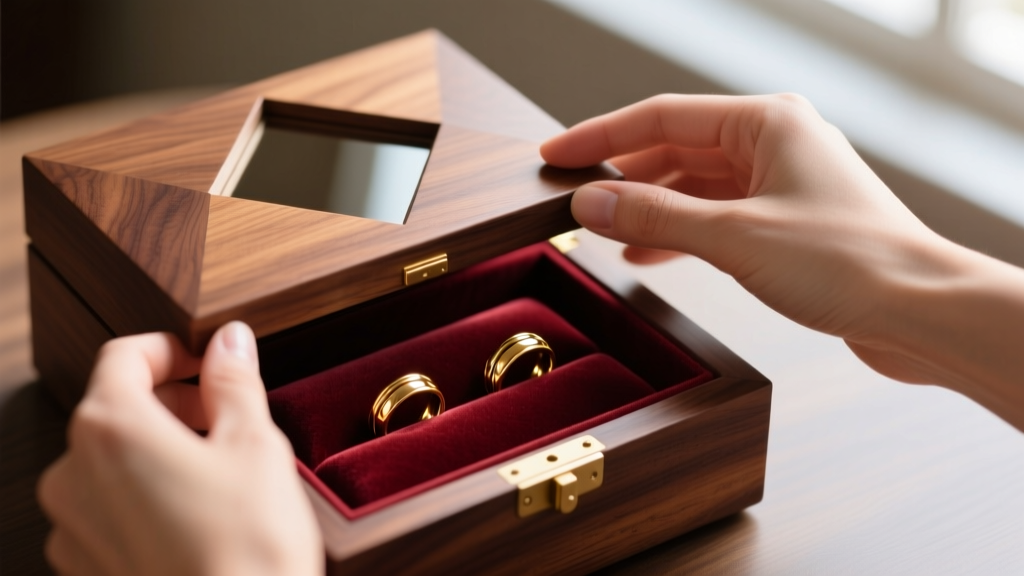
High-quality puzzle boxes typically use a core of Paulownia or Basswood. Paulownia is exceptionally lightweight, resistant to warping, and has a low moisture content. This stability is critical; if the core warps, the internal tracks will misalign, permanently jamming the puzzle mechanism and trapping your jewelry inside.
The Veneer and Exterior: Walnut, Cherry, and Rosewood
The exterior is often adorned with Yosegi (traditional Japanese marquetry) or rich veneers of Walnut, Cherry, or Rosewood. These woods are not only visually stunning but provide a protective shell. However, you must avoid puzzle boxes made of solid Oak or Cedar for the interior compartments. Oak contains high levels of tannic acid, which off-gases and accelerates the tarnishing of sterling silver and copper alloys. Cedar, while famous for repelling moths in closets, contains natural oils and acids that can degrade the nacre of pearls and the porous surface of opals over time.
Interior Linings: Anti-Tarnish is Non-Negotiable
A common failure point in novelty or entry-level puzzle boxes is the use of raw wood interiors or cheap, untreated synthetic felt. According to the Gemological Institute of America (GIA), storing silver and certain gemstones in environments with high sulfur or acidic off-gassing leads to rapid silver sulfide formation (tarnish) and gemstone dulling.
When evaluating a premium puzzle box, look for the following interior specifications:
- Pacific Silvercloth: The gold standard for silver storage. This material is embedded with fine silver particles that intercept and absorb hydrogen sulfide gas before it can reach your jewelry. If you are storing sterling silver chains or antique silver rings, a box lined with this material is mandatory.
- Treated Anti-Tarnish Flannel: A more affordable but highly effective alternative. This flannel is treated with zinc or silver compounds to neutralize corrosive gases. It is soft enough to prevent micro-scratches on high-polish gold and platinum.
- Untreated Microfiber or Suede: Acceptable for 18k or 24k gold, platinum, and diamonds, which do not tarnish. However, it offers no chemical protection for silver or copper-based alloys.
Expert Note on Organic Gems: If your collection includes pearls, amber, or opals, remember that these organic and water-bearing gems require a slightly different environment. As noted by Jewelers of America, storing pearls in completely airtight or overly dry environments can cause them to crack or lose their luster. A puzzle box with a breathable, untreated suede lining in a dedicated, separate compartment is ideal for these delicate stones.
Pricing Tiers and Collector Value
The market for mechanical puzzle jewelry boxes is segmented by craftsmanship, material origin, and mechanical complexity. Below is a breakdown of what to expect in the 2026 market.
| Collector Tier | Wood & Construction | Mechanism Steps | Interior Lining | Price Range (USD) |
|---|---|---|---|---|
| Novice / Gamer | Paulownia core, printed veneer | 4 to 10 moves | Basic synthetic felt | $45 - $95 |
| Enthusiast | Solid Walnut/Cherry, basic Yosegi | 12 to 36 moves | Treated anti-tarnish flannel | $150 - $350 |
| Master Collector | Premium Rosewood, Master Yosegi | 54 to 66+ moves | Pacific Silvercloth / Suede | $500 - $1,500+ |
Maintenance: Keeping the Mechanism and Metals Pristine
Owning a complex wooden puzzle box requires a strict maintenance regimen to protect both the mechanical tracks and the jewelry housed within. Wood is a hygroscopic material, meaning it absorbs and releases moisture from the surrounding air.
Humidity Control
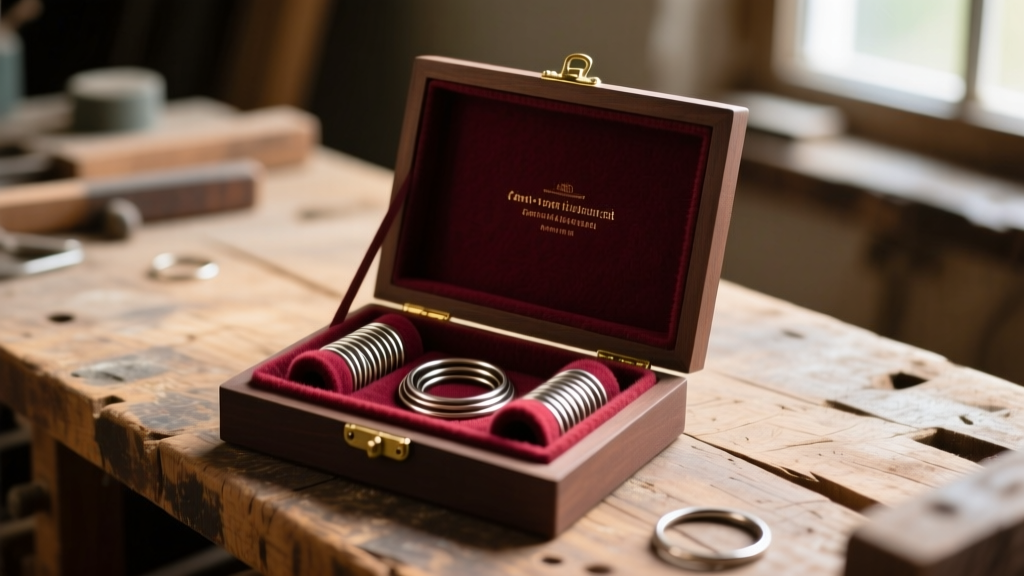
The ideal relative humidity (RH) for a wooden puzzle box is between 40% and 50%. If the RH drops below 30%, the wood will shrink, causing the internal dowels to rattle and the tracks to lose their friction-based locking mechanisms. If the RH exceeds 60%, the wood will swell, potentially jamming the puzzle shut. Keep the box away from direct sunlight, radiators, and HVAC vents. Consider placing a small, discreet silica gel desiccant packet in a non-lined sub-compartment to buffer moisture spikes.
Exterior Wood Care
Never use liquid oils (like linseed or mineral oil) on the exterior of a puzzle box. Oil can seep into the microscopic seams of the sliding panels, swelling the wood fibers and permanently jamming the mechanism. Instead, use a microcrystalline wax, such as Renaissance Wax. Apply a microscopically thin layer with a soft cotton cloth once a year. This protects the Yosegi marquetry from finger oils and UV fading without altering the dimensional tolerances of the puzzle tracks.
Track Lubrication
If a panel becomes difficult to slide, do not force it. Forcing a swollen wooden panel will snap the internal locking pins. Instead, use a dry PTFE (Teflon) powder applied via a fine brush directly to the friction tracks. Avoid liquid silicone sprays, which can stain the wood and degrade the anti-tarnish linings inside the compartment.
Final Thoughts for the Survival Horror Fan
A high-quality puzzle jewelry box is more than a nod to classic survival horror gaming; it is a functional, secure vault that demands interaction and respect. By prioritizing dimensionally stable woods like Paulownia, avoiding tannin-heavy oak interiors, and insisting on Pacific Silvercloth or treated flannel linings, you ensure that the thrill of unlocking the box is matched only by the pristine condition of the treasures hidden inside. Whether you are storing a simple silver chain or a high-carat gemstone, the right puzzle box turns the daily ritual of accessorizing into an unforgettable experience.


