Restoring an Erhard and Sohne Jewelry Box: A Step-by-Step Guide
Learn how to clean, restore, and line your vintage Erhard and Sohne jewelry box to prevent tarnish and protect your precious metals and gemstones.

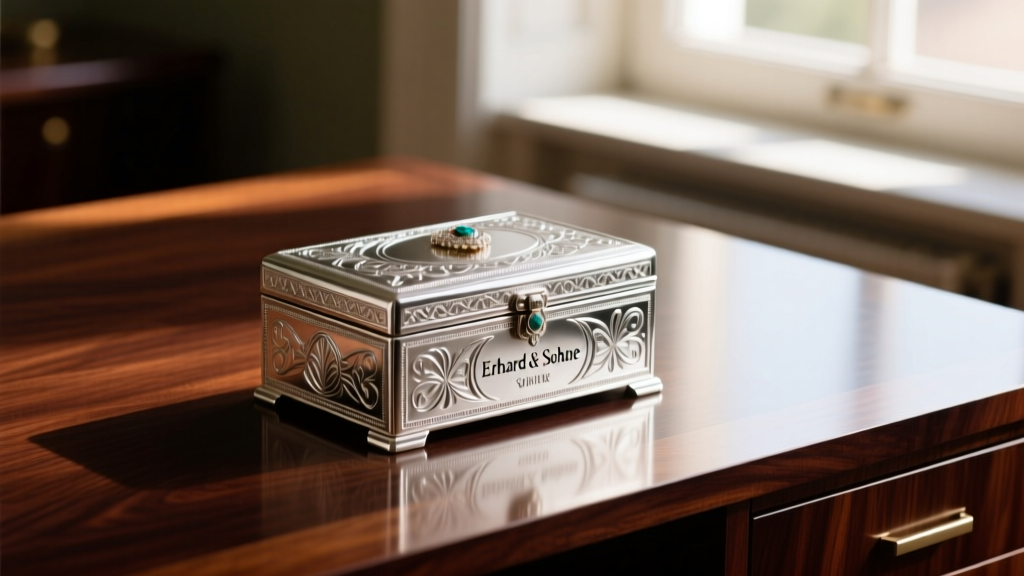
Owning an Erhard and Sohne jewelry box is akin to holding a piece of German metallurgical history. Founded in Schwäbisch Gmünd—a city globally renowned for its silver and metalwork heritage—Erhard & Söhne produced some of the most exquisite silver caskets, vanity boxes, and jewelry storage pieces of the late 19th and early 20th centuries. However, decades of use often leave these heirloom pieces with degraded interior linings, tarnished silver, and stiff hinges. Improper cleaning or the use of modern commercial dips can permanently strip the patina or damage the silver plating. This comprehensive, step-by-step guide will walk you through the archival-grade restoration of your Erhard and Sohne jewelry box, ensuring it provides a safe, anti-tarnish environment for your modern jewelry collection in 2026 and beyond.
Understanding the Metal Composition and Heritage
Before applying any cleaning agents, you must identify the exact metallurgical composition of your box. Erhard & Söhne manufactured pieces in both solid silver and silver-plate. Solid silver pieces from this region and era are typically stamped with an 800/1000 or 925/1000 fineness mark. The 800-grade silver (80% pure silver, 20% copper) was highly favored in Germany for its durability and resistance to denting, making it ideal for hinged caskets. Conversely, silver-plated pieces may feature markings indicating the thickness of the silver layer or bear the stamp of a specific plating process. Identifying whether your box is solid or plated dictates the abrasiveness of the polishing compounds you can safely use.
Step 1: Assessing the Box’s Condition and Hallmarks
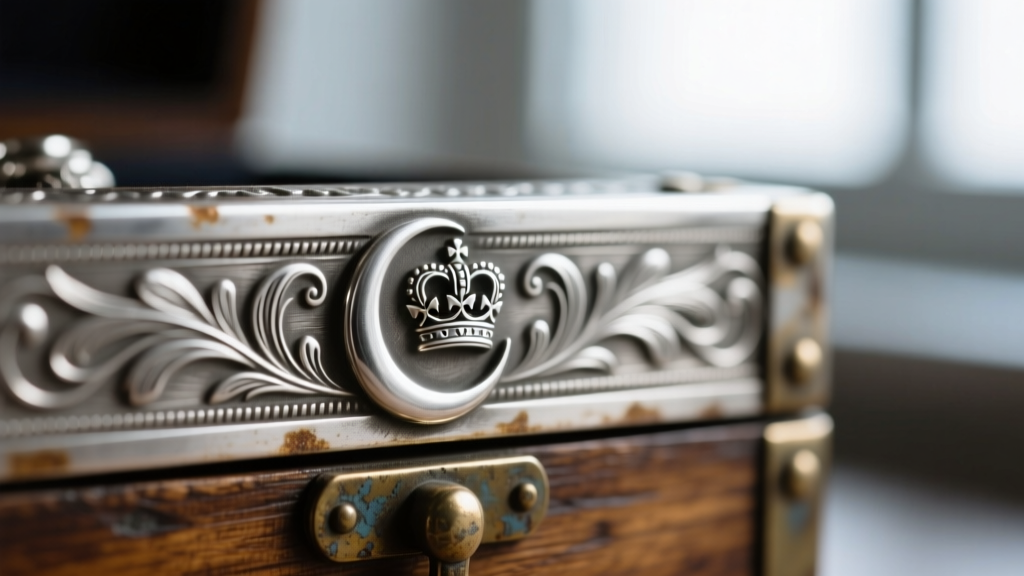
Begin your restoration by examining the hallmarks using a 10x jeweler's loupe. German silver hallmarks post-1888 typically feature the iconic crescent moon and crown (Halbmond und Reichskrone). You can cross-reference these stamps using the 925-1000 Silver Hallmark Database to pinpoint the exact decade of manufacture. Inspect the exterior for deep scratches, silver loss (where the base metal, often brass or copper, shows through on plated pieces), and structural warping. Check the interior for degrading velvet or silk. Older linings often off-gas acidic compounds as they break down, which actively accelerates the tarnishing of any silver or copper-based jewelry stored inside. If the lining is brittle, discolored, or smells musty, complete removal is mandatory.
Step 2: Safe Cleaning Protocols for Silver and Silver-Plate
Never use commercial liquid tarnish removers (like Tarn-X) on an Erhard and Sohne jewelry box. These products contain thiourea and strong acids that strip the silver layer, leave a chalky residue, and promote rapid re-tarnishing. Instead, rely on the mechanical cleaning method endorsed by the American Institute for Conservation (AIC) Silver Guidelines.
The Calcium Carbonate Paste Method
- Mix the Paste: Combine pharmaceutical-grade precipitated calcium carbonate with distilled water in a 2:1 ratio until it forms a thick, toothpaste-like consistency. Avoid using baking soda, as its crystalline structure is too abrasive and will leave micro-scratches on high-polish German silver.
- Application: Using a damp, lint-free cotton pad, apply the paste to the exterior of the box. Rub in straight, overlapping lines rather than circles to prevent swirl marks.
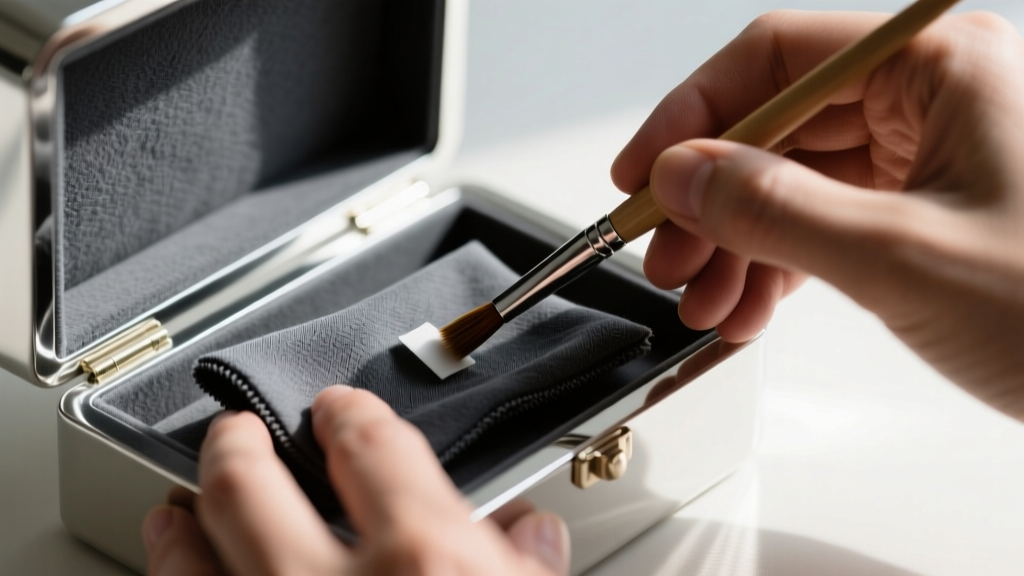
- Detail Work: For intricate repoussé work or engraved floral motifs, use a soft horsehair detailing brush or a wooden skewer wrapped in a microfiber cloth to gently lift the paste from the crevices.
- Rinsing and Drying: Wipe away the residue with a cloth dampened with distilled water. Dry immediately and thoroughly with a clean microfiber towel to prevent water spots.
Step 3: Re-Lining the Interior for Anti-Tarnish Protection
The interior environment of your jewelry box is the most critical factor in preventing your stored necklaces, rings, and earrings from oxidizing. Re-lining the box with modern anti-tarnish materials transforms a vintage casket into a high-performance storage vault.
Removing the Old Lining
Use a plastic spatula to gently lift the old fabric. If the original adhesive is stubborn, apply a small amount of naphtha (lighter fluid) to a cotton swab to dissolve the animal glue or early synthetic adhesives without damaging the underlying metal or wood substrate. Ensure the interior is completely dry and free of residue before proceeding.
Selecting and Installing the New Lining
For optimal jewelry protection, we recommend Pacific Silvercloth or an equivalent zinc-impregnated anti-tarnish flannel. These materials actively absorb hydrogen sulfide and sulfur dioxide from the air before they can react with your jewelry.
| Lining Material | Tarnish Inhibition | Archival Safety | Best Use Case |
|---|---|---|---|
| Pacific Silvercloth | Exceptional (Zinc embedded) | High (Acid-free) | Long-term silver and pearl storage |
| Anti-Tarnish Flannel | Very Good | High | Everyday jewelry organization |
| Standard Synthetic Velvet | Poor | Low (Off-gasses) | Display only (Avoid for storage) |
Installation: Cut your chosen fabric to size, leaving a 2mm margin from the edges. Apply a thin, even layer of archival-quality PVA adhesive (such as Jade 403) to the substrate using a foam brush. Jade 403 is acid-free, reversible with moisture, and will not off-gas harmful volatiles. Press the fabric firmly into place, using a bone folder to smooth out air bubbles and ensure crisp corners. Allow 24 hours to cure with the lid open.
Step 4: Hinge Lubrication and Clasp Maintenance
Vintage hinges often suffer from accumulated grime and dried lubricants, leading to a stiff opening action that can stress the silver solder joints. Do not use WD-40 or standard household oils, which attract dust and eventually turn into a gummy sludge. Instead, clean the hinge barrels with a micro-brush dipped in naphtha. Once dry, apply a single micro-drop of synthetic clock oil (such as Moebius 9010) directly to the hinge pin. This specific oil is highly stable, will not migrate into the new fabric lining, and provides long-lasting friction reduction. For the front clasp or push-button mechanisms, use a graphite powder applied via a precision needle-tip dispenser to ensure smooth engagement without liquid residue.
Long-Term Storage Best Practices for Silver Caskets
Even with a pristine exterior and an anti-tarnish interior, the macro-environment where you place your Erhard and Sohne jewelry box matters immensely. Avoid placing the box on surfaces made of MDF (medium-density fiberboard) or oak, as these woods emit acetic acid and formaldehyde, which will aggressively tarnish the exterior silver. Instead, place the box on a sealed hardwood surface, glass, or a marble vanity. To further protect the interior micro-climate, place a small, breathable sachet of activated charcoal or silica gel in a discreet corner of the box to control ambient humidity, keeping it below 50% relative humidity. By following these meticulous restoration and storage protocols, your vintage Erhard and Sohne jewelry box will remain a functional, breathtaking heirloom capable of protecting your most precious jewelry for generations to come.


