Thomas Pacconi Classics Jewelry Box Review: Materials & Preservation
An expert technical review of the Thomas Pacconi Classics jewelry box, analyzing wood veneers, anti-tarnish linings, and preservation value.

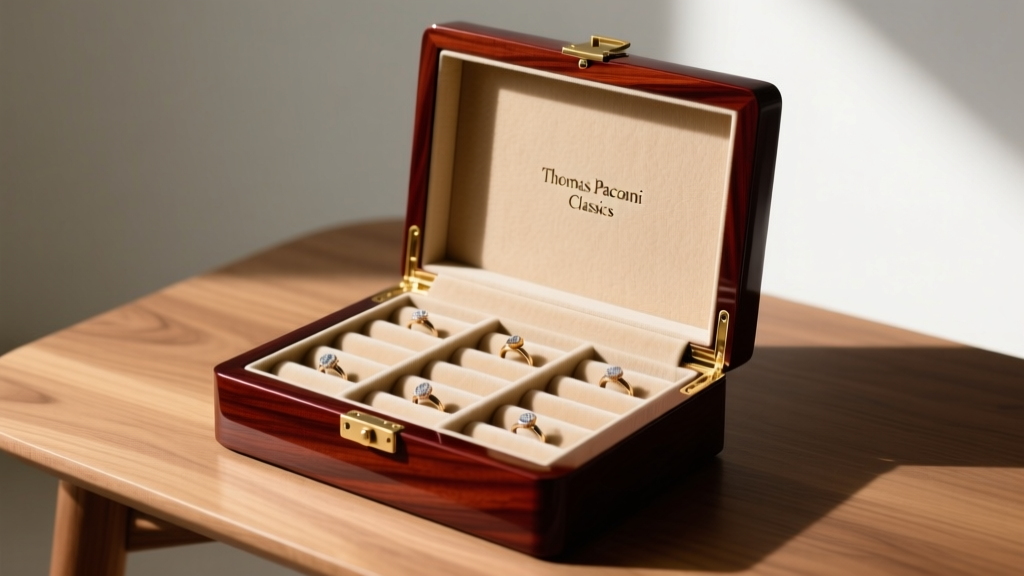
The Architecture of Heirloom Storage: Veneer vs. Solid Wood
When evaluating high-end organizational furniture, the construction of the carcass dictates both longevity and aesthetic endurance. The thomas pacconi classics jewelry box line is renowned for its striking high-gloss finishes and intricate wood grains. However, a common misconception among consumers is that premium boxes must be crafted from solid hardwood to be considered heirloom-quality. From a structural engineering perspective, this is false. Solid wood is highly susceptible to hygroscopic expansion and contraction, which can lead to warping, joint separation, and drawer binding in environments with fluctuating humidity.
Thomas Pacconi Classics utilizes a high-density MDF (Medium-Density Fiberboard) core wrapped in genuine wood veneers, such as walnut burl, cherry, or rosewood. MDF provides superior dimensional stability, ensuring that the precise tolerances required for smooth drawer operation and flush lid closures remain intact over decades. The veneers are typically book-matched, a technique where consecutive leaves of veneer are opened like a book to create a symmetrical, mirror-image grain pattern. This is sealed beneath a multi-layer polyester topcoat. Unlike traditional nitrocellulose lacquers, which can yellow, craze, or check over time, modern polyester resins offer a durable, UV-resistant, and moisture-impermeable barrier that maintains a glass-like gloss indefinitely.
Interior Linings and the Chemistry of Tarnish
The interior environment of a jewelry box is a microclimate that directly impacts the chemical stability of the metals and gemstones stored within. The primary enemy of silver and copper alloys is hydrogen sulfide, a gas present in ambient air that reacts with silver to form silver sulfide (tarnish). According to the Smithsonian Museum Conservation Institute, controlling the microenvironment is critical for slowing this electrochemical reaction.
Most Thomas Pacconi Classics models feature plush velour or suede-like synthetic linings. While aesthetically pleasing and excellent for preventing micro-scratches on polished gold and platinum, standard velour does not inherently possess anti-tarnish properties. In fact, if the adhesives used to bind the fabric to the interior wooden panels contain volatile organic compounds (VOCs) or acidic sulfur-based catalysts, they can actually accelerate tarnishing through off-gassing.

For collectors storing sterling silver or oxidizable metals, it is highly recommended to supplement the box's interior with activated carbon strips or specialized anti-tarnish tabs (such as 3M Anti-Tarnish Strips). These sacrificial elements absorb ambient sulfur compounds before they can react with your jewelry. Furthermore, ensure that any pearls or opals are not stored in completely airtight compartments within the box, as these organic and water-bearing gemstones require minimal ambient moisture to prevent cracking, a nuance often overlooked in sealed storage environments.
Mechanical Movements and Brass Hardware
Beyond static storage, many pieces in the Thomas Pacconi Classics collection incorporate mechanical musical movements and complex hinge systems. The musical components are typically wind-up clockwork mechanisms, often sourced from reputable manufacturers like Sankyo. These 18-note or 36-note brass cylinder movements require occasional lubrication of the governor fan bearing to prevent tempo dragging, though they are generally sealed and maintenance-free for the average user.
The hardware—specifically the hinges and locks—represents a critical stress point. The lids of larger armoire-style boxes are heavy, often weighing several pounds due to the MDF core, glass mirrors, and veneer. To support this weight, these boxes utilize solid brass or heavily brass-plated steel quadrant hinges. These hinges feature a sliding track that locks the lid at a precise 90-degree angle, preventing backward over-extension that could snap the lid's wooden backing. The locks are typically simple warded mechanisms; while they offer a psychological sense of security and keep the lid sealed against dust, they should not be relied upon for high-security physical theft deterrence.
Comparative Analysis: Thomas Pacconi vs. Mass-Market Alternatives
To understand the market positioning and material superiority of these boxes, we must compare them against standard mass-market alternatives found in big-box retail stores. The differences in material grades directly correlate to the lifespan of the storage unit.
| Feature | Thomas Pacconi Classics | Standard Mass-Market Box |
|---|---|---|
| Core Material | High-Density MDF (Moisture Resistant) | Particleboard or Thin Plywood |
| Surface Finish | Multi-layer Polyester High-Gloss | Printed Paper Laminate or Thin Veneer |
| Lining Material | Thick Velour/Suede over Padded Foam | Thin Felt glued directly to cardboard |
| Hinge Hardware | Brass-Plated Steel Quadrant Hinges | Stamped Aluminum or Plastic Piano Hinges |
| Dovetail Joinery | Reinforced Corner Blocking | Stapled or Cam-Lock Assembly |
As the data illustrates, the mass-market alternatives rely on particleboard, which is prone to swelling and catastrophic failure if exposed to minor water spills or high humidity. The thin felt linings in cheaper boxes also lack the padding necessary to protect delicate prongs and pavé settings from impact damage when drawers are closed forcefully.
Known Failure Modes and Maintenance Protocols
Despite their robust construction, no wooden storage unit is immune to environmental degradation. The Victoria and Albert Museum notes that wooden furniture requires strict climate control to prevent structural fatigue. For the Thomas Pacconi Classics jewelry box, the most common failure modes include:
- Veneer Delamination: If placed near HVAC vents, radiators, or in direct sunlight, the extreme thermal cycling can cause the polyester topcoat and veneer to expand at different rates, leading to micro-cracking or lifting at the edges.
- Hinge Sag: Over decades, the repeated stress of opening a heavy lid can strip the screws holding the quadrant hinges to the MDF core. To prevent this, avoid slamming the lid and periodically check the hinge screws for looseness.
- Drawer Binding: In high-humidity environments (above 60% RH), the wooden drawer runners can swell. Applying a thin layer of microcrystalline wax or paraffin to the wooden runner tracks will ensure smooth operation without attracting dust.
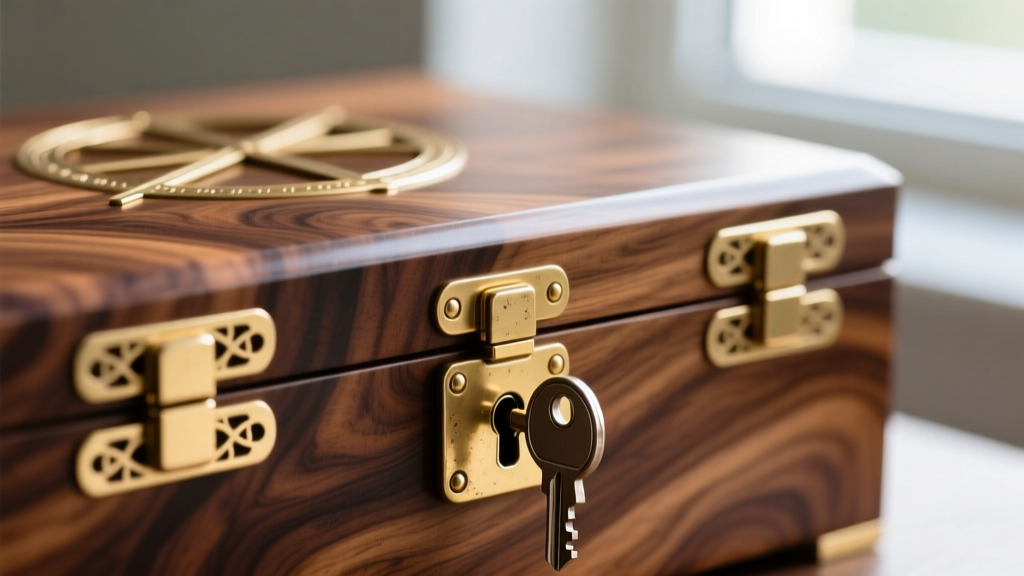
For routine maintenance, avoid using silicone-based aerosol polishes or ammonia-based glass cleaners on the exterior. These chemicals can degrade the polyester finish over time and seep into the interior, potentially harming porous gemstones like turquoise or coral. Instead, use a clean, dry microfiber cloth for dusting, and a slightly damp cloth for removing fingerprints, followed immediately by a dry buff.
Expert Verdict: Is It Worth the Investment?
From a technical and horological perspective, the thomas pacconi classics jewelry box represents a highly functional intersection of mid-century aesthetic sensibilities and modern composite material stability. While it may not possess the hand-cut dovetails of a bespoke solid-wood artisan chest, its use of MDF and polyester ensures that it will survive the humidity fluctuations of a modern home far better than many solid-wood antiques.
For serious collectors requiring museum-grade, hermetically sealed, and argon-flushed preservation environments, specialized archival safes are required. However, for the daily wearer who requires elegant compartmentalization, robust hardware, and a beautiful vanity centerpiece that actively protects jewelry from physical abrasion and dust accumulation, these boxes remain a benchmark in the premium organizational market. By supplementing the interior with anti-tarnish strips and maintaining a stable room humidity of 45-55%, owners can ensure their jewelry—and the box itself—remains in pristine condition for generations.


