Bea Bongiasca Jewelry Box: Best Materials For Enamel Storage
Discover the best materials for a Bea Bongiasca jewelry box. Learn how to protect delicate vitreous enamel and gold from tarnish and micro-scratches.

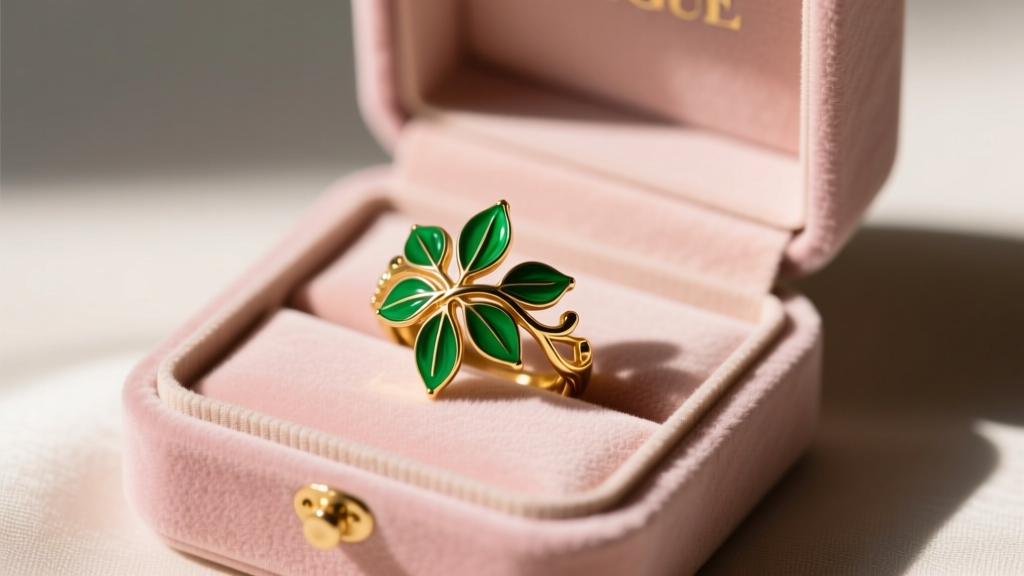
When investing in high-end, whimsical designer pieces, standard storage solutions simply will not suffice. The search for the perfect Bea Bongiasca jewelry box is not merely an exercise in aesthetic matching; it is a critical matter of material science and conservation. Known for her playful 'You're So Vine' and 'Floris' collections, the Milanese designer frequently combines 18-karat gold with vibrant vitreous enamel and precious gemstones. While visually stunning, this specific combination of materials presents unique storage challenges that mass-market organizers completely ignore.
Standard velvet-lined boxes or acrylic displays can actually accelerate the degradation of delicate enamel and soft high-karat gold. To preserve the structural integrity and vibrant colorways of luxury designer jewelry, you must understand the physical and chemical properties of both the jewelry and the storage materials. This guide breaks down the exact material specifications required to build or source the ultimate storage environment for enamel-heavy designer collections.
The Mohs Scale and Friction Dynamics in Designer Jewelry
To understand why a specialized Bea Bongiasca jewelry box is necessary, we must first look at the Mohs hardness scale. Vitreous enamel is essentially fused glass, giving it a Mohs hardness rating of roughly 5.5 to 6.0. In contrast, the 18-karat gold used as the base metal in these designs is remarkably soft, sitting at a mere 2.5 to 3.0 on the scale.
This disparity creates a dangerous friction dynamic. If a gold and enamel ring is tossed into a standard compartment, the harder enamel edges of one piece will easily scratch the softer gold of another. Furthermore, while enamel is hard, it is also inherently brittle. A sharp impact against a hard plastic divider or an unyielding wooden wall can cause microscopic chipping or 'crazing' (a network of fine cracks within the glass layer). Therefore, the interior lining of your storage must act as a shock absorber while remaining entirely non-abrasive to the gold.
Interior Linings: Material Comparison and Properties
The interior lining is the most critical point of contact. According to conservation guidelines from the Victoria and Albert Museum, textiles used for jewelry storage must be chemically inert, lint-free, and soft enough to prevent micro-marring. Let us evaluate the most common lining materials.
Silk Charmeuse (19mm+ Weight)
Silk has historically been the gold standard for luxury jewelry boxes. However, not all silk is created equal. For heavy enamel pieces, you need a minimum weight of 19 momme (mm). Lighter silks can tear under the pressure of heavy cocktail rings and offer insufficient padding. While silk is chemically inert and will not off-gas harmful chemicals, its smooth surface provides zero friction, meaning pieces can slide around if the box is moved.
Ultrasuede and High-Grade Microfiber
For modern collector-grade storage, Ultrasuede (a branded, ultra-fine microfiber) is the superior choice. Unlike traditional fabrics, Ultrasuede is engineered to be completely lint-free and non-abrasive. Its microscopic fiber structure gently grips the jewelry, preventing the sliding that leads to impact damage, while providing a plush, shock-absorbent cushion that protects brittle enamel from hairline fractures.
Cotton Velvet vs. Synthetic Velvet
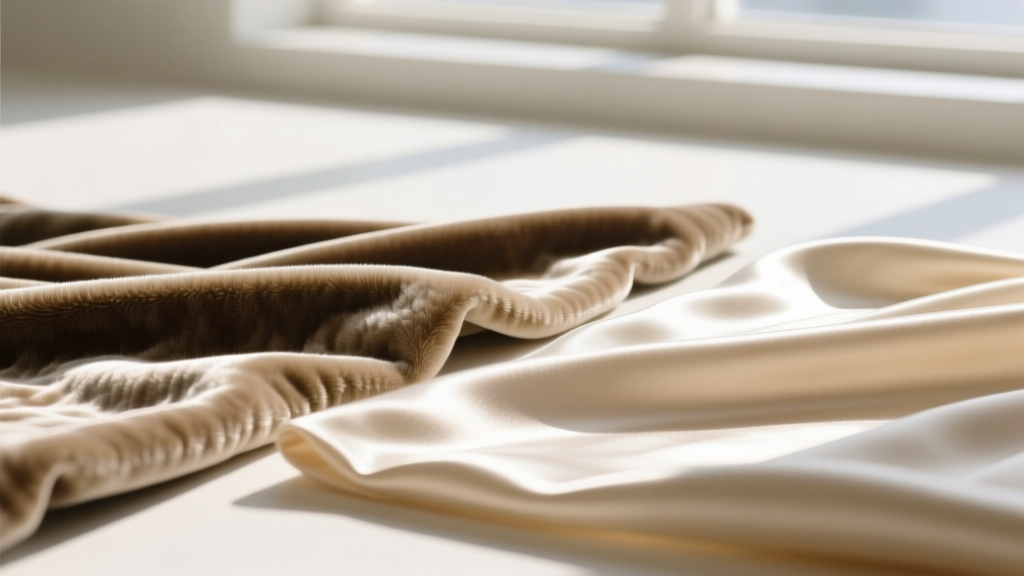
Velvet is a traditional favorite, but the material composition matters immensely. Synthetic velvet (polyester or nylon) generates static electricity, which acts as a magnet for microscopic dust and silica particles. Over time, this trapped dust acts like sandpaper against 18k gold. If you prefer velvet, you must source 100% cotton velvet, which is naturally anti-static. However, cotton velvet can shed fibers that catch on the intricate prongs and tension-set gems typical of Bea Bongiasca's vine motifs.
Exterior Shell Materials: Preventing Chemical Off-Gassing
The exterior shell of a jewelry box dictates its structural longevity, but more importantly, it dictates the chemical environment inside. The Gemological Institute of America (GIA) frequently warns against storing fine jewelry in environments with high volatile organic compounds (VOCs).
The Danger of MDF and Particleboard
Most mid-range jewelry boxes are constructed from Medium-Density Fiberboard (MDF). MDF is manufactured using urea-formaldehyde resins. Over time, especially in fluctuating temperatures, MDF off-gasses formaldehyde and other acidic vapors. These vapors become trapped inside the closed box, reacting with the metallic oxides in colored enamels, leading to clouding, dulling, and irreversible chemical etching on the glass surface.
Solid Hardwoods and Proper Sealing
If choosing wood, opt for solid hardwoods like walnut, mahogany, or macassar ebony. However, raw wood contains natural acids (like tannic acid in oak) that can tarnish gold and degrade enamel. The wood must be properly sealed with a fully cured, water-based polyurethane or a specialized archival lacquer to create an impermeable barrier between the wood's natural chemistry and your jewelry.
Cast Acrylic and Polycarbonate
Acrylic is completely chemically inert and will not off-gas, making it exceptionally safe for enamel. The drawback is light transmission. Prolonged exposure to UV light can fade certain organic gemstones and alter the appearance of specific enamel pigments. If using an acrylic Bea Bongiasca jewelry box, it must be stored inside a drawer or fitted with UV-blocking film.
| Material | Chemical Inertness | Impact Resistance | UV Vulnerability | Price Range (Custom Box) |
|---|---|---|---|---|
| MDF / Particleboard | Poor (High VOCs) | Moderate | Low | $50 - $150 |
| Solid Walnut (Sealed) | Excellent | High | Low | $300 - $800 |
| Cast Acrylic | Excellent | Moderate | High (Requires UV film) | $150 - $400 |
| Archival Aluminum | Excellent | Very High | None | $400 - $1,200 |
Integrating Anti-Tarnish and Humidity Control
While vitreous enamel itself does not tarnish, the 18k gold settings and the delicate metallic foils sometimes used beneath translucent enamel layers are susceptible to environmental degradation. A high-end storage solution must actively manage the microclimate.
- Pacific Silvercloth Integration: For the ultimate protection, line the deepest recesses of your box with Pacific Silvercloth. This specialized cotton fabric is embedded with microscopic silver particles that intercept and absorb hydrogen sulfide gases before they can reach your jewelry.
- Silica Gel Desiccants: Enamel can suffer from 'weeping' or clouding if exposed to extreme humidity fluctuations. Include a few rechargeable silica gel canisters in the storage compartments to maintain a stable relative humidity (RH) of 40% to 50%.
- Avoid Sulfur-Rich Environments: Never store your jewelry box in a bathroom or near wool garments, as both are primary sources of sulfur compounds that accelerate gold tarnishing.
Sourcing or Commissioning Your Ideal Storage
Finding a pre-made box that perfectly accommodates the oversized, sculptural dimensions of pieces like the 'You're So Vine' cocktail rings can be difficult. Standard ring rolls often crush the delicate enamel leaves and tension-set stones.
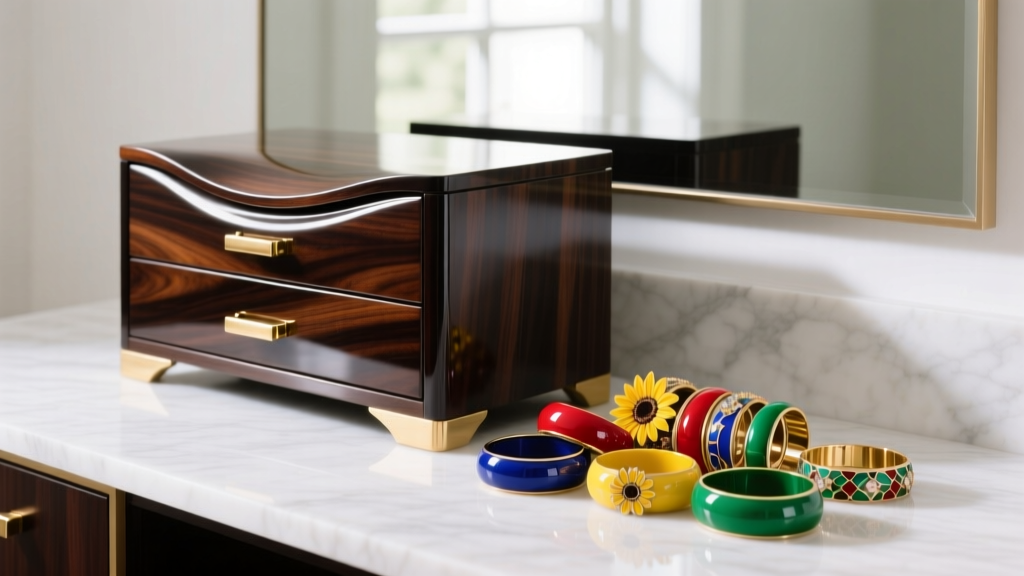
For serious collectors, commissioning a custom insert for an existing high-quality wooden armoire is the most practical route. Utilize a modular system where individual trays can be configured with deep, open wells rather than restrictive slots. Line these wells with 2mm-thick Ultrasuede over a base of archival polyethylene foam. This provides the necessary depth for chunky gold shanks while ensuring the enamel motifs remain completely suspended and protected from lateral pressure.
Ultimately, treating your jewelry storage as a vital component of your investment ensures that the whimsical beauty and structural brilliance of your collection remains pristine for generations. By prioritizing chemically inert exteriors and non-abrasive, shock-absorbing interiors, you create a sanctuary worthy of world-class design.


