Extra Large Jewelry Armoire: Deep Cleaning & Care Guide
Learn how to clean, maintain, and protect your extra large jewelry armoire. Expert tips on wood care, velvet lining upkeep, and hardware lubrication.

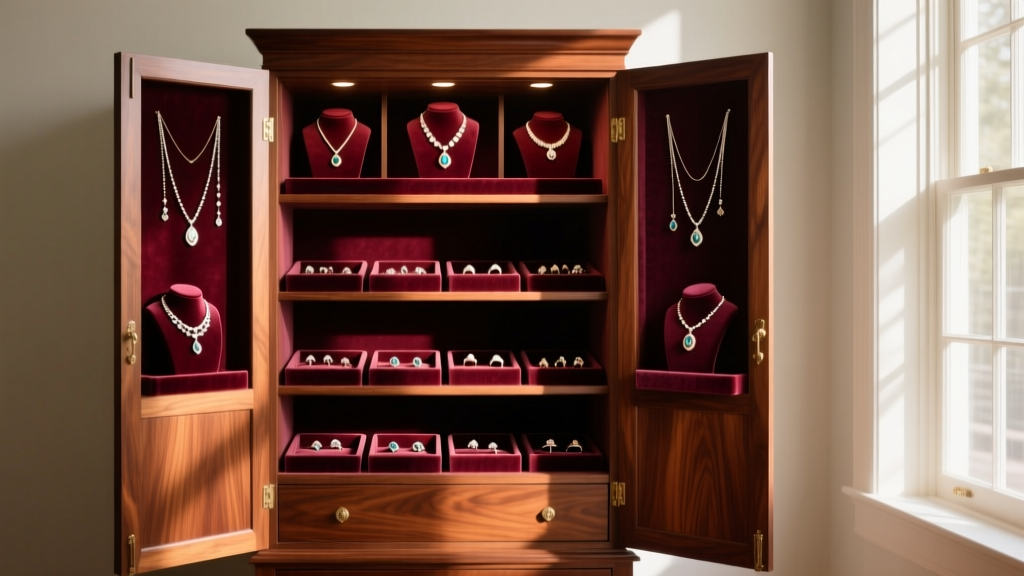
The Investment of an Extra Large Jewelry Armoire
An extra large jewelry armoire is more than just a storage unit; it is a substantial piece of furniture and a protective vault for your most prized possessions. Typically standing over 60 inches tall and featuring dozens of drawers, swing-out doors, and tiered necklace hooks, these freestanding behemoths require dedicated maintenance. Unlike small countertop jewelry boxes, an extra large jewelry armoire possesses complex mechanical hardware, expansive wood or MDF veneers, and yards of delicate interior lining that can degrade if neglected.
Proper care ensures that the armoire not only looks pristine in your dressing room but also actively protects your collection from environmental hazards like tarnish, moisture, and dust. In this comprehensive guide, we break down the exact protocols for maintaining the exterior finishes, interior fabrics, and heavy-duty hardware of your oversized jewelry storage.
Wood and Finish Maintenance: Protecting the Exterior
The exterior of your armoire dictates its aesthetic presence and structural longevity. Most high-end extra large jewelry armoires are constructed from solid hardwoods like oak, walnut, or mahogany, while mid-range options utilize engineered MDF with high-quality wood veneers. The cleaning approach must be tailored to the specific topcoat applied to the wood.
Identifying and Caring for Your Topcoat
- Polyurethane and Lacquer Finishes: These are the most common modern finishes, providing a hard, protective shell. Clean them using a slightly damp microfiber cloth. Avoid silicone-based aerosol sprays (like standard Pledge), which can build up over time and create a hazy, impenetrable film that attracts dust.
- Oil-Rubbed and Wax Finishes: Often found on antique or artisan-crafted armoires, these finishes require nourishment. Use a high-grade carnauba paste wax or a specialized product like Howard Feed-N-Wax every six months to prevent the wood from drying out and cracking.
- Painted or Distressed Finishes: Clean with a mild solution of distilled water and a drop of castile soap. Never use abrasive sponges, which will strip the intentional distressing or chalk paint.
Maintaining the correct ambient environment is just as critical as polishing. According to conservation guidelines from the American Institute for Conservation, wood furniture should be kept in environments with a Relative Humidity (RH) between 40% and 50%. Fluctuations beyond this range cause the wood to expand and contract, leading to split veneers, sticky drawers, and compromised glue joints.
Interior Care: Velvet Linings and Anti-Tarnish Upkeep
The interior of an extra large jewelry armoire is a microclimate. The plush velvet, microfiber, or felt linings are designed to cushion your jewelry, but they are also highly susceptible to trapping dust, skin oils, and cosmetic residues. Furthermore, the enclosed space can accelerate tarnishing if the anti-tarnish properties are not actively maintained.
Revitalizing Velvet and Microfiber
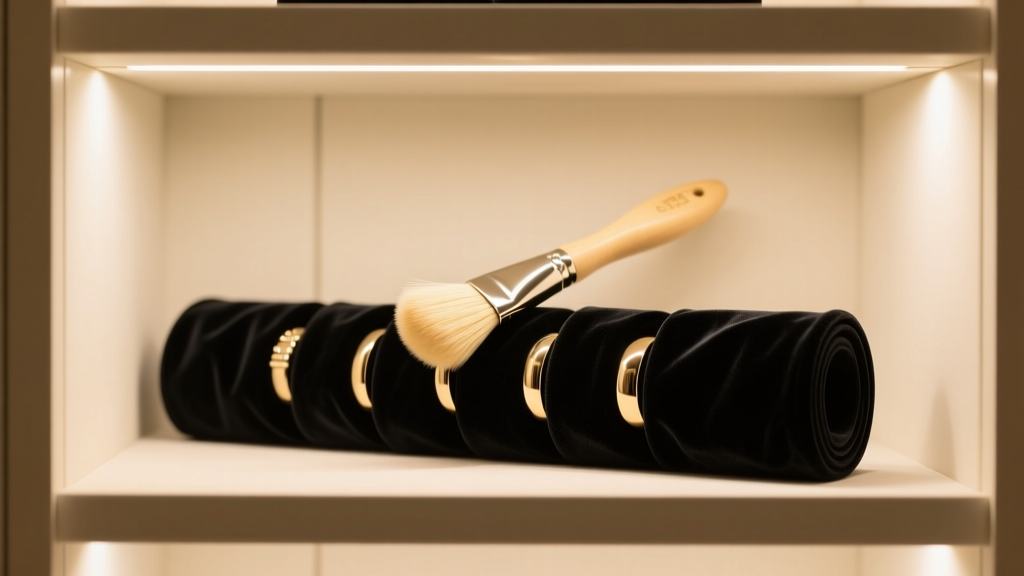
Never use liquid upholstery cleaners on the interior lining of your armoire. The moisture can seep through the fabric, degrading the adhesive bonding the fabric to the wooden drawer inserts, leading to peeling and warping. Instead, use a soft-bristle suede brush or a clean, dry makeup brush to gently sweep dust out of the ring rolls and earring grooves. For deeper cleaning, use a low-suction handheld vacuum with a soft brush attachment, hovering just above the fabric to lift embedded particulates without pulling the threads.
Managing the Anti-Tarnish Microclimate
Sterling silver and copper alloys are highly reactive to hydrogen sulfide and moisture in the air. While an extra large jewelry armoire keeps dust out, it can trap corrosive gases if not properly treated. The Gemological Institute of America (GIA) recommends storing reactive metals in treated environments. Line the back walls of your armoire's interior with Pacific Silvercloth or attach 3M Anti-Tarnish strips to the inside of the doors. These strips absorb corrosive gases and must be replaced strictly every six months to remain effective.
| Maintenance Task | Frequency | Recommended Product/Method |
|---|---|---|
| Dust Interior Linings | Bi-weekly | Soft-bristle suede brush or clean makeup brush |
| Replace Anti-Tarnish Strips | Every 6 Months | 3M Anti-Tarnish strips or Pacific Silvercloth |
| Lubricate Drawer Tracks | Annually | Paraffin wax or beeswax candle |
| Polish Exterior Wood | Every 3-6 Months | Carnauba paste wax (avoid silicone sprays) |
| Tighten Door Hinges | Annually | Phillips-head screwdriver and wood glue (if stripped) |
Hardware and Mirror Care: Hinges, Knobs, and Glass
The sheer scale of an extra large jewelry armoire means its hardware undergoes significant mechanical stress. The side doors, often laden with heavy necklaces and bracelets, place immense lateral torque on the hinges. Meanwhile, the built-in mirrors require specific chemical care to prevent permanent damage.
Lubricating Heavy-Duty Hinges and Drawer Tracks
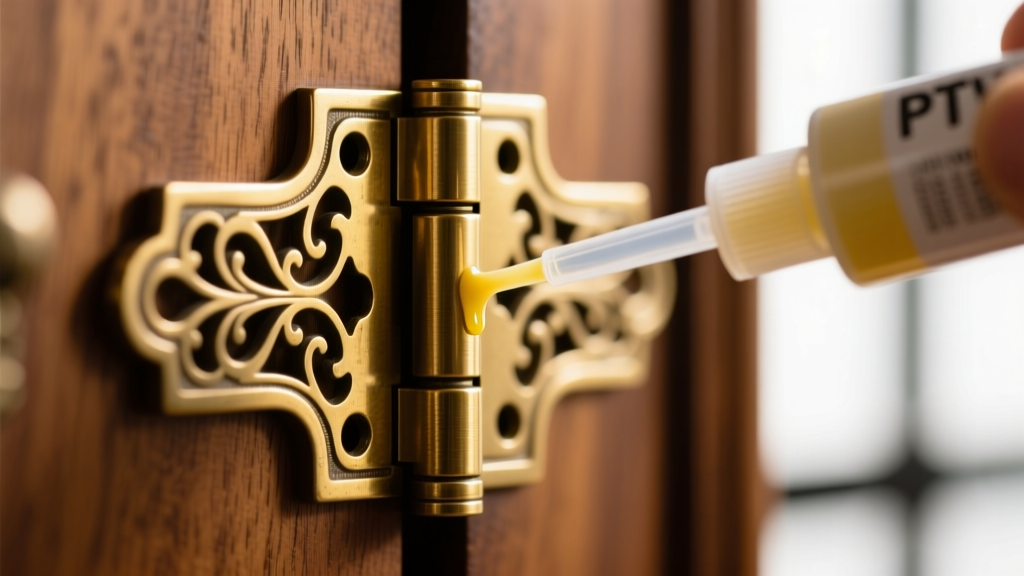
A common mistake is using standard WD-40 on squeaky armoire hinges. WD-40 is a solvent and water-displacer, not a long-term lubricant; it will attract dust and eventually turn into a gritty paste that grinds down the hinge pins. Instead, use a PTFE (Teflon) dry lubricant or a synthetic white lithium grease applied with a precision needle applicator. For wooden drawer tracks that have become sticky due to humidity swelling, rub a standard paraffin wax candle or a block of beeswax along the contact rails to restore a smooth glide without introducing moisture.
Streak-Free Mirror Cleaning and Desilvering Prevention
Many extra large jewelry armoires feature a beveled mirror on the front door. The edges of these mirrors are highly vulnerable to 'black edge' desilvering—a permanent defect caused when harsh chemicals seep behind the glass and oxidize the reflective silver backing. Never spray glass cleaner directly onto the mirror. Instead, spray an ammonia-free glass cleaner onto a lint-free microfiber cloth, then wipe the glass. Ammonia and vinegar are highly corrosive to mirror backing and must be strictly avoided.
Troubleshooting Common Armoire Issues
Even with meticulous care, large furniture pieces can develop quirks over time. Here is how to troubleshoot the most frequent issues encountered with oversized jewelry storage units.
- Musty Odors in Drawers: If your armoire develops a stale smell, do not use aerosol air fresheners, which can leave a sticky residue on your jewelry. Instead, place small, breathable muslin bags filled with activated bamboo charcoal inside the drawers for 48 hours to absorb odors and excess moisture naturally.
- Sagging Side Doors: If the doors no longer close flush, the hinge screws have likely stripped the wood. Remove the screw, fill the hole with a mixture of wood glue and toothpicks, let it cure for 24 hours, and then re-drive the screw for a factory-tight fit.
- Tarnish Accelerating Inside the Box: If your silver is tarnishing rapidly despite anti-tarnish strips, check the armoire's location. Proximity to HVAC vents, bathrooms, or direct sunlight creates micro-fluctuations in temperature and humidity that overwhelm passive anti-tarnish solutions.
Expert Insight: The off-gassing of cheap adhesives and composite woods (like low-grade MDF) can actually accelerate silver tarnish due to the release of sulfur compounds. If you own a budget-friendly armoire, sealing the raw interior wood with a water-based polyurethane before adding fabric linings can create an inert barrier, vastly improving the preservation quality of the storage environment.
Conclusion: Preserving Your Heirloom Storage
An extra large jewelry armoire is a cornerstone of any serious collection, offering unparalleled capacity and organization. By implementing a disciplined maintenance routine—ranging from proper wood waxing and PTFE hinge lubrication to strict anti-tarnish protocols—you ensure that the furniture remains as flawless as the gems it holds. Treat your armoire not just as a box, but as a functional heirloom that will safeguard your style and investments for decades to come.


