Mastering Jewelry Box Design: A Beginner's Guide to Safe Storage
Discover the anatomy of jewelry box design. Learn how to choose the right compartments, materials, and anti-tarnish features to protect your collection.

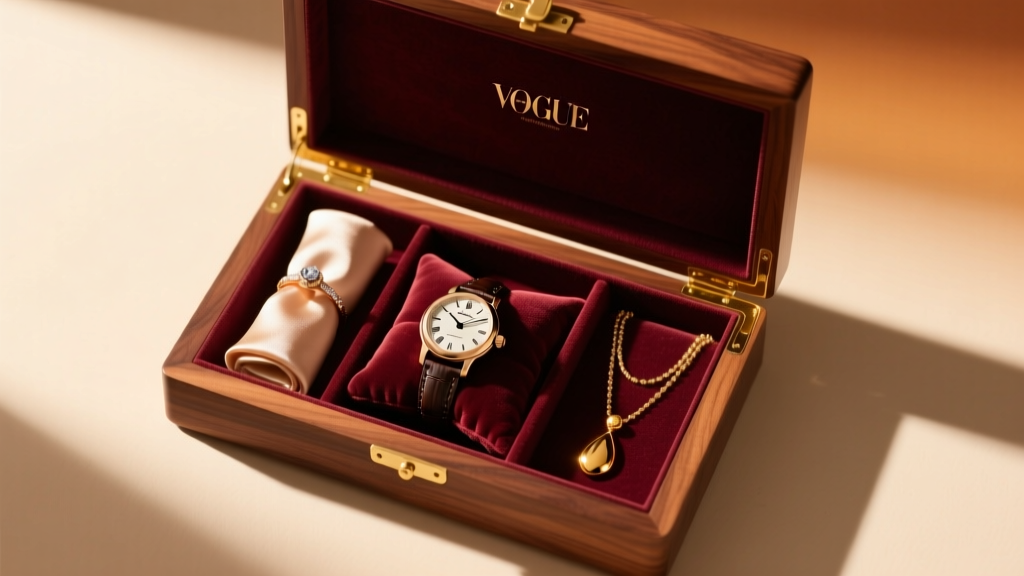
When most beginners shop for jewelry storage, they prioritize the exterior aesthetic—matching a bedroom vanity or selecting a favorite color. However, true jewelry box design is an exercise in material science, spatial engineering, and preventative conservation. A poorly designed interior can lead to micro-scratches, severe chain tangling, and accelerated chemical tarnishing. According to the Gemological Institute of America (GIA), improper storage is one of the leading causes of preventable damage to fine jewelry.
This guide breaks down the functional anatomy of jewelry box design, helping you look past the velvet exterior to evaluate what actually keeps your collection safe, organized, and pristine.
Why Jewelry Box Design Matters More Than Aesthetics
The primary enemy of jewelry in storage is friction. The Mohs Hardness Scale dictates that harder materials will scratch softer ones. A diamond (Mohs 10) stored in the same open compartment as a gold band (Mohs 2.5 to 3) will inevitably leave deep, permanent gouges in the metal. Effective jewelry box design mitigates this through rigid compartmentalization and tension-based storage.
Furthermore, environmental factors play a massive role. The Library of Congress notes that airborne sulfur compounds and humidity are the primary catalysts for silver tarnish. A well-engineered box doesn't just separate items; it creates a micro-climate that slows oxidative degradation.
The Core Anatomy of a Well-Designed Layout
To evaluate a jewelry box, you must audit its specific storage zones. Here is what to look for in the three most critical compartments.
Ring Rolls and Finger Posts
Standard ring rolls are typically spaced 1.5 inches apart and made from polyurethane foam covered in synthetic velvet. While fine for delicate size 4-6 rings, this design fails for wider bands. If you collect signet rings, men's bands (8mm+ width), or wear sizes 9 and above, standard rolls will crush the shank or stretch the fabric lining. Look for a jewelry box design that features 2-inch spacing or individual slotted finger posts made of high-density memory foam, which conforms to the ring without applying lateral pressure.
Necklace Drops and Tassel Hooks
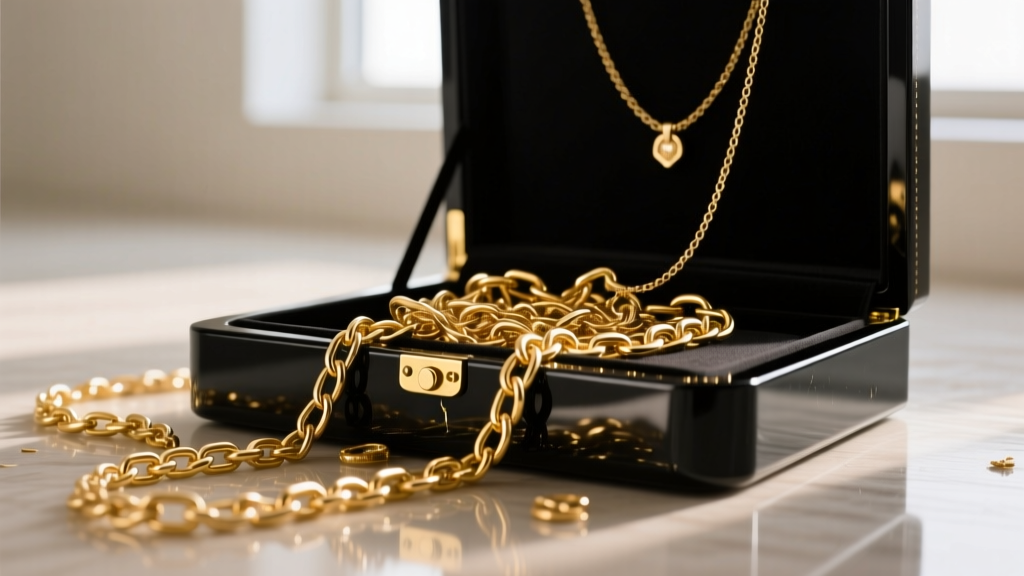
Chain tangling occurs when links are allowed to rest in a loose pile, causing the clasps to weave through the links. A proper necklace drop must accommodate the length of your chains. A standard 18-inch princess necklace requires a minimum 5-inch drop to hang freely without touching the floor of the drawer. For longer matinee (24-inch) or opera (30-inch) lengths, seek out boxes with exterior tassel hooks or deep, vertical slip-clasp panels that keep the chain under slight, safe tension.
Earring Grids and Post Holes
Most mass-market jewelry boxes drill earring holes to accommodate standard 20-gauge to 18-gauge posts. If you wear heavier wire earrings, cartilage hoops, or 16-gauge to 14-gauge posts, forcing them through standard holes will fray the interior fabric and potentially bend your jewelry. Premium jewelry box designs utilize slotted silicone grids or adjustable friction-back panels that can expand to hold thicker gauges securely without tearing.
Material Science: What Lines the Interior?
The fabric lining your jewelry box is the first point of contact with your metals and gemstones. Not all velvets are created equal; some cheap synthetic dyes contain sulfur, which will actively tarnish sterling silver. Below is a comparison of common interior linings.
| Lining Material | Best Used For | Tarnish / Scratch Risk | Price Tier |
|---|---|---|---|
| Standard Synthetic Velvet | Fashion jewelry, stainless steel | High (often contains sulfur dyes) | Budget |
| Cotton Flannel | Daily wear gold, pearls | Medium (can trap moisture) | Mid-Range |
| Microfiber Suede | High-polish metals, gemstones | Low (lint-free, non-abrasive) | Mid-to-High |
| Pacific Silvercloth | Sterling silver, antique pieces | None (actively prevents tarnish) | Premium |
For serious silver collectors, Pacific Silvercloth is the gold standard. This material is embedded with microscopic silver particles that act as a sacrificial anode, absorbing and neutralizing hydrogen sulfide gases before they can reach your actual jewelry.
Anti-Tarnish Integration in Modern Design
Modern jewelry box design has moved beyond simple fabric linings to incorporate active environmental controls. If you live in a high-humidity coastal area, or if your home utilizes gas heating (which emits trace sulfur), passive storage is not enough.
Look for boxes that feature:
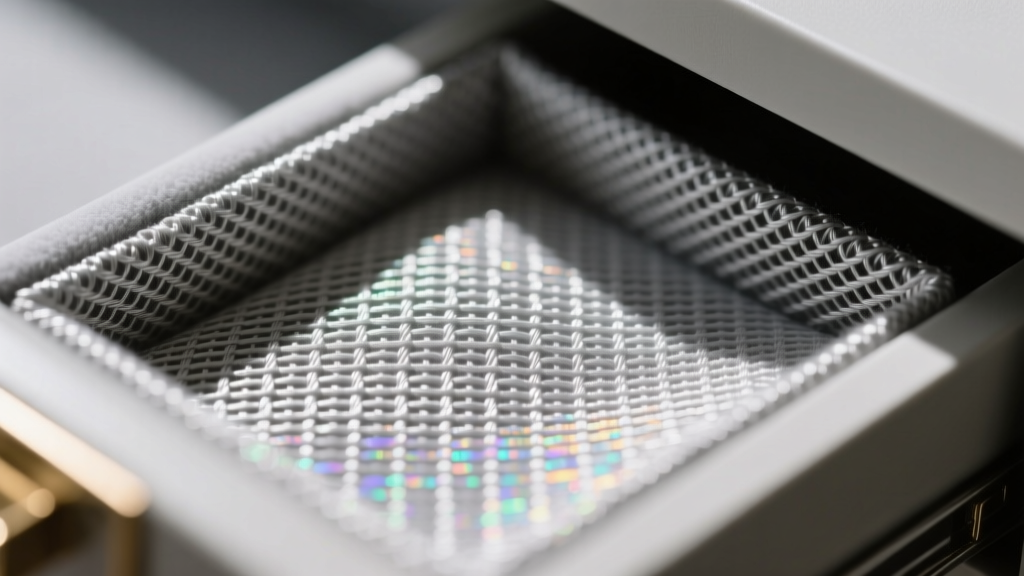
- Activated Carbon Sachet Pockets: Small, discrete mesh pockets built into the lid or drawer walls designed to hold replaceable charcoal sachets, which absorb ambient moisture and volatile organic compounds (VOCs).
- Archival-Grade Adhesives: Cheap boxes use glues that off-gas sulfur as they cure and age. High-end archival boxes use sulfur-free, acid-free adhesives to bind the wood and fabric.
- Airtight Silicone Seals: Travel cases and premium desktop boxes often feature a silicone gasket around the lid perimeter. When latched, this creates a near-hermetic seal, drastically slowing the oxidation process.
How to Audit Your Collection for the Right Layout
Before purchasing a new storage solution, conduct a physical audit of your collection to determine the exact jewelry box design you need. Follow this framework:
- Categorize by Hardness: Separate your diamonds, sapphires, and rubies from your opals, pearls, and soft metals. You need a box with individual, hard-walled dividers for the hard stones to prevent them from scratching adjacent pieces.
- Measure Your Chains: Lay your longest necklace flat and measure it. Ensure the box you select has a drop length that is at least 25% of the chain's total length.
- Count Your Studs vs. Drops: If you have 50 pairs of stud earrings, a traditional slotted lid will suffice. If you collect long chandelier earrings, you need a deep drawer with at least 3 inches of vertical clearance so the gems don't scrape the bottom.
Final Thoughts on Selecting Your Storage
Understanding the mechanics of jewelry box design transforms storage from an afterthought into an active preservation strategy. By prioritizing gauge-appropriate holes, adequate drop lengths, and sulfur-free linings, you ensure that your collection remains as brilliant as the day you acquired it. Invest in the interior engineering, and the exterior beauty of your jewelry will endure for generations.


