Homemade Jewelry Box Troubleshooting: Fix Tarnish and Sticky Drawers
Learn how to troubleshoot your homemade jewelry box. Fix tarnish, sticky drawers, and hinge failures with archival materials and expert techniques.

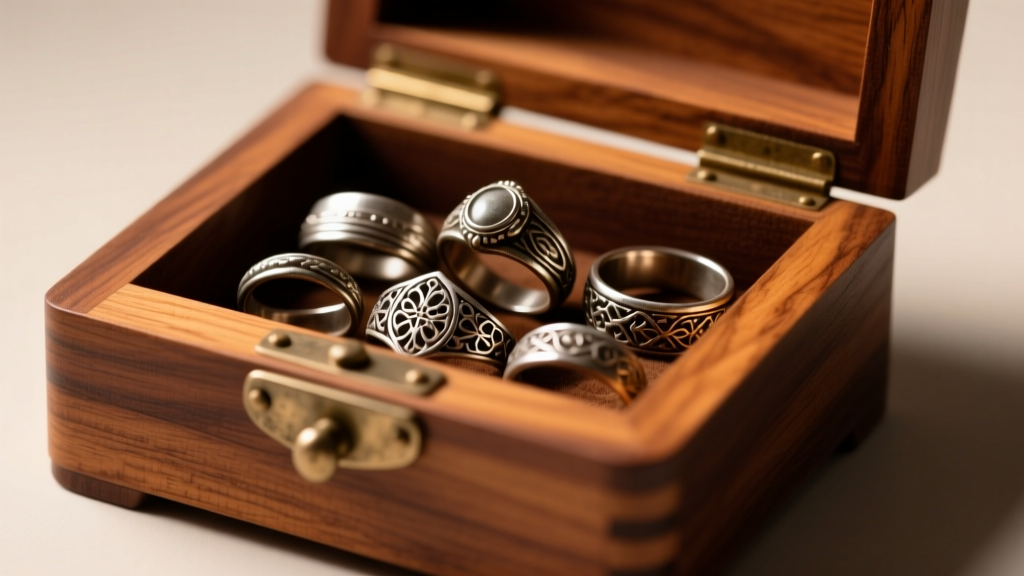
Building a custom wooden jewelry organizer is a rewarding woodworking project, but many DIYers discover a harsh reality months later: their carefully crafted storage is actively damaging the pieces inside. From accelerated silver sulfide tarnishing to drawers that swell and jam, a homemade jewelry box can quickly become a liability if archival preservation principles are ignored. In this guide, we troubleshoot the most common mechanical and chemical failures in DIY jewelry storage and provide museum-grade solutions to protect your collection.
The Hidden Dangers of DIY Jewelry Storage
When designing a homemade jewelry box, woodworkers typically prioritize aesthetic grain patterns and structural joinery. However, the microclimate inside a sealed wooden box is highly reactive. Wood is a hygroscopic material that naturally off-gasses volatile organic compounds (VOCs), acetic acid, and tannins. When combined with the adhesives and finishes used in construction, these emissions create a corrosive environment for precious metals and porous gemstones.
According to the Canadian Conservation Institute (CCI), direct contact with certain unsealed woods can cause severe pitting and discoloration in silver and copper alloys. Troubleshooting your existing box requires identifying whether the damage is chemical (tarnish/corrosion) or mechanical (friction/warping).
Troubleshooting Tarnish and Corrosion
If your silver jewelry is developing a yellow or black film within weeks of being stored in your homemade box, the culprit is likely hydrogen sulfide (H2S) gas reacting with the silver, accelerated by acidic wood off-gassing. Standard craft felt, often used by beginners to line drawers, is a primary offender. Many commercial felts contain sulfur-based dyes and recycled synthetic fibers that trap moisture and promote galvanic corrosion.
Identifying the Culprit: Wood Acidity
Not all lumber is safe for archival storage. Red Oak, for instance, has a highly acidic pH (often between 3.5 and 4.0) and emits significant acetic acid. Black Walnut, while beautiful, contains juglone and tannins that can stain porous stones like turquoise or pearls. To troubleshoot an existing box made from acidic woods, you must create an impermeable vapor barrier between the wood and the jewelry.
The Archival Lining Solution
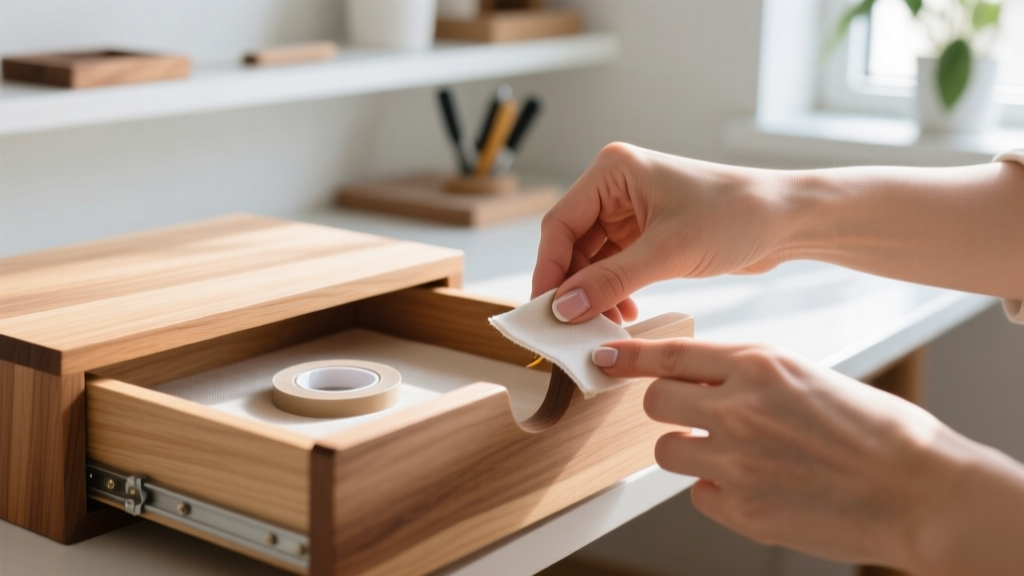
To halt active tarnishing, strip out the existing felt and adhesive. Line the bare wood with a layer of 5-mil Marvelseal (an aluminized nylon and polyethylene barrier film) to block acid vapors. Over this, install a secondary layer of Pacific Silvercloth. Unlike standard treated cloths that lose their efficacy after washing, Pacific Silvercloth is embedded with microscopic silver particles that permanently intercept and neutralize H2S gases before they reach your jewelry. According to the Smithsonian Institution, controlling the microenvironment and limiting sulfur exposure is the most critical factor in silver preservation.
Fixing Mechanical Failures: Hinges and Slides
A homemade jewelry box relies on precise tolerances. A drawer gap of just 1/32-inch can disappear during humid summer months when the wood expands, leading to stuck drawers that require forceful yanking—a major risk for dislodging delicate gemstone prongs.
Drawer Sticking and Warping
Wood moves tangentially and radially with fluctuations in relative humidity. If your drawers are sticking, do not sand the sides down aggressively; this will create permanent gaps in the winter when the wood shrinks. Instead, apply a friction-reducing barrier. Rub a mixture of beeswax and paraffin wax (a 1:1 ratio) onto the drawer runners. For a more permanent, modern fix, apply a 0.015-inch thick strip of UHMW (Ultra-High-Molecular-Weight) polyethylene tape to the bottom edges of the drawer sides. UHMW has an incredibly low coefficient of friction and will not adhere to the wood, allowing it to glide smoothly regardless of seasonal swelling.
Hinge Sag and Misalignment
Lid hinges often fail in DIY boxes because builders use cheap, plated steel hinges with coarse threads that strip the delicate hardwood fibers. Upgrade to solid extruded brass piano hinges or high-mortise box hinges. When installing brass screws, always drive a steel pilot screw of the exact same size into the hole first to cut clean threads in the hardwood. Remove the steel screw and replace it with the softer brass screw. This prevents the brass screw heads from snapping off under torque.

Material Compatibility: Wood Species Data
If you are planning a rebuild or adding new tiers to your homemade jewelry box, consult this compatibility chart to select appropriate materials.
| Wood Species | Acidity / pH Level | Off-Gassing Risk | Verdict for Jewelry Storage |
|---|---|---|---|
| Red Oak | High (3.5 - 4.0) | Severe Acetic Acid | Avoid. Causes rapid silver corrosion. |
| Black Walnut | Moderate (4.5 - 5.0) | Moderate Tannins | Use with Caution. Requires strict vapor barriers. |
| Hard Maple | Low (5.0 - 5.5) | Very Low | Excellent. Dense, stable, and relatively inert. |
| Cherry | Low (5.5 - 6.0) | Low | Excellent. Safe for most metals and stones. |
| Poplar | Neutral (6.0 - 6.5) | Minimal | Good. Safe, though softer and prone to denting. |
Upgrading the Interior Layout for Damage Prevention
Troubleshooting a homemade jewelry box also involves analyzing how the pieces interact with one another. Tossing jewelry into a single velvet-lined compartment guarantees micro-scratches. Gemstones possess vastly different hardness levels, measured on the Mohs scale. A diamond (Mohs 10) will easily scratch a sapphire (Mohs 9), and both will obliterate the polish on a gold band (Mohs 2.5-3.0) or an opal (Mohs 5.5-6.5).
According to the Gemological Institute of America (GIA), understanding relative hardness is vital for preventing permanent surface damage. To fix this, route custom slots into 2-pound density Ethafoam (closed-cell polyethylene foam). Carve individual recesses for rings and pendants so that no two pieces can physically touch when the drawer is closed or the box is moved. Cover the foam with a tightly stretched layer of untreated, undyed silk or acid-free sueded polyethylene.
Final Sealing and Curing Protocols
The final point of failure in many DIY builds is the exterior and interior finish. Oil-based polyurethanes and certain catalyzed lacquers off-gas solvents and amines for months, sometimes years, after they feel dry to the touch. These trapped vapors concentrate inside the closed box and attack metal alloys.
If your box smells sharply of chemicals, the finish has not fully cured, or you have chosen an incompatible product. To troubleshoot and seal the interior safely, use dewaxed shellac (such as Zinsser Bulls Eye). Shellac is an alcohol-based, natural resin that dries rapidly, locks in underlying wood odors, and is completely inert once the alcohol flashes off. Apply two thin coats to the raw interior wood before installing your archival barriers. For the exterior, water-based acrylic polyurethanes are preferable, provided you allow a minimum 30-day curing period in a well-ventilated space before introducing any jewelry.
Summary Checklist for a Museum-Grade DIY Box
- Wood Selection: Opt for Maple or Cherry; avoid Oak and unsealed Walnut.
- Adhesives: Use fully cured PVA wood glue (e.g., Titebond III) or traditional hide glue; avoid cyanoacrylate (CA) near metal storage zones.
- Vapor Barrier: Install Marvelseal or polyethylene sheeting beneath all fabric linings.
- Active Tarnish Defense: Line drawers with Pacific Silvercloth for silver storage.
- Mechanical Glide: Apply UHMW tape or beeswax/paraffin blends to drawer runners to prevent seasonal sticking.
- Hardware: Use solid brass hinges and pre-tap holes with steel screws to prevent stripping.
By addressing these chemical and mechanical vulnerabilities, you can transform a flawed homemade jewelry box into an heirloom-quality preservation vault that will protect your collection for generations.


