Best Free Jewelry Box Plans: 2026 Cost & Value Guide
Discover the true cost of building from free jewelry box plans. We analyze lumber, hardware, and ROI to see if DIY beats retail in 2026.

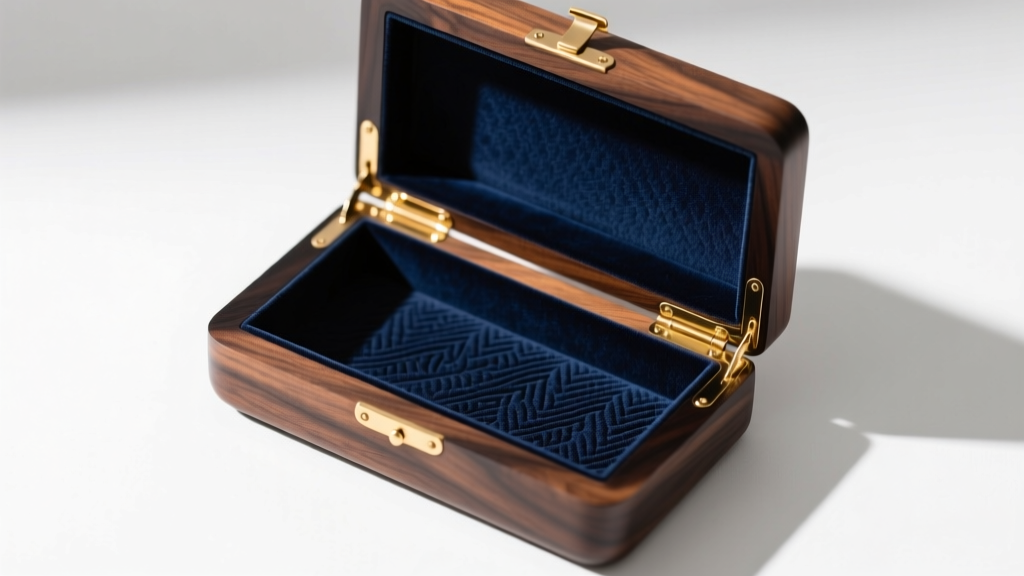
The True Cost of 'Free': Budgeting Your DIY Jewelry Box
Searching for free jewelry box plans is a rite of passage for both amateur woodworkers and frugal jewelry collectors. The allure is obvious: why spend $400 on a mass-produced retail jewelry box when you can download a PDF blueprint for zero dollars and build a custom heirloom? However, as we navigate the 2026 woodworking market, it is crucial to separate the cost of the plans from the cost of the project. While the intellectual property might be free, the physical reality of lumber, specialized hardware, anti-tarnish linings, and finishing supplies requires a serious budget assessment.
This guide provides a forensic breakdown of what it actually costs to execute free jewelry box plans, evaluating whether the sweat equity yields a genuine financial advantage over buying a premium, retail-ready jewelry organizer. We will look at exact material grades, hardware pricing, and the hidden expenses that often derail DIY storage projects.
Material Breakdown: Lumber, Veneers, and Substrates
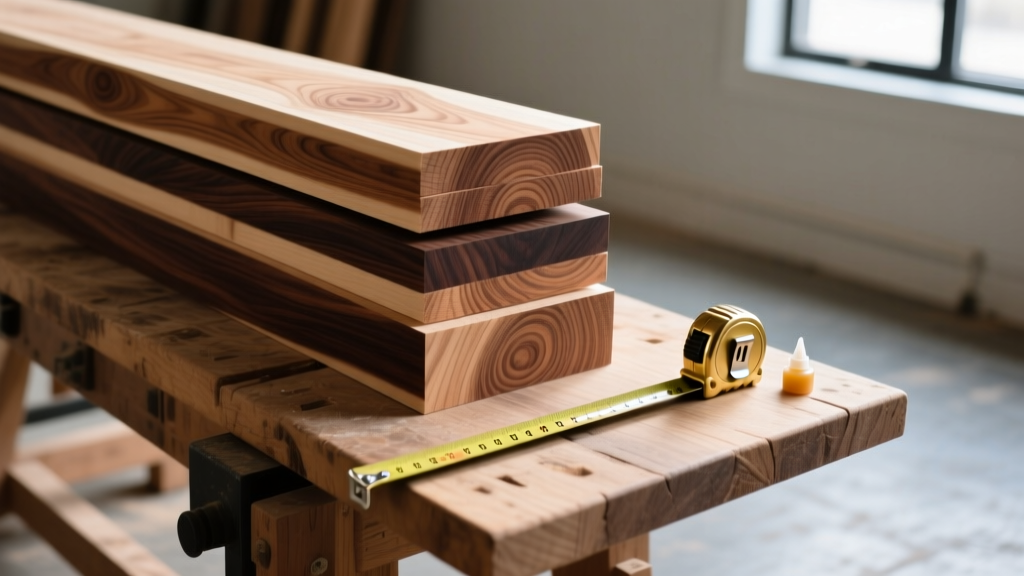
The foundation of any wooden jewelry box is the lumber. Most free plans online are optimized for standard dimensional hardwoods or high-grade plywood. In 2026, hardwood prices have stabilized compared to the peak shortages of previous years, but premium species still command a premium. Your choice of wood will dictate not only the aesthetic but the structural integrity required to support heavy silver pieces and dense gold chains without warping.
| Material Type | Avg. Cost (per Board Foot) | Workability & Stability | Best Use Case |
|---|---|---|---|
| Hard Maple | $8.50 - $11.00 | Extremely hard; blunts blades; very stable | Modern, light-toned minimalist boxes |
| Black Walnut | $13.00 - $18.00 | Excellent workability; glues and finishes beautifully | Traditional, high-end heirloom boxes |
| Baltic Birch Plywood (3/4") | $75.00 - $95.00 (per 4x8 sheet) | Exceptional dimensional stability; requires edge banding | Large, multi-drawer jewelry armoires |
| Cherry | $10.00 - $14.00 | Prone to blotching if stained; ages to deep red | Classic, warm-toned vintage styles |
For a standard tabletop jewelry box (approximately 12" x 8" x 5"), you will need roughly 2 to 3 board feet of hardwood, translating to a base lumber cost of $25 to $55. If you are utilizing figured woods like curly maple or burl walnut veneers for the lid panel, expect to add another $20 to $40 for the veneer sheet and substrate.
Hardware & Anti-Tarnish Linings: Where Budgets Break
The most common mistake DIYers make when following free jewelry box plans is underestimating the cost of hardware and interior lining. A jewelry box is not just a wooden crate; it is a micro-climate designed to protect precious metals and gemstones from oxidation, humidity, and physical scratching.
The Hinge Dilemma
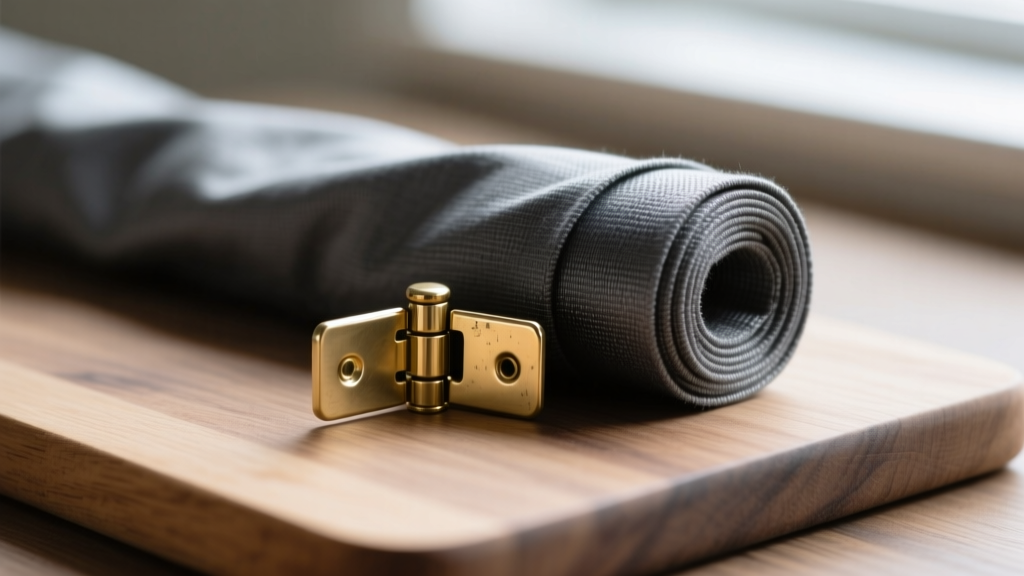
Standard butt hinges are cheap ($3 to $5 a pair) but lack the stopping power required for a jewelry box lid. If the lid slams shut, it can crush delicate pearl necklaces or snap earring posts. You must budget for brass quadrant hinges or lid-stay supports. High-quality solid brass quadrant hinges, which act as their own lid stop, typically cost between $18 and $35 per pair. For a box with a heavy hardwood lid, cheap stamped-metal hinges will sag within six months, throwing off the alignment of the lock or clasp.
Anti-Tarnish Solutions
Silver tarnishes when exposed to sulfur compounds in the air. To prevent this, the interior of your box must be lined with specialized materials. Standard craft felt is a budget trap—it often contains recycled synthetic fibers and acidic dyes that can actually accelerate tarnishing or scratch polished gold. Instead, you need Pacific Silvercloth or 100% untreated cotton flannel infused with silver tarnish inhibitors. Pacific Silvercloth retails for roughly $40 to $50 per yard. While expensive, it is a non-negotiable investment for serious silver collectors. Alternatively, you can line standard velvet with 3M Anti-Tarnish Strips, which cost about $10 for a pack of 10 and must be replaced every 6 to 12 months.
Tooling Requirements: The Invisible Expense
Free jewelry box plans assume you already possess the necessary tooling. The complexity of the plan's joinery will dictate your tool budget. Let us evaluate three common joint types found in free plans and their associated costs:
- Rabbet and Dado Joints: The most beginner-friendly. Requires only a table saw or a handheld router with a straight bit. If you already own a router, the incremental cost is just a $25 carbide bit.
- Box Joints (Finger Joints):strong> Requires a precise jig for the table saw or router. Commercial box joint jigs cost between $80 and $150, though many free plans include instructions for building a DIY sled using scrap wood and a $30 dado stack.
- Through Dovetails: The hallmark of fine woodworking. Doing this by hand requires a set of high-quality chisels ($100+) and a dovetail saw ($80+). Using a router and a commercial dovetail jig (like the Leigh or Porter-Cable) will cost upwards of $250. Unless you are building multiple boxes to amortize the cost, hand-cut dovetails or box joints are the most budget-friendly route for a single project.
Finishing: Protecting the Investment
Jewelry boxes endure constant handling, meaning the finish must be durable, smooth, and chemically inert once cured. Avoid oil-based polyurethanes that can off-gas and trap odors inside the closed compartment. The gold standard for DIY jewelry boxes is a wipe-on tung oil or shellac base coat, topped with a high-quality paste wax. Pure tung oil penetrates deeply and hardens, costing about $25 for a quart, which is enough to finish a dozen small boxes. Shellac, mixed from flakes and denatured alcohol, is completely non-toxic and safe for all metals and pearls, costing roughly $15 for the raw materials.
ROI Analysis: DIY vs. Retail High-End Jewelry Boxes
Is the effort of sourcing free jewelry box plans and building the box yourself financially justified? Let us compare a typical 2026 DIY build against a comparable retail luxury box.
The Retail Benchmark: A mid-tier Wolf Designs or Reed & Barton wooden jewelry box with a walnut veneer exterior, suede lining, and basic brass hardware retails between $350 and $550. These boxes often use MDF cores with thin veneers and lack specialized anti-tarnish linings.
The DIY Cost Breakdown (Heirloom Quality):
- Solid Black Walnut Lumber (3 bd ft): $45.00
- Solid Brass Quadrant Hinges: $28.00
- Pacific Silvercloth (1/2 yard): $25.00
- Pure Tung Oil & Paste Wax: $15.00
- Brass Catch / Lock: $12.00
- Total Material Cost: $125.00
From a purely financial standpoint, the DIY route saves you $225 to $425. However, the true ROI is measured in material superiority. Your $125 DIY box is constructed from solid, kiln-dried hardwood with joinery that will outlast the century, and it features genuine anti-tarnish fabric. The retail equivalent uses veneered MDF and standard felt. The value proposition of utilizing free jewelry box plans is overwhelmingly positive, provided you have the baseline tools and the patience for precision work.
Top 3 Trusted Sources for Free Jewelry Box Plans
Not all free plans are created equal. Many lack cut lists, hardware specifications, or proper joinery details. Here are the most reliable, authoritative sources for high-quality blueprints:
- Ana White: Best for beginners and rustic styles. Her plans focus on dimensional lumber (like 1x4s and 1x6s) and require minimal specialized tooling. Excellent for building large, farmhouse-style jewelry armoires on a strict budget.
- Woodworkers Guild of America (WWGOA): Best for intermediate to advanced woodworkers. While they offer premium courses, their free article section frequently includes detailed, technically sound jewelry box plans with precise router jig instructions and finishing schedules.
- Instructables: Best for niche, modern, or tech-integrated storage. You can find free plans for LED-lit jewelry displays, acrylic-lid shadow boxes, and modular wall-mounted organizers. Always check the comments section for user modifications and troubleshooting tips before cutting your wood.
Final Verdict: Is the Sweat Equity Worth It?
Leveraging free jewelry box plans is one of the highest-ROI DIY projects you can undertake in the realm of home organization and luxury goods. By redirecting the budget you would have spent on a retail markup into premium solid hardwoods and genuine anti-tarnish linings, you create a functional storage solution that actively protects your jewelry collection. The key to success lies in meticulous planning: respect the cost of hardware, never compromise on the interior lining, and choose a plan that aligns honestly with your current tool inventory. Your jewelry deserves a vault, not just a box, and building it yourself is the most cost-effective way to get one.


