Troubleshooting Anthropologie Jewelry Holder Flaws & Tarnish
Solve common Anthropologie jewelry holder problems. Learn expert fixes for tangling chains, brass tarnish, and weight limits on wall sconces.

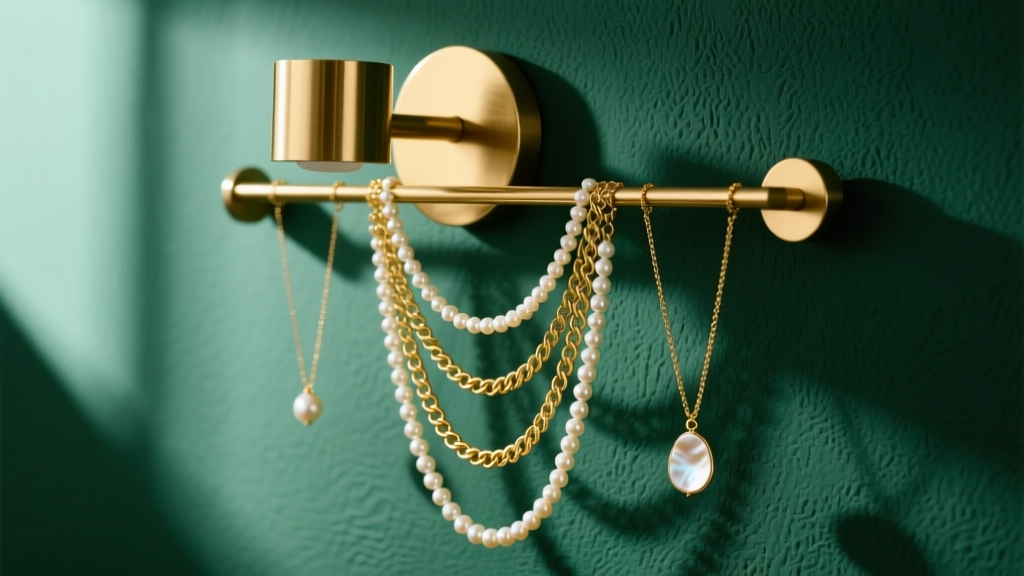
The Allure and the Agony: Why Beautiful Holders Fail
There is no denying the visual impact of a well-designed Anthropologie jewelry holder. From the iconic Gleaming Primrose wall sconces to the ornate Linnaea brass trees, these pieces serve as functional art. However, serious collectors quickly discover that aesthetic triumphs often mask structural and chemical flaws. Unlacquered brass oxidizes rapidly, delicate 1.5mm hooks fail to secure heavy pendants, and open-air displays expose porous gemstones to environmental damage. Troubleshooting these specific failure modes requires a blend of material science, basic carpentry, and archival conservation techniques. This guide provides actionable, expert-level solutions to transform your beautiful display into a safe, functional storage system.
Troubleshooting Tangled Chains on Wall Sconces
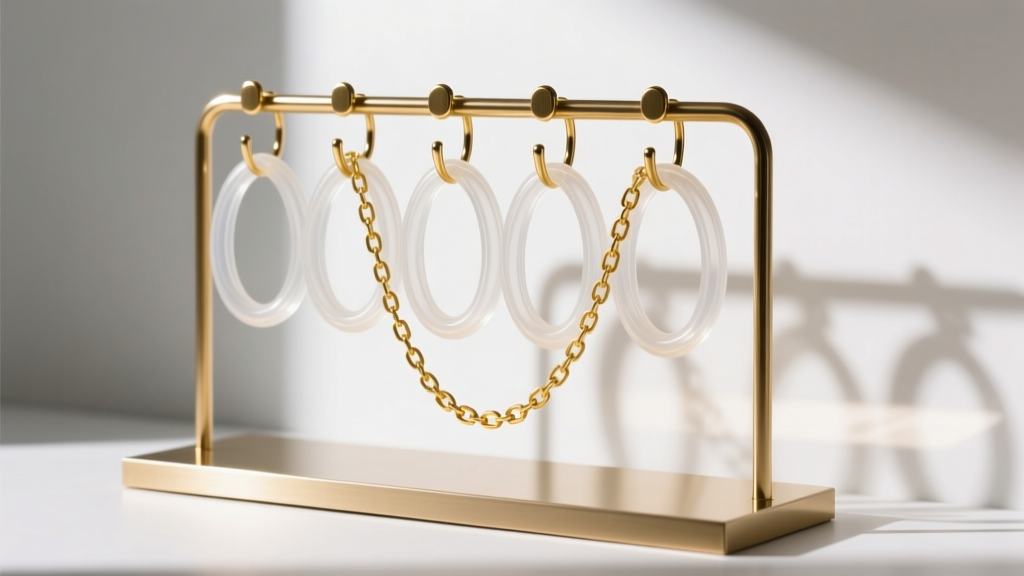
The most frequent complaint regarding decorative wall sconces is chain slippage and subsequent tangling. Most mass-produced decorative hooks are cast from zinc alloys or thin brass, featuring a diameter of roughly 1.5mm to 2mm. While this looks delicate, it creates a low-friction surface where 1mm cable chains and snake chains easily slide off, especially when bumped or subjected to minor vibrations.
The Silicone Tubing Friction Hack
To resolve this without altering the visual profile of the holder, use clear silicone tubing. Purchase 3mm Inner Diameter (ID) clear silicone tubing, which is widely available for aquarium or brewing use. Cut the tubing into 15mm segments and slit them lengthwise with a precision craft knife. Snap these sleeves over the terminal ends of the brass hooks. The silicone increases the hook's effective diameter to 5mm and introduces a high-friction surface that grips metal chains, completely eliminating slippage while remaining virtually invisible from a distance.
Combating Tarnish on Unlacquered Brass Displays
Many premium displays utilize unlacquered brass to achieve an authentic, antique patina. However, brass is an alloy of copper and zinc. When exposed to ambient humidity and the acidic oils transferred from your hands during daily use, the copper oxidizes, creating a greenish-black tarnish. More critically, this oxidation can transfer to your jewelry.
The Threat to Porous Gemstones
If you hang necklaces featuring porous, untreated gemstones directly on oxidizing brass, the metallic salts can infiltrate the stone's crystalline structure. According to the Gemological Institute of America (GIA), stones like turquoise, malachite, and opal are highly susceptible to chemical damage and discoloration from prolonged contact with reactive metals and oils. Hanging a natural turquoise pendant on a tarnishing brass hook can permanently ruin the stone's matrix.
Micro-Climate Control and Wax Barriers
To seal the brass without giving it a cheap, glossy polyurethane look, use a micro-crystalline wax. The Getty Conservation Institute frequently recommends specialized waxes for metal artifact stabilization. Apply a thin coat of Renaissance Wax using a microfiber cloth, let it haze for 10 minutes, and buff it to a matte sheen. This creates an archival-grade, invisible barrier that blocks oxygen and moisture, halting the oxidation process and protecting your porous gems from metallic salt transfer. Reapply every six months.
Never use liquid silver dips or harsh brass polvers on display stands near gemstones; the aerosolized chemicals and residual acids will etch the surface of pearls and opals.
Weight Distribution: Preventing Sconce and Hook Failure
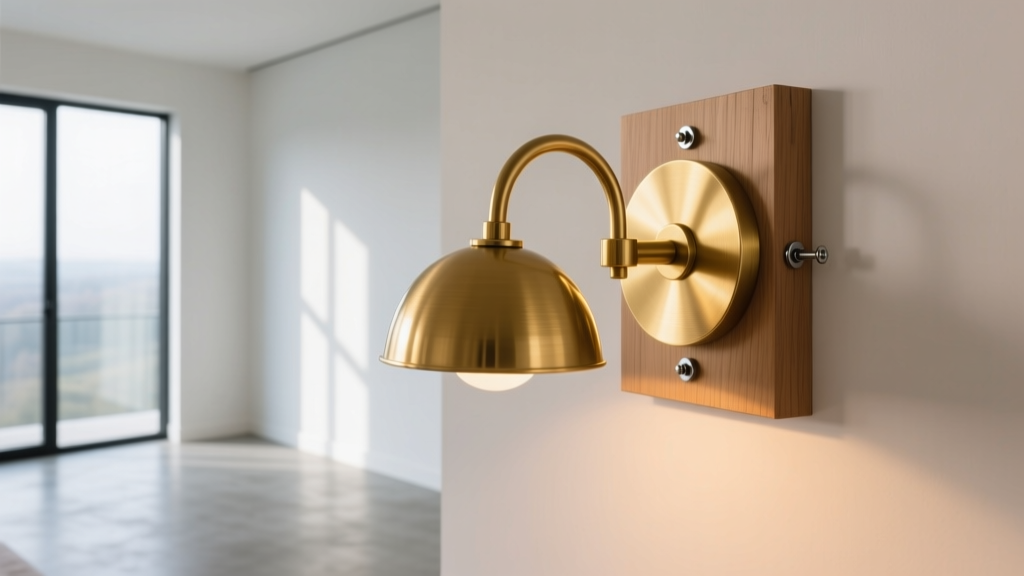
A large, ornate metal wall sconce can weigh between 3 to 6 pounds empty. When loaded with 15 to 20 heavy beaded necklaces, layered gold chains, and gemstone pendants, the total suspended weight can easily exceed 20 pounds. Relying on the standard plastic drywall anchors included in the packaging is a recipe for catastrophic wall failure.
Drywall Anchors vs. Stud Mounting
Plastic expansion anchors are rated for sheer weight (pulling straight down) but fail under dynamic loads (the swinging motion of taking a necklace off the hook). If you cannot align the sconce's mounting brackets with wooden wall studs, you must upgrade your hardware. Use 1/4-inch zinc-plated steel toggle bolts, such as the TOGGLER Snaptoggle system. These feature a metal channel that flips flat behind 1/2-inch drywall, distributing the load across a wide surface area and providing a holding strength of over 250 pounds in standard drywall.
Modifying Velvet Ring Cones and Dishes
Anthropologie's velvet ring cones and trinket dishes are visually striking, often featuring rich jewel tones and gold-leaf detailing. However, the structural base of these items is typically Medium-Density Fiberboard (MDF) or low-grade particleboard, wrapped in synthetic velvet. MDF is notorious for off-gassing formaldehyde and acidic compounds, especially in humid environments like bathrooms or coastal bedrooms. This acidic off-gassing accelerates the tarnishing of sterling silver rings left sitting on the velvet.
The Archival Barrier Solution
To neutralize this threat without ruining the aesthetic, line the base of the velvet dishes with archival-quality, acid-free barrier paper. Alternatively, for ring cones, slide a small piece of Pacific Silvercloth underneath the base layer of the velvet if the construction allows, or simply store highly reactive pieces (like unrhodium-plated silver) in a separate, sealed anti-tarnish ziplock bag, using the velvet cone exclusively for inert metals like platinum, titanium, or high-karat gold.
Troubleshooting Matrix: Quick Fixes for Common Flaws
| Problem | Root Cause | Expert Fix |
|---|---|---|
| Chains slipping off hooks | Low-friction 1.5mm brass hooks | Add 3mm ID clear silicone tubing sleeves |
| Green tarnish on metal | Unlacquered brass oxidizing | Seal with Renaissance micro-crystalline wax |
| Sconce pulling from wall | Plastic anchors failing under dynamic load | Install 1/4" steel toggle bolts (e.g., Snaptoggle) |
| Silver tarnishing on velvet | MDF base off-gassing acidic compounds | Use acid-free barrier paper or Pacific Silvercloth |
| Porous stones discoloring | Copper salts transferring from brass | Isolate turquoise/opals; use wax barrier on hooks |
Final Verdict: Balancing Aesthetics with Archival Safety
An Anthropologie jewelry holder does not have to be a compromise between beauty and function. By understanding the material limitations of decorative brass, MDF, and basic drywall hardware, you can implement invisible, low-cost modifications that elevate your display. Applying silicone friction sleeves, sealing reactive metals with conservation-grade wax, and upgrading your mounting hardware ensures that your storage solution is as resilient and enduring as the fine jewelry it holds.


