Thomas Pacconi Jewelry Box: Is the Vintage Value Worth It?
Evaluating the Thomas Pacconi jewelry box in 2026: material breakdown, vintage pricing, tarnish risks, and retrofitting tips for budget collectors.

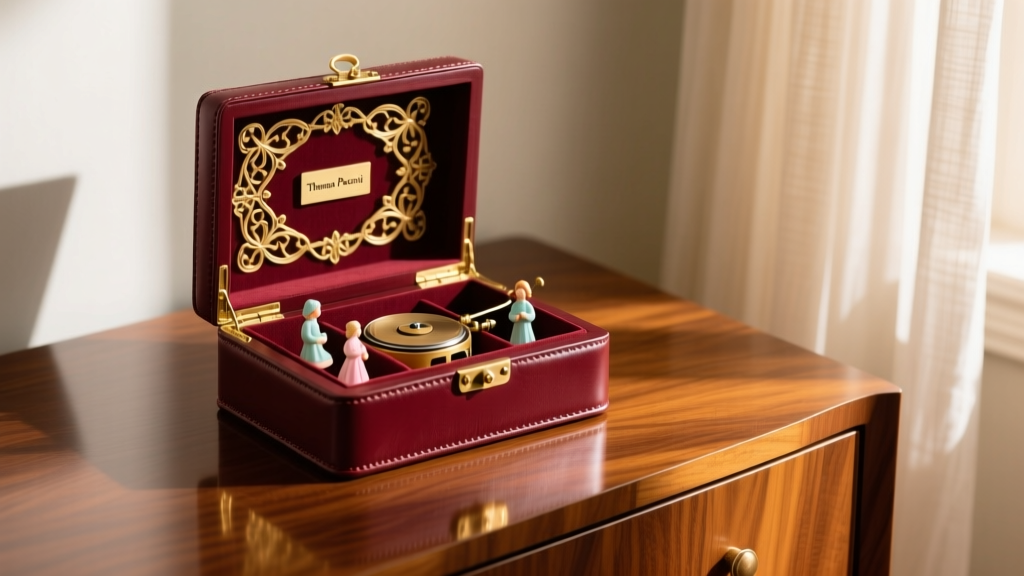
The Legacy of Thomas Pacconi: Nostalgia vs. Practical Storage
If you grew up in the 1990s or early 2000s, the melodic chime of a Thomas Pacconi Classics (TPC) musical jewelry box is likely etched into your memory. Dominating home shopping networks and mall kiosks, these boxes were the quintessential gift for young jewelry enthusiasts. Today, as we navigate the 2026 secondary market, estate sales and online auction sites are flooded with these vintage pieces. But for the modern collector or budget-conscious jewelry lover, a critical question emerges: does a Thomas Pacconi jewelry box offer genuine functional value today, or is it purely a nostalgia trap?
Assessing the budget and value of vintage jewelry storage requires looking past the mirrored lids and velvet drawers. We must evaluate the material science, the archival safety of the interior linings, and the long-term viability of the construction. In this comprehensive value assessment, we break down exactly what you are getting when you purchase a vintage TPC box, how much you should realistically pay, and how to retrofit them for modern jewelry care standards.
Material Breakdown: What You Are Actually Buying
To understand the value proposition, we have to look at the manufacturing realities of the era. Thomas Pacconi boxes were designed for mass production and visual appeal, not generational heirloom preservation.
Exterior and Frame Construction
The structural core of almost every TPC box is Medium-Density Fiberboard (MDF). While MDF provides a satisfying weight and prevents the warping associated with cheap solid woods, it is highly susceptible to moisture. If the exterior veneer cracks, ambient humidity will cause the MDF to swell and crumble. The exterior wrap is typically a polyurethane (PU) faux leather or a printed vinyl. In 2026, many of these PU wraps are experiencing advanced hydrolysis—a chemical breakdown where the plasticizer evaporates, causing the material to peel, flake, and leave a sticky residue on your hands and furniture.
Interior Linings and Hardware
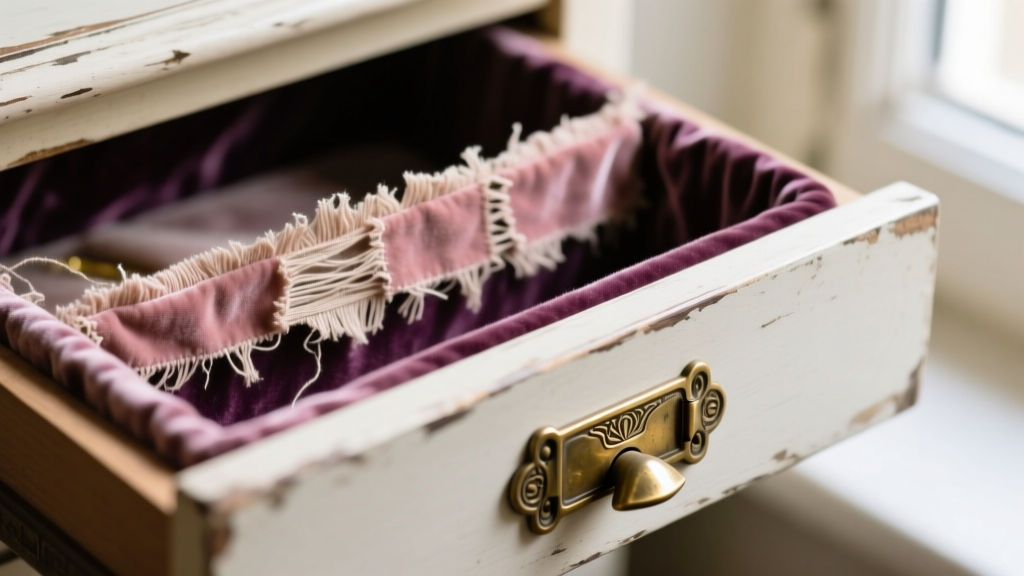
The interior "velvet" is rarely genuine cotton velvet; it is a brushed polyester or nylon blend. While soft to the touch, these synthetic fibers do not breathe, trapping ambient moisture against the metal of your jewelry. The hinges and clasps are generally zinc-alloy or stamped brass with a thin lacquer coating. Once this lacquer wears off from repeated opening and closing, the underlying base metal oxidizes rapidly, leading to stiff hinges and tarnished hardware.
2026 Pricing Guide: Estate Finds vs. Reseller Markups
One of the most common mistakes budget buyers make is overpaying for nostalgia. Resellers on platforms like eBay or Etsy often list these boxes at inflated prices, banking on the emotional connection buyers have to the brand. Below is a realistic fair market value matrix for Thomas Pacconi boxes in the current secondary market.
| Model Type | Condition | Fair Market Value (2026) | Archival Safety Rating |
|---|---|---|---|
| Small Musical Ring Box | Good (Minor Peeling) | $12 - $18 | Poor |
| Medium Armoire (Non-Musical) | Excellent | $25 - $40 | Fair |
| Large Musical Armoire | Mint in Box | $65 - $95 | Poor |
| Travel/Stacking Trays | Good | $8 - $15 | Fair |
Budget Rule of Thumb: Never pay over $100 for a standard Thomas Pacconi box, regardless of how pristine it appears. At the $100+ price point, you enter the territory of modern, purpose-built archival storage brands like Stackers or Wolf, which offer vastly superior material integrity and tarnish prevention.
Archival Safety: Do They Protect Fine Jewelry?
The most critical aspect of any jewelry storage assessment is how the environment affects the pieces inside. According to gemological and conservation standards, the adhesives used in vintage mass-market boxes pose a significant threat to precious metals.
"Rubber-based cements and certain synthetic adhesives used in mid-tier manufacturing frequently off-gas volatile sulfur compounds. When trapped in an enclosed, unventilated space like a jewelry drawer, these compounds react with copper alloys in sterling silver, accelerating the formation of silver sulfide (tarnish)." — American Institute for Conservation (AIC) Wiki
The Verdict on Silver and Gold Storage
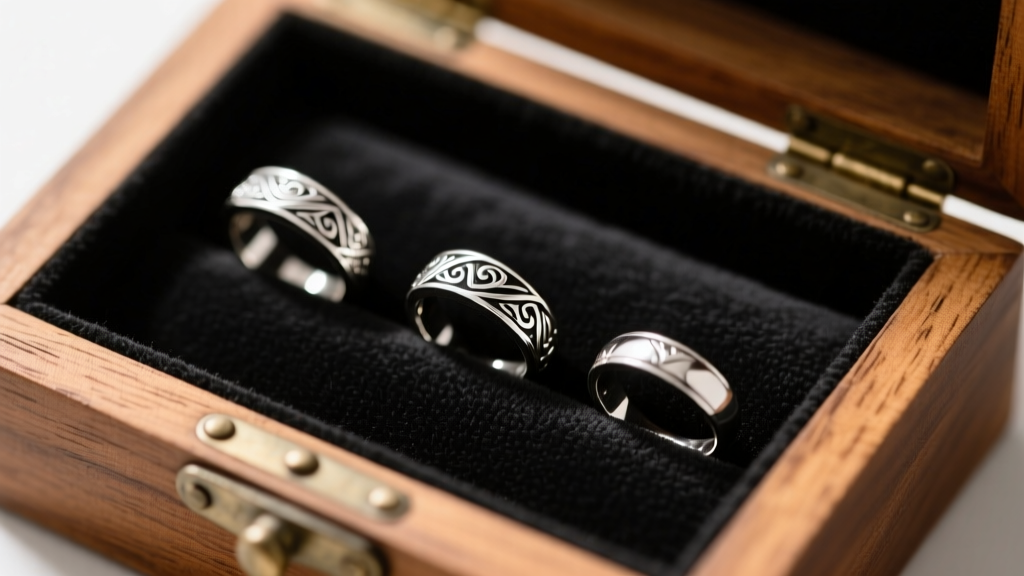
If you plan to store sterling silver, copper, or low-karat gold in a vintage TPC box, you are setting yourself up for accelerated tarnishing. The polyester velvet is glued directly to cardboard or MDF backers using industrial adhesives that were never intended to be chemically inert. As detailed by the Gemological Institute of America (GIA), silver requires a low-humidity, sulfur-free environment to maintain its luster. The synthetic, non-breathable lining of a Thomas Pacconi box traps the very humidity and off-gassing chemicals that cause rapid oxidation. Fine jewelry, particularly opals or pearls which require slight moisture exchange, should never be stored long-term in these vintage synthetic environments.
How to Retrofit a Thomas Pacconi Box for Modern Use
If you have inherited a TPC box or scored a beautiful musical armoire for $15 at an estate sale, you don't need to throw it away. With a few budget-friendly modifications, you can neutralize the archival risks and turn it into a safe, functional display piece.
- Line the Drawers with Pacific Silvercloth: Cut sheets of Pacific Silvercloth (a cotton flannel embedded with microscopic silver particles that intercept sulfur gases) and lay them over the existing velvet. This creates a physical barrier between your jewelry and the off-gassing adhesives.
- Use Activated Charcoal Packets: Drop two or three small bamboo charcoal bags into the main compartments. These will absorb excess ambient moisture and neutralize VOCs trapped inside the closed box.
- Replace the Anti-Tarnish Strips: If you prefer not to line the drawers, use 3M Silver Protector Strips. Replace them every 6 months, as the copper-infused polymer will turn dark grey once it has reached its absorption capacity.
- Re-wrap Peeling Exteriors: If the PU faux leather is flaking, carefully strip it away using a heat gun and citrus-based adhesive remover. You can then wrap the MDF core in a modern, high-quality bookbinding linen or a stable vegan leather using an acrylic-based, pH-neutral glue.
Maintaining the Musical Movement
For the musical models, the internal mechanism is usually an 18-note zinc-alloy cylinder. A common failure mode is over-winding, which snaps the delicate mainspring. Wind the key only until you feel the first sign of resistance—never force it. If the music slows down or sounds distorted, the lubricant inside the gear housing has likely dried out. A single drop of synthetic clock oil applied to the main gear pivot can restore the mechanism, but avoid using standard WD-40, which will attract dust and gum up the cylinder pins.
Final Value Assessment: Should You Buy One Today?
So, is a Thomas Pacconi jewelry box worth your money in 2026? The answer depends entirely on your storage goals. If you are looking for a budget-friendly, visually charming piece for costume jewelry, beaded accessories, or daily-wear fashion pieces, a vintage TPC box is an excellent, affordable find. The compartmentalization is often superior to modern open-tray organizers, and the musical element adds a layer of daily joy that modern minimalist boxes lack.
However, if your primary goal is the archival preservation of fine jewelry, heirloom silver, or delicate gemstones, the material realities of MDF, synthetic velvet, and volatile adhesives make these boxes a poor investment without significant retrofitting. For the budget-conscious collector, the true value lies in buying them cheap ($15–$30), appreciating their nostalgic craftsmanship, and taking the extra hour to line them with modern anti-tarnish materials. By doing so, you bridge the gap between vintage charm and modern jewelry care science.


