Tinkerbell Jewelry Box Buying Guide: What to Look For
Discover what to look for when buying a Tinkerbell jewelry box. Compare vintage vs modern materials, anti-tarnish linings, and music box movements.

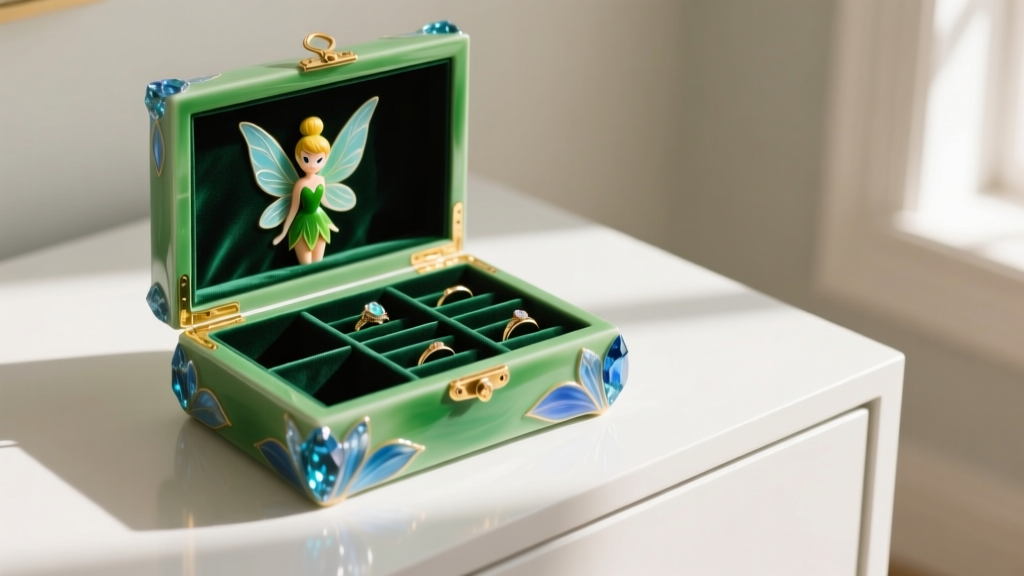
For collectors of Disneyana and jewelry enthusiasts alike, a Tinkerbell jewelry box represents a perfect intersection of nostalgic charm and functional storage. Whether you are hunting for a vintage 1990s Enesco resin piece or a modern, licensed Disney Store release, the market in 2026 is flooded with options of varying quality. As a senior storage specialist, I frequently see collectors ruin their sterling silver and gold-plated pieces by storing them in beautifully painted but chemically hostile environments. This comprehensive buying guide will teach you how to evaluate exterior craftsmanship, interior linings, and mechanical components to ensure your investment protects your precious metals and gemstones.
Vintage vs. Modern: Which Tinkerbell Box Should You Buy?
The secondary market for Disney collectibles has matured significantly. When shopping for a Tinkerbell jewelry box, your first major decision is whether to pursue a vintage collector's item or a modern production piece. Both have distinct advantages and structural limitations.
| Feature | Vintage (1980s-1990s Enesco/Bradford Exchange) | Modern (2010s-Present Disney Store/Licensed) |
|---|---|---|
| Primary Material | Cold-cast resin, heavy porcelain, carved wood | MDF wood with veneer, lightweight polyresin |
| Interior Lining | Standard nylon velvet (often degraded by now) | Polyester blend or treated anti-tarnish felt |
| Music Mechanism | 18-note Sankyo (Japan) or Reuge (Switzerland) | 16-note generic Chinese movements |
| 2026 Price Range | $85 - $250+ (depending on condition/rarity) | $35 - $75 |
| Collector Value | High (appreciates if mint in box) | Low to Moderate (mass-produced) |
If your primary goal is investment and display, vintage Enesco pieces featuring Tinker Bell sitting on a mushroom or inside a hollowed-out tree stump are unparalleled. However, if your goal is daily functional storage for silver jewelry, modern boxes with updated anti-tarnish linings are often the safer choice.
Evaluating the Exterior: Materials and Craftsmanship
The exterior material dictates the longevity of the box, particularly regarding hinge integrity and drop resistance. Here is what you need to look for based on material type:
Cold-Cast Resin
Most high-end vintage Tinkerbell figurines that double as jewelry boxes are made of cold-cast resin. This material is created by mixing polyurethane resin with stone powder (like marble or quartz dust) before pouring it into a silicone mold. The result is a piece that feels remarkably heavy and cold to the touch, mimicking carved stone. What to check: Inspect the seams where the lid meets the base. Resin is brittle; a drop of just two feet onto a hardwood floor can cause micro-fractures along the lid seam. Always ask sellers for high-resolution photos of the hinge mounting points, as the metal screws can easily strip the resin over time.
MDF and Veneer Wood
Modern licensed boxes are predominantly constructed from Medium-Density Fiberboard (MDF) wrapped in a wood-grain vinyl veneer or printed graphic. While lightweight and resistant to shattering, MDF is highly susceptible to moisture swelling. What to check: Look closely at the bottom corners of the box. If the veneer is peeling or the MDF appears swollen, the box has been stored in a humid environment (like a bathroom), which means the interior is also compromised by ambient moisture.
Interior Lining and Anti-Tarnish Capabilities
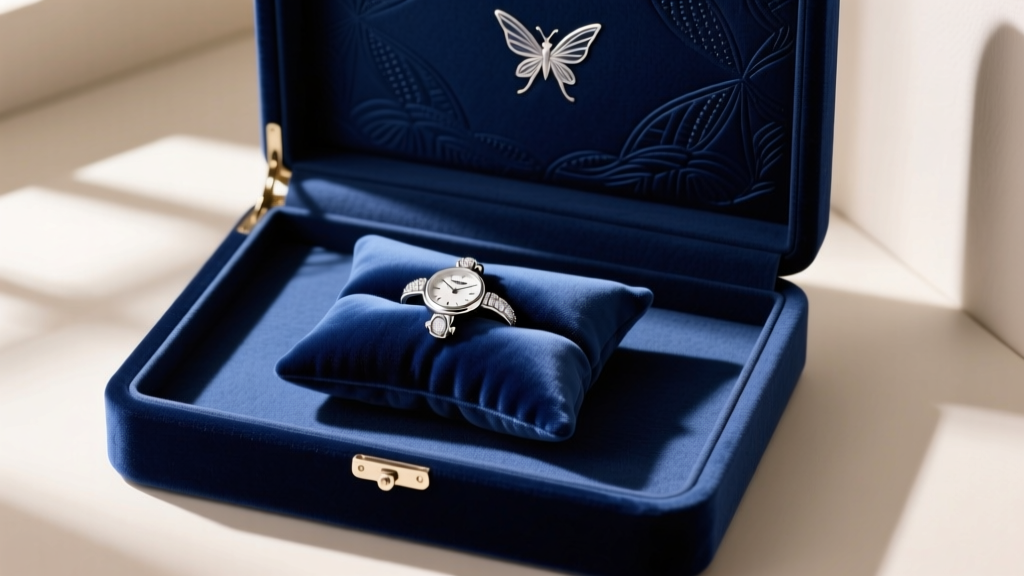
This is where the vast majority of novelty jewelry boxes fail. According to the Gemological Institute of America (GIA), sterling silver tarnishes when exposed to sulfur compounds and moisture in the air. Standard polyester velvet—the default lining for 90% of novelty boxes—actually traps ambient moisture against your jewelry, accelerating oxidation.
When evaluating a Tinkerbell jewelry box interior, look for these specific upgrades:
- Pacific Silvercloth or Treated Flannel: High-end modern boxes or custom Etsy restorations will use linings embedded with fine silver particles or zinc. These metals act as sacrificial anodes, absorbing sulfur and hydrogen sulfide before they can reach your jewelry.
- Acid-Free Interliners: The cardboard or foam skeleton beneath the velvet must be acid-free. Cheap, acidic cardboard off-gasses volatile organic compounds (VOCs) that will cause gold plating to pit and pearl nacre to dull. Town Talk Polish recommends ensuring all storage textiles are chemically neutral to preserve delicate finishes.
- Airtight Seals: A lid that closes with a satisfying, slight vacuum 'whoosh' indicates good weatherstripping. If the lid rattles or leaves a visible gap, your jewelry is constantly exposed to room humidity.
Music Box Mechanisms: A Collector's Breakdown
Many Tinkerbell jewelry boxes feature a wind-up music box playing 'You Can Fly' or 'The Second Star to the Right.' However, the quality of the movement varies wildly.
The Sankyo 18-Note Standard
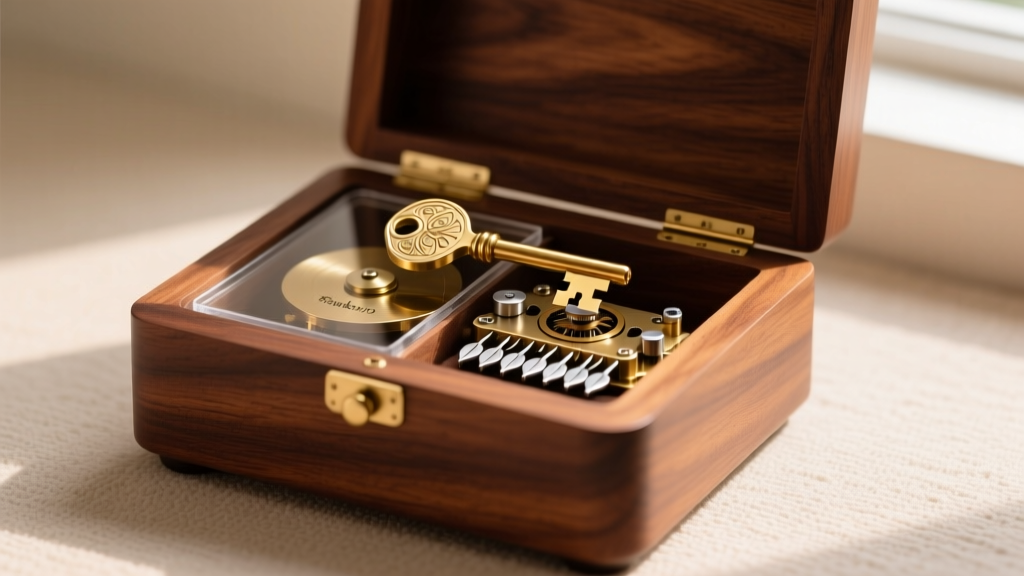
Vintage and premium boxes utilize Japanese-made Sankyo 18-note movements. You can identify these by looking at the bottom plate of the mechanism. Sankyo movements feature a brass governor (the fan that regulates speed) and produce a rich, resonant, and perfectly timed melody. The gears are machined steel, designed to last decades with minimal lubrication.
Generic 16-Note Movements
Modern, budget-friendly boxes often use unbranded 16-note movements. These rely on plastic gears and a weighted plastic governor. The failure mode: Over time, the plastic gears strip, causing the music to start fast and then drag to a slow, distorted crawl as the spring tension decreases. If buying vintage, always ask the seller to provide an audio clip of the music box playing from start to finish to ensure the tempo remains consistent.
Sizing and Compartment Layout
A beautiful exterior is useless if the interior geometry damages your jewelry. Evaluate the compartment layout based on your specific collection:
- Ring Rolls: Avoid boxes where the ring rolls are made of glued polyurethane foam. Foam degrades into a sticky yellow sludge after 10-15 years, ruining ring shanks. Look for elasticized velvet rolls that spring back when pinched.
- Necklace Drop: If you own 18-inch or 20-inch chains, the interior lid must have a minimum 'drop' (the distance from the hook to the base of the lid compartment) of at least 7 inches. Anything less will force you to fold the chain, leading to permanent kinking in delicate cable and box chains.
- Earring Posts: The holes punched into the earring velvet flap must be wide enough to accommodate thick 10-gauge or 8-gauge posts (common in handmade silver jewelry) without tearing the fabric. Furthermore, the space behind the flap must be deep enough (at least 1 inch) so that butterfly backs do not get crushed against the back wall when the box is closed.
Where to Buy and Authentication Tips in 2026
The Disney Parks Blog frequently highlights the rich history of Disney merchandise, which has driven up the demand for authenticated vintage pieces. When shopping on platforms like eBay, Mercari, or Etsy, always verify the maker's mark. Authentic 1990s Enesco pieces will feature a distinct 'Enesco' stamp and a copyright symbol with the year etched into the felt pad on the bottom. Beware of modern knock-offs that use low-quality plaster instead of cold-cast resin; plaster will feel unusually light and will produce a dull 'thud' rather than a sharp 'clink' when tapped with a fingernail.
Ultimately, the best Tinkerbell jewelry box for you depends on your priorities. If you want a pristine, functional home for your daily silver and gold wear, seek out a modern, licensed box and immediately upgrade the interior lining with anti-tarnish strips. If you are a Disney collector looking for a centerpiece display that holds a few sentimental heirlooms, a well-preserved vintage Enesco resin box remains an unbeatable, appreciating asset.


