Small Jewelry Box Wood Troubleshooting: Fix Tarnish and Scratches
Discover how to troubleshoot small jewelry box wood issues. Learn to stop accelerated tarnish, fix micro-scratches, and repair sticky drawers.

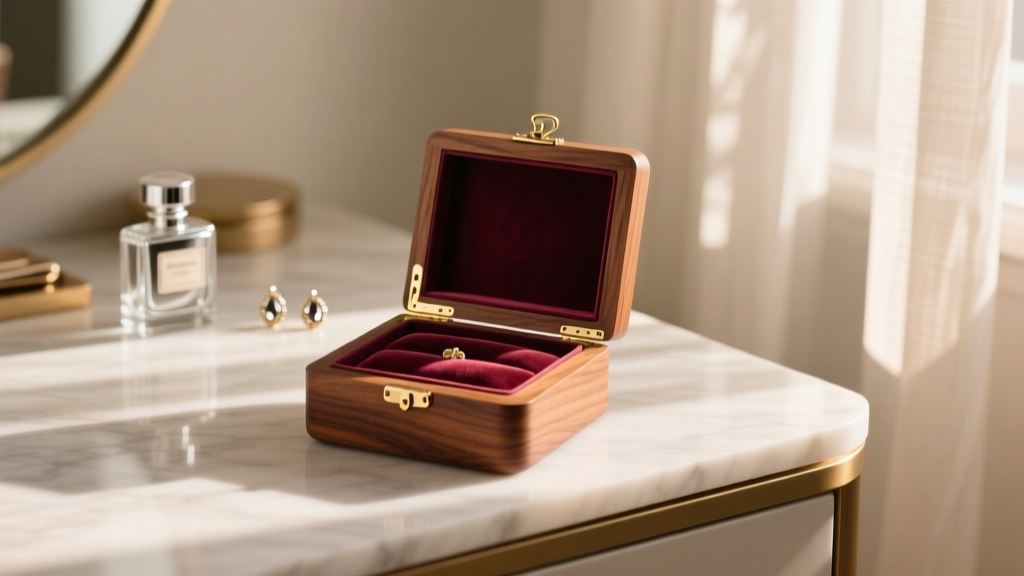
Many collectors and enthusiasts invest in a beautifully crafted small jewelry box wood exterior, only to discover months later that their silver is blackening, their gold is micro-scratched, and their drawers are sticking. While wooden boxes offer undeniable aesthetic warmth and structural durability compared to plastic or cardboard alternatives, the natural properties of timber can wreak havoc on precious metals and gemstones if left unmanaged.
Wood is a porous, breathing material. It expands, contracts, and off-gasses natural compounds. If you are dealing with accelerated tarnishing, surface abrasions, or hardware failures, the problem likely stems from the interaction between your jewelry and the wood's internal chemistry or physical texture. This comprehensive troubleshooting guide will help you diagnose and permanently resolve the most common issues associated with wooden jewelry storage.
The Hidden Chemistry: Why Wood Damages Jewelry
Before applying fixes, it is critical to understand the failure modes. The primary culprit in wooden jewelry storage is acidic off-gassing. Many common hardwoods and softwoods contain tannins, acetic acid, and formic acid. When confined in a small, enclosed space, these volatile organic compounds (VOCs) create a microclimate that actively corrodes metals. According to conservation data from the Gemological Institute of America (GIA), improper storage environments are the leading cause of preventable silver sulfide tarnish and copper oxidation.
Furthermore, raw or poorly sealed wood acts as a desiccant, drawing moisture out of the air and your jewelry. This is particularly catastrophic for organic gems like pearls, opals, and turquoise, which require ambient humidity to prevent crazing and cracking.
Troubleshooting 1: Accelerated Silver Tarnish
If your sterling silver is turning black or yellow within weeks of being stored, your wooden box is likely the culprit. The tannins in woods like oak and pine react with the copper alloyed in 925 sterling silver, accelerating the oxidation process.
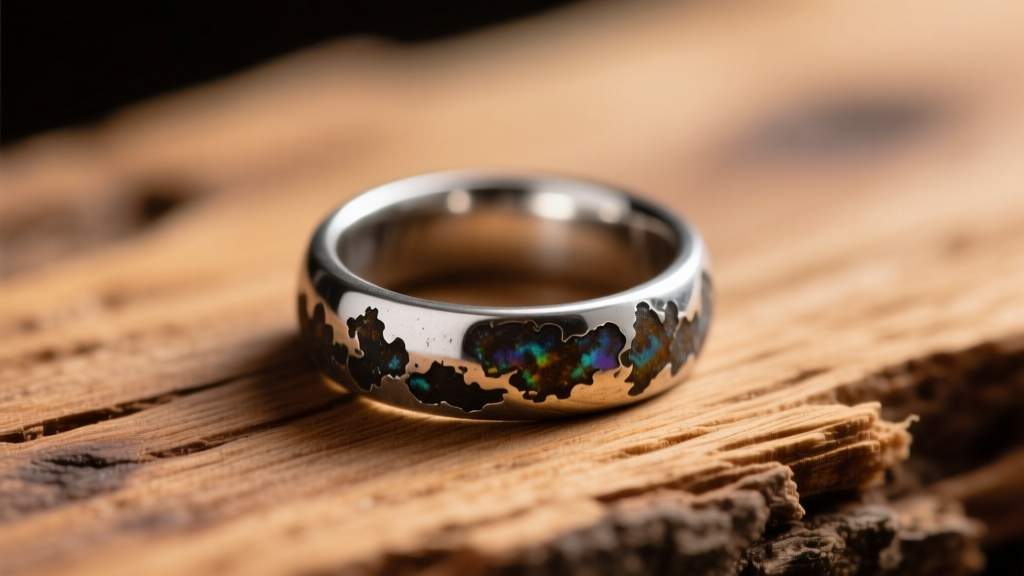
Wood Acidity and Tarnish Risk Chart
Not all woods are created equal. Below is a breakdown of common woods used in small jewelry box wood designs and their inherent risks to your collection.
| Wood Species | Acidity (pH) | Tannin Level | Tarnish Risk | Recommended Action |
|---|---|---|---|---|
| Red Oak | 3.5 - 4.0 | High | Severe | Must be sealed with shellac and lined |
| Pine | 4.0 - 4.5 | Medium | High | Avoid; sap off-gassing damages metals |
| Walnut | 5.0 - 5.5 | Low | Moderate | Safe if finished with polyurethane |
| Cherry | 5.5 - 6.0 | Low | Low | Ideal for jewelry; minimal off-gassing |
| Maple | 6.0 - 6.5 | Very Low | Minimal | Excellent; highly stable and neutral |
Source reference: Data adapted from The Wood Database regarding wood corrosion and acidity levels.
The Fix: Vapor Barriers and Anti-Tarnish Liners
To neutralize an acidic wood interior, you must create an impermeable vapor barrier. Do not use standard latex paints or water-based polyurethanes, as they trap moisture and can emit their own harmful VOCs as they cure. Instead, apply two coats of Zinsser B-I-N Shellac-Based Primer. Shellac is a natural resin that completely seals wood pores, locking in tannins and acetic acid.
Once the shellac cures (typically 45 minutes), line the interior with Pacific Silvercloth or a specialized anti-tarnish flannel. These fabrics are embedded with microscopic silver particles that intercept and absorb sulfur gases before they reach your jewelry.
Troubleshooting 2: Micro-Scratches on Precious Metals
Gold is remarkably soft, ranking just 2.5 to 3 on the Mohs hardness scale. Even finely sanded hardwood can harbor microscopic silica deposits or raised grain fibers that act like sandpaper against high-polish gold, platinum, and rhodium-plated white gold.
Diagnosing the Abrasion Source
Inspect the interior dividers and ring rolls of your small jewelry box wood interior under a bright LED light. If the wood feels rough, or if the existing felt lining has worn thin, your jewelry is making direct contact with the timber. Ring rolls are particularly notorious for this; as wood expands and contracts with seasonal humidity changes, the fabric stretches, exposing the hard wooden dowels beneath.
The Fix: Flocking and EVA Foam Retrofitting
To eliminate micro-scratches, you need to introduce a shock-absorbing buffer layer between the wood and the metal.
- Step 1: Remove any old, peeling velvet or felt using a citrus-based adhesive remover.
- Step 2: Cut 1mm EVA foam sheets to the exact dimensions of the compartments. EVA foam provides structural cushioning that thin felt lacks.
- Step 3: Adhere the foam using 3M Super 77 Multipurpose Adhesive (apply lightly to avoid soak-through).
- Step 4: Top the foam with a layer of non-tarnishing rayon velvet or apply a specialized jewelry flocking powder using a water-based adhesive for a seamless, factory-finish look.
Troubleshooting 3: Sticky Drawers and Binding Hinges
A common mechanical failure in wooden boxes is hardware binding. Because wood is hygroscopic, it absorbs ambient moisture. In humid climates, the drawers of a small jewelry box wood construction can swell by up to 1/16th of an inch, causing them to jam. Conversely, brass hinges can tarnish and seize, or the screws can strip out of the soft timber.
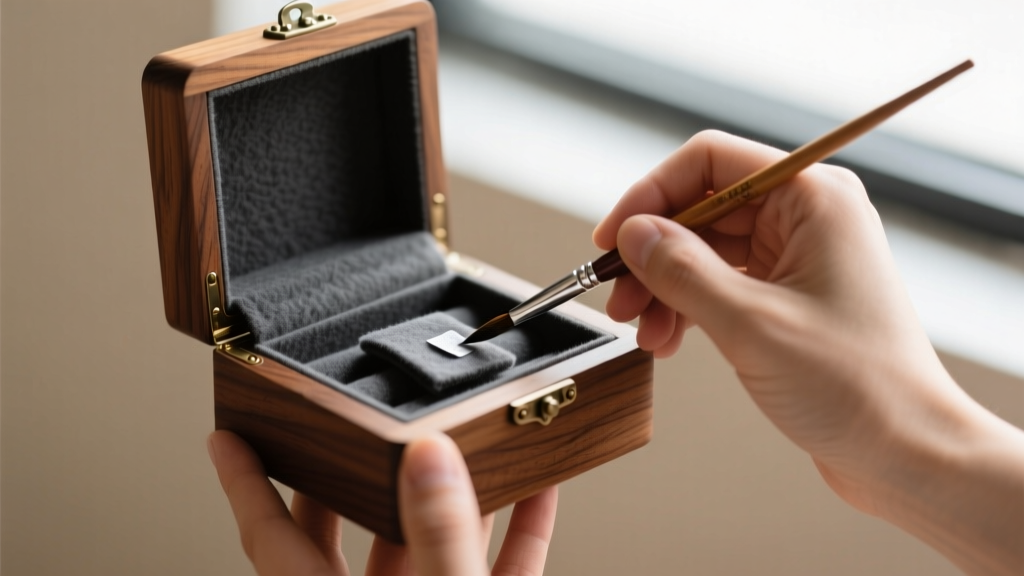
Resolving Drawer Friction
Never sand down the sides of a swollen drawer unless absolutely necessary; when winter arrives and the humidity drops, the drawer will shrink and rattle loosely. Instead, lubricate the wooden runners. Avoid liquid oils or WD-40, which will stain the wood and attract dust. Rub a block of pure beeswax or paraffin candle wax along the bottom edges of the drawer and the interior tracks. This provides a dry, long-lasting lubricant that won't compromise the wood's finish.
Fixing Stripped Hinge Screws
If a lid hinge has pulled out of the wood, the screw hole is likely stripped. To repair this without replacing the entire box:
- Remove the hinge and clear out the stripped hole.
- Dip wooden toothpicks or bamboo skewers in high-quality aliphatic wood glue (like Titebond II).
- Pack the hole tightly with the glued wood pieces and let it cure for 24 hours.
- Snap off the excess wood flush with the surface, drill a tiny pilot hole, and reattach the brass hinge. The new wood fibers will grip the screw threads securely.
A Note on Pearl and Opal Storage
Never store pearls or opals in a fully sealed, airtight plastic bag inside a wooden box. Organic gems require trace moisture. Depriving them of humidity will cause nacre to craze and opals to fracture. Store them in a soft cotton pouch within the main, unsealed compartment of the wooden box to allow for gentle air exchange.
Final Thoughts on Wood Maintenance
A small jewelry box wood exterior is a timeless investment, but it requires proactive maintenance to ensure it protects rather than destroys your collection. By understanding the chemical nature of the timber, applying proper vapor barriers, and maintaining the mechanical hardware, you can transform a hazardous storage environment into a safe, archival-quality vault for your most treasured pieces. Regularly inspect your linings, monitor your room's humidity (aiming for 40-50%), and your wooden jewelry box will serve your collection beautifully for generations.


