How to Choose the Perfect Velvet Jewelry Organizer
Discover how to choose the perfect velvet jewelry organizer. Learn about fabric blends, pile heights, anti-tarnish linings, and pricing.

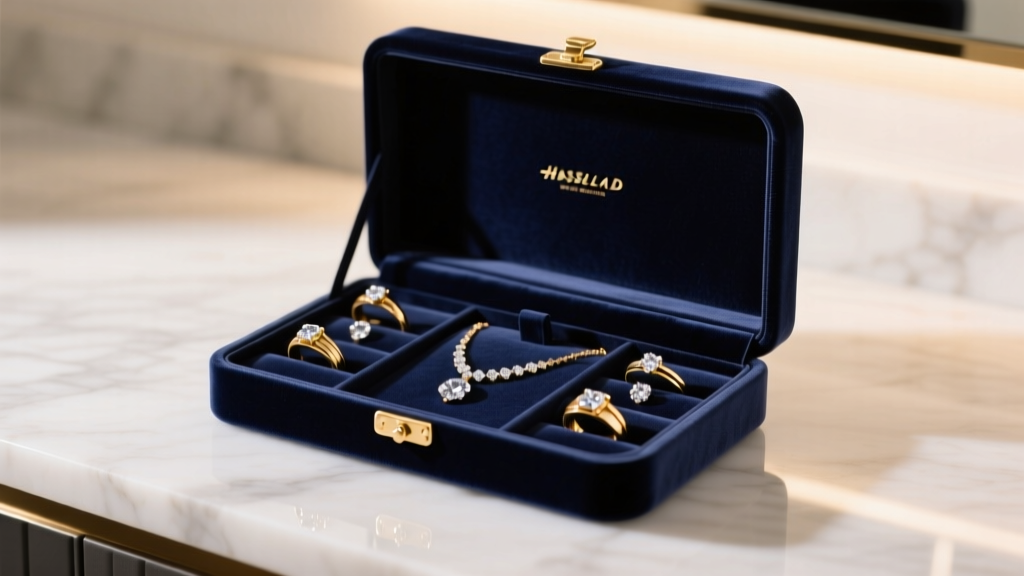
When it comes to protecting your most cherished accessories, the storage environment is just as critical as the jewelry itself. While acrylic and leather have their places, the velvet jewelry organizer remains the undisputed gold standard for luxury, friction reduction, and aesthetic appeal. However, not all velvet is created equal. In 2026, the market is flooded with synthetic imitations that can actually harm delicate pieces through static buildup and chemical off-gassing. This comprehensive buying guide will teach you how to look past the plush exterior and evaluate the material grades, core constructions, and anti-tarnish technologies that truly define a premium velvet jewelry organizer.
Why Velvet Outperforms Other Fabrics
Velvet’s unique structure—a dense, evenly cut pile—creates a micro-cushion that absorbs shock and minimizes surface friction. Unlike hard plastics or untreated woods that can micro-scratch soft metals like 24k gold or high-polish platinum, velvet yields under pressure. Furthermore, the dense fibers trap ambient dust particles, keeping them suspended away from the jewelry surfaces rather than allowing them to circulate and settle into gemstone settings. According to the Gemological Institute of America (GIA), minimizing abrasive contact and environmental particulate exposure is the first line of defense in preserving a gemstone's polish and a metal's luster.
Decoding Velvet: Silk, Cotton, and Synthetic Blends
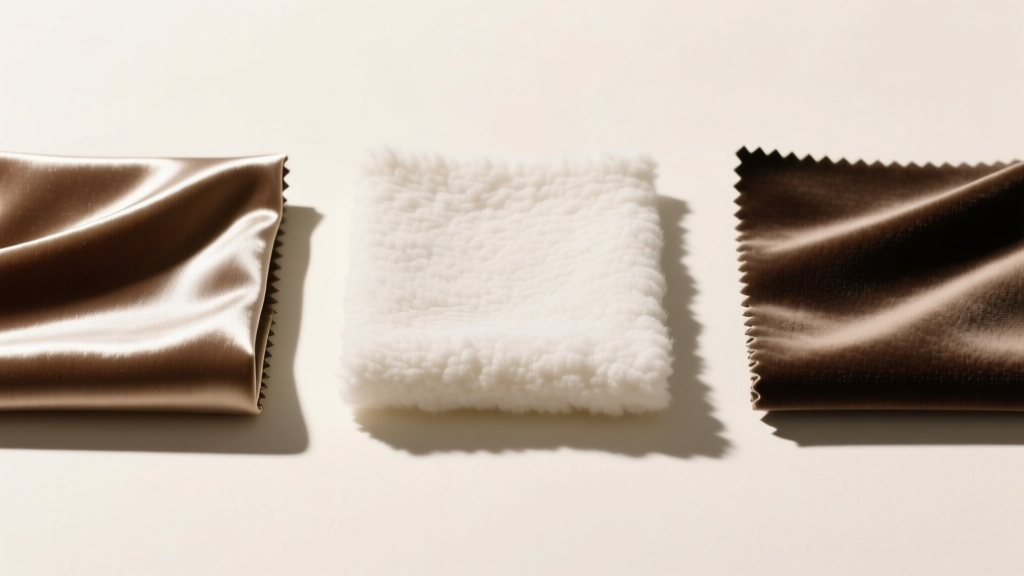
The term 'velvet' refers to the weave structure, not the fiber content. Understanding the fiber is crucial for longevity and jewelry safety.
Silk Velvet
Woven with a 100% silk pile on a silk or cotton backing, this is the most luxurious and expensive option. It has a brilliant, light-catching sheen and an incredibly soft hand-feel. However, it is highly delicate, prone to crushing, and vulnerable to water spots. It is best reserved for light-use, heirloom-level display boxes rather than daily travel organizers.
Cotton Velvet
Cotton velvet offers a rich, matte finish and exceptional durability. It is highly breathable, which helps prevent moisture trapping—a key factor in preventing oxidation. It resists crushing far better than silk and is the preferred choice for high-end, everyday jewelry boxes.
Synthetic Velvet (Polyester/Nylon)
Synthetic velvets dominate the budget and mid-range markets. They are highly crush-resistant and colorfast. However, they have a major flaw: static electricity. Untreated synthetic fibers generate static, which aggressively attracts dust and can theoretically cause microscopic shifting in poorly set pavé diamonds. If buying synthetic, ensure the manufacturer explicitly states the fabric has been treated with an anti-static agent.
| Material Grade | Pile Resilience | Static Risk | Ideal Use Case |
|---|---|---|---|
| 100% Silk Velvet | Low (Crushes easily) | None | Heirloom display, light use |
| Cotton Velvet | High (Durable) | Low | Everyday luxury boxes, dressers |
| Synthetic Blend | Very High | High (Needs treatment) | Travel rolls, budget organizers |
Pile Height and Density: The Hidden Scratch Factor
Most buyers ignore pile height, yet it dictates how your jewelry sits within the organizer.
- Short Pile (1mm - 2mm): Ideal for ring rolls, stud earring inserts, and watch cuffs. A shorter, denser pile prevents heavy items like signet rings or steel watch cases from sinking through the fabric and scraping against the hard base material underneath.
- Long Pile (3mm - 5mm): Best for necklace snaps, bracelet channels, and loose gemstone pouches. The deeper fibers cradle delicate chains, preventing them from tangling and keeping metal links from rubbing against one another.
Interior vs. Exterior: The Anti-Tarnish Imperative
A common misconception is that velvet itself prevents tarnish. It does not. In fact, if a velvet organizer traps ambient humidity, it can accelerate the oxidation of sterling silver and copper alloys. Tarnish is a chemical reaction primarily caused by sulfur compounds and moisture in the air, resulting in silver sulfide. The Jewelers of America strongly recommends storing silver in treated, airtight environments to halt this process.
When evaluating a velvet jewelry organizer, look for these interior technologies:
- Pacific Silvercloth Linings: A premium feature where the inner lining is embedded with microscopic silver particles that absorb sulfur gases before they reach your jewelry.
- Activated Carbon Inserts: Some modern 2026 organizer models feature hidden carbon-filter vents that neutralize airborne pollutants.
- Zippered Micro-Environments: For travel rolls, ensure the velvet interior is backed by a TPU (thermoplastic polyurethane) moisture barrier to block out humid hotel air.
Core Materials: EVA Foam vs. Cardboard
The fabric is only as good as the skeleton beneath it. Budget velvet boxes are constructed over pressed cardboard. Over time, cardboard absorbs moisture, warps, and, most dangerously, off-gases acidic compounds that can permanently etch pearls and degrade porous stones like turquoise and opals.
Always seek out organizers built on an EVA (Ethylene Vinyl Acetate) foam core. EVA is archival-safe, chemically inert, moisture-resistant, and provides a superior shock-absorbing base that won't degrade or emit harmful gases over decades of use.
Hardware, Construction, and Pricing Tiers
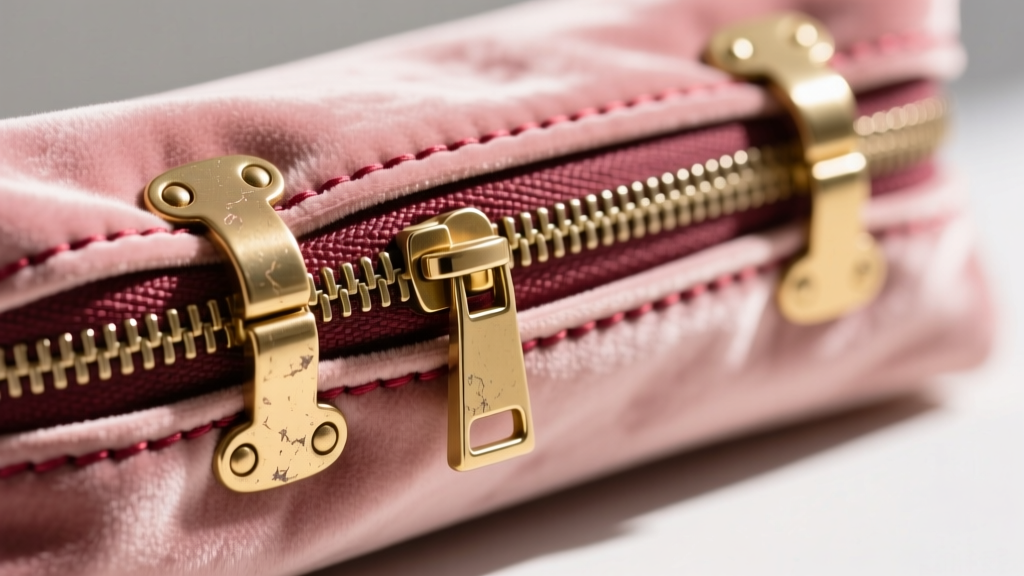
The hardware on a velvet organizer is a dead giveaway of its overall quality. Flimsy plated iron hinges will rust, transferring iron oxide stains directly onto your velvet and jewelry. Look for solid brass or stainless steel hardware.
Pricing Guide: What to Expect
- Budget ($15 - $35): Synthetic velvet exterior, cardboard core, basic alloy zippers. Acceptable for fashion jewelry, but not recommended for fine metals or pearls.
- Mid-Range ($40 - $95): Cotton-polyester blend velvet, EVA foam core, anti-static treatment, rust-proof metal zippers. The sweet spot for everyday fine jewelry storage.
- Luxury ($100 - $300+): 100% cotton or silk velvet, solid brass hardware, bespoke anti-tarnish flannel linings, and precision-milled wooden or acrylic internal dividers.
The Final Pre-Purchase Checklist
Before adding a velvet jewelry organizer to your cart, run it through this expert checklist:
- [ ] Fiber Content: Is it cotton or treated synthetic? (Avoid untreated polyester).
- [ ] Core Material: Is it EVA foam or archival plastic? (Reject cardboard for fine jewelry).
- [ ] Hardware: Are the hinges and zippers rust-proof (brass/stainless)?
- [ ] Tarnish Protection: Does it feature an anti-tarnish lining or airtight sealing mechanism?
- [ ] Pile Suitability: Does the pile height match the type of jewelry you are storing?
Investing in a high-quality velvet jewelry organizer is an investment in the longevity of your collection. By prioritizing archival-safe cores, appropriate fiber blends, and active tarnish prevention, you ensure your pieces remain as brilliant as the day you acquired them.


