How to Clean and Maintain a Vintage Cedar Jewelry Box
Learn how to safely clean, restore, and maintain a vintage cedar jewelry box. Expert tips on wood care, lining preservation, and preventing damage.

The Hidden Chemistry of Vintage Cedar Wood
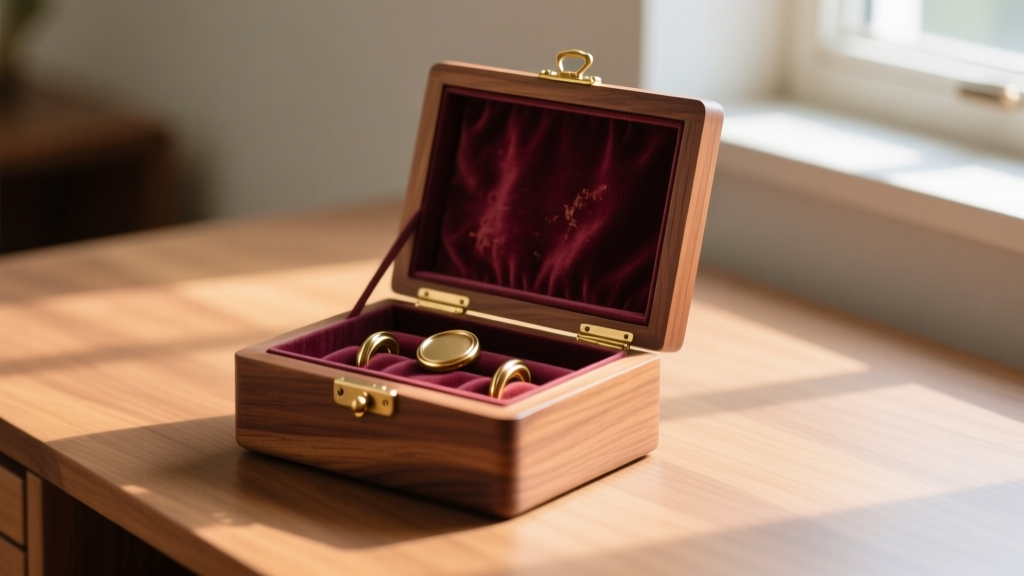
Owning a vintage cedar jewelry box is a unique intersection of antique appreciation and functional storage. Cedar—specifically Eastern Red Cedar (Juniperus virginiana)—has been a prized material for heirloom storage since the early 20th century due to its rich grain, aromatic profile, and natural insect-repelling properties. However, as conservation science has advanced into 2026, we now understand that cedar wood presents specific chemical risks to fine jewelry if not properly maintained and lined.
The primary concern with cedar is its natural off-gassing of volatile organic compounds (VOCs), particularly acetic acid and cedrol. While these oils repel moths and silverfish, acidic vapors can accelerate the tarnishing of sterling silver and degrade the luster of organic gemstones like pearls and coral. According to the Smithsonian Museum Conservation Institute, unsealed or aging cedar wood can create a microclimate inside a closed jewelry box that drops the pH of the surrounding air, leading to rapid silver sulfide formation (tarnish) and the etching of sensitive metals.
To safely use and preserve a vintage cedar jewelry box, you must address both the exterior wood restoration and the interior microclimate. This guide provides a professional-grade framework for cleaning, restoring, and maintaining your antique storage piece without compromising the jewelry inside.
Step-by-Step Exterior Wood Restoration
The exterior of a vintage cedar box often suffers from decades of accumulated skin oils, dust, and degraded finishes. Never use commercial furniture polishes containing silicone or ammonia, as these will penetrate the porous cedar and permanently alter its moisture exchange rate.
Tools and Materials Required
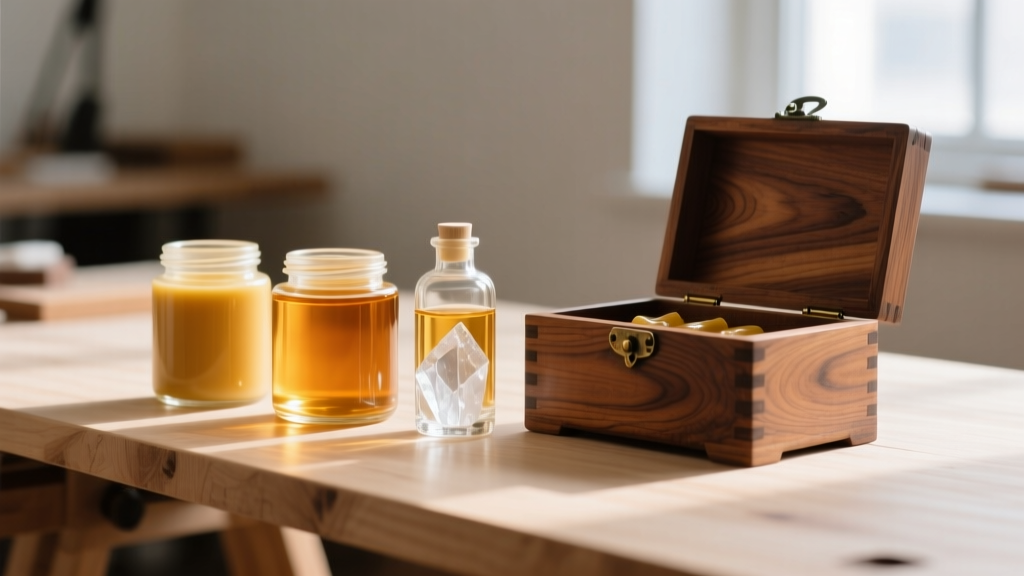
- Odorless Mineral Spirits: For lifting grime without raising the wood grain.
- Microcrystalline Wax (e.g., Renaissance Wax): Developed by the British Museum, this provides a stable, non-acidic barrier that seals in cedar oils and prevents VOC off-gassing.
- 100% Cotton Lint-Free Cloths: Avoid paper towels, which can scratch delicate antique patinas.
- Soft Natural Bristle Brushes: For cleaning carved details and dovetail joints.
The Cleaning and Sealing Process
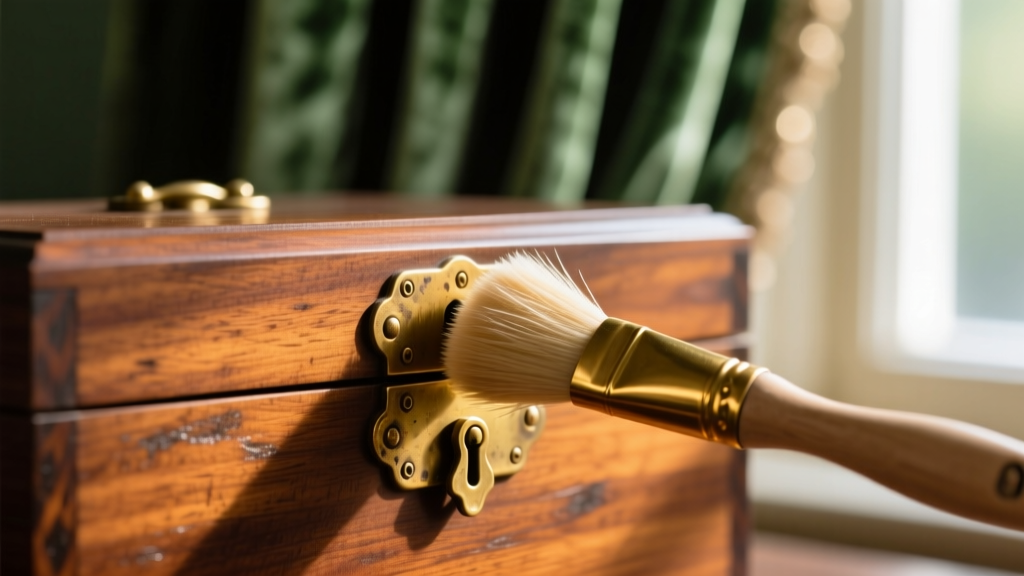
- Dust Removal: Use a soft bristle brush to gently agitate dust out of the carvings, hinges, and corners. Vacuum the dust away using a HEPA filter on low suction.
- Solvent Cleaning: Dampen a cotton cloth with a small amount of odorless mineral spirits. Wipe the exterior in the direction of the grain. This lifts decades of wax buildup and oils. Allow the wood to flash-dry for 15 minutes.
- Wax Application: Apply a micro-thin layer of microcrystalline wax using a clean cloth. Allow it to haze for 20 minutes, then buff vigorously. This seals the wood, locks in the cedar aroma, and creates a chemically inert barrier.
Preserving the Interior Lining and Hardware
The interior of a vintage cedar box is where the most critical jewelry interactions occur. Early to mid-20th-century boxes were typically lined with silk, rayon velvet, or wool felt. Each material degrades differently and poses unique risks to your collection.
Lining Material Care Matrix
| Lining Material | Degradation Risk | Jewelry Hazard | Maintenance Protocol |
|---|---|---|---|
| Silk | Shattering (dry rot), acidification | Snagging prongs, acidic transfer to pearls | Test with Orvus Quilt Soap; replace if shattering. |
| Rayon Velvet | Crushing, moisture retention | Traps humidity, causing localized silver tarnish | Steam gently to lift pile; use silica gel packets. |
| Wool Felt | Sulfur off-gassing, moth attraction | Rapid blackening of sterling silver | Avoid entirely for silver; replace with Pacific Silvercloth. |
If the velvet lining is suffering from 'dusting' (where the fabric backing breaks down into fine powder), do not attempt to wash it. Instead, place a piece of fine fiberglass window screen over the lining and use a vacuum on the lowest suction setting to extract the degrading particulates without pulling the fragile fibers.
Hardware and Hinge Conservation
Vintage boxes frequently feature solid brass or steel-plated hinges and clasps. Steel pins in older hinges are prone to rust, which can bleed into the surrounding cedar, causing dark, irreversible stains. To clean brass hardware, mask the surrounding wood with painter's tape. Apply a minimal amount of Simichrome polish using a cotton swab, buff it clean, and immediately remove the tape. Never allow metal polish to pool in the wood grain, as the ammonia and mild abrasives will strip the cedar's natural finish.
Preventative Maintenance and Climate Control
Wood is hygroscopic, meaning it absorbs and releases moisture based on the ambient environment. A vintage cedar jewelry box stored in an uncontrolled environment will warp, causing the lid to misalign and the interior lining to pull away from the wooden shell.
Expert Conservation Rule: Maintain a stable Relative Humidity (RH) of 45% to 55% in the room where your cedar jewelry box is stored. Fluctuations greater than 10% in a 24-hour period are the primary cause of veneer lifting and joint failure in antique wooden boxes.
To protect the jewelry inside from the cedar's natural acidity, line the bottom compartments with modern, chemically inert materials. The Gemological Institute of America (GIA) strongly recommends using anti-tarnish treated flannel, such as Pacific Silvercloth, or acid-free, unbuffered archival tissue paper beneath your jewelry trays. This creates a physical buffer between the cedar's VOC emissions and your precious metals and organic gems.
When to Call a Professional Conservator
While routine cleaning and waxing can be done safely at home, certain failure modes require professional intervention. If your vintage cedar jewelry box exhibits active woodworm frass (fine sawdust beneath the box), severe structural warping that prevents the lid from closing, or a lining made of early cellulose nitrate (which becomes highly flammable and acidic as it degrades), halt your DIY efforts. Consult a certified objects conservator who can perform specialized anoxic treatments to eradicate pests without using liquid pesticides that would ruin the wood's patina and compromise your jewelry storage environment.


