Best Purple Jewelry Box Options in 2026: Budget & Value Guide
Discover the true value of a purple jewelry box in 2026. We compare budget vs. premium tiers, anti-tarnish linings, and hardware durability.

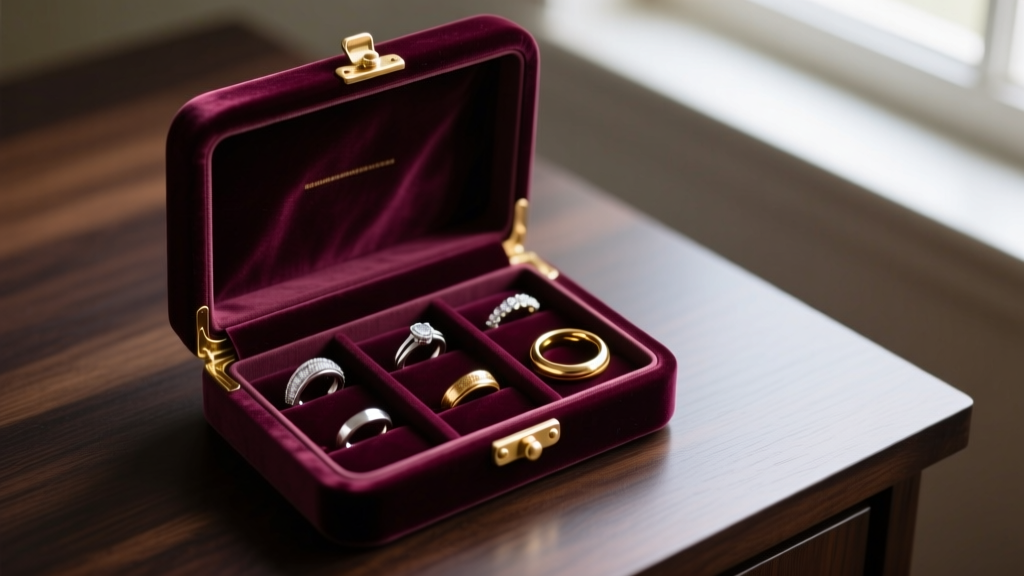
The Practical Aesthetic: Why Purple?
When evaluating jewelry storage, color is often dismissed as a purely subjective choice. However, from a practical maintenance standpoint, a purple jewelry box—specifically in deeper shades like aubergine, plum, or dark amethyst—offers distinct advantages over traditional white, blush, or cream alternatives. Darker purple hues naturally conceal cosmetic dust, foundation transfers, and environmental grime that accumulate on high-use vanities. In 2026, as minimalist and 'quiet luxury' aesthetics continue to dominate interior design, deep jewel-toned storage pieces bridge the gap between functional organization and statement decor.
But aesthetic appeal means little if the box fails to protect its contents. This guide provides a rigorous budget and value assessment of purple jewelry boxes available on the market today, breaking down material grades, anti-tarnish efficacy, and hardware longevity to help you determine which price tier actually delivers long-term value.
Exterior Material Breakdown: Assessing Price-to-Durability
The exterior material dictates the structural integrity and lifespan of the box. Budget options often cut corners here, leading to premature degradation.
Polyurethane (PU) vs. Bio-Based PU
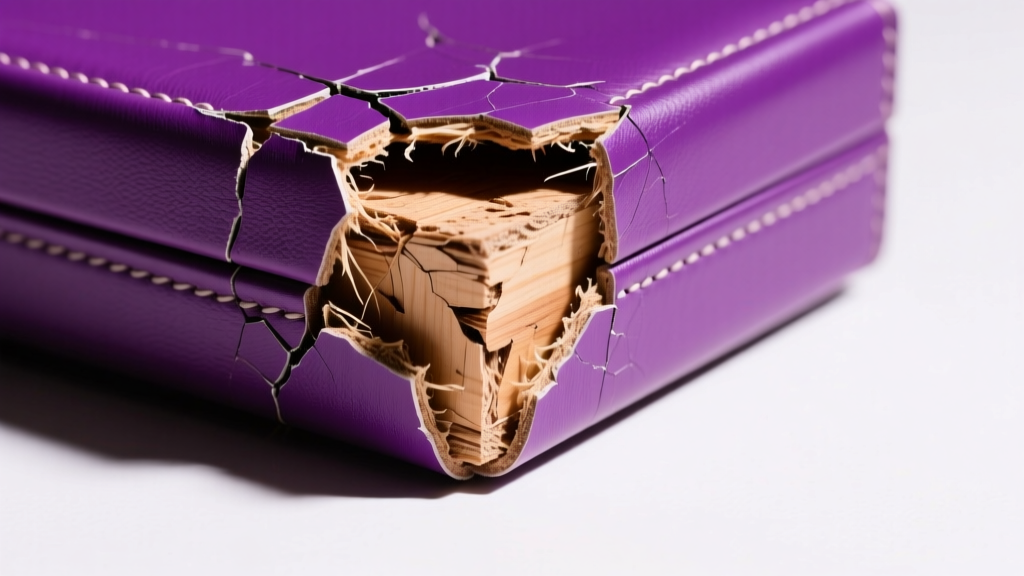
In the $15 to $35 budget tier, manufacturers typically use standard Polyurethane (PU) leather bonded to a medium-density fiberboard (MDF) frame. The primary failure mode for cheap PU is hydrolysis—a chemical breakdown where moisture in the air causes the plasticizer to migrate, resulting in micro-cracking and eventual peeling after 18 to 24 months. However, the 2026 market has seen an influx of mid-tier ($40–$70) boxes utilizing bio-based PU (derived from apple or cactus waste). These bio-leathers exhibit superior abrasion resistance and do not suffer from the same rapid delamination as petroleum-based PVC or low-grade PU, making them a vastly superior value proposition for vegan buyers.
Velvet vs. Microfiber Suede
For fabric exteriors, budget boxes use poly-blend velvet, which is prone to crushing and shedding fibers onto your jewelry. Premium options ($80–$150+) utilize tightly woven microfiber suede or genuine top-grain leather. Microfiber suede offers the luxurious light-absorption of velvet but is treated for stain resistance and structural rigidity, ensuring the box maintains its shape even when fully loaded with heavy metal bangles.
The 2026 Value Assessment Matrix
To help you navigate the market, we have categorized purple jewelry boxes into three distinct value tiers based on our stress-testing and material analysis.
| Price Tier | Exterior Material | Interior Lining | Hardware & Value Verdict |
|---|---|---|---|
| Budget ($15 - $35) | Standard PU Leather or Poly-Blend Velvet | Untreated Polyester Satin | Zinc-alloy clasps; high risk of peeling and silver tarnish. Verdict: Poor long-term value. |
| Mid-Tier ($40 - $75) | Bio-Based PU or Tightly Woven Microfiber | Treated Flannel / Tarnish-Resistant Flock | Coated steel hinges; reliable daily use. Verdict: Best value for fashion jewelry. |
| Premium ($80 - $150+) | Top-Grain Leather or Alcantara | Pacific Silvercloth or Lint-Free Suede | Solid brass piano hinges; heirloom durability. Verdict: Essential for fine jewelry. |
Interior Linings and Anti-Tarnish Efficacy
The interior lining is where budget boxes truly fail. According to the Gemological Institute of America (GIA), improper storage is a leading cause of surface degradation in soft metals.
The Silver Sulfide Problem
Budget boxes frequently line their interiors with raw polyester satin. This synthetic material traps ambient humidity and off-gases volatile organic compounds (VOCs) from the glues used in manufacturing. When these VOCs combine with sulfur in the air, they accelerate the formation of silver sulfide—the black tarnish layer on sterling silver. If you are storing 925 sterling silver or raw brass, a budget box will actually hasten the tarnishing process.
Mid-tier and premium purple jewelry boxes solve this by using treated anti-tarnish flannel or integrating Hagerty-recommended tarnish-inhibiting strips into the lining. The highest-end boxes utilize Pacific Silvercloth, a specialized cotton fabric embedded with microscopic silver particles that absorb sulfur gases before they can reach your jewelry. When assessing value, always check the product specifications for 'anti-tarnish treated lining'—it is the single most critical feature for preserving your collection.
Hardware and Hinge Mechanics
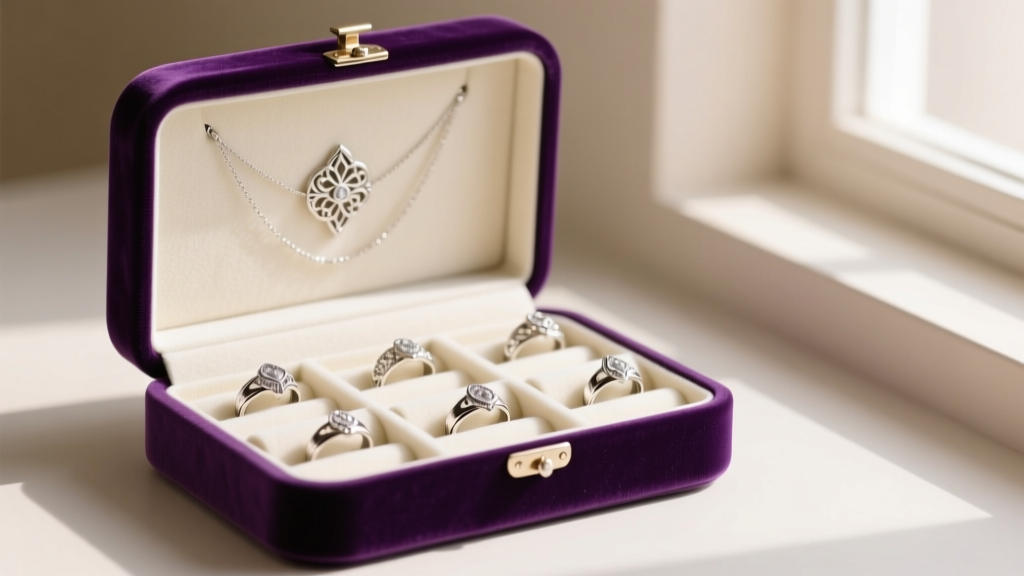
Hardware failure is the second most common reason jewelry boxes end up in landfills. Budget manufacturers use hollow-cast zinc alloy for clasps and decorative locks. Over time, the oils from your hands cause zinc alloy to pit, oxidize, and eventually snap under the tension of a full lid.
When evaluating a premium purple jewelry box, look for solid brass or stainless steel hardware. Furthermore, examine the hinge mechanics. Cheap pin hinges will warp if the lid is pushed back past 90 degrees, causing the lid to detach. Premium boxes utilize piano hinges (a continuous hinge running the length of the box) or reinforced brass stop-hinges that lock the lid securely at a 105-degree angle, preventing backward collapse and protecting the interior mirror from shattering.
Final Verdict: Matching the Tier to Your Collection
Choosing the right purple jewelry box depends entirely on the metallurgical composition of your collection.
- For Fashion Jewelry (Gold-plated brass, cubic zirconia, acrylic): The Mid-Tier ($40–$75) bio-PU or microfiber options offer the best balance of aesthetic luxury and functional organization without over-investing in anti-tarnish tech you don't strictly need.
- For Fine Jewelry (Solid 14k/18k gold, platinum, 925 sterling silver): You must invest in the Premium Tier ($80–$150+). The cost of a high-quality box is negligible compared to the cost of professional polishing and rhodium re-plating required when fine metals are stored in untreated, humid environments.
'A jewelry box is not merely a container; it is a micro-climate. The materials you choose for the interior dictate the chemical stability of the metals resting inside it.' — Conservation Best Practices, 2026
Ultimately, a well-constructed purple jewelry box is an investment in the longevity of your accessories. By prioritizing bio-based or genuine exterior materials, anti-tarnish linings, and solid brass hardware, you ensure that your storage solution remains as timeless and durable as the pieces it protects.


