Vintage Chinese Jewelry Box Materials: Wood, Lacquer & Care
Discover the unique materials in a vintage Chinese jewelry box. Compare camphor, elm, and rosewood properties for optimal jewelry preservation.

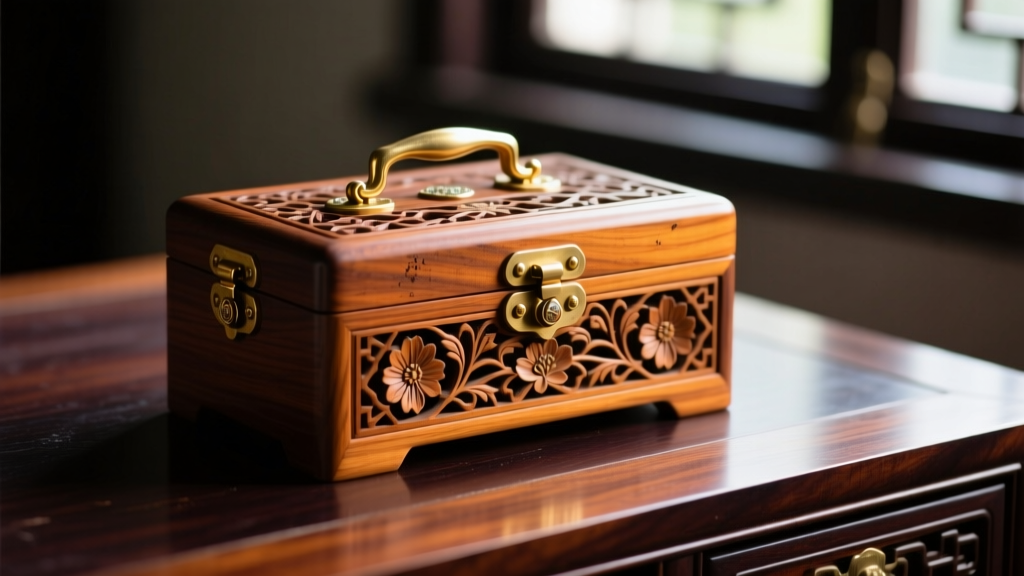
The Anatomy of Traditional Chinese Cabinetry
Collectors and jewelry enthusiasts often seek out a vintage Chinese jewelry box not just for its aesthetic appeal, but for the masterful craftsmanship that defines antique Asian cabinetry. However, storing precious metals, porous gemstones, and delicate organics requires more than just a beautiful exterior. The material composition of these antique boxes dictates their suitability for modern jewelry preservation. Understanding the specific wood species, surface treatments, and interior linings is critical to preventing accelerated tarnishing, moisture damage, and chemical off-gassing.
Unlike mass-produced modern storage lined with synthetic polyurethanes, authentic vintage pieces rely on organic materials that interact dynamically with their environment. This guide breaks down the material science behind traditional Chinese jewelry boxes, offering actionable insights for collectors looking to safely house their valuables.
Core Wood Species: Camphor, Elm, and Rosewood
The structural integrity and internal microclimate of a vintage Chinese jewelry box are determined by its primary timber. Artisans historically selected woods based on regional availability, workability, and natural resistance to pests.
Camphor Wood (Zhangmu)
Camphor wood is perhaps the most famous material used in antique Chinese storage chests and jewelry boxes. It contains high concentrations of natural camphor oil, which acts as a powerful biological deterrent against silverfish, moths, and wood-boring beetles. According to The Wood Database, camphor has a Janka hardness rating of roughly 950 lbf, making it moderately hard and highly resistant to warping. However, the very oils that repel insects can off-gas volatile organic compounds (VOCs). While safe for hard stones like diamonds and sapphires, prolonged exposure to camphor vapors can degrade porous organics like pearls, amber, and untreated turquoise.
Northern Elm (Jumu)
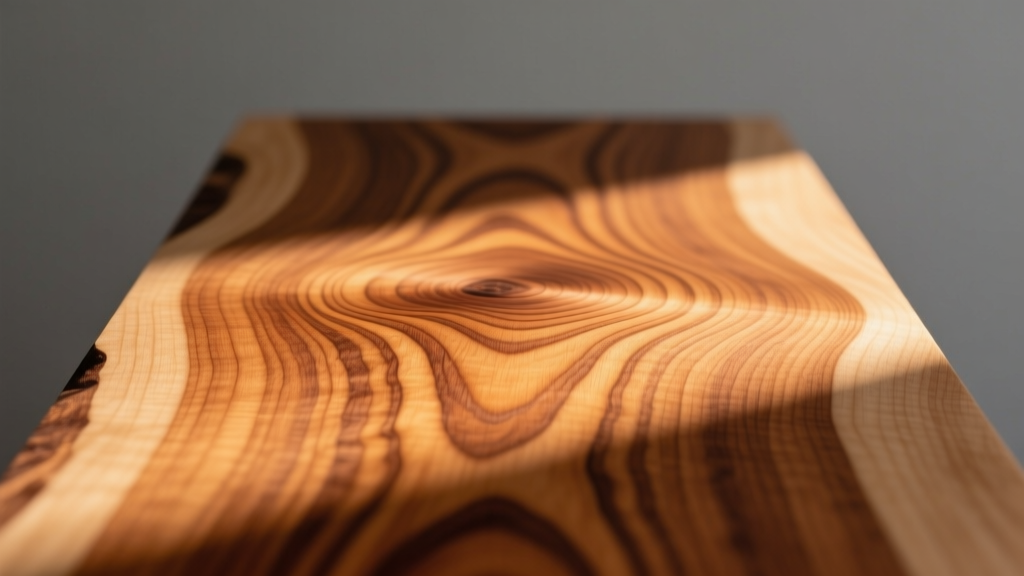
Elm was the workhorse timber of Northern China. Known for its dramatic, interlocking grain and high density, elm is incredibly tough. It resists splitting, which made it ideal for the complex mortise-and-tenon joinery used in antique furniture. Elm is highly hygroscopic, meaning it absorbs and releases moisture from the air. If kept in an environment with fluctuating relative humidity (RH), an unsealed elm box can expand and contract, potentially compromising the interior microclimate and exposing silver jewelry to ambient sulfur.
Rosewood (Hongmu)
True Hongmu (rosewood) represents the pinnacle of Chinese antique cabinetry. Extremely dense (often exceeding 2,000 lbf on the Janka scale) and rich in natural resins, rosewood is virtually impervious to moisture penetration. A vintage Chinese jewelry box crafted from Hongmu provides an exceptionally stable internal environment, making it the premier choice for storing high-karat gold, platinum, and investment-grade jadeite.
Material Comparison Matrix
When evaluating a vintage piece for your collection, use this matrix to determine which wood species aligns with your specific jewelry storage needs.
| Wood Species | Janka Hardness | Natural Oils / Resins | Best Jewelry Types | Preservation Risks |
|---|---|---|---|---|
| Camphor (Zhangmu) | 950 lbf | High (Camphor oil) | Diamonds, Gold, Silver | VOC off-gassing damages pearls/amber |
| Northern Elm (Jumu) | 1,320 lbf | Low | All metals, hard gemstones | Hygroscopic; requires strict RH control |
| Rosewood (Hongmu) | 2,200+ lbf | Moderate (Dense resins) | High-karat gold, Jadeite, Pearls | Heavy; requires reinforced shelving |
| Pine (Songmu) | 420 lbf | Moderate (Pitch) | Costume jewelry, beads | Pitch can seep in high heat; acidic |
Surface Treatments: Raw Wax vs. Cinnabar Lacquer
The exterior and interior seals of a vintage Chinese jewelry box profoundly impact its archival qualities. Traditional finishes fall into two main categories: open-pore waxing and urushiol-based lacquering.
The Science of Urushiol Lacquer
Authentic Chinese lacquer is derived from the sap of the *Toxicodendron vernicifluum* tree. Unlike modern chemical lacquers that dry through solvent evaporation, urushiol lacquer cures through a process called enzymatic polymerization, which requires high humidity (75-85% RH) and warm temperatures. Once fully cured, this lacquer forms an impermeable, chemically inert vapor barrier. A fully lacquered vintage box effectively locks in the wood's natural acids and prevents external humidity from reaching the jewelry inside. The Metropolitan Museum of Art notes that properly cured Asian lacquer can survive for millennia without degrading, making it one of the most stable storage environments available for antique silver and gold.
Open-Pore Wax Finishes
Boxes finished with beeswax or tung oil allow the wood to breathe. While this highlights the natural grain of woods like Huanghuali or Zitan, it offers zero protection against ambient sulfur dioxide, the primary catalyst for silver sulfide (tarnish) formation. If you own a wax-finished vintage box, you must line the interior with anti-tarnish materials.
Interior Linings: The Hidden Acid Threat
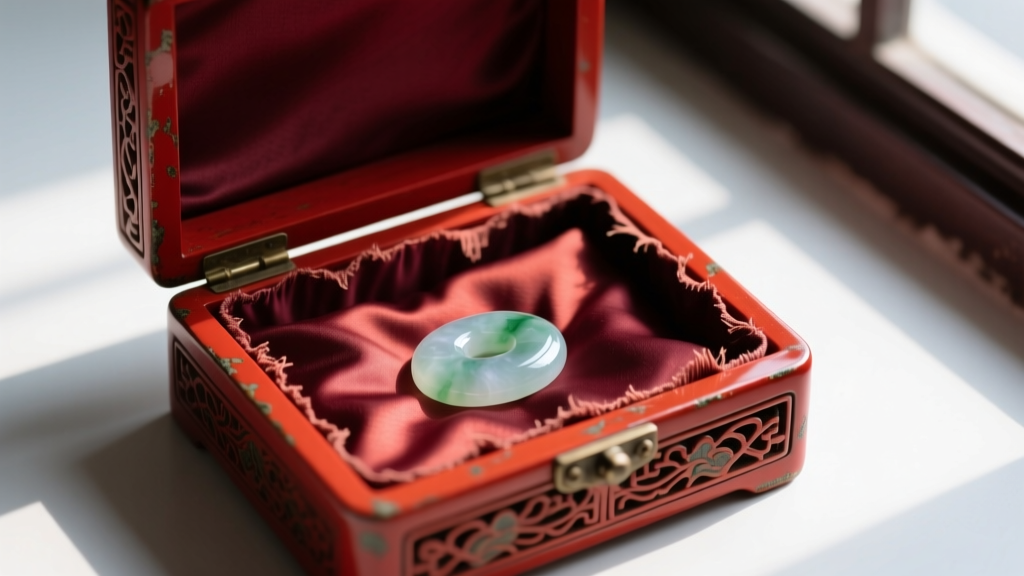
The most common mistake collectors make is leaving the original interior lining of a vintage Chinese jewelry box intact. Historically, these boxes were lined with silk, brocade, or rice paper. Over decades, natural silk degrades, becoming highly acidic. This acidic off-gassing can cause severe pitting on silver, accelerate the corrosion of copper alloys, and dull the polish of soft stones like malachite and lapis lazuli.
Retrofitting for Archival Standards
To safely use a vintage piece in 2026, the interior must be retrofitted. Follow this protocol:
- Remove Degraded Textiles: Carefully peel away old silk and animal-based glues using a micro-spatula. Do not use chemical solvents that could penetrate the wood.
- Seal the Wood: Apply a micro-crystalline wax, such as Renaissance Wax, to the bare interior wood. This creates a stable, non-off-gassing barrier that traps any residual wood acids.
- Install Modern Liners: Replace the silk with Pacific Silvercloth or acid-free, lignin-free suedeline. These modern materials actively absorb sulfur and moisture, providing an archival-grade microclimate within the antique shell.
Hardware and Joinery: Mortise-and-Tenon vs. Brass
Authentic vintage Chinese cabinetry relies on *sunmao* (mortise-and-tenon) joinery, utilizing interlocking wooden pegs rather than iron nails. This structural flexibility allows the box to expand and contract with seasonal humidity changes without splitting. When inspecting a potential purchase, check the corner joints; visible metal nails or modern steel screws are immediate indicators of a 20th-century reproduction or a heavily compromised antique.
The hardware—hinges, clasps, and corner mounts—are typically cast brass or bronze. Over time, brass develops a patina. Avoid polishing the original hardware with abrasive chemical dips, as this removes the protective oxidation layer and diminishes the historical value of the piece. Instead, use a soft microfiber cloth and a mild, non-abrasive wax to maintain the metal.
Expert Authentication Tip: Inspect the underside and the back panels of the box. Authentic vintage pieces will show natural oxidation, uneven hand-planing marks, and a distinct lack of uniform machine sanding. The wood on the bottom should be unsealed or lightly waxed, allowing you to identify the true timber species.
Maintenance Framework for Antique Storage
Preserving both the vintage Chinese jewelry box and its contents requires a disciplined approach to environmental control. Maintain a stable relative humidity between 45% and 55%. Levels below 40% risk cracking the wood and crazing the lacquer, while levels above 65% invite mold growth and metal oxidation. Keep the box out of direct sunlight, as UV radiation will rapidly bleach the wood and degrade any modern interior linings you have installed. By respecting the material properties of these historical artifacts, you ensure they remain both a beautiful display piece and a highly functional, protective vault for your jewelry collection.


