Acrylic Jewelry Display Value: Budget vs Premium Picks
Compare budget and premium acrylic jewelry display options. Discover material grades, UV resistance, and true value for your collection.

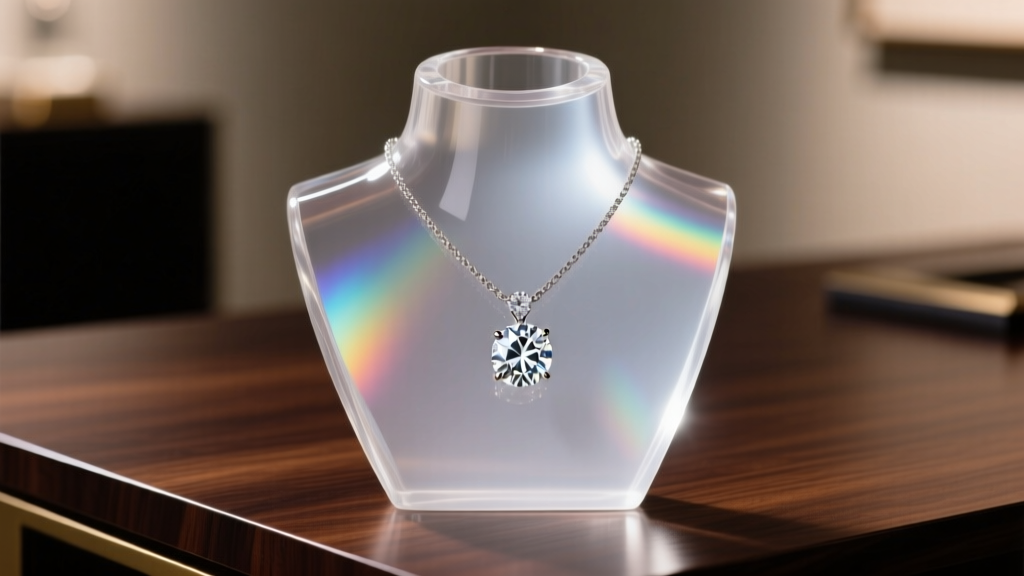
When organizing a growing collection, the shift from velvet pouches to structured displays is a major milestone. In 2026, the acrylic jewelry display market is more saturated than ever, offering everything from $8 dropshipped earring trees to $150 museum-grade necklace busts. But how do you determine the actual value of these transparent organizers? The difference between a budget find and a premium investment is not just about brand names; it comes down to polymer chemistry, structural engineering, and optical clarity. This guide breaks down the true cost of acrylic displays, helping you decide where to save and where to spend.
The Polymer Divide: Extruded vs. Cast Acrylic
To assess value, you must first understand the material. Acrylic, scientifically known as Polymethyl Methacrylate (PMMA), is manufactured in two primary ways: extrusion and cell casting. This manufacturing distinction dictates the lifespan, clarity, and structural integrity of your display.
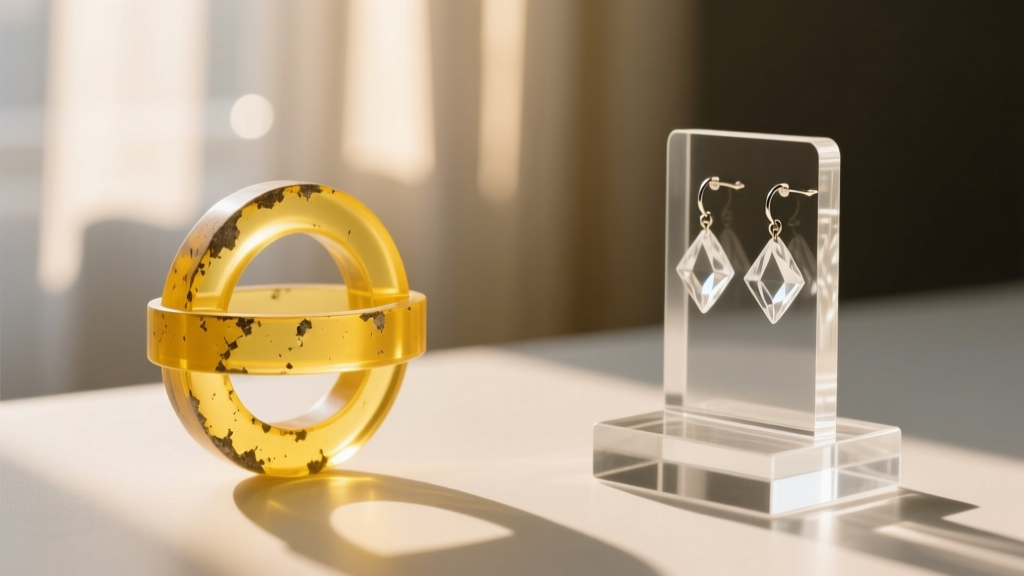
Extruded acrylic is produced by pushing molten plastic through rollers. It is highly cost-effective, making it the default choice for budget displays. However, the extrusion process introduces internal molecular stress. Over time, this stress makes the material prone to micro-cracking, especially around laser-cut slots or glued seams. Furthermore, extruded PMMA lacks advanced UV stabilizers, meaning it will inevitably yellow when exposed to ambient sunlight.
Cast acrylic, on the other hand, is poured into molds and cured slowly. This results in a higher molecular weight, superior optical clarity (often exceeding 92% light transmission), and exceptional resistance to environmental stress. Premium cast acrylic displays feel heavier, mimic the refraction of glass, and can last for decades without yellowing.
Budget Tier ($10–$35): The Extruded Reality
Budget acrylic displays dominate online marketplaces. Typically ranging from 2mm to 3mm in thickness, these pieces are lightweight and functional for costume jewelry, lightweight silver chains, and everyday studs.
Where Budget Displays Fail
- Flame-Polished Edges: To save time, budget manufacturers use flame polishing to smooth cut edges. This leaves a slightly rounded, uneven finish that scatters light, creating a cloudy appearance.
- Solvent Welding: Seams are often joined using cheap solvent cements. These cements melt the plastic together but frequently leave opaque, white residue lines along the joints.
- Slot Tolerances: Earring posts typically measure 0.8mm to 1.2mm. Budget laser-cut slots are often inconsistently sized—either too tight (causing the acrylic to snap under pressure) or too wide (causing heavy drop earrings to flop forward).
Premium Tier ($45–$150+): Museum-Grade Engineering
Premium displays utilize 5mm to 12mm thick cast acrylic (often branded as Lucite or Optix). At this price point, you are paying for precision engineering and archival-safe materials. According to the Gemological Institute of America (GIA), prolonged exposure to ultraviolet light can cause irreversible fading in sensitive gemstones like kunzite, amethyst, and certain treated sapphires. High-end acrylic displays often incorporate UV-filtering cast PMMA, which blocks up to 98% of UV rays below 400nm, acting as a protective shield for light-sensitive stones.
The Hallmarks of Premium Value
- Diamond-Machined Edges: Edges are cut and polished with diamond bits, resulting in flawless, glass-like transparency that catches the light beautifully.
- UV-Cured Optical Bonding: Instead of solvent cements, premium fabricators use UV-cured adhesives. These bonds are entirely invisible, structurally superior, and will not degrade or cloud over time.
- Weighted Bases: Heavy 18k gold chains and gemstone-encrusted pieces exert significant shear stress. Premium stands feature thick, weighted bases to prevent tipping.
Material Comparison Matrix
| Feature | Extruded (Budget) | Cast (Premium) | Polycarbonate (Alternative) |
|---|---|---|---|
| Cost Range | $10 – $35 | $45 – $150+ | $30 – $80 |
| UV Resistance | Poor (Yellows in 1-2 years) | Excellent (Archival grade) | Moderate (Requires coatings) |
| Edge Polish Quality | Flame-polished (Cloudy) | Diamond-machined (Flawless) | Machined (Prone to scratching) |
| Scratch Resistance | Low | Moderate (Can be polished) | Very Low (Scuffs easily) |
| Joint Integrity | Solvent cement (Visible seams) | UV Optical bonding (Invisible) | Mechanical fasteners |
Assessing Value: The 5-Point Display Audit
When evaluating an acrylic jewelry display in person or via high-resolution product photos, run it through this five-point audit to determine its true value proposition.
- Edge Clarity Test: Look directly down the edge of the acrylic. If you see a blue or green tint, or if the edge looks frosted, it is low-grade extruded acrylic or polycarbonate. True cast PMMA will have a perfectly clear, colorless edge.
- Seam Inspection: Examine the corners where pieces meet. Run a fingernail gently over the joint. If you feel a ridge or see a cloudy line, it is solvent-welded. Invisible, flush joints indicate premium UV bonding.
- The Flex Test: Gently press the center of the main display panel. A 5mm cast acrylic panel should feel rigid and unyielding. If it bows or flexes easily, the display is too thin to support heavy jewelry without warping over time.
- Slot Chamfering: Inspect the holes or slots meant for earring posts. Premium displays feature micro-chamfered (slightly beveled) entry points, allowing posts to slide in smoothly without scraping the acrylic and creating micro-dust.
- Base Footprint Ratio: The base should be at least 1.5 times wider than the highest point of the display. This ensures a low center of gravity, preventing catastrophic falls when removing heavy necklaces.
Hidden Costs: Maintenance and Replacement Cycles
The initial purchase price is only half of the value equation. Acrylic is highly susceptible to micro-scratches and chemical damage, which can ruin the aesthetic of your display and obscure the jewelry it holds.
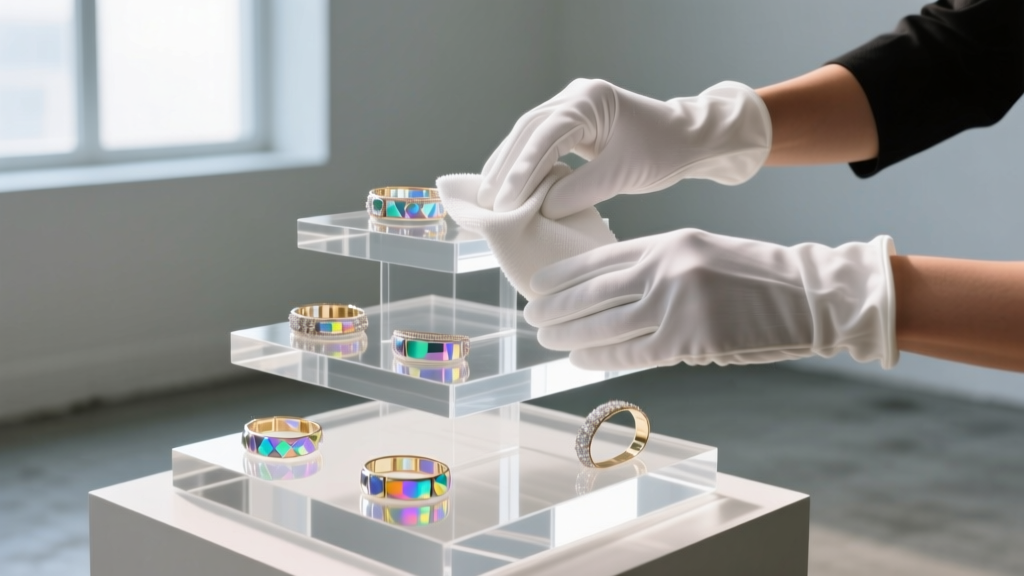
The most common failure mode for acrylic displays is environmental crazing—a network of tiny surface fractures caused by improper cleaning. Never use ammonia-based glass cleaners (like Windex) or paper towels on acrylic. Ammonia attacks the polymer chains, while paper towels drag microscopic dust particles across the surface, creating swirl marks.
To maintain a premium display, you must invest in specialized care. The Plastics Industry Association recommends using non-abrasive, anti-static plastic cleaners. A three-step system like Novus Plastic Cleaners is the gold standard: Novus 1 for daily dusting, Novus 2 for removing fine scratches, and Novus 3 for deep scratch removal. While this adds $20 to your long-term maintenance budget, it extends the life of a $100 cast acrylic display indefinitely, whereas a budget display will simply be thrown away once it becomes too cloudy to use.
Final Verdict: Where to Spend and Where to Save
Not every piece in your collection requires a museum-grade pedestal. Save your money on budget extruded acrylic displays for everyday items: stud earring grids, simple ring cones, and lightweight chain organizers. These pieces are easily replaced and do not require UV protection or heavy structural support.
However, invest heavily in premium cast acrylic displays for your statement pieces. Heavy gemstone necklaces, vintage brooches, and light-sensitive minerals demand the structural rigidity, invisible UV-bonded seams, and UV-filtering properties that only high-grade PMMA can provide. By strategically mixing budget organizers for volume and premium stands for focal points, you achieve a boutique-level aesthetic without exhausting your storage budget.


