Wood Jewelry Box Drawers: 2026 Storage Trends & Style Guide
Discover 2026 trends in wood jewelry box drawers. Compare walnut, oak, and bamboo storage styles, joinery techniques, and anti-tarnish drawer linings.

The Shift Toward Tactile, Heirloom-Quality Storage
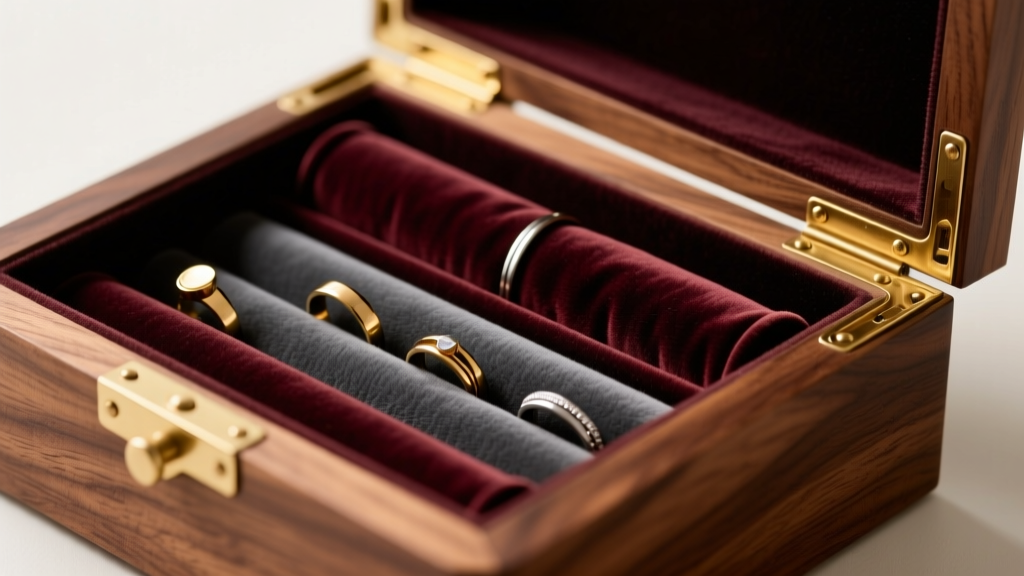
As we navigate the interior design and organization landscape of 2026, the era of sterile, mass-produced acrylic jewelry organizers has officially waned. In its place, a profound appreciation for tactile, sustainable, and heirloom-quality materials has taken center stage. Specifically, wood jewelry box drawers have emerged as the definitive choice for serious collectors and style aficionados alike. This shift is driven by the 'quiet luxury' movement, which prioritizes craftsmanship, material integrity, and longevity over disposable trends. Wooden storage solutions not only ground a vanity space with organic warmth but also offer superior structural stability and micro-climate control for delicate metals and gemstones. In this comprehensive trend analysis, we dissect the material science, joinery mechanics, and ergonomic configurations that define the finest wood jewelry box drawers on the market today.
Material Science: Hardwood, Softwood, and the Janka Scale
When evaluating wood jewelry box drawers, the species of wood dictates not only the aesthetic grain pattern but also the durability of the drawer fronts and carcass. Jewelry boxes are high-traffic items; drawers are pulled open and pushed shut daily, often in environments where heavy perfume bottles or metal vanity tools might accidentally strike the surface. To quantify this durability, master woodworkers and furniture designers rely on the Janka hardness scale, which measures the force required to embed a 0.444-inch steel ball halfway into the wood.
In 2026, premium jewelry box manufacturers are largely abandoning softwoods like pine, which dent easily and warp under fluctuating humidity. Instead, the focus is on premium hardwoods and highly dense grasses. Black Walnut remains the undisputed king of the 'quiet luxury' aesthetic, offering a rich, chocolate-brown hue that deepens with UV exposure. Hard Maple provides a pale, contemporary contrast, while engineered bamboo offers an eco-friendly, highly stable alternative that resists warping better than almost any solid timber.
The 2026 Wood Species Popularity Index
| Material Species | Janka Hardness (lbf) | Avg. Price Range (USD) | 2026 Trend Status |
|---|---|---|---|
| Black Walnut | 1,010 | $150 - $350 | Peak Quiet Luxury |
| Hard Maple | 1,450 | $120 - $280 | Rising Minimalist |
| White Oak (Quartersawn) | 1,360 | $180 - $400 | Heritage Revival |
| Strand-Woven Bamboo | 3,000+ | $80 - $200 | Eco-Conscious Staple |
| Cherry | 950 | $140 - $320 | Classic Traditional |
Joinery and Drawer Mechanics: The Mark of True Craftsmanship
A beautiful wood veneer is meaningless if the drawer mechanics fail. The structural integrity of wood jewelry box drawers is determined by the joinery used at the corners of the drawer box. In 2026, luxury brands exclusively utilize English dovetail joints. This interlocking mechanical bond provides immense tensile strength, ensuring the drawer front will never separate from the side panels, even after decades of daily use. Mass-market alternatives often rely on glued dowels or simple rabbet joints secured with brad nails, which inevitably loosen as the wood naturally expands and contracts with seasonal humidity changes.
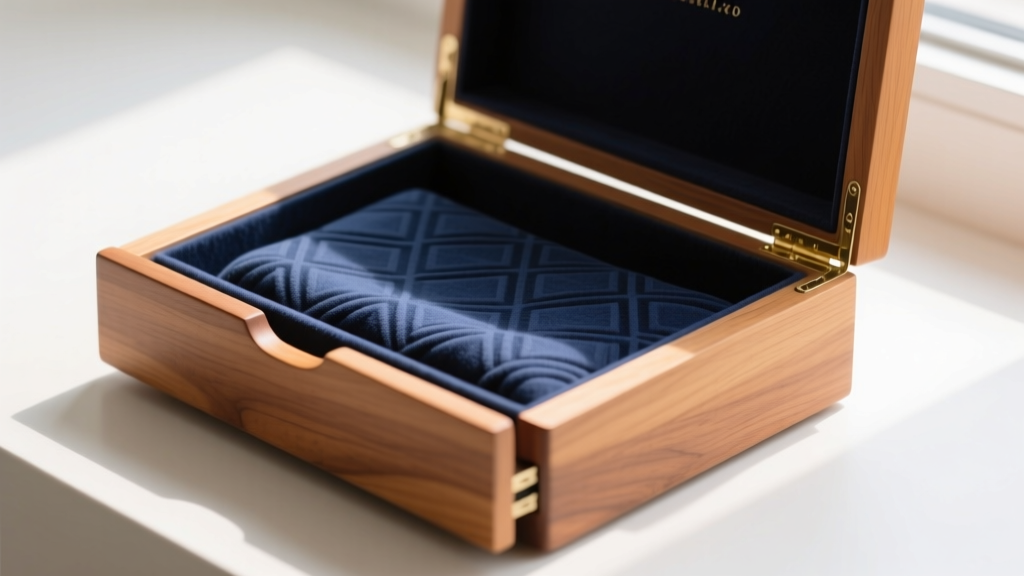
Beyond the wooden joinery, the drawer slides themselves have seen a massive technological upgrade. The integration of concealed, under-mount soft-close tracks—such as those engineered by Blum—has become the gold standard. These tracks eliminate the jarring 'slam' of traditional wooden runners, protecting the delicate contents inside from kinetic shock. Furthermore, under-mount tracks allow the drawer box to maintain a full interior width, maximizing storage capacity without the bulky side hardware of older ball-bearing slides.
The Micro-Climate: Anti-Tarnish Linings and Humidity Control
Wood is a hygroscopic material, meaning it absorbs and releases moisture from the surrounding air. While this makes wooden drawers excellent at buffering extreme humidity spikes, it also necessitates careful interior lining to protect jewelry from chemical reactions. The primary enemy of silver and copper alloys is hydrogen sulfide (H2S) gas, which causes rapid tarnishing. According to the Gemological Institute of America (GIA), proper storage environments are critical for maintaining the luster of precious metals and the structural integrity of organic gems like pearls and opals.
To combat this, high-end wood jewelry box drawers in 2026 are lined with specialized anti-tarnish textiles. Pacific Silvercloth is the industry benchmark; this cotton flannel is embedded with microscopic silver particles that act as a sacrificial anode, trapping H2S gas before it can reach your jewelry. Standard polyurethane foams, once popular in the 1990s, are now strictly avoided by experts due to their tendency to degrade, off-gas acidic vapors, and leave permanent chemical etchings on gold and silver surfaces. When selecting a wooden drawer system, always verify that the interior lining is chemically inert and acid-free.
Optimal Drawer Configurations for Modern Collections
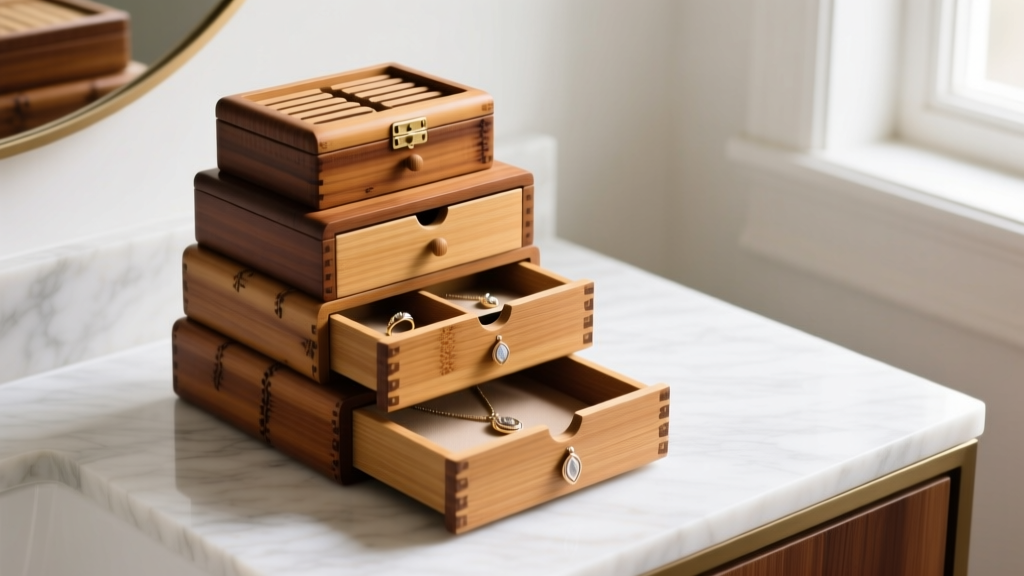
The modern jewelry collection is highly diverse, ranging from delicate stacking rings to heavy, oversized resin pendants. Consequently, the internal geometry of wood jewelry box drawers must be meticulously planned. A well-designed 2026 storage system utilizes a modular drawer stack with varying depths:
- Shallow Drawers (1.25 to 1.5 inches): Ideal for rings, stud earrings, and loose gemstones. These drawers typically feature adjustable wooden or acrylic dividers and velvet-lined rolling inserts that allow you to view items from a top-down perspective without stacking.
- Medium Drawers (2.5 to 3 inches): Designed for bangles, tennis bracelets, and luxury timepieces. The extra height accommodates watch pillows and prevents clasps from being crushed under the weight of adjacent pieces.
- Deep Drawers (4 to 6 inches): Reserved for statement necklaces and long pendant chains. Deep drawers allow necklaces to be laid out in gentle 'S' curves, completely eliminating the friction and tangling that occurs when chains are hung on crowded hooks or crammed into shallow spaces.
Maintenance and Preservation of Wooden Storage
Investing in premium wood jewelry box drawers requires a commitment to basic maintenance to preserve both the wood and the jewelry inside. The ideal ambient relative humidity (RH) for a jewelry storage environment is between 40% and 50%. If the air becomes too dry (below 30%), the wood can shrink, causing dovetail joints to loosen and drawers to rattle. If the environment is too humid (above 65%), the wood will swell, causing drawers to jam, while simultaneously accelerating the oxidation of metals and degrading the silk threads used in pearl necklaces.
For exterior maintenance, avoid silicone-based polishes or aerosol dusting sprays, which can build up a gummy residue and potentially outgas harmful chemicals into the drawer cavities. Instead, use a high-quality, solvent-free paste wax applied sparingly once a year. This feeds the wood, enhances the natural chatoyancy of the grain, and provides a breathable barrier against minor moisture fluctuations. By prioritizing material density, mechanical precision, and chemical-safe interiors, the wood jewelry box drawers of 2026 offer a masterclass in functional art, ensuring your most prized possessions are stored in an environment as exquisite as the pieces themselves.


